The HiGuppy Journal
Guppy Fin Rot Treatment: Step-by-Step Plan and Recovery Time
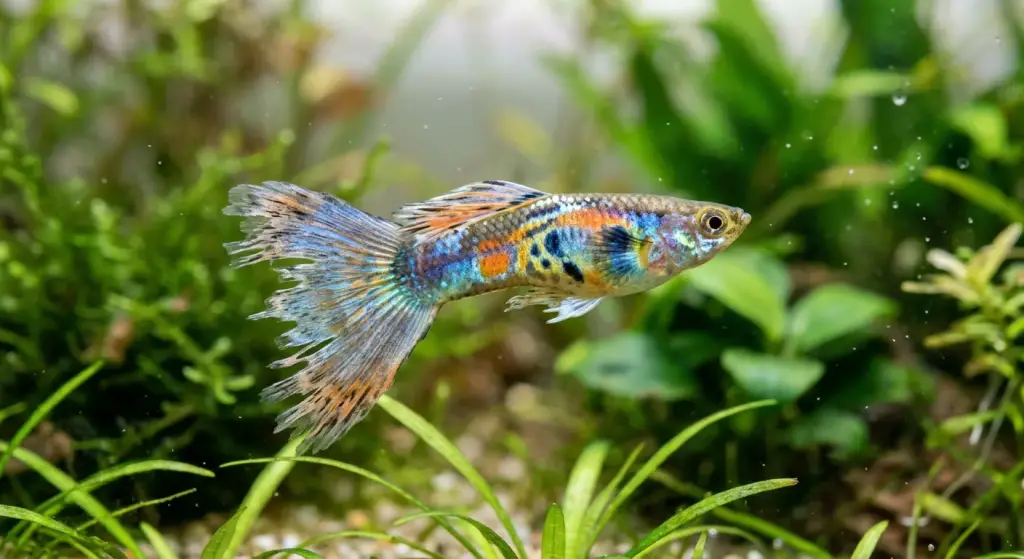
What is the best guppy fin rot treatment? Frayed, shortened or discolored fins show that fin tissue is damaged; appearance alone cannot confirm bacterial fin rot or identify the cause. Several problems can look similar, so a photo or color change is not enough to choose an antibiotic or antifungal. Start by recording the change, testing the water and checking for possible injury or recent environmental changes. If damage is progressing, there is bleeding or an ulcer, the fish is eating or behaving differently, or more than one fish is affected, contact a veterinarian experienced with fish or a fish-health diagnostic laboratory. This guide belongs to our complete guppy care guide and explains what to observe, how to assess the tank and when to seek professional help.
Guppies are famous for their flowing tails, so a change in a fin can be worrying. The term “guppy fin rot” is often used for fin erosion, but it does not identify a specific cause. Bacterial, fungal, parasitic, water-quality and injury-related problems can have overlapping signs. This article offers general observation and care information; it does not diagnose a fish or provide veterinarian-approved treatment instructions.
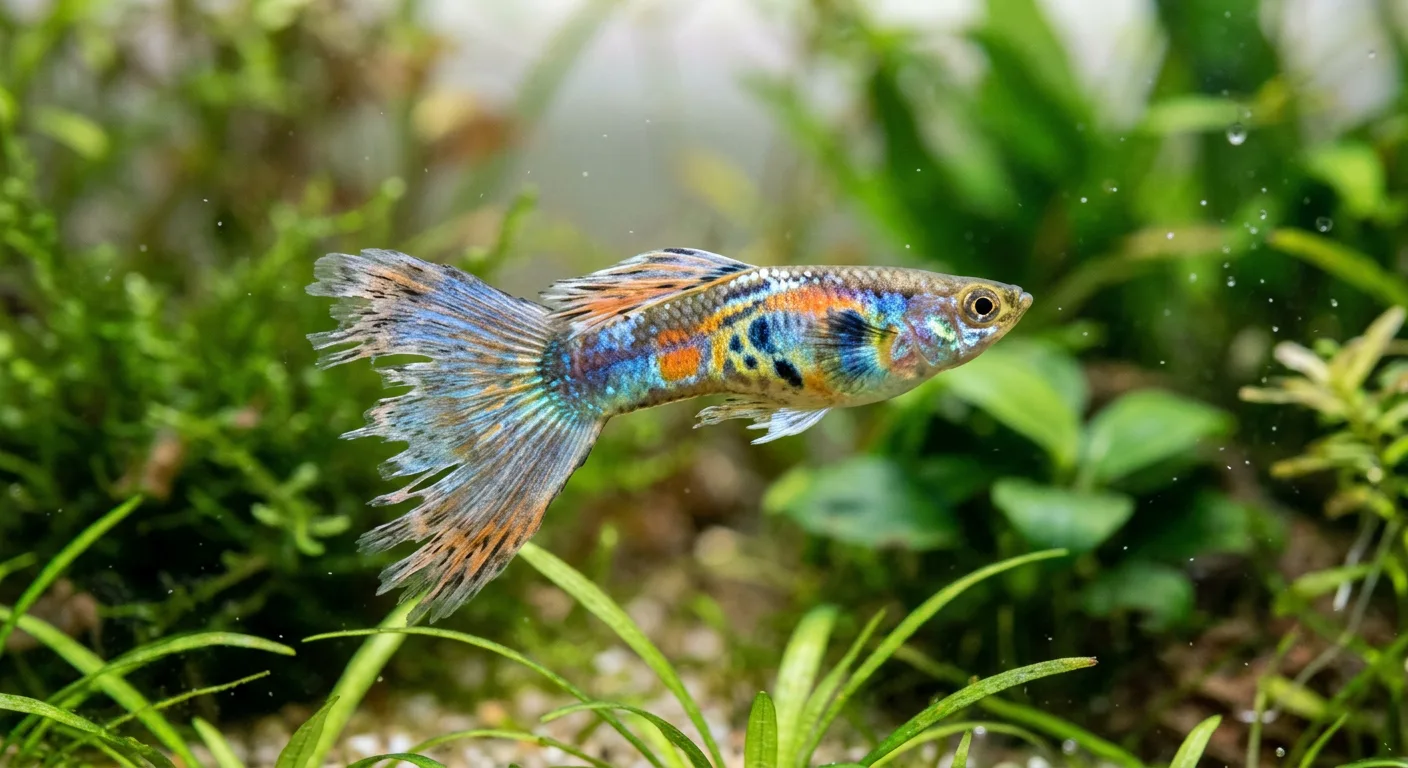
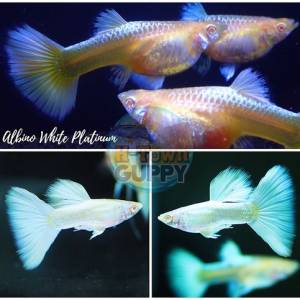
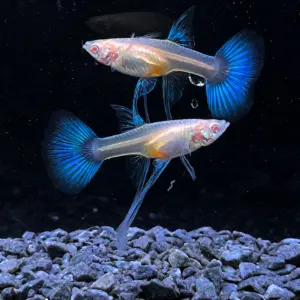
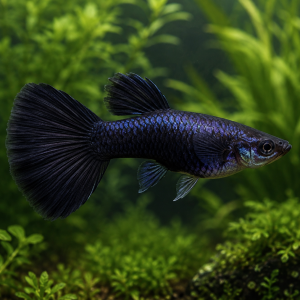
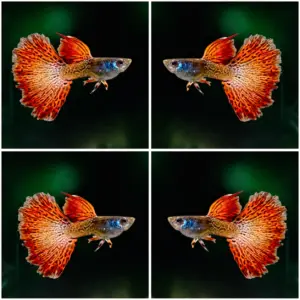
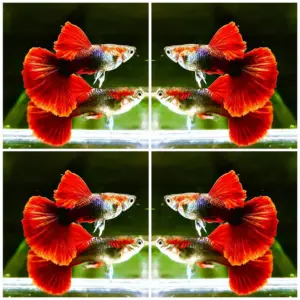
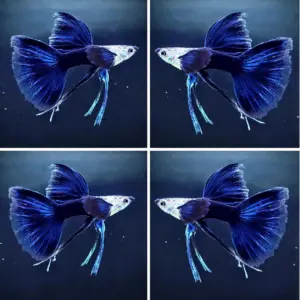
Images illustrate examples and equipment; they do not diagnose a fish, prescribe a treatment or establish a recovery outcome.
What is guppy fin rot?
Guppy fin rot damage has several possible causes
“Guppy fin rot” is a general description of damaged or eroding fin edges, not a diagnosis of a particular bacterium. A fish can show similar external changes for different reasons. A fish-health professional may need the water history and an examination or laboratory testing to identify the cause. Merck Veterinary Manual describes bacterial disease diagnosis through isolation and identification of an organism from affected tissue; appearance alone does not provide that identification. See Merck Veterinary Manual’s fish disease guidance and UF/IFAS diagnostic evaluation guidance.
Why a visual comparison is not enough
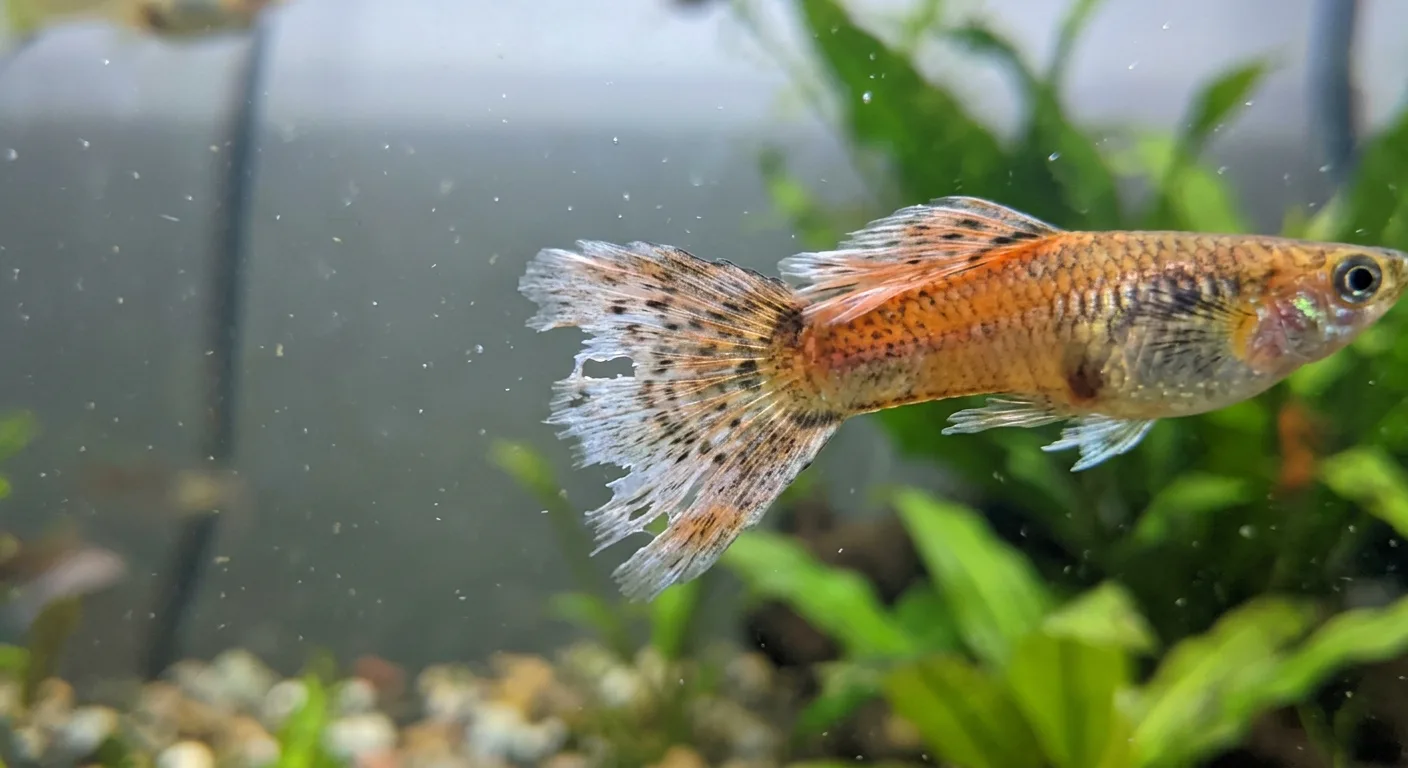
When people talk about guppy fin rot, they usually mean this kind of fin-edge change. Fraying, discoloration, visible growth or a tear can be useful observations to record, but no single edge color or shape confirms bacterial or fungal disease. Check for possible sources of injury, such as sharp decor or fin nipping, and record when the change began. If your guppy also has behavior changes, our guides on a lethargic guppy and the signs of stress in guppies offer general background; they cannot identify the cause.
| What you observe | What to record or check | What it cannot confirm |
|---|---|---|
| Frayed, shortened or discolored fin | Which fin is affected, when it started and whether it is changing | It does not by itself confirm infection or identify an organism. |
| Redness, bleeding, an ulcer or visible growth | Take a clear photo and report any change in appetite, breathing or behavior | Color or appearance alone does not identify bacteria, fungus or another cause. |
| Sharp decor, fin nipping or recent handling | Check for a possible injury or stressor and note recent tank changes | A possible injury does not rule out water-quality or disease problems. |
| Several fish affected or a change in behavior | Record which fish are affected, water readings and the timeline | These signs do not identify a single cause; seek fish-health advice. |
Signs and symptoms of guppy fin rot
These guppy fin rot signs are observations to share with a fish-health professional, not a self-diagnosis checklist.
Changes to note
- Fraying, shortening or a change in the appearance of the tail or dorsal fin.
- Fins held close to the body more often than usual.
- Redness, bleeding, an ulcer, exposed fin rays or visible growth.
- Changes in appetite, breathing, swimming or usual behavior.
When to seek prompt assessment
Contact a veterinarian experienced with fish or a fish-health diagnostic laboratory when fin changes are progressing, there is bleeding or an ulcer, the fish is eating or behaving differently, or several fish are affected. UF/IFAS advises contacting a veterinarian, fish-health professional or diagnostic laboratory when a disease problem is suspected because signs can be misdiagnosed and inappropriate treatment can cause harm.
Different fin shapes can look different
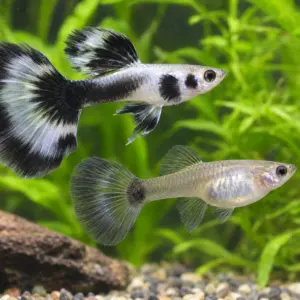
Guppies have many fin shapes and sizes. All can show damage, and fin shape alone does not establish a diagnosis. If you keep fancy males, our overview of guppy color and tail types shows examples of that variation.
Main causes of guppy fin rot
With guppy fin rot, fin appearance alone cannot identify the cause. Water conditions, handling, transport, temperature changes, injury, nutrition and other factors may be relevant to a fish-health assessment. Record what changed rather than assuming one cause.
Water quality and source water
Some of the water-quality problems behind guppy fin rot are invisible, so test rather than relying on appearance. Record ammonia, nitrite, nitrate, pH and temperature, and note the water source and any recent changes. UF/IFAS explains that ammonia can be present in source water and that its toxic form depends partly on pH and temperature. See our pages on nitrate in a guppy tank and nitrite poisoning in guppies for related background.
Stress, transport and recent changes
Guppy fin rot often follows stress. Poor water quality, handling or transport, and marked temperature changes are among the stressors associated with bacterial disease outbreaks in fish. Note recent additions, maintenance, water-source changes and medication use. A fresh arrival may need an appropriate acclimation plan; see our guide to acclimation.
Possible physical injury
Check for possible sources of damage such as sharp decorations, rough plastic plants, filter intakes or fin nipping from tank mates. Remove an obvious hazard when safe to do so, but do not use the suspected injury to rule out other causes.
Temperature and other environmental conditions
Record the actual temperature and any recent swings; do not change it to a fixed “treatment” temperature based on this article. Read about the ideal temperature for guppies and whether guppies need a heater as general husbandry background.
Nutrition and genetics
Nutrition and genetics may be relevant parts of a fish-health history, but they cannot be identified as the cause from fin appearance. For general background, see daphnia, brine shrimp, vegetables and guppy inbreeding.
Guppy fin rot treatment: step by step
Guppy fin rot treatment starts with observation and assessment rather than assuming a bacterial infection. These steps help you collect useful information and avoid choosing medication from appearance alone.
- Record the change. Note when it began, which fish and fins are affected, whether the change is progressing, and any appetite, breathing or behavior changes. Take a clear photo for comparison.
- Test and record water conditions. Check ammonia, nitrite, nitrate, pH and temperature; also record the water source and recent changes. UF/IFAS notes that ammonia and nitrite problems can be invisible and recommends testing and keeping records. Its ammonia guidance explains why pH, temperature and source water matter.
- Review maintenance and replacement water. Use measurements and advice appropriate to your specific system; this article does not set a fixed water-change percentage for fin damage. For general husbandry, see how often to change water in a guppy tank.
- Check for possible injury or stressors. Look for fin nipping, sharp surfaces, recent handling, new fish, changes in filtration or water source, and temperature swings. Record what you find; it may help a professional assess the case.
- Contact a fish-health professional when signs progress or affect the fish’s overall condition. Seek advice promptly for bleeding, ulcers, reduced appetite, breathing or behavior changes, or several fish affected. A veterinarian or diagnostic laboratory can advise whether examination or testing is needed.
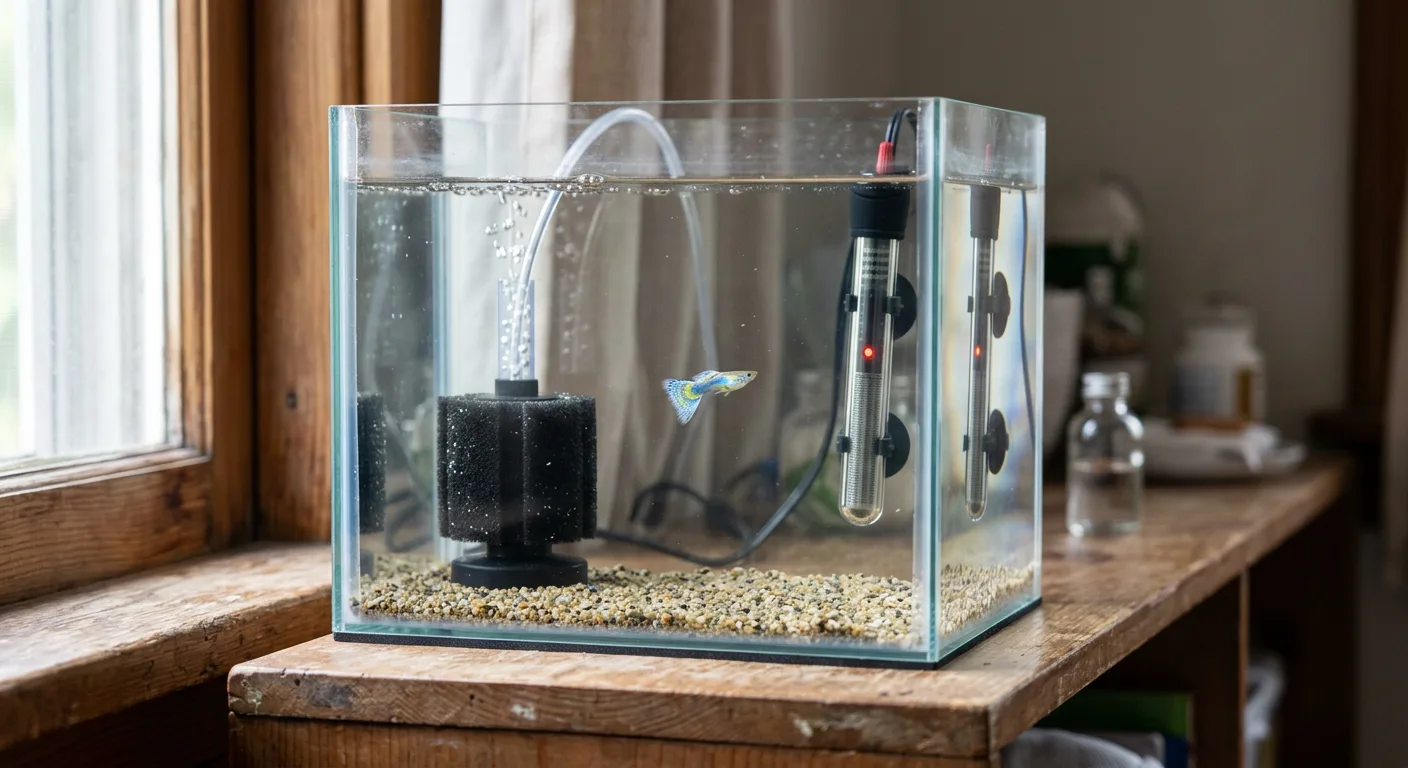
- Do not move the fish automatically. Whether to isolate a fish depends on the situation and the available setup. Ask a fish-health professional how to prepare and monitor any separate tank. Handling and temperature changes can themselves be stressors, so there is no universal tank size or temperature for every case.
- Do not choose medication from a photo or color. Merck recommends bacterial identification and sensitivity testing before antimicrobial use when possible. UF/IFAS ornamental-fish guidance also says the bacterial component, drug sensitivity, correct dosage and interval, and contributing stressors matter. If a professional recommends a product, follow its applicable label and the professional’s directions exactly. Do not combine products, substitute human antibiotics or redose after a water change unless the label or treating professional instructs you to.
- Keep routine care consistent and log changes. Continue appropriate feeding, remove uneaten food and record water readings, maintenance and any products used. Food and clean-looking water do not confirm or treat a specific infection.
If the fish worsens, or you see swelling, raised scales or ulcers, contact a fish-health professional rather than switching guppy fin rot treatments. Our pages on guppy popeye and the shaking guppy describe other observations, but overlapping signs cannot be diagnosed by reading a page.
Guppy fin rot treatment options compared
For guppy fin rot, there is no validated visual severity ladder that maps “mild,” “moderate” or “severe” fin changes to a home remedy or drug. The right next step depends on the cause and the fish’s condition.
| Area to assess | What to do | Limit |
|---|---|---|
| Water and environment | Measure water conditions, note the source and recent changes, and check possible injury or stressors. | A water check alone does not diagnose an infection or guarantee recovery. |
| Professional assessment | Ask a fish veterinarian or diagnostic laboratory whether examination or testing is needed when signs progress or the fish’s overall condition changes. | A photo or color description cannot identify the cause. |
| Medication | Use only a product and regimen recommended for the case, following applicable label and professional instructions. | This article does not recommend an antibiotic, antifungal, dose, duration or filter change. |
| Separation or isolation | Ask whether a separate system is appropriate and how to prepare and monitor it. | There is no universal tank size, temperature or return date for every fish. |
| Aquarium salt | Discuss suitability with a fish-health professional. Our guide to aquarium salt for guppies is general background only. | This article provides no salt dose and does not present salt as a fin-disease cure. |
How long does guppy fin rot treatment take to work?
Recovery varies
Guppy fin rot recovery has no reliable fixed timeline that can be estimated from a fin’s appearance alone. The cause, amount of damage, water conditions and case-specific care all matter. The references below do not provide a guppy-specific clinical recovery timeline. If signs are worsening or the fish’s condition changes, contact the treating professional for reassessment rather than extending or switching a product yourself.
Will the tail grow back?
Some fin damage may improve, but the outcome cannot be guaranteed from a photo or a general rule about how close damage is to the fin base. A fish-health professional can give advice based on the individual fish and the cause.
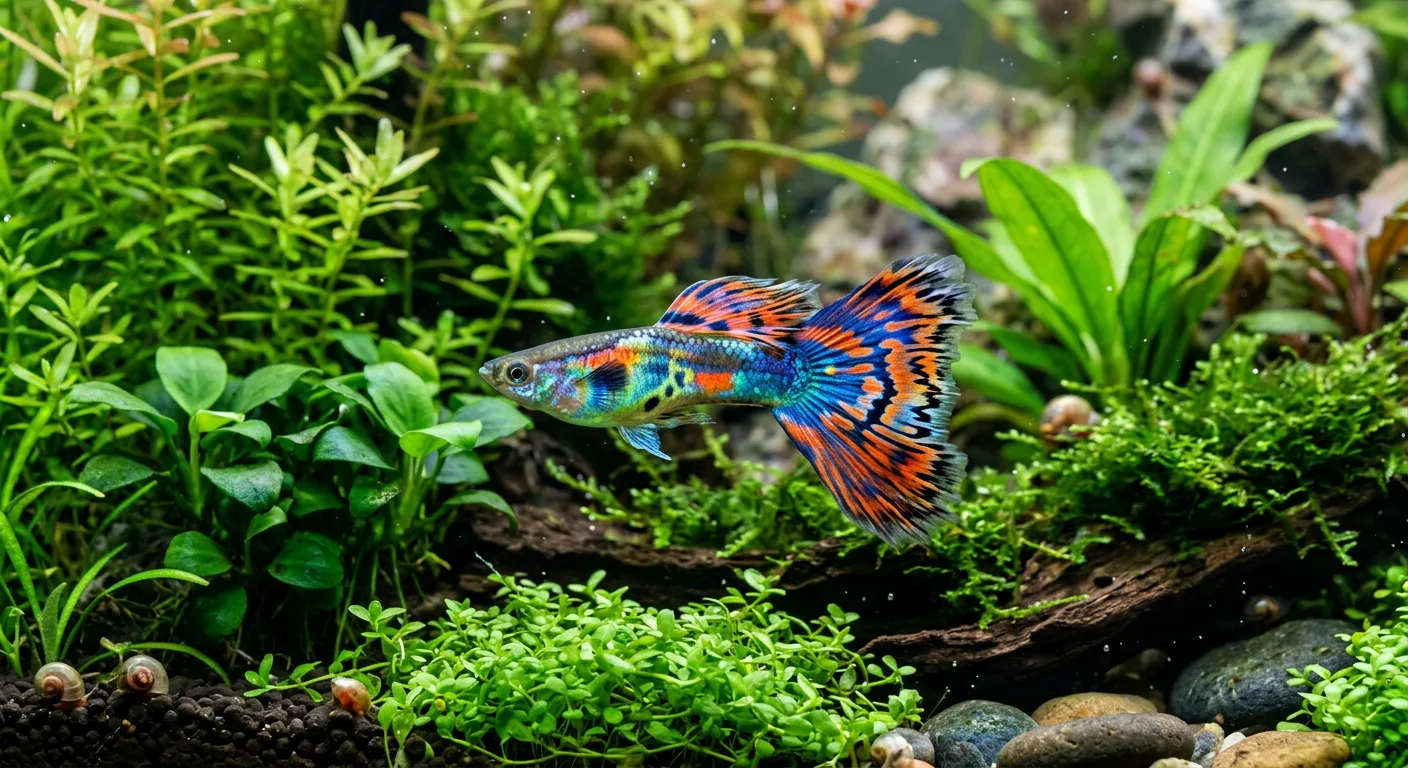
What to monitor
- Take photos from a similar angle and note whether the visible damage changes.
- Record appetite, breathing, swimming and other behavior.
- Keep water readings and all treatment instructions together.
- Do not use a clear fin edge or a set number of days as proof that a condition is resolved.
When to move the fish back
If a fish was separated, ask the treating professional when it is appropriate to return it. The decision depends on the reason for separation, the fish’s condition, water conditions and any product directions; there is no universal one-week rule. If advised, acclimate it carefully as described in our guide to acclimating guppies.
Is guppy fin rot contagious?
What can be determined
With suspected guppy fin rot, fin appearance alone cannot show whether an infectious cause is involved. Fish in one system share water and environmental conditions, so more than one fish showing changes is important information to report. Do not assume the condition is noninfectious, or that every fish should automatically receive medication.
Should you quarantine other fish?
Whether to separate an affected fish or change the group setup depends on the case and on whether a suitable separate system is available. Ask a fish-health professional rather than applying a universal quarantine rule. If several fish show signs, record which fish are affected and seek advice. For planning around new arrivals, see our guide to how to acclimate guppies.
Fin damage and tank mates
Fin nipping may be one possible source of injury. Before adding companions, read guppies with angelfish, guppies with goldfish and guppies with corydoras for general compatibility information.
How to prevent guppy fin rot
Monitor water and keep the system stable
Most guppy fin rot prevention is routine care. Use a functioning, cycled filter and a maintenance routine suited to the tank, its stocking and measured water conditions. Test when fish appear unwell, and check that replacement water is suitable for the system. See can guppies live in tap water and ideal pH for guppies for general husbandry information.
Plan stocking and growth
Consider tank volume, filtration and expected growth when planning stock. Use our 30 gallon stocking guide as general background, not a substitute for assessing a particular system.
Check decor and tank compatibility
Inspect decorations and equipment for possible injury risks, and consider whether tank mates may nip fins or cause stress. Keep the male to female balance in mind; see male to female guppy ratio.
Feed appropriately
Offer an appropriate varied diet and avoid leaving uneaten food in the tank. Nutrition is part of overall care, but a fin change alone does not show that diet is the cause.
Choose and introduce fish carefully
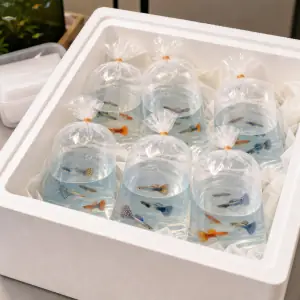
Observe new fish and follow an introduction or quarantine plan appropriate to your setup; healthy-looking fins do not guarantee that a fish is free from disease. When you are choosing fish, browse our male guppies or premium guppy pairs, shipped live from Vietnam, and follow a careful arrival routine.
Common mistakes when treating guppy fin rot
- Diagnosing guppy fin rot by appearance: Fin color, shape or fraying does not identify bacteria, fungus or another cause.
- Using a fixed water-change percentage: Water changes should respond to measured conditions and safe replacement water, not a universal fin-damage schedule.
- Moving every fish to a hospital tank: Isolation and tank setup depend on the case; a transfer can add handling and environmental changes.
- Choosing medication by symptom or label phrase alone: Ask a fish-health professional whether treatment is warranted and follow the exact directions for the case.
- Combining products or redosing on your own: Do not combine or repeat doses after water changes unless the product directions or treating professional specifically instruct you to.
- Assuming a visual change proves recovery: Record photos and behavior, and follow the treatment or reassessment plan.
- Ignoring worsening signs or multiple affected fish: Seek fish-health advice when the problem progresses or spreads through the group.
- Trimming a fin at home: Do not cut or trim tissue unless a fish-health professional directs you.
Guppy fin rot tips for beginners and experienced keepers
For beginners
- Keep a water test kit and write down readings so you can compare them over time.
- Take a clear photo when you first notice a change; use it to document progression, not to diagnose the cause.
- Avoid adding several products at once. Keep a record of anything used and ask a fish-health professional for a treatment plan.
For experienced keepers
- Keep records of water readings, maintenance, new fish, symptoms and any treatments.
- A spare cycled sponge filter can be useful as part of a prepared system, but a filter alone does not make a new tank ready for fish.
- Plan introduction or quarantine procedures for new fish that fit the species, system and available equipment; ask a fish-health professional when disease is suspected.
Healthy fins start with a solid routine — the same routine that prevents most guppy fin rot. For the full routine, return to our guppy care guide, and see the fin rot article on Wikipedia for general background on the term in fish.
Veterinary and diagnostic references
- Merck Veterinary Manual: Bacterial Diseases of Fish — discusses fish bacterial disease, environmental stressors, organism identification and sensitivity testing.
- UF/IFAS: Submission of Fish for Diagnostic Evaluation — explains fish-health history, water testing and diagnostic evaluation.
- UF/IFAS: Use of Antibiotics in Ornamental Fish Aquaculture — aquaculture guidance on bacterial indications, sensitivity, treatment regimen and stressors; it is not a home-aquarium prescription.
- UF/IFAS: Ammonia in Aquatic Systems — explains testing, source-water ammonia, and how pH and temperature affect ammonia toxicity.
- U.S. FDA: Ornamental Fish Drugs and You — U.S.-specific information about ornamental-fish drug regulation; readers elsewhere should check local rules.
These sources provide general fish-health information and do not constitute a diagnosis or veterinarian sign-off for guppies. The UF/IFAS antibiotic publication addresses ornamental fish aquaculture, and the FDA reference applies to the United States.
Quick guppy fin rot treatment checklist
- Record when the fin change began, which fish are affected and any appetite, breathing or behavior changes.
- Test and write down ammonia, nitrite, nitrate, pH and temperature; note the water source and recent changes.
- Inspect for possible injury or stressors such as fin nipping, sharp decor, handling or a recent tank change.
- Do not use a fixed water-change percentage as a fin-rot treatment plan; use measurements and system-appropriate advice.
- Contact a fish-health professional for progressive damage, bleeding, ulcers, behavior or appetite changes, or more than one affected fish.
- Do not choose antibiotics, antifungals, salt doses or a hospital-tank setup from a photo or this checklist.
- If treatment or separation is recommended, follow the case-specific instructions and keep a log of readings, changes and products.
For signs of other common health problems beyond guppy fin rot and fin damage, see our guide to guppy health problems and diseases.
FAQ
Can guppy fin rot cure itself?
Some fin damage may improve after an injury or water-quality problem is addressed, but the term “fin rot” does not identify the cause. If damage progresses, there is bleeding or an ulcer, the fish’s behavior changes, or more than one fish is affected, seek fish-health advice instead of assuming it will resolve on its own.
What does guppy fin rot look like?
People use “fin rot” for frayed, shortened or changing fin edges, but these observations can have different causes. Color, shape or visible growth alone cannot confirm bacteria or fungus. Record the changes and share them with a veterinarian experienced with fish or a fish-health diagnostic laboratory.
Is guppy fin rot fatal?
Severe fish illness can become life-threatening, but fin appearance alone cannot establish the cause or prognosis. Seek prompt professional assessment for worsening damage, bleeding, ulcers, changes in appetite or behavior, or several affected fish.
Can I use aquarium salt for guppy fin rot?
This article does not recommend a salt dose or present salt as a fin-disease cure. Whether salt is appropriate depends on the fish and system, so ask a fish-health professional before using it. Our aquarium salt guide is general background only.
How long does a guppy fin rot tail take to grow back?
There is no reliable one-size timeline that can be estimated from appearance alone. The cause, extent of damage, water conditions and case-specific care matter. Ask a fish-health professional to reassess the fish if signs progress or its condition changes.
When should I start guppy fin rot treatment in a separate tank?
Do not decide from a “moderate” or “severe” visual label alone. Whether to separate a fish depends on the suspected problem and whether a suitable, stable separate system is available. Ask a fish-health professional; handling and environmental changes can also be stressors.
Why does guppy fin rot keep coming back?
Recurring fin changes warrant a review of water readings, possible injury, recent changes and the health of other fish. Several factors can be relevant, and appearance alone cannot identify one cause. Keep records and ask a fish-health professional to assess the pattern.
Behind the care guides
Care begins with steady systems
Our guppy guides focus on practical routines: keep water stable, observe fish closely and allow for natural variation.
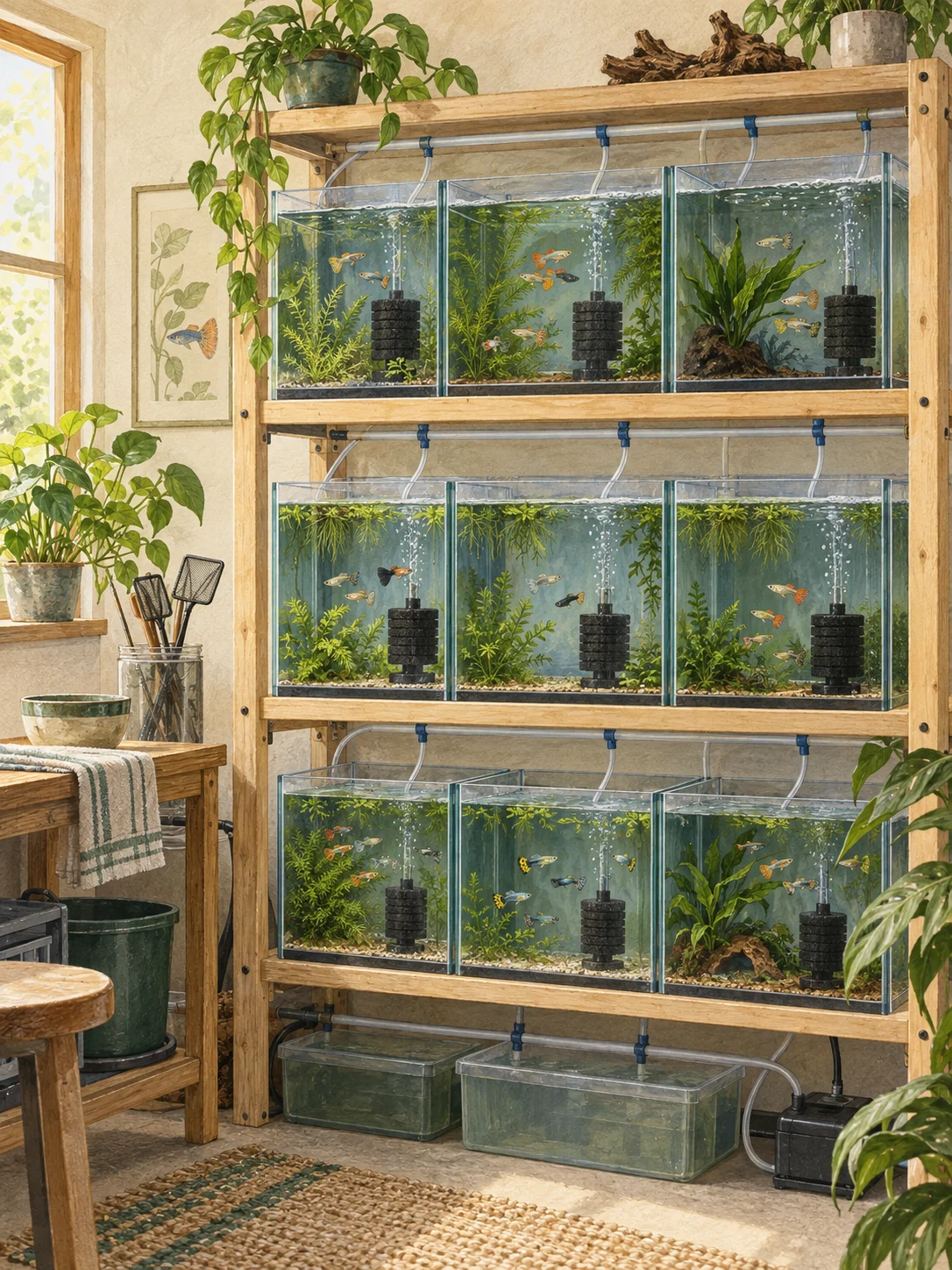
Care systems
Steady water, thoughtful care
Gentle filtration and regular observation support healthy aquarium routines.
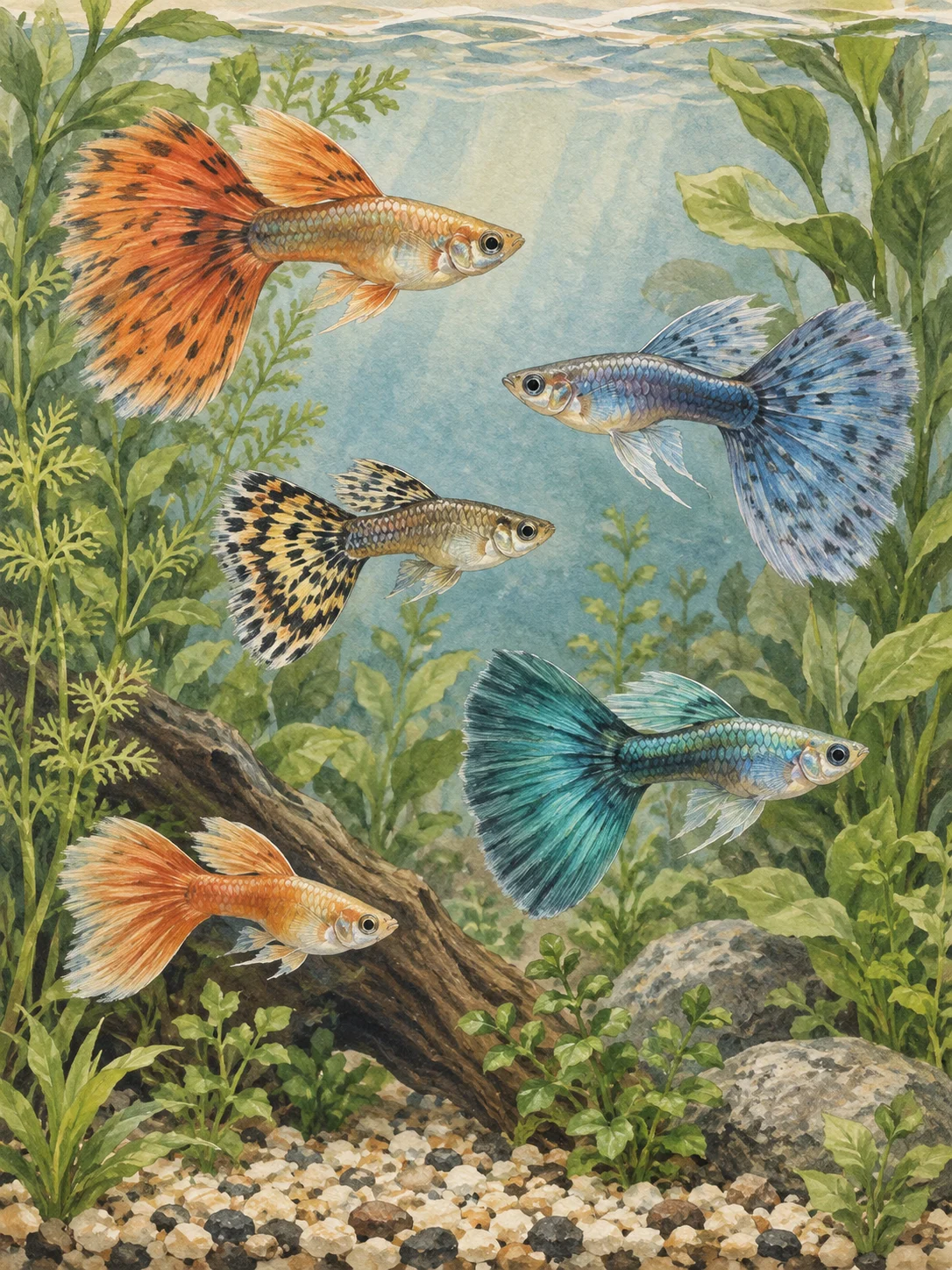
Natural variation
Every guppy is different
Color, size and fin shape vary with strain, age and each individual fish.
Editorial illustrations for context; they do not depict HiGuppy's exact facility or current fish stock.