The HiGuppy Journal
How to Acclimate Guppies: Step-by-Step Float and Drip Methods
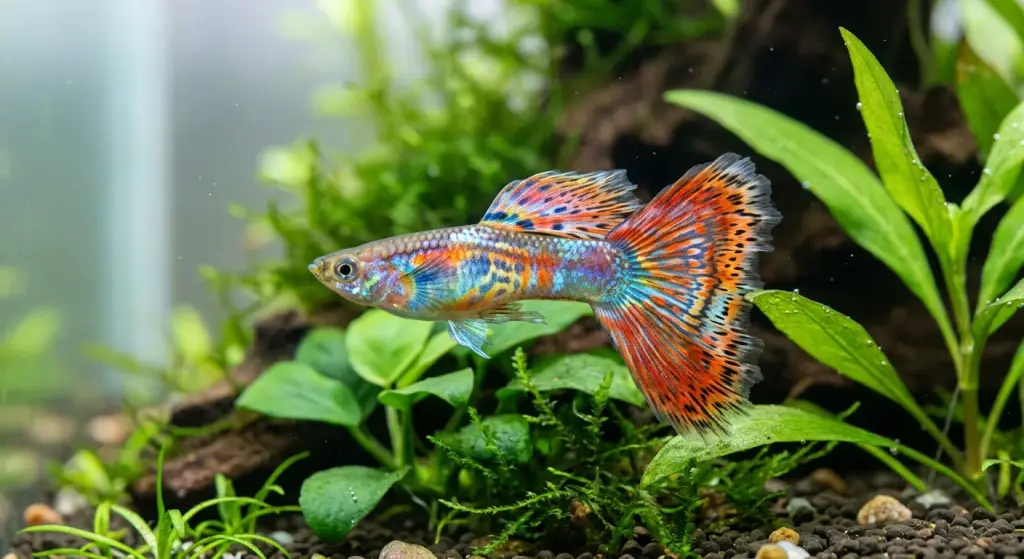
How to acclimate guppies? Float the sealed bag in your tank for about 15 minutes to match temperature, then slowly mix small amounts of tank water into the bag over 30 to 60 minutes before netting the fish into the tank. Our guppy care guide covers the rest of the setup.
Knowing how to acclimate guppies properly is the best way to protect new arrivals from stress, especially after a long trip in a bag. This guide gives a simple step-by-step method, a comparison of the two common techniques, and the mistakes to avoid.
Why you need to know how to acclimate guppies
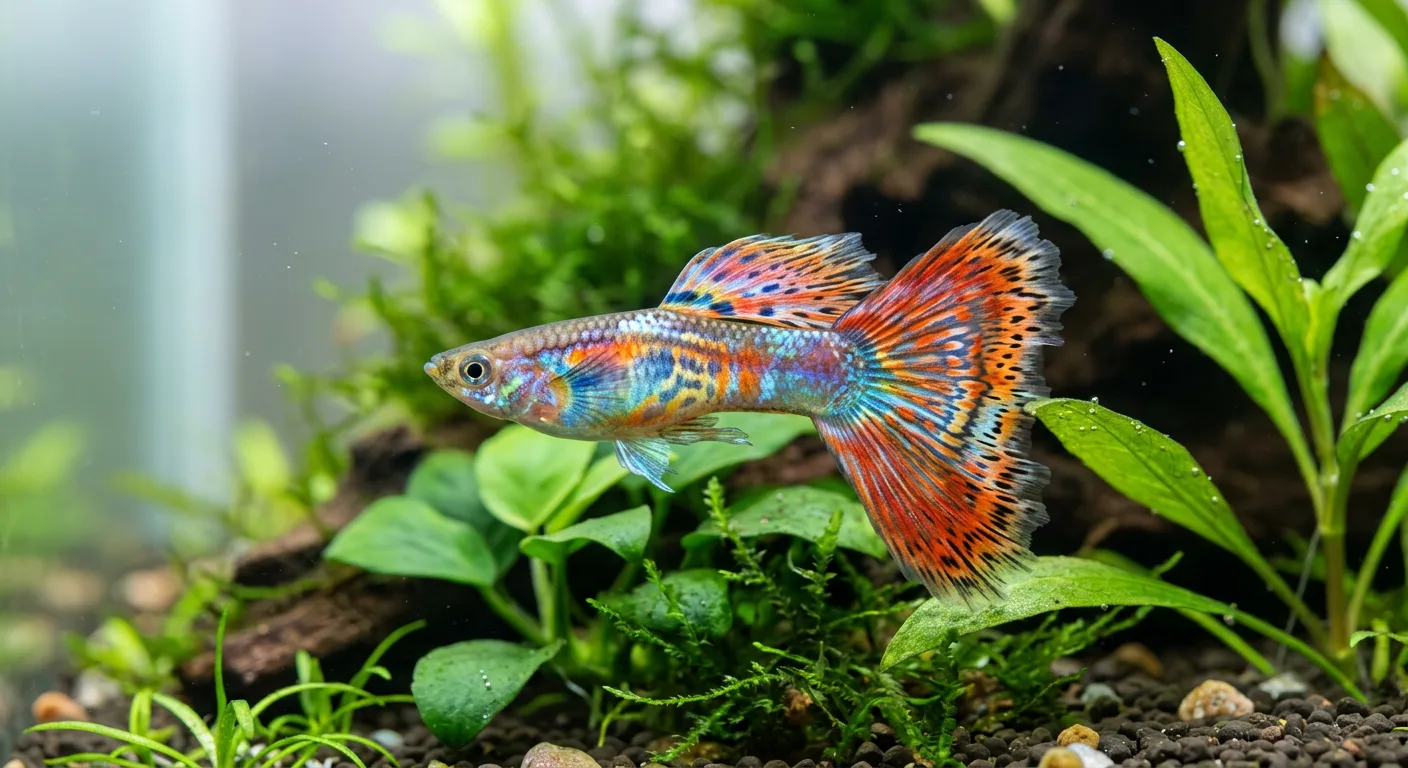
Guppies that travel in a bag spend hours in water that slowly changes. Temperature, pH and dissolved minerals in the bag can differ from your tank. Dropping fish straight into new water can shock them. Learning how to acclimate guppies gives their bodies time to adjust, which lowers the risk of clamped fins, hiding and early losses.
Live guppies shipped from a breeder are tough, but they are still tired when they arrive. A calm, slow introduction helps them settle and start eating sooner.
Before the fish arrive
- Set up and cycle the tank first. Our guide on whether guppies need a heater explains stable warm water.
- Treat tap water with a dechlorinator. See can guppies live in tap water.
- Dim the lights or turn them off while you work.
- Have a clean bucket or container, a net and, for the drip method, airline tubing.
Step-by-step: how to acclimate guppies with the float method
The float method is the simplest way for beginners who want to learn how to acclimate guppies without extra gear.
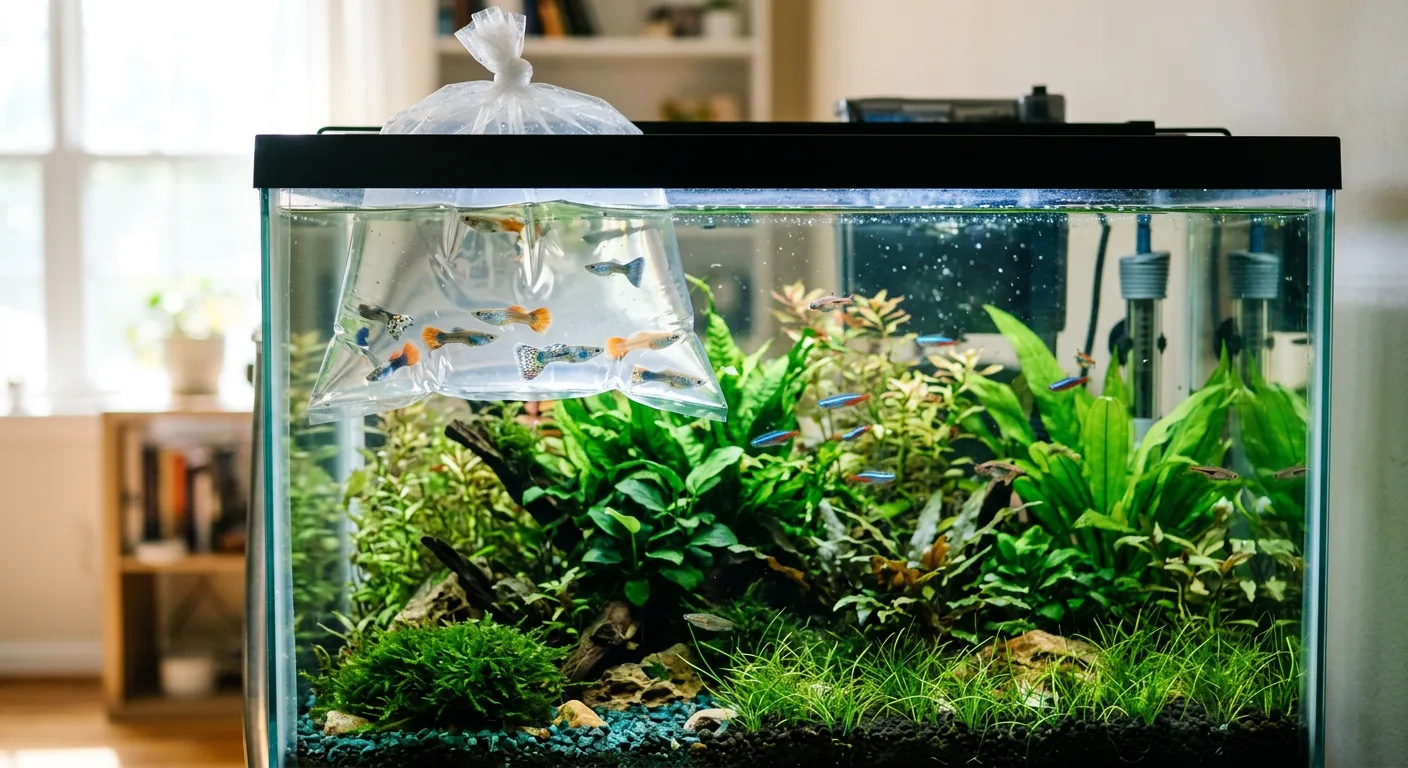
- Turn the tank lights off or dim them.
- Float the closed bag on the water surface for about 15 minutes so the temperature evens out.
- Open the bag and roll the top down so it floats upright.
- Add a small amount of tank water, roughly a quarter cup, every 5 to 10 minutes.
- After 30 to 60 minutes, gently net the guppies into the tank.
- Discard the bag water instead of pouring it into your aquarium.
The drip method for sensitive or valuable fish
If your tank water differs a lot from the bag, or you are adding expensive breeders, drip acclimation is gentler. It changes the water slowly and steadily.
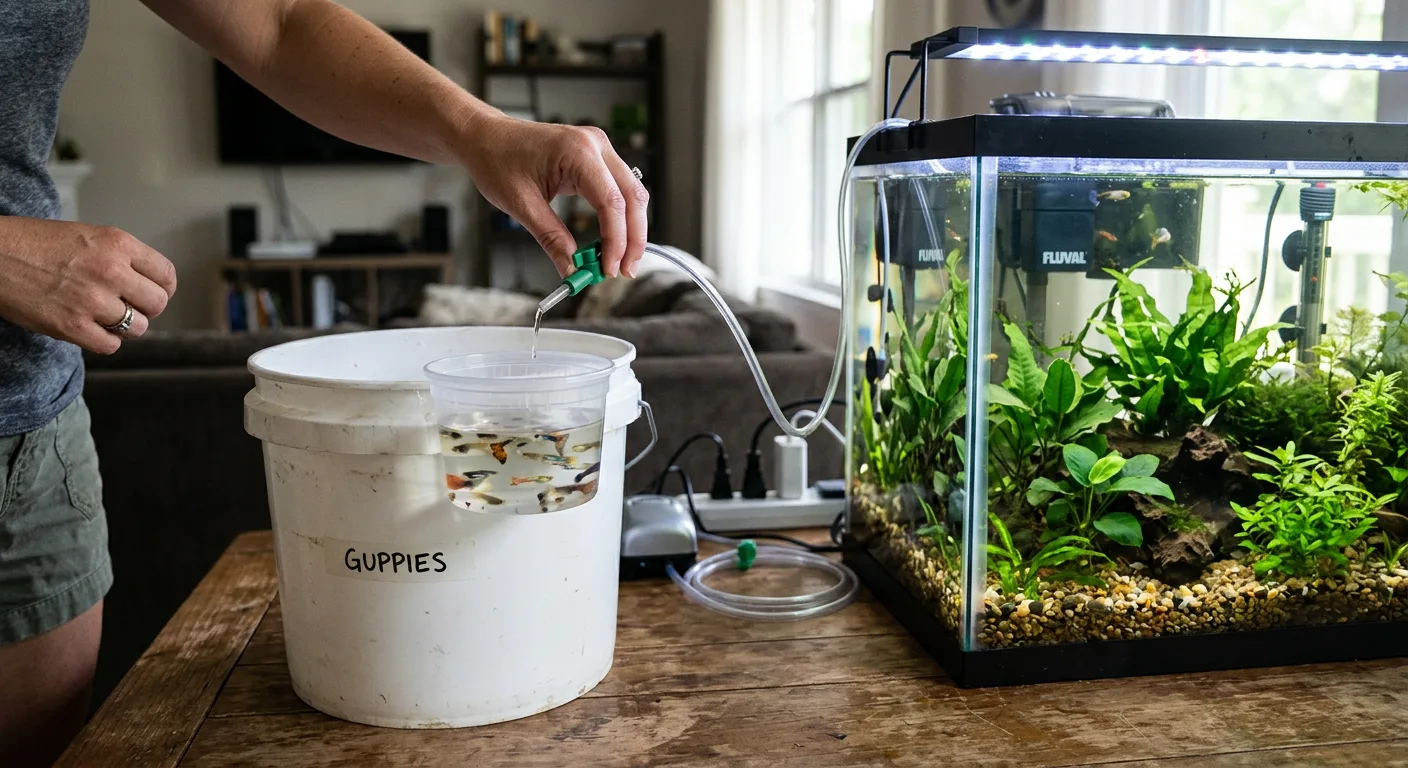
- Float the sealed bag for about 15 minutes.
- Pour the guppies and their bag water into a clean container.
- Run airline tubing from the tank into the container, with a knot or valve to slow the flow to a drip.
- Let the water volume roughly double over 30 to 60 minutes.
- Net the guppies into the tank and discard the container water.
Float method vs drip method
| Factor | Float method | Drip method |
|---|---|---|
| Equipment | Net only | Tubing and a container |
| Time | About 30 to 60 minutes | About 30 to 60 minutes |
| Best for | Similar water, hardy fish | Different water, valuable fish |
| Difficulty | Easy | Moderate |
Either way, the idea behind how to acclimate guppies is the same: change temperature and water chemistry slowly, never all at once.
After release: the first 48 hours
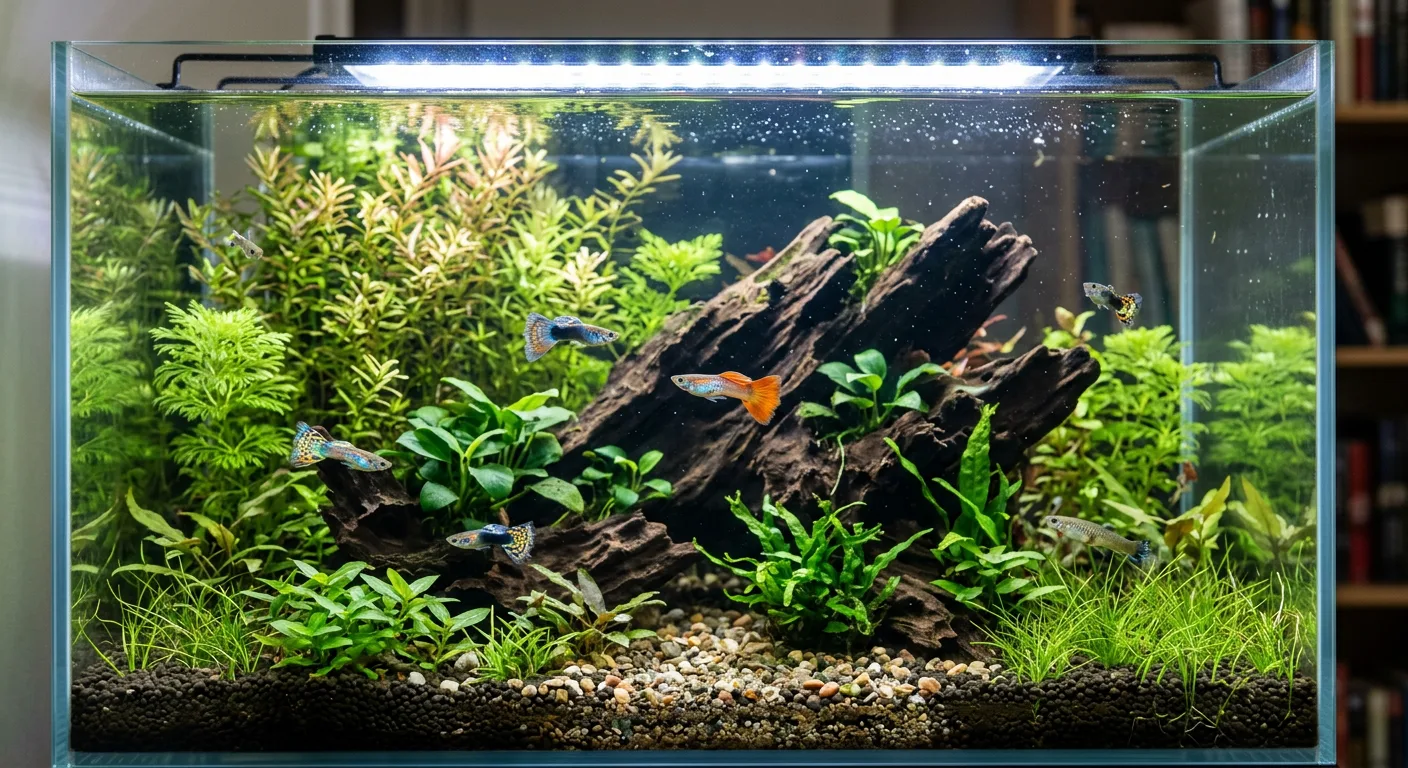
Keep the lights dim for the first few hours. Offer a small feeding the next day; a hungry guppy that is stressed may ignore food at first. If you are unsure how much to offer, read how long guppies can go without food. Watch for clamped fins, hiding or gasping, and test the water if anything looks off.
If you are adding several fish, our guide on how many guppies to buy helps you avoid overcrowding. You can also browse live male guppies in our shop.
How to acclimate guppies when water parameters differ
Sometimes the bag water and your tank are far apart, for example soft water in the bag and harder tap water at home. In that case, take longer and add water in smaller steps. Guppies are generally adaptable, but a sudden jump in pH or hardness is still a shock. If you can, test your tank with a liquid kit before the fish arrive and ask the seller about the water they were kept in.
Temperature matters most. Guppies are tropical fish, so a stable, warm tank helps them recover from transport. A thermometer in the tank and one in the container let you confirm the two match before release.
What to watch for during acclimation
- Fish gasping at the surface, which can mean low oxygen in the bag.
- Fins held tightly against the body, a common stress sign.
- Fish lying at the bottom for long periods.
- Sudden dashing or jumping, so keep the container covered or the water level low.
If a fish looks weak, do not stretch the process out. Release it into the calm tank and keep lights low.
Acclimating fry and juveniles
Young guppies are smaller and more delicate, so use the same slow method but keep the container shallow and the drip even slower. Avoid netting them more than needed; a small cup works better than a net for tiny fish. Keep the tank quiet afterward and offer finely crushed food in small amounts so they can eat without competition from bigger tank mates.
Quarantine and new guppies
Many keepers place new fish in a small quarantine tank for a couple of weeks before joining an existing group. This lets you watch appetite and behavior and avoid spreading problems to healthy fish. If a quarantine tank is not possible, at least keep the new arrivals under observation for the first week. Our guide on why a guppy is shaking helps you tell normal stress from a real problem.
Whichever route you choose, a good acclimation routine is a small habit that pays off every time you bring home new fish, whether it is a single male, a pair or a larger group.
Common mistakes when you acclimate guppies
- Pouring bag water into the tank, which can add waste and unknown contaminants.
- Rushing the process because the fish look active.
- Bright lights and noise during release.
- Adding fish to an uncycled tank.
- Skipping a temperature check with a thermometer.
For background on the species, see the Wikipedia guppy overview. For everyday routines after release, go back to the full complete guppy care resource.
FAQ
How long should I acclimate guppies?
Plan on about 30 to 60 minutes. Fish moving between very different water may benefit from the longer end, but avoid leaving them in a bag for hours.
Do I need to acclimate guppies if the water looks the same?
Yes. Water that looks identical can still differ in temperature, pH or hardness, so a short, gentle acclimation is a safe habit.
Should I put the bag water in my tank?
No. Net the guppies out and discard the bag water so you do not add waste or unwanted substances to your aquarium.
Should the lights be on when I add guppies?
Keep them dim or off. Low light helps new fish feel less exposed and reduces stress during the first hours.
What if my guppies hide after acclimation?
Hiding is common for the first day or two. Provide plants for cover, keep the tank quiet and check the water if the behavior continues.
Behind the care guides
Care begins with steady systems
Our guppy guides focus on practical routines: keep water stable, observe fish closely and allow for natural variation.

Care systems
Steady water, thoughtful care
Gentle filtration and regular observation support healthy aquarium routines.

Natural variation
Every guppy is different
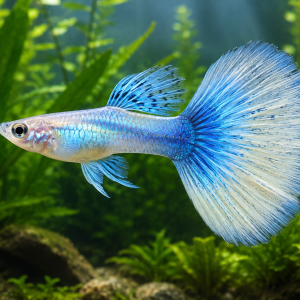
Color, size and fin shape vary with strain, age and each individual fish.
Editorial illustrations for context; they do not depict HiGuppy's exact facility or current fish stock.