The HiGuppy Journal
Can Guppies Live With Angelfish? Risks and Safer Options
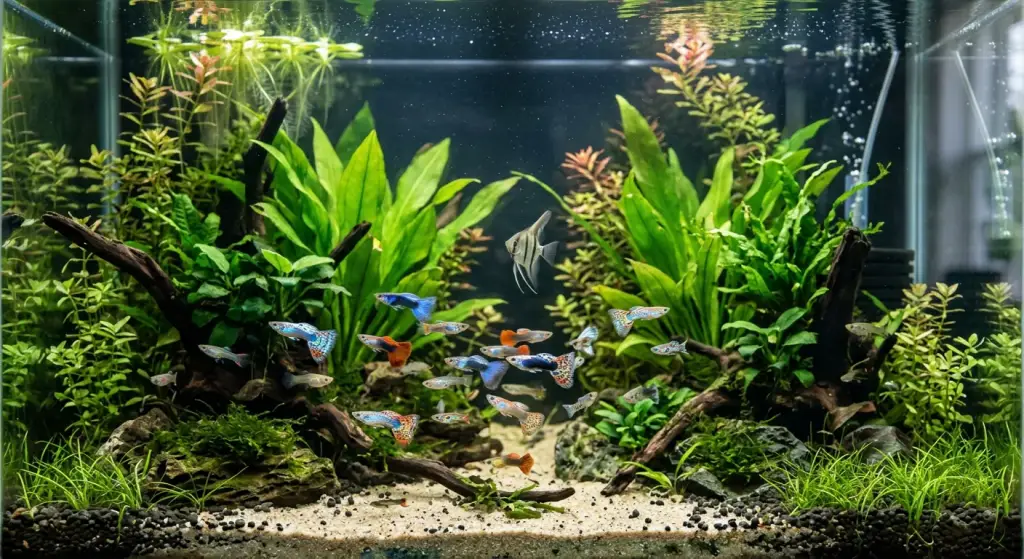
Can guppies live with angelfish? Usually not safely. Angelfish are cichlids and grow large enough to see small guppies and fry as food, so a mixed tank often ends with missing guppies. Only a big, heavily planted tank gives it a fair chance. Our guppy care guide covers the basics that help any tank mix work.
If you already own angelfish or love the look of them, this guide explains the risks, when the pairing can work, and what to keep with guppies instead.
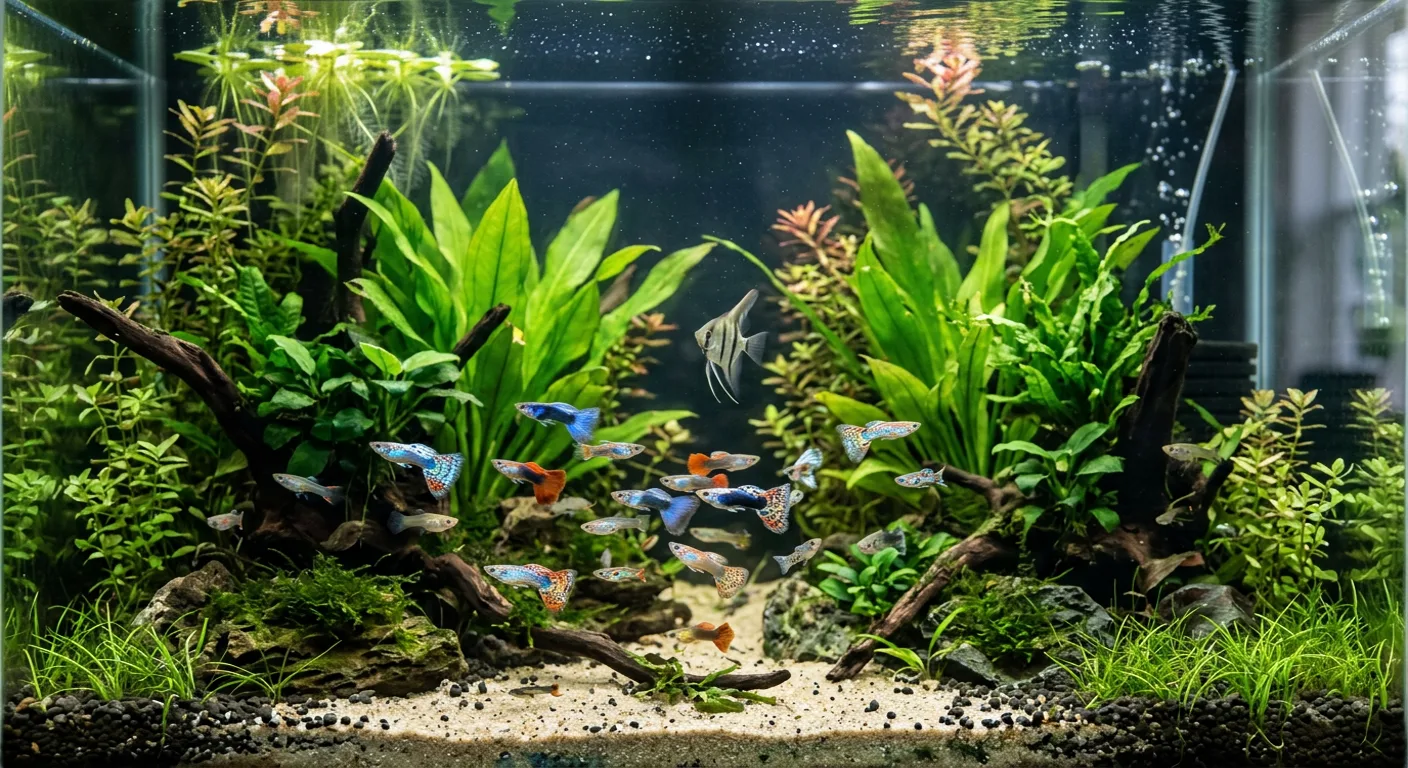
Can guppies live with angelfish? The honest answer
The question of whether guppies can live with angelfish comes down to size and mouth. A full-grown angelfish is much taller and longer than a guppy, and cichlids hunt small fish by instinct. An adult guppy is only a few centimeters long, which fits easily into an angelfish mouth.
Water needs overlap well. Both fish do fine in warm, stable, freshwater tanks. That is why the mix looks tempting, but matching water does not cancel out the predator risk.
Why angelfish and guppies are a risky mix
Angelfish are opportunistic predators
Angelfish eat small live food in nature. Newborn guppy fry are the easiest target, and they will usually vanish quickly. Adult guppies are safer, but a hungry or growing angelfish may still go after them.
Guppy fins draw attention
Fancy males carry long, bright tails that move constantly. That movement can trigger chasing. Guppies may also nip the long trailing fins of angelfish, which stresses both species.
Different activity levels
Guppies are active and dart around. Angelfish prefer slow, tall swimming and can get stressed by busy tank mates. For general behavior problems, see why guppies chase each other.
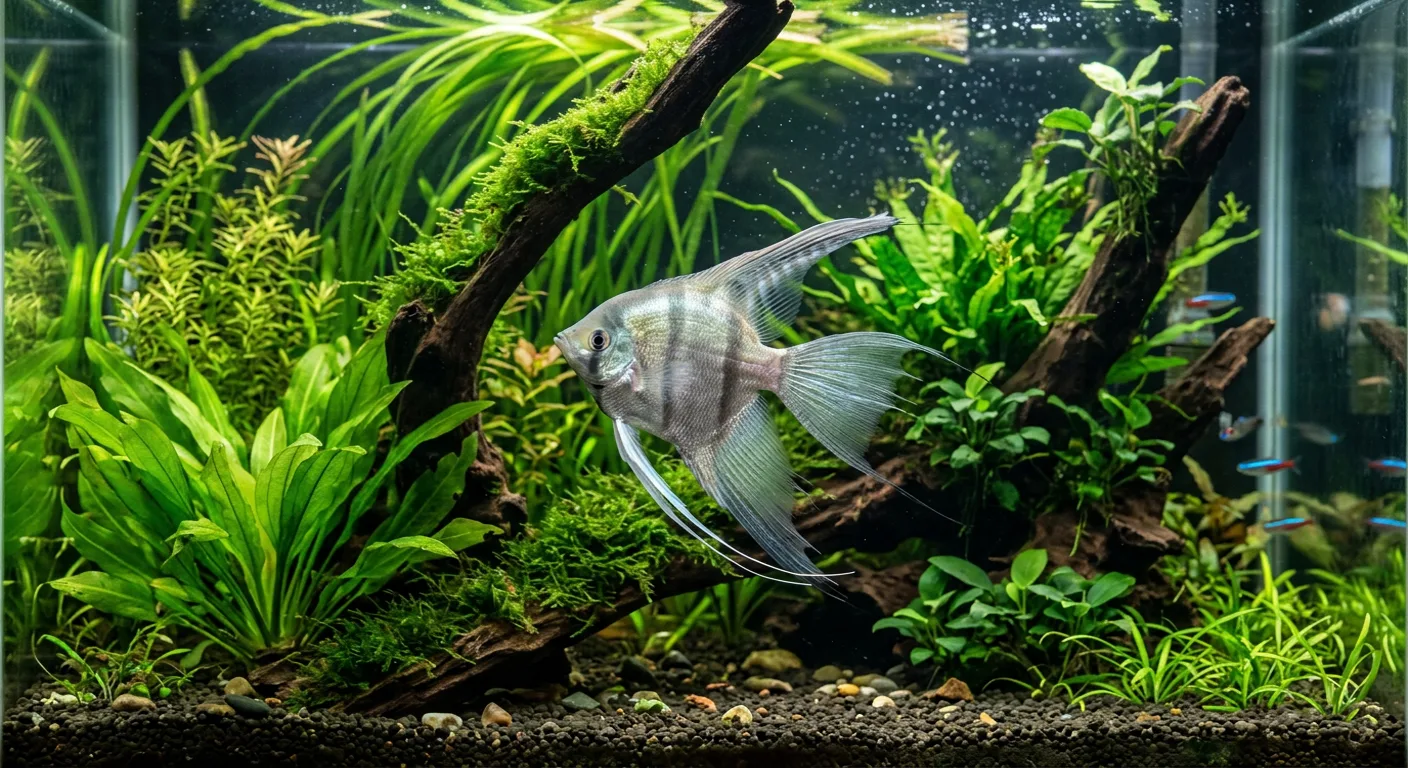
Quick comparison: guppies vs angelfish
| Trait | Guppy | Angelfish |
|---|---|---|
| Fish family | Livebearer | Cichlid |
| Adult size | Small, a few centimeters | Tall and much larger |
| Temperament | Peaceful, active | Can be predatory and territorial |
| Swimming style | Quick, all levels | Slow, upright, mid to upper |
| Tank shape | Fine in standard tanks | Prefers tall tanks |
| Fry risk | Gives birth to fry | Likely to eat them |
When guppies can live with angelfish
If you still want to try it, your odds improve with a few conditions. None of these are guarantees, so watch the tank closely.
- Use a large, tall tank. More space gives guppies room to stay out of reach. A tight tank turns every meeting into a chase.
- Add guppies of adult size. Never add fry or very small juveniles to an angelfish tank.
- Plant heavily. Dense stems, floating plants and driftwood create cover. Our best live plants for guppies list is a good start.
- Keep angelfish well fed. A hungry cichlid is more likely to hunt.
- Add guppies first or add a larger group. A bigger school spreads out attention, but stay ready to separate fish.
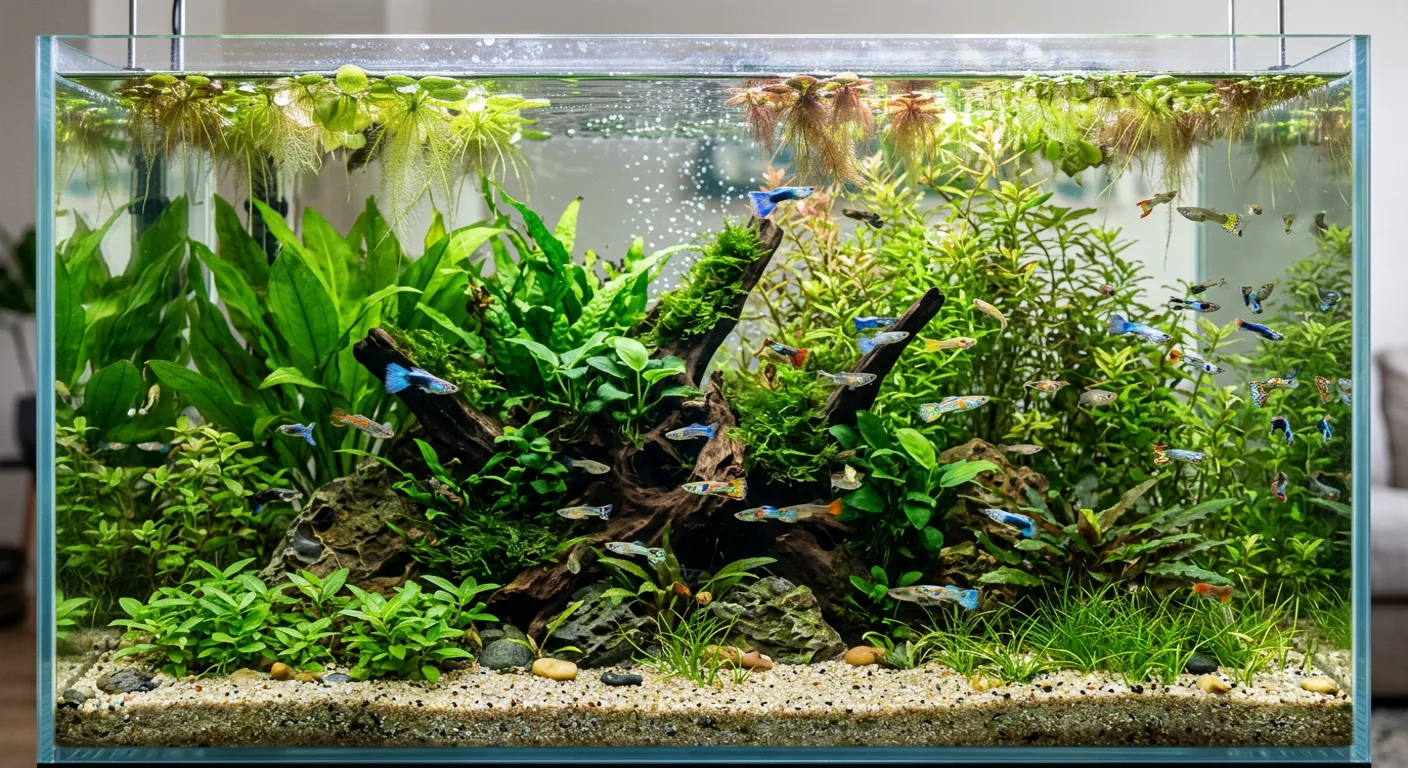
Signs the mix is not working
- Guppies disappear without a body.
- Fins are torn, or one guppy hides all day.
- Angelfish stare at or follow guppies near the top.
- Guppies cluster in one corner or refuse to eat.
If you see these signs, move one species to a second tank. Keep a spare tank or a hospital setup ready, like in our hospital tank guide.
Better tank mates for guppies
Guppies do best with small, peaceful fish that will not eat fry. Good options include small peaceful rasboras, Corydoras catfish and snails, though fry may still be lost with any fish. Our full list of best tank mates for guppies goes deeper. You can also read about guppies and bettas, which carry their own risks.
Often the best tank for guppies is a guppy-only tank. It lets males show full color, keeps fry safe and makes feeding simple. Browse our live male guppies to start a colorful group. Cichlids are a separate group of fish, as described on Wikipedia.
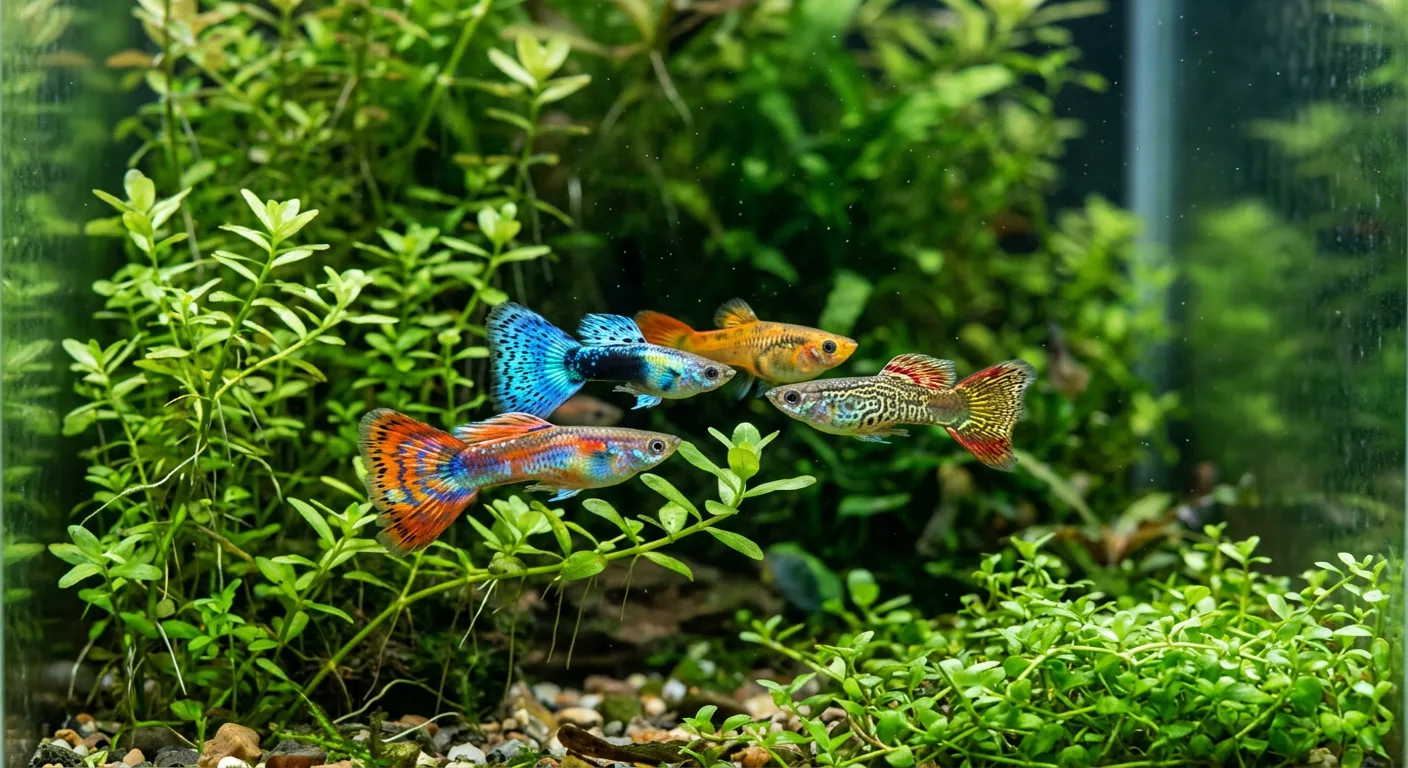
Tank size and setup tips
Angelfish need height for their fins, while guppies need open water and cover. Tank size matters, and our guide on how many guppies per gallon helps you avoid crowding. Keep the water clean, stable and warm, since stress makes both species more prone to disease.
For a full overview of care, return to our complete guppy care basics.
What to do if you already keep both
If your tank already holds guppies and angelfish, do not panic. Start by watching feeding time. This is when chasing usually shows up, because everyone is active and the angelfish are alert. Feed the angelfish first and make sure they eat well, then feed the guppies on the other side of the tank.
Next, check the layout. Open sand with no cover is the worst case for guppies. Add tall stems, floating plants and a piece of driftwood so they can break the line of sight. A thick cluster of plants near the surface also gives guppy mothers a place to drop fry, though some fry may still be lost.
Finally, keep a backup plan. A small spare tank, even a simple cycled one, lets you move fish quickly if injuries start. Moving a stressed guppy early is much easier than treating torn fins and infection later. Our quarantine guide shows how to set up a temporary tank without much fuss.
Angelfish alternatives that look elegant
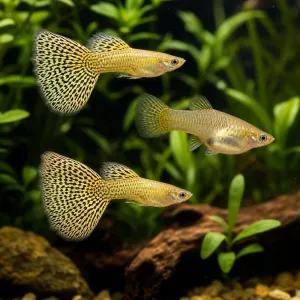
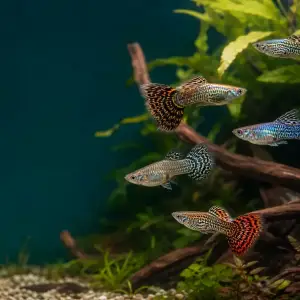
Many people want angelfish for the tall, graceful shape. If that is the goal, you can get a similar feel with a school of guppies that have long, flowing tails. Delta-tail and veil-tail males move slowly in a calm tank and fill the space with color. Our guppy tail types guide shows which shapes to look for.
A tall tank with floating plants, a few leaves and a group of well-colored males can feel just as striking as a cichlid display, without the worry about hunting behavior. Keep more females than males, or a males-only group, so the fish stay calm.
Feeding and water care in a mixed tank
Mixed tanks produce more waste, so clean water matters even more. Angelfish eat larger portions than guppies, and leftovers can foul the water quickly. Feed small amounts, remove uneaten food after a few minutes and keep up with regular partial water changes. Test the water often, since ammonia and nitrite hurt small fish first. Our guppy tank maintenance schedule gives an easy routine to follow.
Flake food suits guppies, while angelfish may also take small pellets. Watch that the guppies get their share and are not pushed away. Variety helps both species keep their color and stay healthy. Avoid overfeeding, because it is one of the most common causes of cloudy water and sick fish in any community tank.
FAQ
Can guppies live with angelfish?
It is risky. Angelfish are cichlids that grow large enough to eat small guppies and almost always eat fry. Adult guppies in a big planted tank sometimes survive, but there is no guarantee.
Will angelfish eat adult guppies?
They can. Smaller or weaker guppies are most at risk, especially when the angelfish are hungry or have grown large.
Can baby angelfish live with guppies?
Young angelfish are small and often leave guppies alone at first. As they grow, the risk rises, so plan a separate tank for later.
What fish are safe with guppies instead?
Small peaceful fish such as Corydoras, small rasboras and snails are common choices. Always watch for fin nipping and lost fry.
How can I protect guppy fry in a community tank?
Use dense plants or a breeding box, or raise fry in a separate tank. Our guide on raising guppy fry has more detail.
Behind the care guides
Care begins with steady systems
Our guppy guides focus on practical routines: keep water stable, observe fish closely and allow for natural variation.

Care systems
Steady water, thoughtful care
Gentle filtration and regular observation support healthy aquarium routines.

Natural variation
Every guppy is different
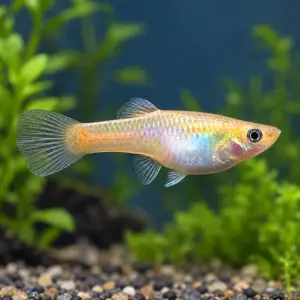
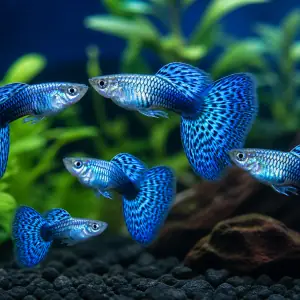
Color, size and fin shape vary with strain, age and each individual fish.
Editorial illustrations for context; they do not depict HiGuppy's exact facility or current fish stock.