The HiGuppy Journal
Can Guppies Eat Daphnia? Live, Frozen and Dried Guide
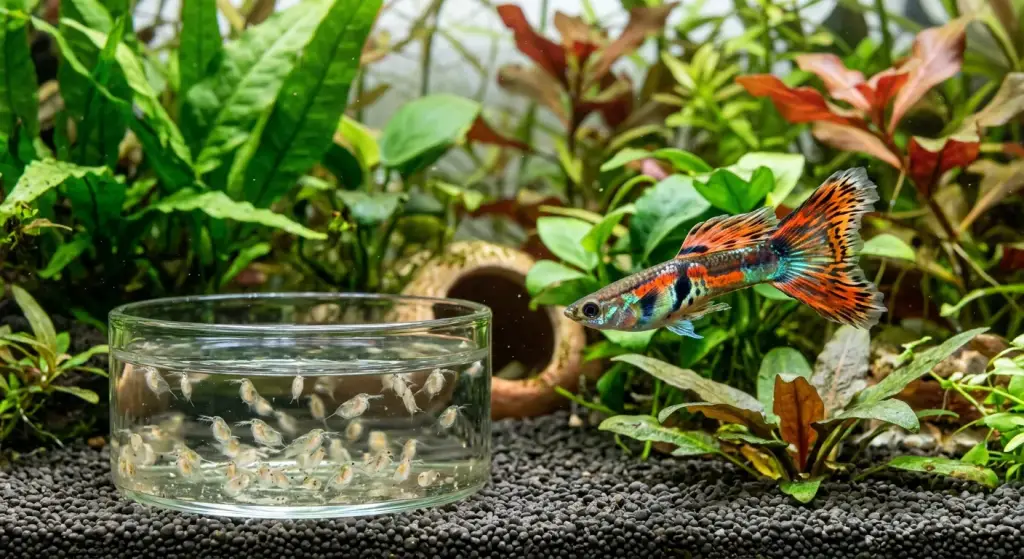
Can guppies eat daphnia? Yes, guppies can eat daphnia, and it is one of the best treats you can offer. Live, frozen and freeze-dried daphnia are all accepted, they are easy to digest, and they add variety to a flake or pellet diet. Our complete guppy care guide shows where daphnia fits in a feeding routine.
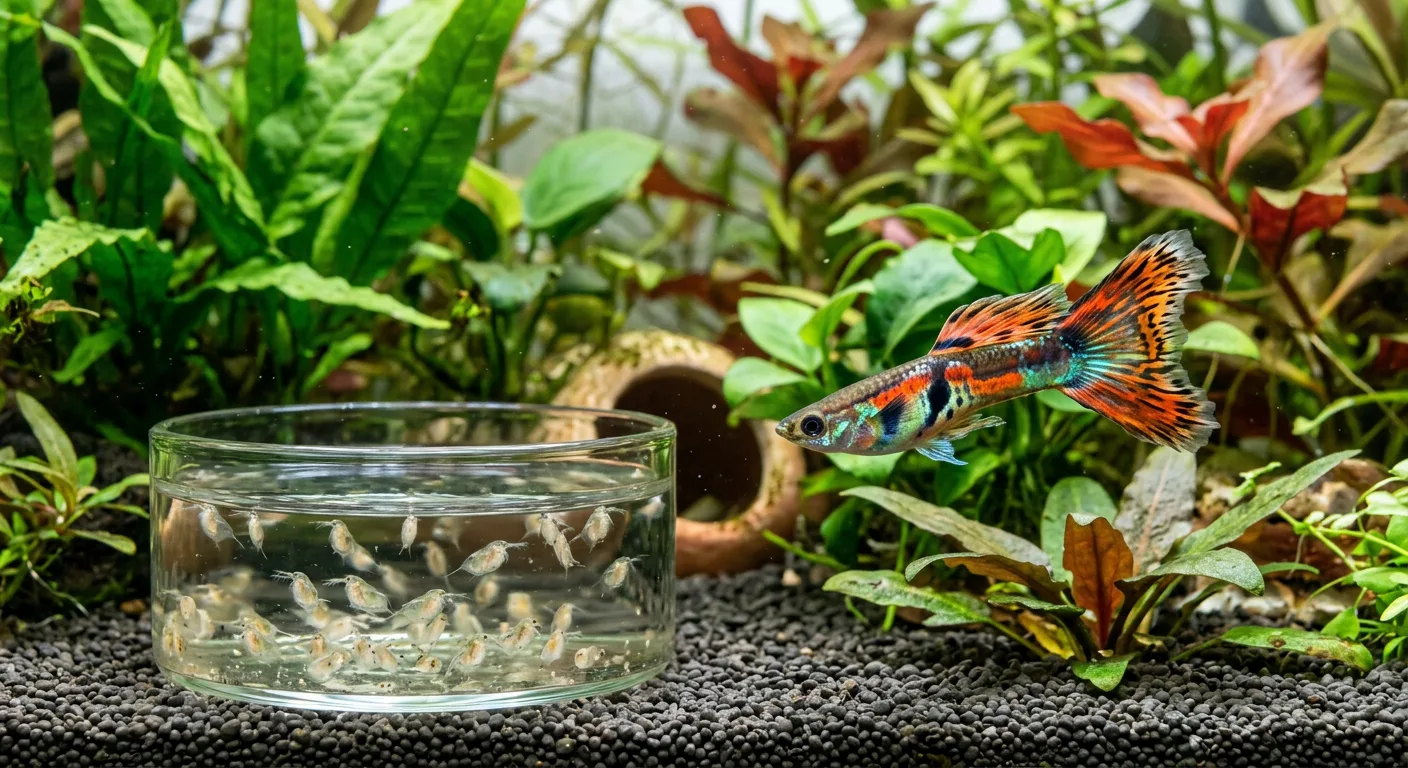
Daphnia are tiny freshwater crustaceans, often called water fleas. Many fishkeepers like them because guppies hunt them eagerly, and the movement encourages natural feeding behavior. This guide explains whether guppies can eat daphnia in each form, how much to give, and how to avoid common mistakes. Treat the amounts below as general guidance and adjust to your own fish.
Can guppies eat daphnia safely?
Daphnia are a natural food for many small freshwater fish, and guppies are happy to eat them at every life stage. Adults can eat whole daphnia, while very small fry may need crushed or very small pieces. Because daphnia have a fairly tough outer shell, many keepers feel they help keep a varied diet and are gentle on digestion compared with heavy, fatty foods. Daphnia should still be a supplement, not the only food.
| Form | Convenience | Good to know |
|---|---|---|
| Live daphnia | Needs a culture or a supplier | Stimulates hunting; source from a clean supplier |
| Frozen daphnia | Easy to store in the freezer | Thaw first in tank water |
| Freeze-dried daphnia | Longest shelf life | Soak briefly before feeding |
| Dried flakes with daphnia | Simplest | Check the ingredient list |
Live, frozen or freeze-dried daphnia?
Each form works. Live daphnia are the most exciting for guppies, since the fish chase them around the tank. Frozen cubes are the easiest compromise: they keep well and most guppies take them readily. Freeze-dried daphnia are convenient, but they can float and swell, so soaking them first is a good habit.
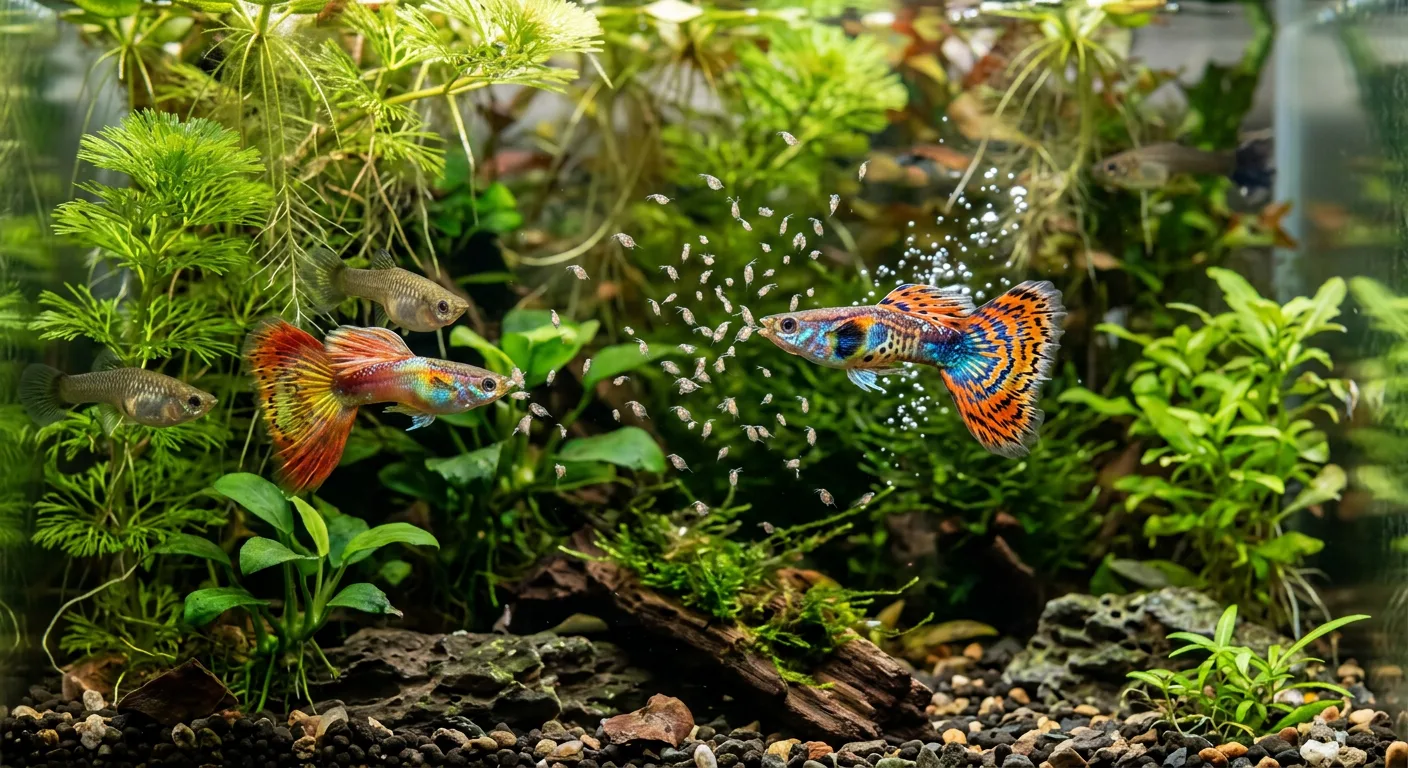
Live daphnia
Live daphnia can be bought from fish suppliers or cultured at home. Rinse them if they came from a shop, and only add what the fish will finish in a few minutes. Wild-collected daphnia carry a risk of introducing unwanted organisms, so a clean, trusted source is safer.
Frozen and freeze-dried daphnia
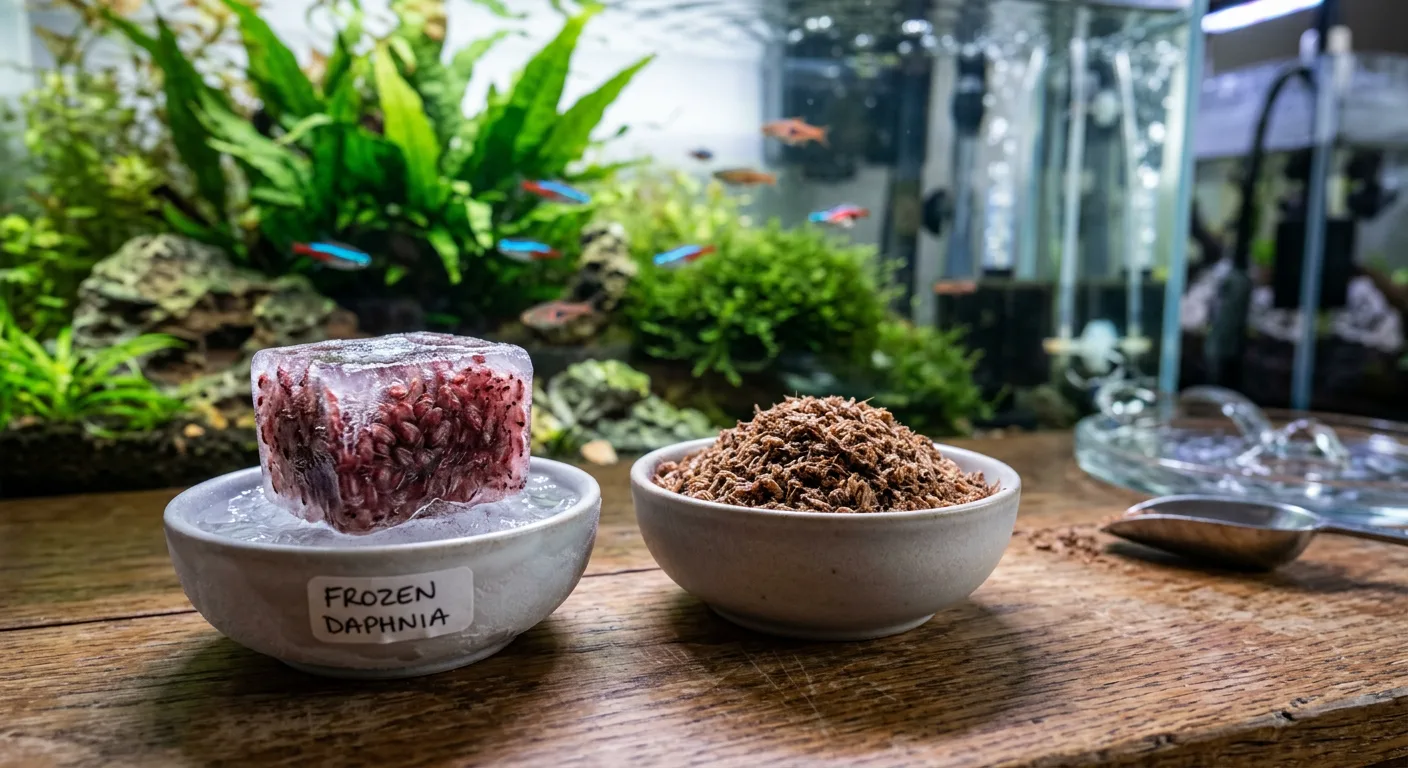
For frozen daphnia, thaw a small piece in a cup of tank water and pour it in. For freeze-dried, soak for a minute. This way the food does not swell inside the fish. Store opened packs sealed and dry.
How much daphnia should guppies eat?
Guppies have small stomachs, so portions should be small. A pinch that the group clears within two to three minutes is a sensible starting point. Offering daphnia a few times a week, in place of one regular feeding, keeps the diet balanced. Overfeeding fouls the water and can lead to bloating, so read our guide on overfeeding guppies if you are unsure.
For the basic schedule, see how often to feed guppies. Daphnia fit nicely as a treat on top of that routine.
Benefits of feeding daphnia to guppies
- Variety: a mixed diet is generally healthier than a single food.
- Natural feeding: chasing live prey keeps guppies active.
- Fiber-like shell: many keepers use daphnia as an occasional food when guppies seem bloated, though it is not a medical treatment.
- Appetite: picky fish often accept daphnia when they ignore flakes.
If a guppy refuses everything, check water and stress first. Our post on why a guppy is not eating lists common causes.
Daphnia for guppy fry
Fry can eat daphnia too, but whole adult daphnia are often too big for newborns. Crush frozen daphnia into fine pieces, or use very small live daphnia. Feed small amounts several times a day and remove leftovers. The guppy fry feeding schedule explains what to feed at each stage.
Mistakes to avoid when feeding daphnia
Do not drop in a whole cube of frozen food, since the fish cannot finish it and it will rot. Avoid feeding from untested ponds. Do not rely on daphnia alone, because guppies also need a quality staple food. Finally, remove uneaten food after a few minutes to keep the water clean.
Building a balanced guppy diet
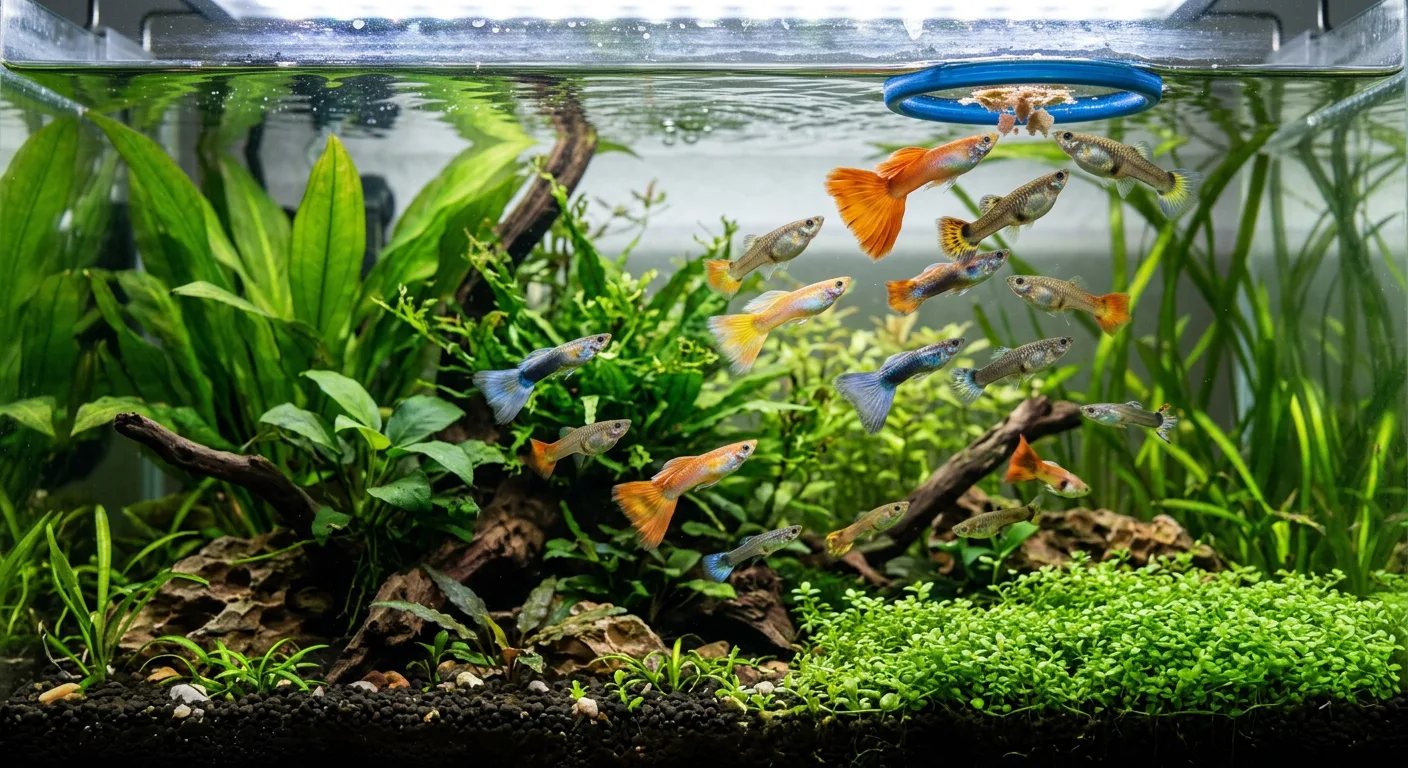
A good routine uses a quality flake or micro pellet daily, with treats like daphnia, brine shrimp or bloodworms a few times a week. You can also read about brine shrimp as another option. Varied food also supports color, as covered in our best food for guppy color growth guide.
Healthy fish are the best start. Browse our male guppies and, for background on the species, see Wikipedia. When in doubt, return to the how to care for guppies basics and keep portions small.
How to introduce daphnia to a new diet
If your guppies have only eaten flakes, start slowly. Offer a very small amount of daphnia on its own for a few days and watch whether every fish eats. Some fish are shy at first, and dominant males may take most of the food, so spread it across the surface and the middle of the tank. Once the group is used to it, you can alternate daphnia with other treats.
New fish are often stressed after shipping and may not eat for the first day or two. When your guppies arrive, give them time to settle before introducing new foods. Our guides on the first week with new guppies and what to do when guppies arrive explain a calm routine.
Daphnia compared with other guppy treats
Daphnia are only one of several treats. Brine shrimp, bloodworms and vegetables all have a place. The table below gives a simple comparison, based on general fishkeeping experience rather than lab data.
| Treat | Best use | Watch out for |
|---|---|---|
| Daphnia | Regular treat, variety | Soak dried forms first |
| Brine shrimp | Fry and adults | Rinse frozen cubes |
| Bloodworms | Occasional rich treat | Too much can be fatty |
| Blanched vegetables | Plant matter | Remove leftovers |
If you want to compare, read about bloodworms and vegetables too.
Storing daphnia and keeping the tank clean
Frozen daphnia should stay frozen until you use it, and only the portion you need should be thawed. Freeze-dried daphnia should be kept in a dry, sealed container away from heat and humidity. If the food smells off or has changed color, throw it away. Live cultures need their own clean container and light feeding.
After feeding, watch the tank for a few minutes. Siphon out anything that sinks and is not eaten. Regular water changes keep the tank healthy, and our how often to change guppy tank water guide gives a simple routine. A steady schedule matters more than any single food.
FAQ
Can guppies eat daphnia every day?
It is better to feed daphnia as a treat a few times a week and use a quality staple food on other days. A varied diet suits guppies best.
Can guppy fry eat daphnia?
Yes, if the pieces are small enough. Crush frozen daphnia or use tiny live daphnia, and feed small portions to keep the water clean.
Is frozen daphnia as good as live daphnia?
Frozen daphnia is a convenient and widely used option. Live food adds hunting activity, but both are accepted by most guppies.
Can daphnia help a bloated guppy?
Some keepers use daphnia as an occasional food for guppies that seem constipated, but it is not a cure. If bloating persists, check water quality and see our bloated guppy guide.
Can I culture daphnia for my guppies?
Yes, many hobbyists keep a small daphnia culture in a separate container. Keep it clean and feed it lightly so the culture does not crash.
Behind the care guides
Care begins with steady systems
Our guppy guides focus on practical routines: keep water stable, observe fish closely and allow for natural variation.

Care systems
Steady water, thoughtful care
Gentle filtration and regular observation support healthy aquarium routines.

Natural variation
Every guppy is different
Color, size and fin shape vary with strain, age and each individual fish.
Editorial illustrations for context; they do not depict HiGuppy's exact facility or current fish stock.