The HiGuppy Journal
Why Are My Guppies Dying? What to Check First
Quick answer: If your guppies are dying, first test ammonia, nitrite, nitrate, pH and temperature, check filter flow and oxygenation, and review recent arrivals or tank changes. Compare one affected fish with the rest of the group before guessing at a disease. Seek qualified help for worsening or unclear signs.
When guppies die unexpectedly, start by noting how many fish are affected, when the signs began, what changed recently, and what the water tests show. Clear-looking water or one visible symptom cannot identify the cause by itself.
Build a timeline when guppies are dying unexpectedly
Compare the affected fish with the rest of the group and write down events in order. The Merck Veterinary Manual notes that low dissolved oxygen, nitrite and gill disease can produce similar surface-gasping behavior; one sign alone is not a diagnosis.
| Situation | First checks to record |
|---|---|
| One fish is affected | Note its breathing, swimming, appetite and when the change began; compare with the rest of the group before guessing at a disease. |
| Several fish decline around the same time | Check temperature, filter flow and water readings, including ammonia and nitrite; consider dissolved oxygen and any possible chemical exposure. |
| Deaths follow new arrivals or a water change | Record arrival/acclimation timing, source-water treatment, temperature and any change in water chemistry. |
| Deaths follow equipment, feeding or stocking changes | Write down what changed and when; confirm the heater and filter are operating as expected. |
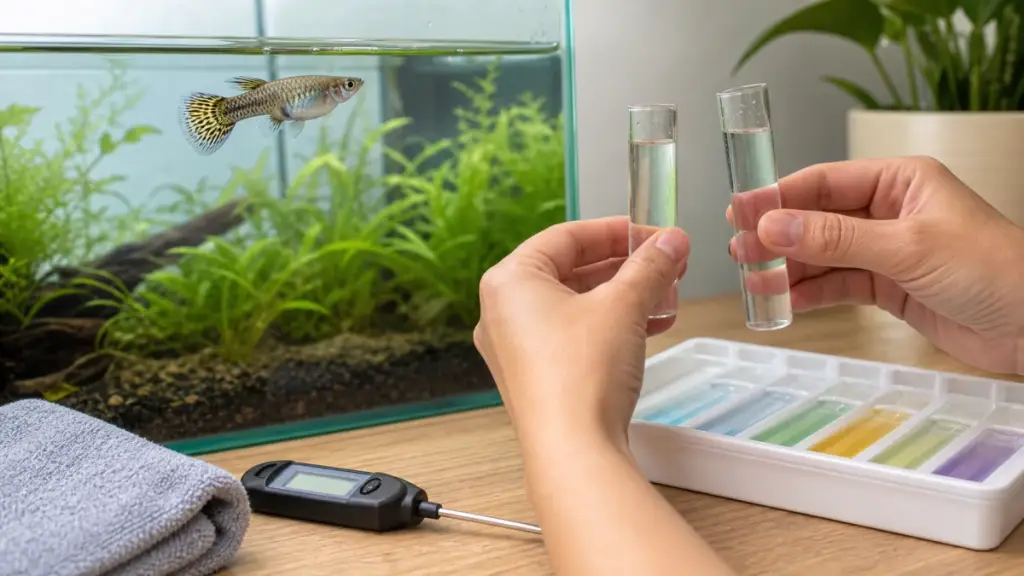
Test and record ammonia, nitrite, nitrate, pH and temperature; measure dissolved oxygen when you have a suitable test. The University of Illinois Veterinary Medicine fish-care guide recommends checking dissolved oxygen and other water conditions. The Merck Veterinary Manual also explains why measurements help distinguish environmental hazards.
If several fish are deteriorating quickly, losses continue, or breathing is persistently abnormal, check water and equipment promptly and seek advice from a veterinarian experienced with fish. Do not wait a fixed 48 hours before starting those checks, and do not medicate the whole tank based on a single sign.
For persistent surface gasping, compare the checks in our air-pump and aeration guide and top-or-bottom behavior guide. For an aquarium that was not fully prepared before stocking, see the beginner guppy tank setup guide.
Use the guppy water parameters guide to review your readings, the ammonia troubleshooting guide for a water-quality concern, and the surface-gasping checklist for abnormal breathing. For new arrivals, review the shipping-specific acclimation guide; if you need a separate observation setup, see the quarantine and hospital-tank guide. These checks do not establish a diagnosis.
Most Common Reasons Guppies Die
| Problem | Typical Signs | First Response |
|---|---|---|
| Ammonia / nitrite | Gasps, lethargy, deaths within days | Test now, address confirmed water-quality problems carefully, and retest |
| Uncycled tank | Deaths after new fish added | Test cycle; do not add more fish |
| Temperature shock | Sudden deaths after water change or shipping | Check temperature differences; avoid abrupt changes |
| Excess food / waste | Uneaten food or concerning water-test results | Remove uneaten food, review portions, and test ammonia, nitrite and nitrate. Base water changes on the readings; condition and temperature-match new water, then retest. |
| Poor acclimation | Stress right after arrival | Follow the shipping-specific arrival plan; never dump bag water |
| Aggression / stress | Females hiding, fin damage | Fix male ratio; add cover |
Step 1: Test Water Before Anything Else
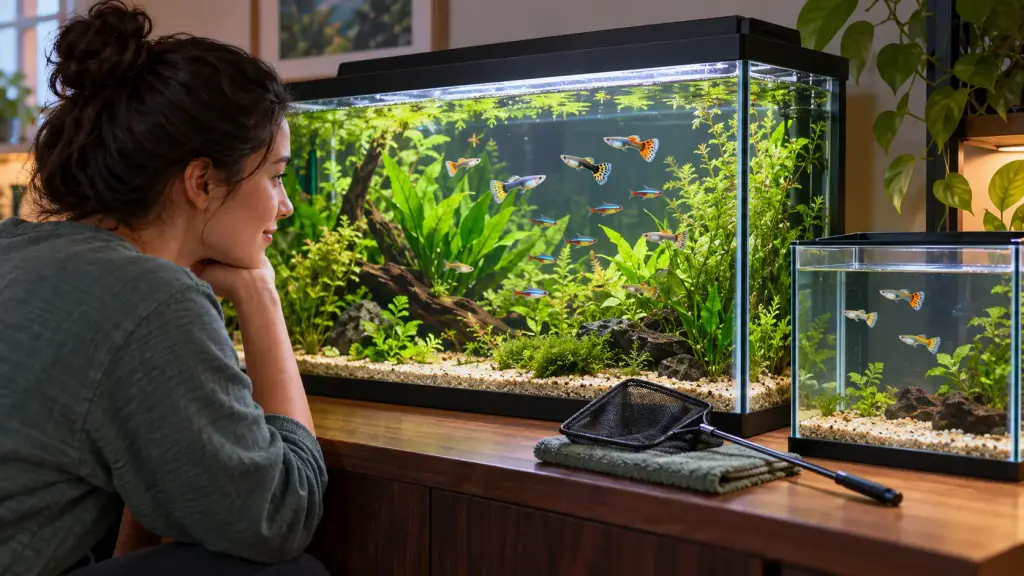
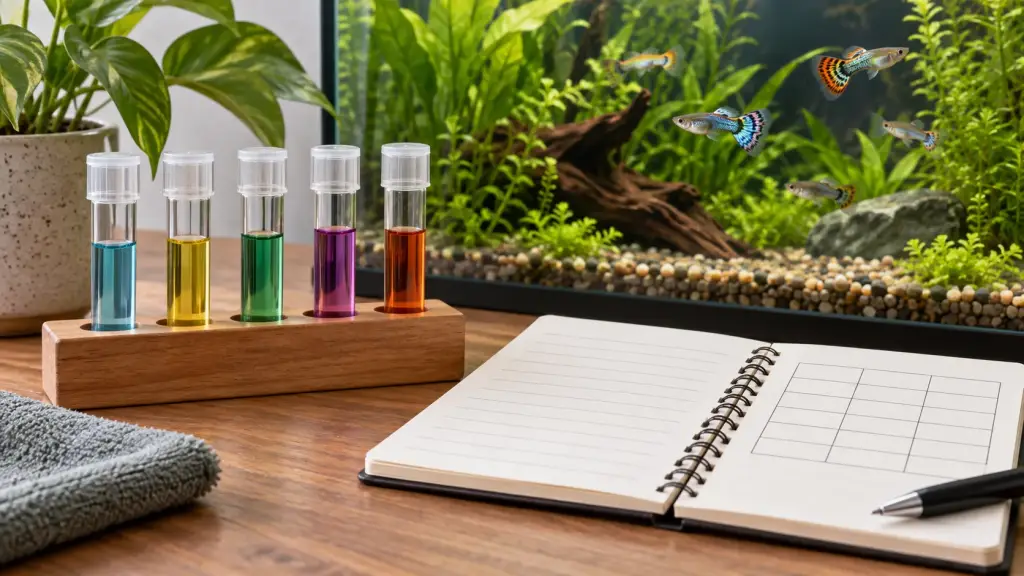
When guppies die or look stressed, use an aquarium test kit to check ammonia, nitrite, nitrate, pH and temperature; measure dissolved oxygen when a suitable test is available. In a cycled aquarium, ammonia and nitrite should read zero. Record the actual readings and units, then compare them with species-appropriate guidance.
Step 2: Review Recent Changes
- New fish added without quarantine?
- Large water change with cold tap water?
- Filter media replaced entirely?
- Feeding amount increased?
- Heater failure or room temperature drop?
- Medication or chemical added to water?
Recent changes often explain sudden losses better than slow chronic disease. Write down what changed in the last 72 hours before making the next move.
Shipping and New Arrivals
Because guppies are live animals, shipping adds real risk. Healthy arrival depends on packing, carrier handling, buyer availability, acclimation, and tank conditions. Fish may look pale or lethargic on arrival without being doomed if acclimation and water quality are handled well. A longer drip in old shipping water is not automatically safer: ammonia can accumulate during transport, and its toxic fraction increases as pH rises. Follow the seller’s shipping-specific arrival instructions and seek qualified help for distressed fish.
Important: Do not release fish into an uncycled tank. Do not pour bag water into the display tank. Follow the DOA Policy if you need claim guidance for shipped orders.
Disease vs Water Quality
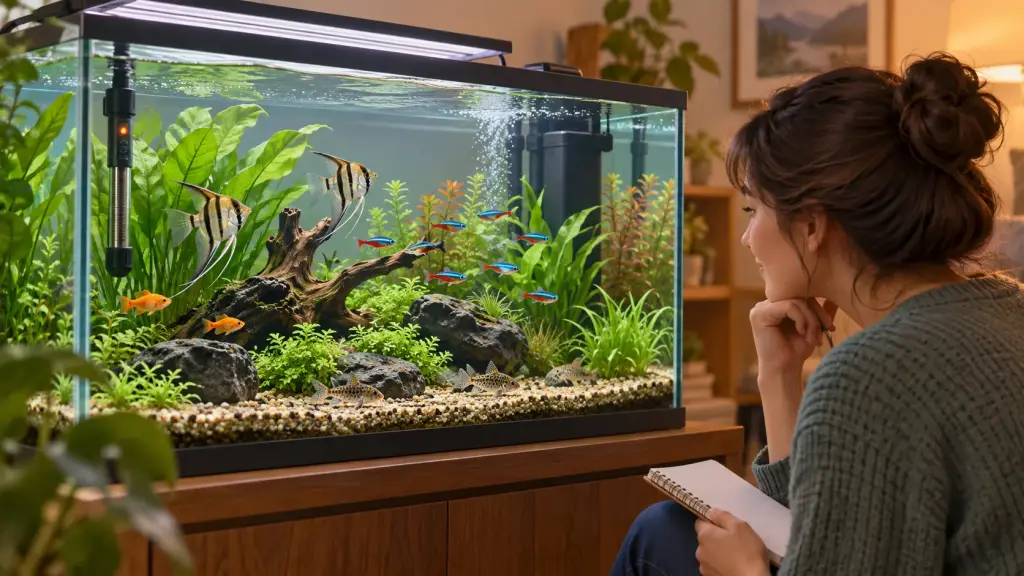
White spots, frayed fins, flashing, or unusual breathing can have more than one cause. Check water conditions and the overall pattern before drawing conclusions; do not delay checks or qualified veterinary advice when fish are worsening. Avoid broad medication without a supported diagnosis.
Frequently Asked Questions
Why did my guppies die overnight?
Overnight losses often trace to ammonia/nitrite, temperature crash, or severe shipping stress. Test water immediately.
Why do guppies die after a water change?
Temperature mismatch, chlorine exposure, or too-large sudden change are common causes. Match temp and dechlorinate.
Why do only new guppies die?
Uncycled tank, poor acclimation, or diseased source stock are top suspects. Quarantine new fish every time.
Can overfeeding kill guppies?
Excess food can add to aquarium waste, but it does not identify the cause of a death by itself. Remove leftovers, review portions, and check ammonia, nitrite and nitrate before deciding what to adjust.
Do guppies die from stress?
Chronic stress weakens immunity and makes fish vulnerable to water quality problems and infections.
Should I medicate the whole tank?
Do not medicate based on one sign alone. First check water conditions and the pattern of symptoms, then get advice from a fish-health professional about diagnosis and treatment.
How long should I wait after deaths before adding fish?
Wait until parameters are stable and you understand the cause. Adding more fish too soon repeats the cycle.
When should I contact the seller?
For shipped fish, document arrival condition promptly and follow the seller’s DOA policy with photos/video if required.
Do not add replacement fish until the aquarium is stable and the likely cause has been investigated. For a shipped-order concern, document the arrival promptly and follow the Live Arrival Guarantee and DOA Policy; for ongoing care questions, use Contact Us.
For a structured observation plan, use the Guppy Diseases Guide, Water Parameters Guide, Water Change Guide, and Quarantine & Health page; these resources do not replace qualified diagnosis.
Behind the care guides
Care begins with steady systems
Our guppy guides focus on practical routines: keep water stable, observe fish closely and allow for natural variation.
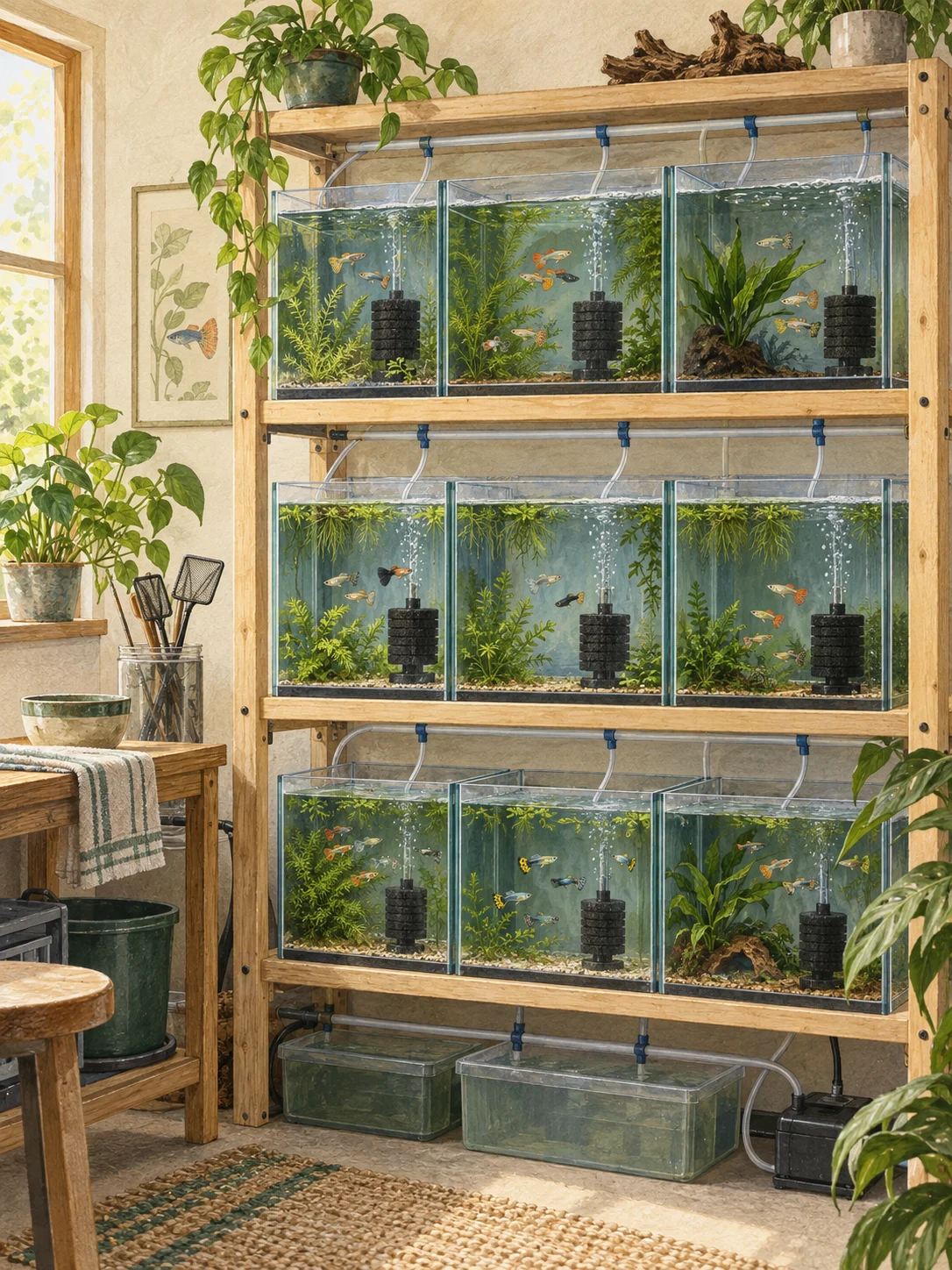
Care systems
Steady water, thoughtful care
Gentle filtration and regular observation support healthy aquarium routines.
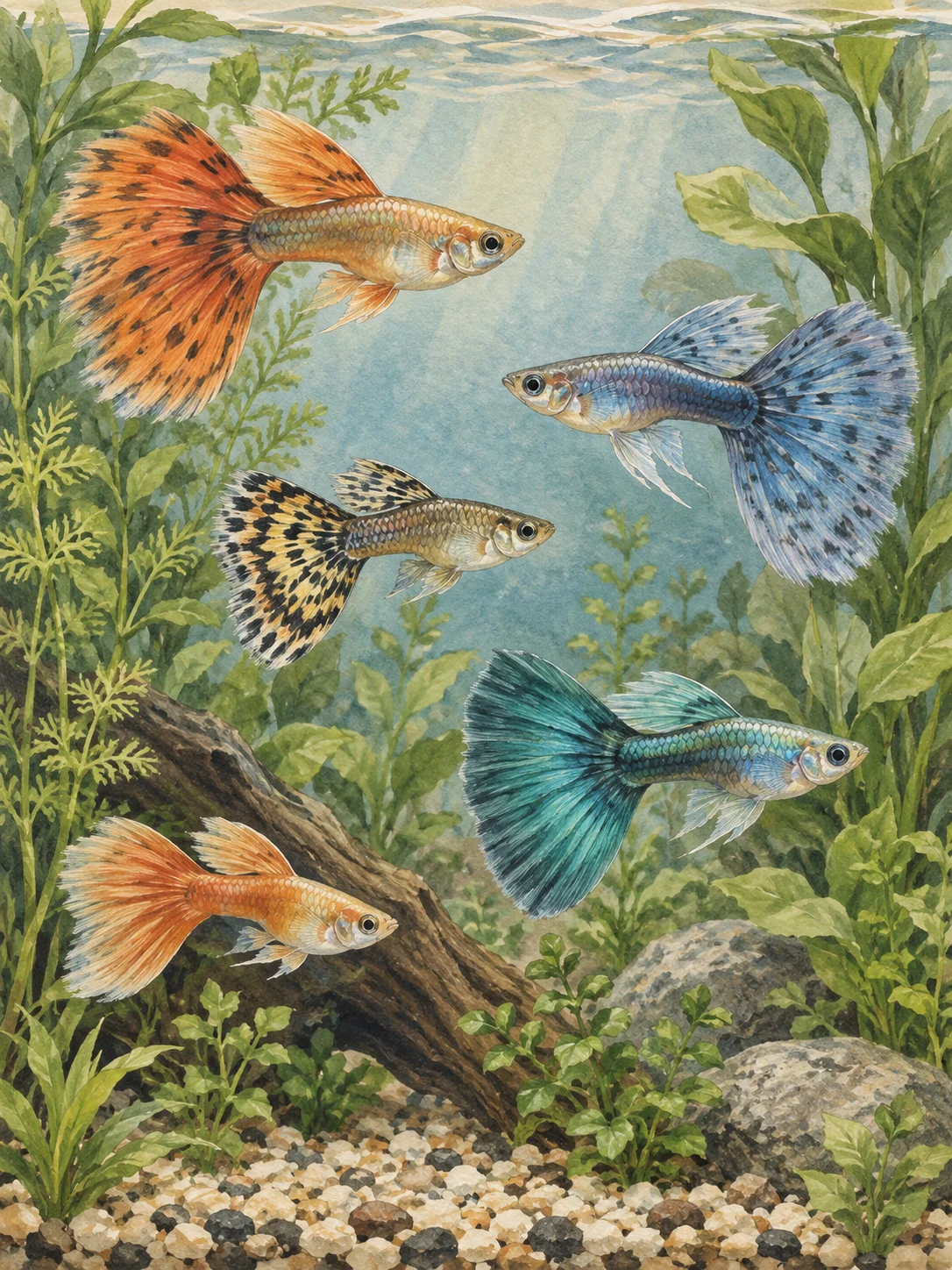
Natural variation
Every guppy is different
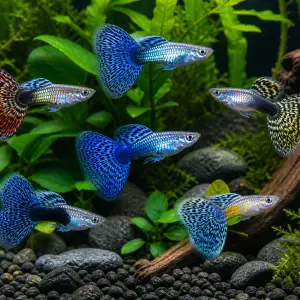
Color, size and fin shape vary with strain, age and each individual fish.
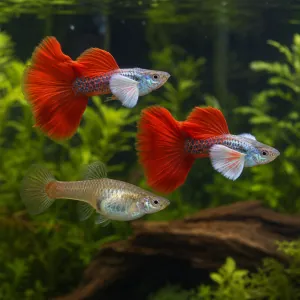
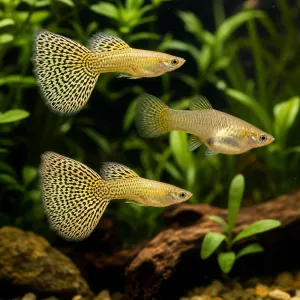
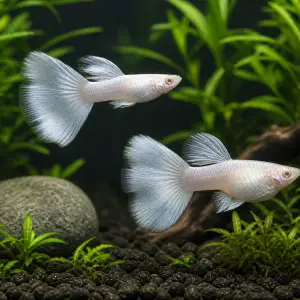
Editorial illustrations for context; they do not depict HiGuppy's exact facility or current fish stock.