Guppy Care Article
Why Is My Guppy Gasping at the Surface? Causes & First Steps
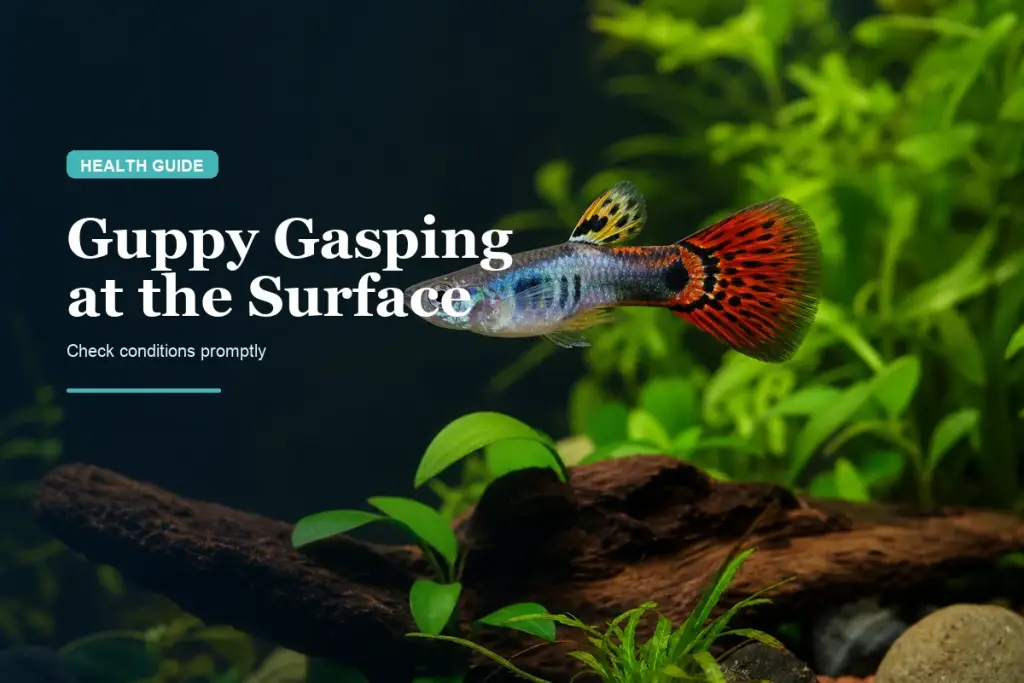
A guppy repeatedly gulping at the surface or breathing hard deserves prompt attention. Surface gasping is not a diagnosis by itself, but it can be an early sign of low dissolved oxygen, ammonia or nitrite stress, chlorine exposure, excess heat, gill irritation, or disease. The safest approach is to stabilize the aquarium first and then look for the pattern behind the symptom.
Quick answer
If several guppies are gasping at the surface, treat it as a possible tank-wide emergency. Increase surface agitation, confirm the filter and heater are working, test ammonia and nitrite, check temperature, and review any recent water change, medication, power outage, or cleaning event. If only one fish is affected, check the same environmental factors but also look closely for gill disease, parasites, injury, or severe systemic illness.
Is a guppy at the surface always gasping?
No. Guppies naturally spend time near the upper part of the aquarium and often feed at the surface. The concerning pattern is repeated gulping, unusually rapid gill movement, hanging directly under the surface for long periods, loss of normal activity, or multiple fish doing the same thing.
If your fish is simply choosing the top or bottom of the tank without obvious respiratory distress, compare that behavior with Why Is My Guppy Staying at the Top or Bottom?.
Most important causes of surface gasping
1. Low dissolved oxygen
Fish under low-oxygen conditions may gather near the surface and gulp at the air-water interface. Oxygen problems are more likely when the water is unusually warm, the tank is overcrowded, surface movement is weak, the filter has stopped, organic waste is high, or a treatment has reduced the system’s oxygen margin.
The first practical move is to increase surface agitation or aeration and verify that water is circulating normally. University of Florida IFAS and the Merck Veterinary Manual both identify surface gulping or “piping” as a classic sign associated with low dissolved oxygen in fish.
2. Ammonia or nitrite stress
A new, overstocked, recently cleaned, or disrupted aquarium may lose biological stability. Ammonia and nitrite can damage or impair gill function, so affected fish may breathe rapidly or stay near the surface even when the tank appears visually clean.
Use the Guppy Water Parameters Guide and test rather than guessing. If readings are unsafe, correct the underlying water problem with conditioned, temperature-matched water and restore stable filtration.
3. Chlorine, chloramine, or another irritant
Sudden gasping after a water change should make you review the water source and conditioner dose immediately. Cleaning sprays, soap residue, aerosols, paint fumes, or contaminated equipment can also irritate fish. A clear timeline is useful: ask what changed in the hours before the behavior started.
4. Water that is too warm
Warmer water holds less oxygen, while the fish’s metabolism can increase. A heater malfunction, direct sun, hot weather, or an overly aggressive temperature increase can therefore make respiratory stress worse. Confirm the actual temperature with a thermometer and review the Guppy Temperature Guide.
5. Gill parasites or infectious disease
If one fish keeps gasping after the water and equipment check out, inspect for flashing, rubbing, excess mucus, clamped fins, visible white spots, pale or swollen gills, appetite loss, or other abnormal behavior. External parasites and gill disease can interfere with normal respiration. For example, ich can become more serious when the gills are involved.
Do not choose a parasite or antibiotic treatment solely from the symptom “gasping.” Use the broader Guppy Diseases Guide to narrow the pattern first.
What to do right now
- Increase surface movement. Point the filter return toward the surface or add appropriate aeration if available.
- Confirm equipment. Check filter flow, heater operation, power supply, and whether an intake is blocked.
- Test water. Prioritize ammonia, nitrite, nitrate, pH, and temperature. Dissolved oxygen is useful if you have a reliable meter or test.
- Review recent changes. Look for a water change, new fish, medication, filter cleaning, dead fish, overfeeding, power outage, or chemical exposure.
- Correct unsafe water carefully. Use conditioned, temperature-matched water for an appropriate partial change when water quality is suspect. Avoid repeated drastic full resets.
- Observe whether one fish or the whole tank is affected. Tank-wide respiratory distress points more strongly toward an environmental problem.
What not to do
- Do not raise the temperature automatically just because you suspect parasites; warmer water can reduce oxygen availability.
- Do not stack medications “just in case.” Some treatments add respiratory stress or affect filtration.
- Do not ignore a stopped filter because the water still looks clear.
- Do not assume an air stone alone fixes ammonia, nitrite, chlorine, or a gill disease.
When is gasping an emergency?
Act urgently if many fish begin gasping at once, fish lose balance, the filter has failed, there was a suspected chlorine or contaminant exposure, or deaths are beginning. Also seek qualified fish-health help when a single guppy continues to struggle after the environment is stabilized or shows severe gill damage, bleeding, ulcers, marked swelling, or rapid deterioration.
How to prevent repeat episodes
- Keep the aquarium cycled and avoid replacing all biological filter media at once.
- Maintain steady surface movement and appropriate stocking.
- Use water conditioner correctly at every tap-water change.
- Keep temperature stable and monitor during hot weather.
- Remove excess food and dead plant or animal material promptly.
- Quarantine new fish and observe breathing before adding them to a display tank.
For the full preventive routine, see the Complete Guppy Care Guide and HiGuppy’s quarantine and observation process.
FAQ
Why are my guppies gasping after a water change?
Check temperature mismatch, water conditioner use, chlorine or chloramine exposure, pH change, and whether the filter or aeration was interrupted during maintenance.
Can too many guppies cause surface gasping?
High stocking can increase oxygen demand and waste production, especially if filtration and surface movement are insufficient. Test the water and review stocking rather than relying only on an air stone.
Can a guppy gasp even when the water has enough oxygen?
Yes. Ammonia, nitrite, chlorine, gill parasites, infectious disease, or severe systemic illness can also produce respiratory distress.
Should I move a gasping guppy to quarantine?
If only one fish is affected and a stable, cycled hospital tank is available, isolation can make observation easier. If the whole tank is gasping, correct the shared environmental problem first.
Trusted fish-health references
This article provides general aquarium husbandry information, not a diagnosis. The respiratory and water-quality guidance here is reviewed against the Merck Veterinary Manual and University of Florida IFAS guidance on dissolved oxygen.
Real HiGuppy photographs
Inside the facility behind our guppy guides
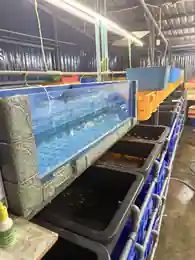
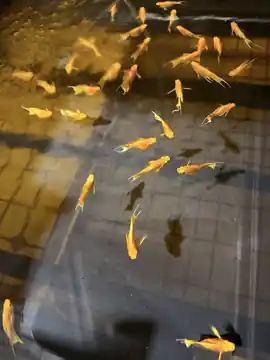
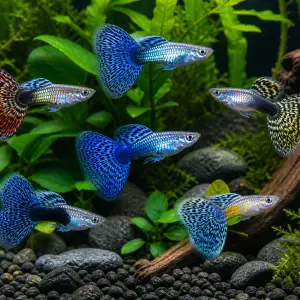
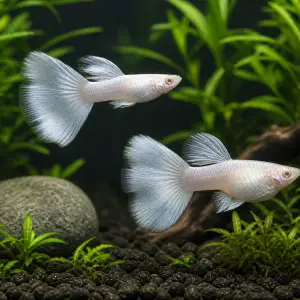
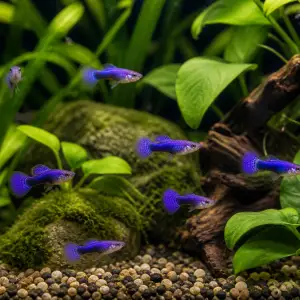
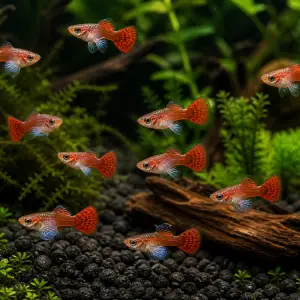
These photographs show real HiGuppy holding, breeding and observation work. They document our facility and fish stock; they are not presented as the exact individual fish or strain discussed on every page.