Guppy Care Article
Guppy Clamped Fins: Causes, Warning Signs & What to Check First
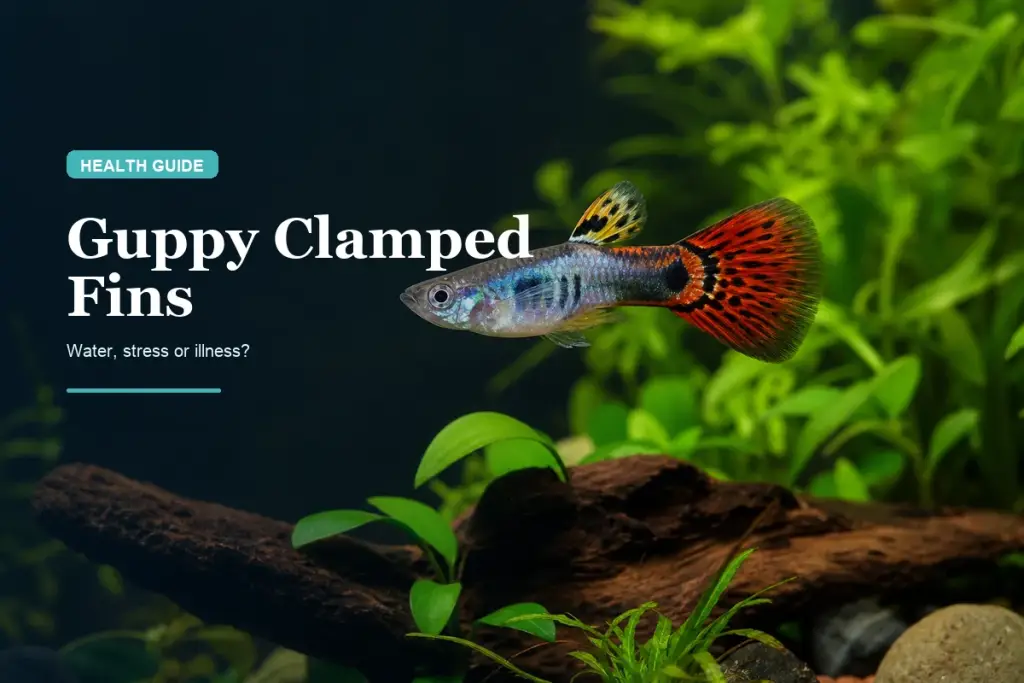
When a guppy holds its dorsal, tail, or pectoral fins close to the body instead of displaying them normally, aquarists often describe the fish as having clamped fins. Clamped fins are a warning sign, not a diagnosis. The safest response is to look at water quality, temperature, oxygen, recent stress, aggression, and other symptoms before reaching for medication.
Quick answer
Guppy clamped fins most often mean the fish is stressed, uncomfortable, or becoming ill. Test the water, confirm stable temperature and filter flow, compare one fish with the rest of the tank, and look for additional clues such as white spots, rapid breathing, fin damage, appetite loss, flashing, hiding, or swelling. If several guppies clamp their fins at the same time, investigate a tank-wide environmental problem first.
What do clamped fins look like in a guppy?
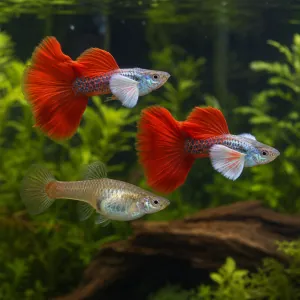
A relaxed guppy usually opens its fins while cruising, displaying, feeding, or interacting with other fish. A clamped guppy keeps one or more fins folded close to the body for extended periods. Temporary fin folding during a quick turn, rest, or brief startle is different from persistent clamping that continues while the fish is awake and active.
Clamping matters most when it is new, persistent, or paired with another change in behavior. Use the Guppy Diseases Guide as a symptom-checking hub rather than treating clamped fins as a disease by themselves.
Common causes of guppy clamped fins
1. Water-quality stress
Ammonia, nitrite, chlorine or chloramine exposure, sudden pH change, excessive nitrate, or a poorly cycled aquarium can irritate the gills and skin. A fish may clamp its fins, hide, breathe faster, refuse food, or become less active. If more than one fish changes behavior at once, test the aquarium immediately.
Start with the Guppy Water Parameters Guide and correct unsafe readings with conditioned, temperature-matched water and stable filtration rather than making repeated drastic changes.
2. Temperature stress
A failing heater, a cold water change, overheating, or rapid temperature swings can cause visible stress. Check the actual aquarium temperature with a reliable thermometer and compare it with the heater setting. Stability matters more than chasing a single number. See the Guppy Temperature Guide.
3. Low oxygen or poor circulation
Clamped fins combined with fast breathing or repeated surface gasping raises concern for low dissolved oxygen, gill irritation, or a water-quality problem. Confirm that the filter is moving water and that the surface has good agitation. Warm water, crowding, a stalled filter, heavy organic waste, and some treatments can all reduce the oxygen margin.
4. Shipping and acclimation stress
Newly delivered guppies may temporarily hide or hold their fins closer to the body while recovering from transport and adapting to a new aquarium. Keep lighting calm, avoid unnecessary chasing, and follow the HiGuppy Acclimation Guide. Persistent clamping, worsening breathing, or additional symptoms deserve closer attention.
5. Bullying, mating pressure, or injury
A guppy being chased may clamp its fins, stay in corners, or avoid feeding. Watch interactions at feeding time and during courtship. Check for torn fins, bite damage, and sharp decorations. If the fins are physically frayed or receding, compare the signs with Guppy Fin Rot vs Torn Fins.
6. Parasites or other illness
Clamped fins can occur with external parasites, bacterial disease, systemic illness, and many non-infectious problems. The surrounding signs are what make the symptom useful. White grains on the body may point toward ich; swelling with raised scales is more consistent with dropsy syndrome; rapid breathing or flashing can suggest gill or skin irritation.
What to check first: a practical sequence
- Observe the whole tank. Is one guppy affected, or are several fish clamping their fins?
- Test water. Check ammonia, nitrite, nitrate, pH, and temperature. If possible, compare with your source water.
- Check equipment. Confirm heater operation, filter flow, surface movement, and that no recent maintenance disrupted the aquarium.
- Look for aggression. Watch for chasing, fin nipping, crowding, or a fish being excluded from food.
- Inspect for secondary signs. Look at breathing, skin, fins, belly shape, waste, appetite, and swimming posture.
- Separate only when useful. A quiet, cycled hospital tank can make observation easier if one fish is clearly ill or injured. Review HiGuppy’s quarantine and observation process.
When clamped fins are more urgent
Act faster when clamped fins are accompanied by repeated surface gasping, loss of balance, severe lethargy, rapid swelling, red or ulcerated areas, extensive white spots, very fast breathing, or multiple fish becoming distressed together. Tank-wide distress should trigger immediate checks for oxygen, temperature, ammonia, nitrite, chlorine exposure, filter failure, or another environmental event.
Should you medicate a guppy just because its fins are clamped?
No. Clamped fins alone do not identify the cause. Random medication can add stress, reduce oxygen, disturb the biofilter, or hide useful diagnostic clues. Stabilize the environment first, then match any treatment to a well-supported diagnosis and follow the product label exactly. If symptoms are severe, recurring, or unclear, seek an aquatic veterinarian or experienced fish-health professional.
How to reduce the chance of clamped fins returning
- Keep the aquarium fully cycled and monitor ammonia and nitrite.
- Use conditioned, temperature-matched water for maintenance.
- Maintain steady filtration and surface movement.
- Avoid overcrowding and chronic chasing.
- Quarantine new fish and use separate equipment where practical.
- Feed a varied diet without leaving excess food in the tank.
- Observe guppies daily so subtle changes are noticed early.
For a broader preventive routine, use the Complete Guppy Care Guide.
FAQ
Can clamped fins go away on their own?
They can improve quickly when the cause is temporary stress and the aquarium conditions are stable. Persistent or worsening clamping should be investigated rather than simply watched indefinitely.
Do clamped fins always mean fin rot?
No. Fin rot changes the fin tissue itself, while clamping describes how the fish is holding the fins. A guppy may clamp intact fins because of water stress, fear, low oxygen, parasites, or other illness.
Why are all my guppies clamping their fins?
When several fish change at the same time, check the shared environment first: ammonia, nitrite, temperature, oxygen, filter operation, recent water changes, contaminants, and chlorine exposure.
Can shipping cause clamped fins?
Yes. Transport and acclimation can temporarily increase stress. The fish should gradually become more relaxed in a stable aquarium; worsening breathing, appetite loss, or other symptoms need closer review.
Trusted fish-health references
This article provides general aquarium husbandry information and does not replace veterinary diagnosis. HiGuppy’s health guidance is reviewed against resources from the Merck Veterinary Manual and University of Florida IFAS Extension.
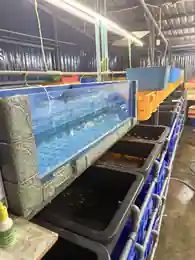
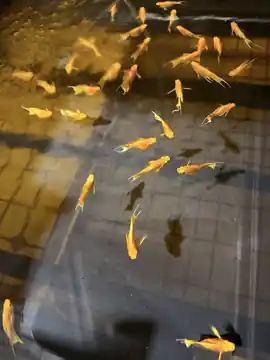
Real HiGuppy photographs
Inside the facility behind our guppy guides
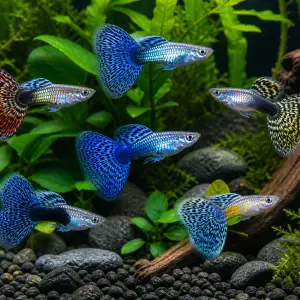
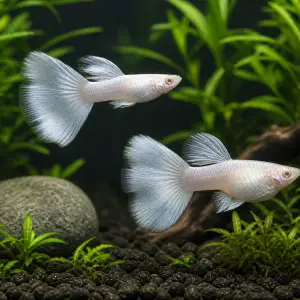
These photographs show real HiGuppy holding, breeding and observation work. They document our facility and fish stock; they are not presented as the exact individual fish or strain discussed on every page.