The HiGuppy Journal
Guppy Temperature Guide: Safe Range & Stability
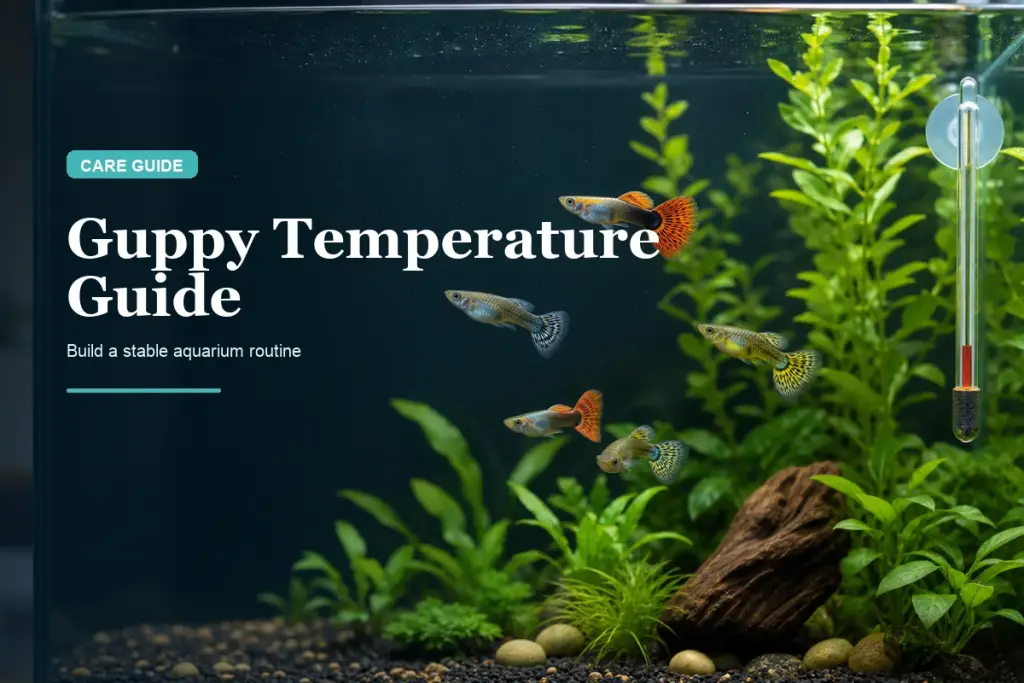
Quick answer: guppies do best with stable, suitable water temperature rather than frequent swings. For many home guppy setups, a range around 72–80°F (22–27°C) is commonly used, but your aquarium should be cycled, monitored with a reliable thermometer, and adjusted gradually for the fish and room conditions you actually have.
Why temperature stability matters for guppies
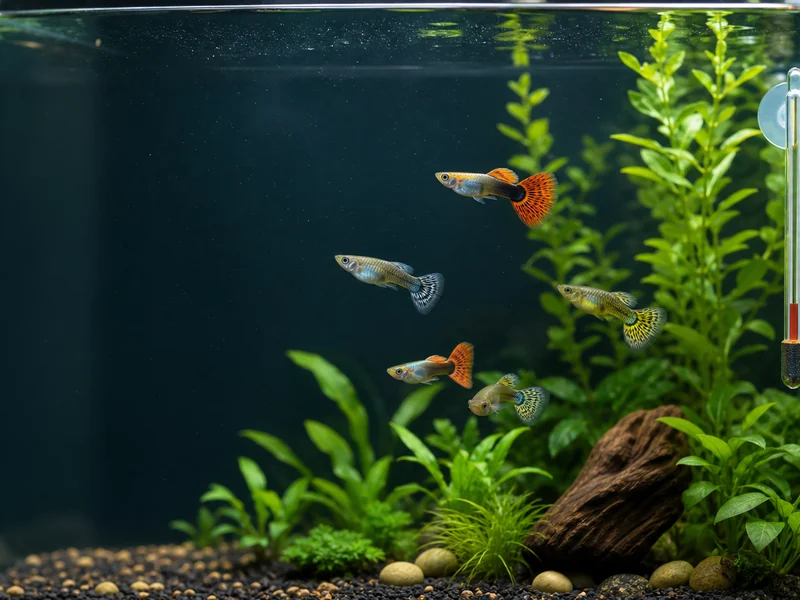
Temperature affects activity, appetite, oxygen availability, and how quickly water conditions can change. A tank that moves up and down quickly is usually more stressful than a tank that sits steadily within a reasonable range. Do not chase a number every hour: check the thermometer, water quality, equipment, and room conditions before making a small adjustment.
Choose a practical target for your tank
Start with the range recommended for the fish and keep the temperature consistent day and night. The suitable target may depend on the fish’s condition, the tank’s other inhabitants, room temperature, and the heater’s accuracy. A dependable thermometer placed away from the heater is more useful than relying on a heater dial alone.
- Use a properly sized aquarium heater when the room cannot hold a stable suitable temperature.
- Use a thermometer you can read easily during daily checks.
- Keep the heater and filter running as intended; sudden equipment changes can affect temperature and oxygenation.
- Keep the aquarium away from direct sun, cold drafts, and heating vents where practical.
- Make changes gradually and observe the fish and water tests afterward.
Temperature during a live-fish arrival
Do not use a rushed temperature correction as a substitute for acclimation. When shipped guppies arrive, prepare a stable cycled tank, dim the lights, and follow the Acclimation Guide. The goal is to avoid adding shipping water to the aquarium and to let the fish settle into stable tank conditions rather than exposing them to abrupt changes.
What to check before changing the heater
- Confirm the reading with a second thermometer if the number seems surprising.
- Check whether the heater is submerged and positioned according to its instructions.
- Check water flow around the heater so heat is distributed through the tank.
- Check ammonia, nitrite, and other basic water conditions instead of assuming temperature is the only cause of stress.
- Look for a room-level cause such as a draft, direct sun, power interruption, or a heater that is not keeping up.
When to slow down and get help
If fish are gasping, losing balance, showing visible lesions, or multiple fish decline quickly, treat that as a broader water-quality or health concern. Stabilize the environment, test the water, and seek qualified local aquatic or veterinary guidance where appropriate. Do not rely on a temperature change alone as a diagnosis or treatment.
Related guides
For daily care foundations, read the Complete Guppy Care Guide. For a new shipment, read the Shipping Policy before ordering and keep the Acclimation Guide open for arrival day.
Behind the care guides
Care begins with steady systems
Our guppy guides focus on practical routines: keep water stable, observe fish closely and allow for natural variation.
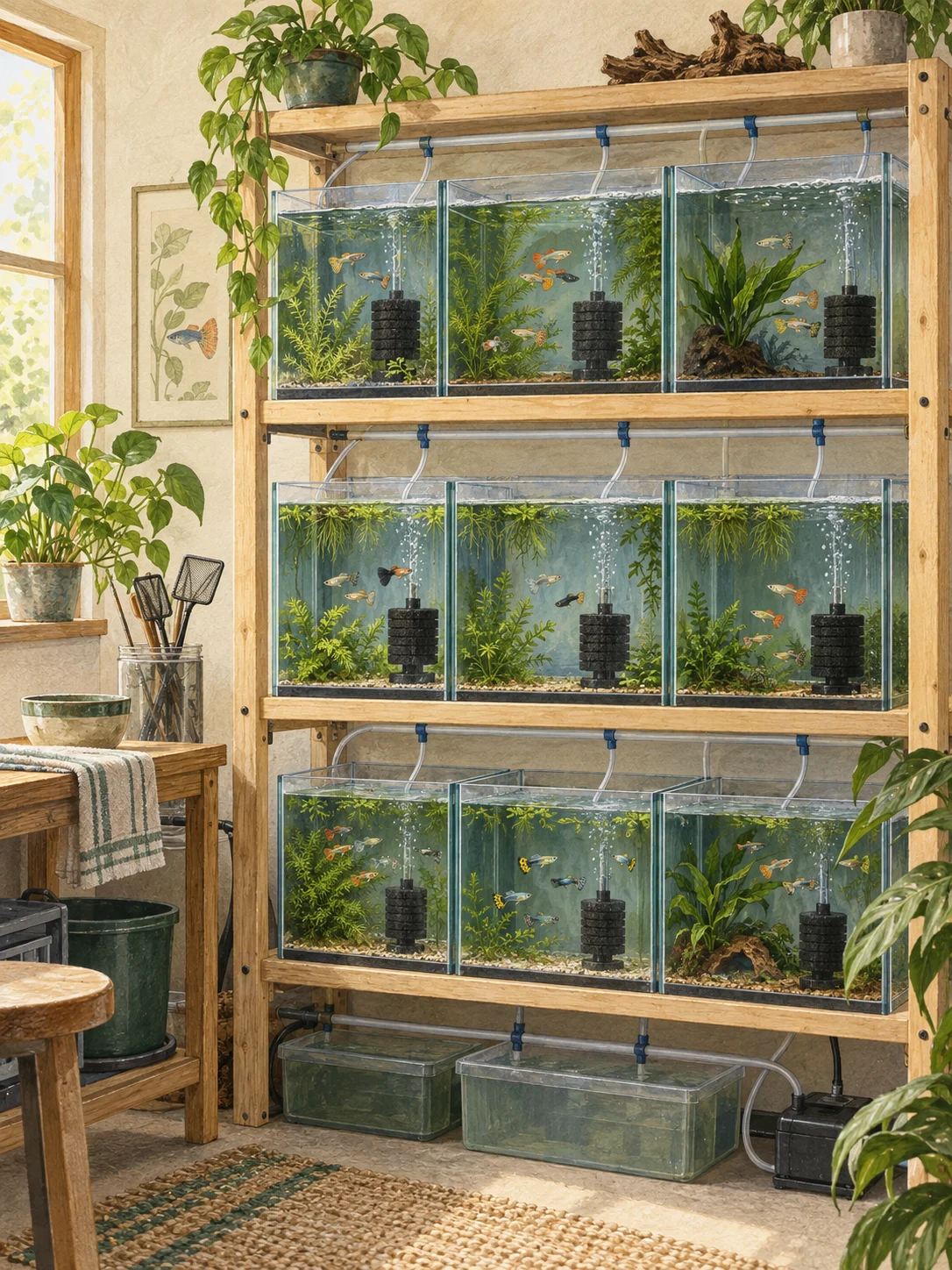
Care systems
Steady water, thoughtful care
Gentle filtration and regular observation support healthy aquarium routines.
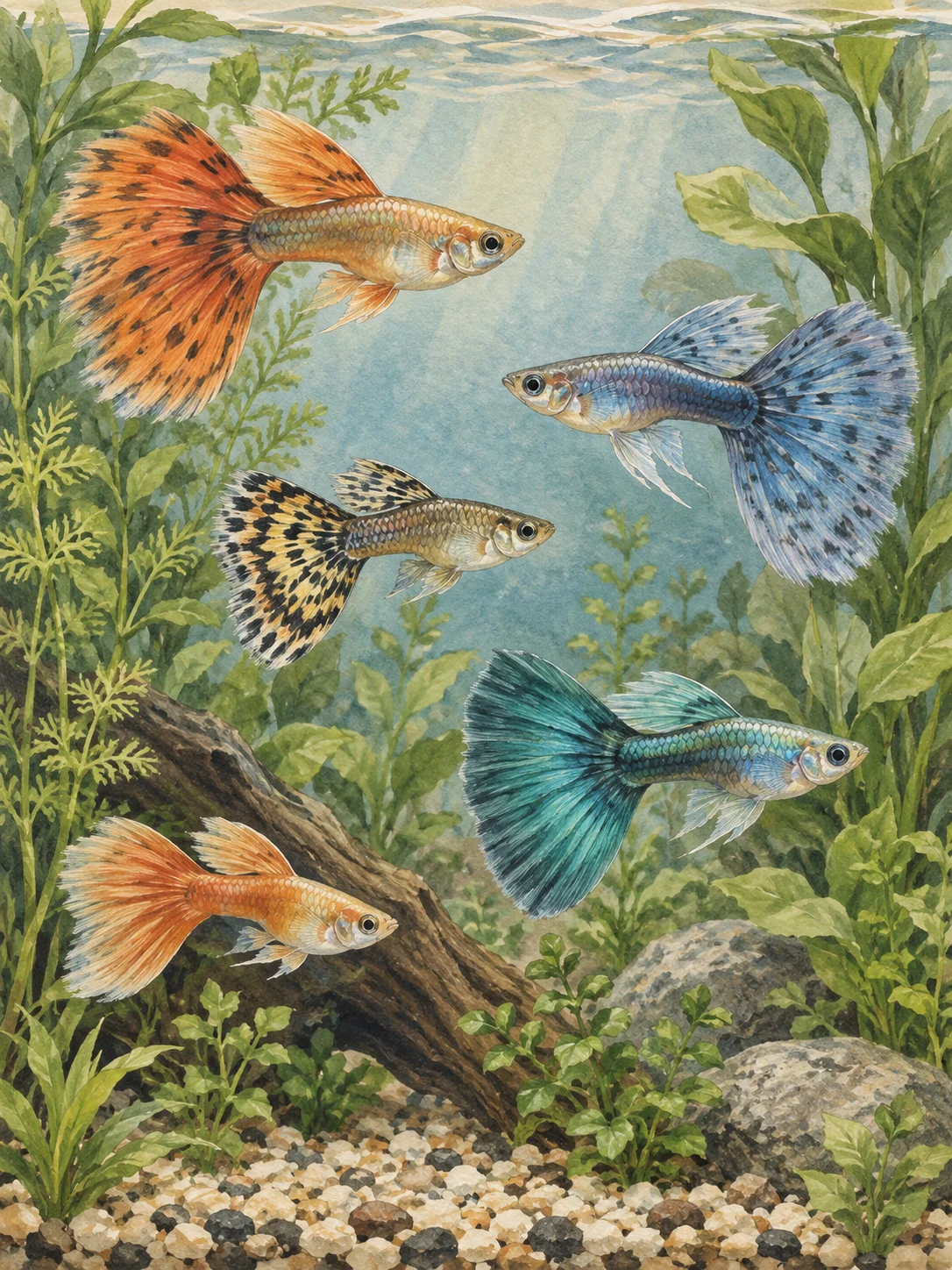
Natural variation
Every guppy is different
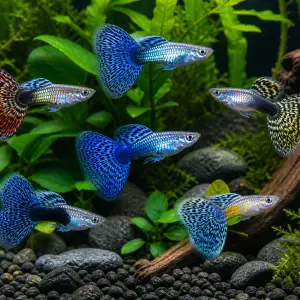
Color, size and fin shape vary with strain, age and each individual fish.
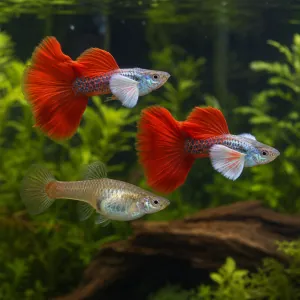
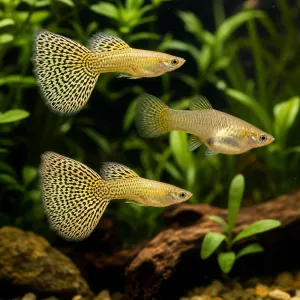
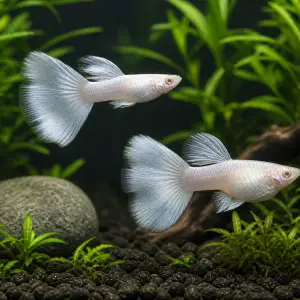
Editorial illustrations for context; they do not depict HiGuppy's exact facility or current fish stock.