The HiGuppy Journal
King Cobra Guppy Guide: Pattern, Care & Breeding
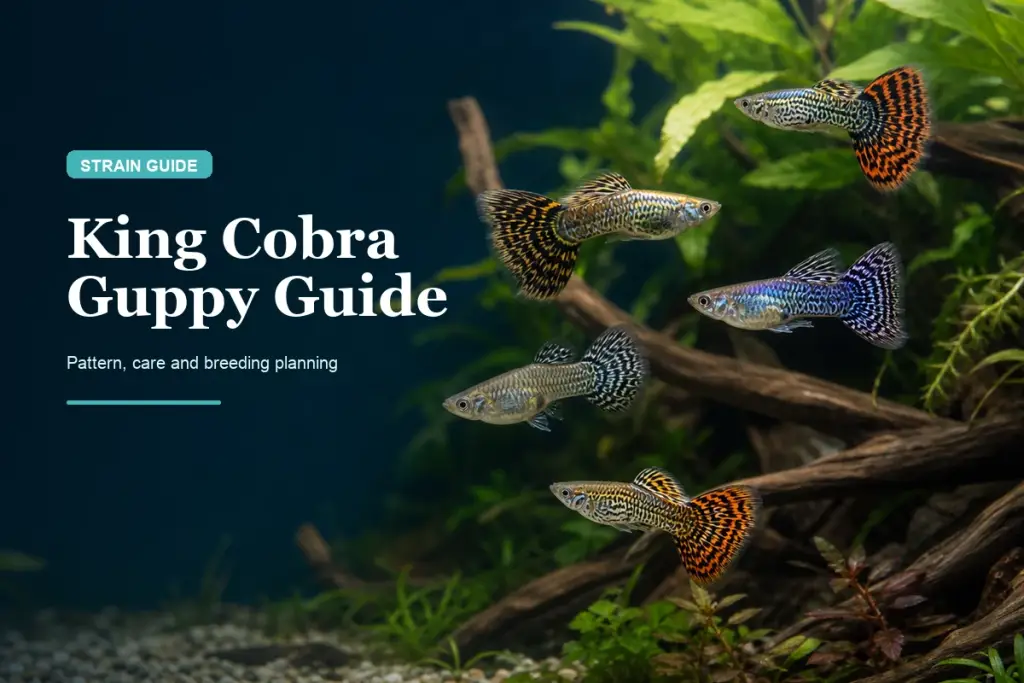
Quick answer: King Cobra guppies are fancy guppies known in the aquarium trade for a bold, reticulated or snakeskin-style pattern. “King Cobra” describes a line or visual style rather than a separate species, so individual fish can vary in pattern coverage, color, tail form, and size. Choose the exact current listing for purchase details and use this guide for husbandry planning.
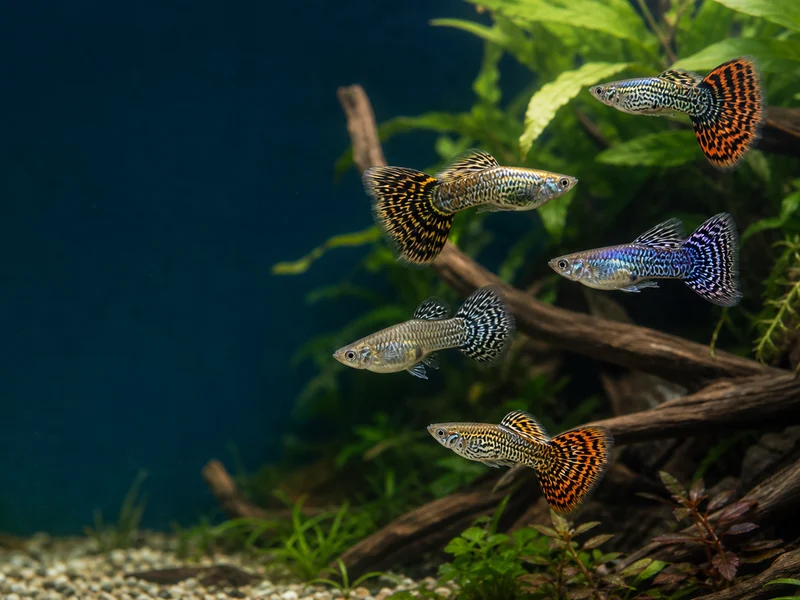
Recognizing the King Cobra look
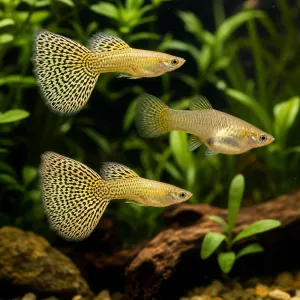
King Cobra is commonly used for guppies with a net-like, chain-like, or snakeskin-inspired body pattern. The pattern may be paired with different body colors and tail colors, so two fish described as King Cobra do not need to look identical. Photographs can also change the apparent contrast depending on tank light, background, and camera processing.
For an online purchase, the useful questions are practical: what is currently available, how many fish are included, what sex is each fish, whether imagery shows the actual group or a representative example, and whether your aquarium is ready on arrival day. A strain name by itself does not answer those questions.
Set up the aquarium before choosing the fish
Like other fancy guppies, King Cobra guppies need a cycled freshwater aquarium with stable conditions, meaningful filtration, and routine testing. The tank should be mature enough to handle the fish you plan to keep—not just the fish you can see today. Feeding, adult size, livebearing, and any unexpected fry can increase the load on a small system.
- Use a dependable thermometer and avoid rapid temperature swings.
- Test water regularly, especially after a new setup, new livestock, or a change in feeding.
- Choose tank mates based on temperament, space, and water needs—not only color compatibility.
- Provide a filtration and maintenance routine that matches the stock level.
- Keep a plan for fry before selecting a mixed-sex group.
Color, condition, and responsible expectations
Color and pattern can look different when a fish is stressed, newly moved, immature, or viewed under different aquarium lights. Stable care supports normal behavior and condition, but it is not a promise of a particular pattern intensity. Avoid making a purchase decision from a heavily edited image, a generic color label, or an assumption that offspring will repeat an exact adult appearance.
A healthy-looking fish is not defined by a single color cue. Observe activity, appetite, fins, breathing, and water conditions together. If a fish is showing urgent distress or multiple fish decline quickly, stabilize the environment and use qualified local aquatic or veterinary advice instead of relying on a color-strain guide for treatment.
Breeding and fry planning
Guppies are livebearers, and a mixed-sex group can change the stocking plan rapidly. If you intend to breed, define your goal first: a display project, selective line work, or simply responsible care for any fry produced. Keep notes on parent fish, dates, observed traits, and tank capacity. Do not claim a genetic outcome until it is observed over appropriate generations.
If you do not intend to breed, discuss a deliberate grouping approach before purchase and avoid assuming every tank mate is harmless to fry. Read the Raising Guppy Fry Guide and assess space, filtration, and water-change capacity first.
Find the right current listing
When a King Cobra listing is available, its live product page should be the source for count, sex, price, and availability. Browse the current King Cobra breeder trio listing only after reviewing its current details. For arrival day, keep the Acclimation Guide and current Shipping Policy available.
Related care guides
Build the basics first with the Complete Guppy Care Guide, then use the Feeding Guide and the current Temperature Guide. For biological species context, consult the FishBase profile for Poecilia reticulata.
For a broader comparison, browse the Guppy Strains and Types overview.
Behind the care guides
Care begins with steady systems
Our guppy guides focus on practical routines: keep water stable, observe fish closely and allow for natural variation.
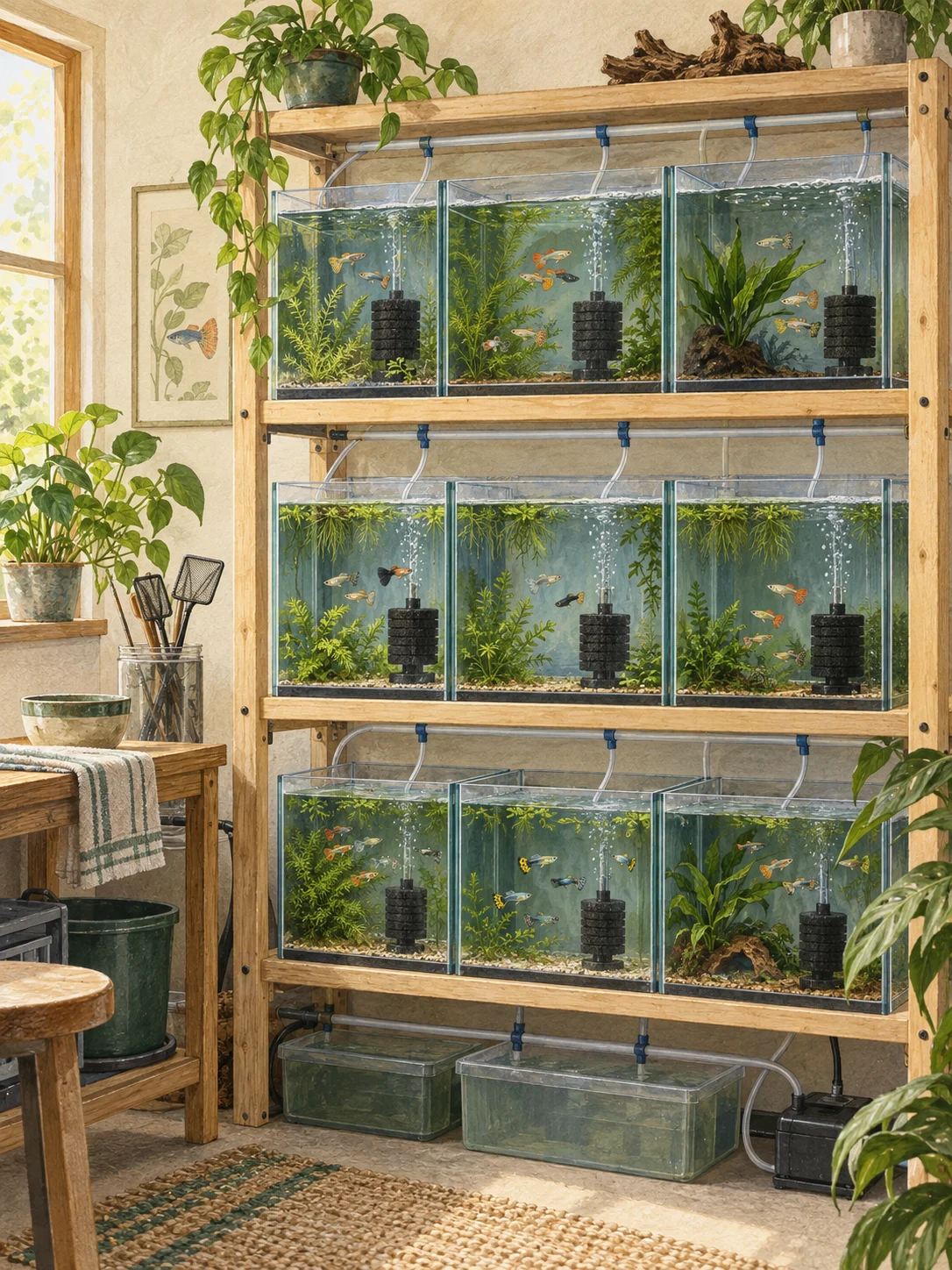
Care systems
Steady water, thoughtful care
Gentle filtration and regular observation support healthy aquarium routines.
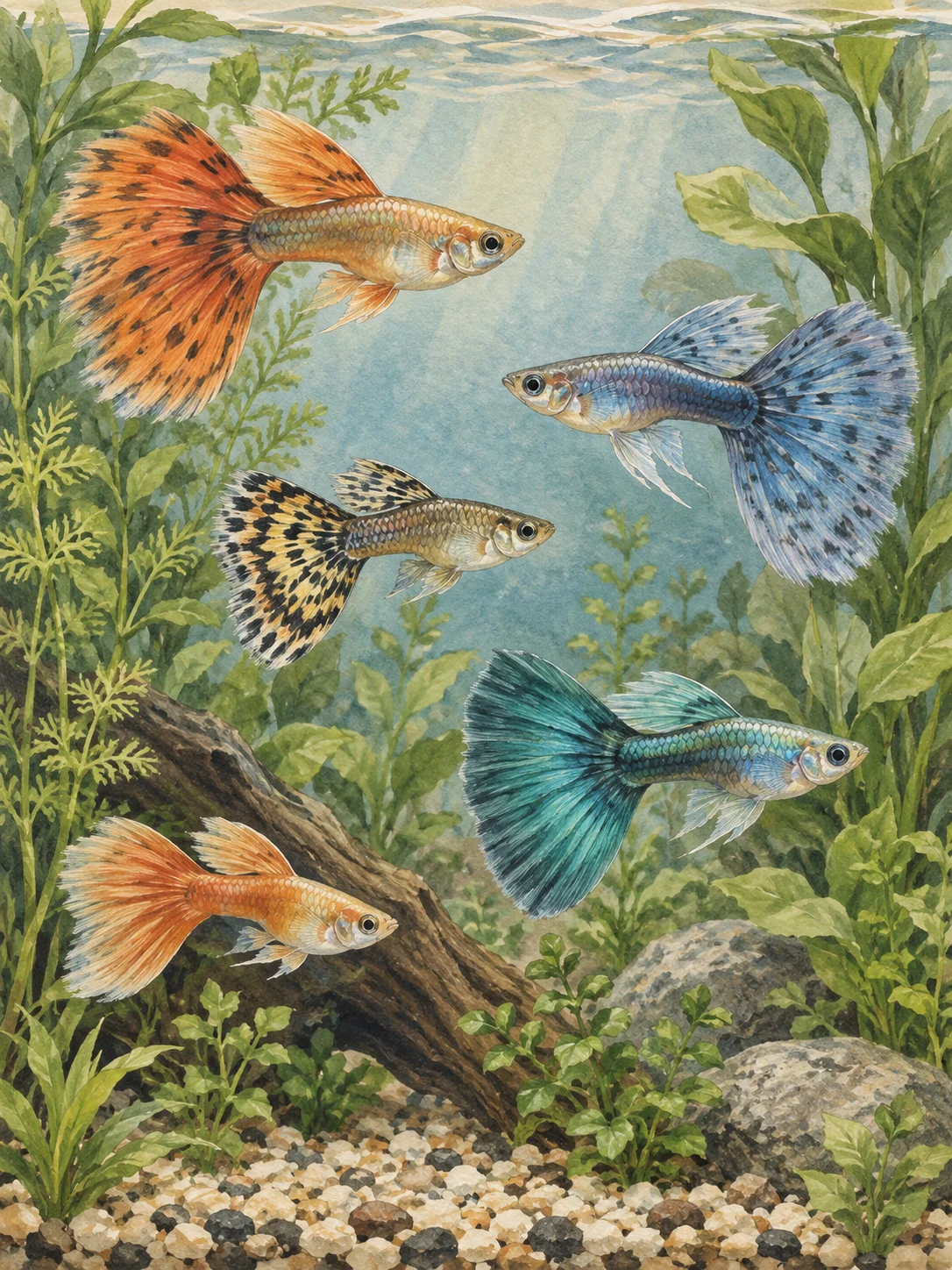
Natural variation
Every guppy is different
Color, size and fin shape vary with strain, age and each individual fish.
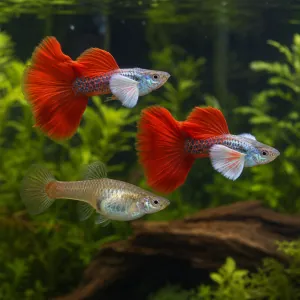
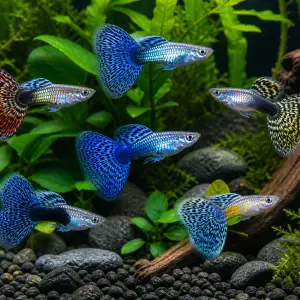
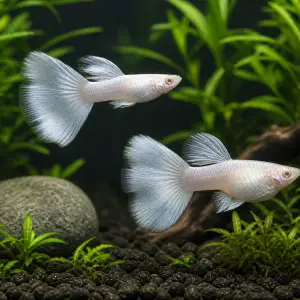
Editorial illustrations for context; they do not depict HiGuppy's exact facility or current fish stock.