Guppy Care Article
Raising Guppy Fry: Grow-Out Tank, Feeding & Survival Tips
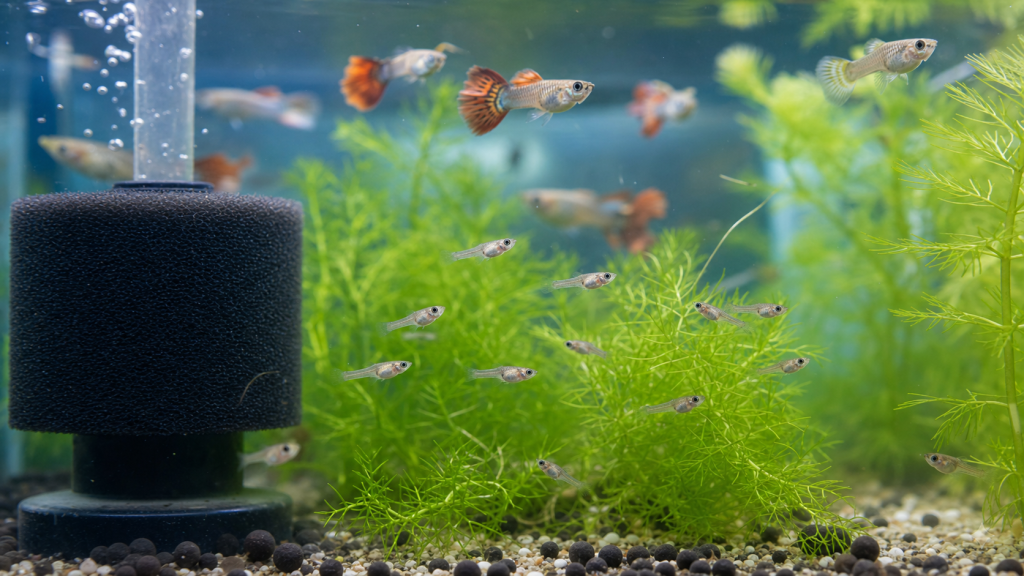
Quick answer: Raise guppy fry in a cycled grow-out tank with gentle filtration, dense plants or moss, frequent small feedings of crushed food or baby brine shrimp, and daily water maintenance. Separate fry from adults when possible to improve survival and growth.
Guppy fry are tiny, hungry, and vulnerable to poor water quality and adult predation. Raising them successfully is less about expensive gear and more about consistent feeding, gentle filtration, and realistic numbers. Many beginners are surprised by how fast a single brood fills a small tank.
Start with Guppy Breeding Guide and Male vs Female Guppy. For adult diet reference, see Best Food for Guppies and How to Care for Guppies.
Grow-Out Tank Setup
| Item | Recommendation |
|---|---|
| Tank size | 5-10 gallons minimum for one brood; larger is better |
| Filter | Sponge filter preferred for gentle flow |
| Heater | Stable 74-78°F |
| Cover | Dense plants, moss, or fry-safe mesh |
| Substrate | Bare bottom or fine sand for easy cleaning |
First Foods for Guppy Fry
Newly born fry need fine foods they can actually eat. Crushed high-quality flakes, powdered fry food, infusoria, microworms, and newly hatched baby brine shrimp are common choices. Feed small amounts several times daily rather than one large portion.
As fry grow, gradually increase particle size. Weak or stunted fry often reflect overcrowding, inconsistent feeding, or high nitrate rather than only genetics.
Water Quality in Fry Tanks
Fry tanks crash faster than adult tanks because bioload per gallon is extreme. Test ammonia and nitrite frequently in the first weeks. Small daily water changes with matched temperature are often safer than large weekly crashes.
Warning: Overfeeding fry is the fastest way to spike ammonia. If water clouds or smells, reduce food immediately and increase gentle water changes.
Separating and Culling
Separate fry from adults when you want higher survival. As they mature, separate males early if you are managing line breeding. Ethical culling of severely deformed fry is part of serious breeding programs, though casual hobbyists may simply reduce numbers through rehoming.
Frequently Asked Questions
How long until fry can join adults?
Many keepers wait until fry are large enough not to fit in adult mouths, often several weeks depending on growth.
Do I need a heater for fry?
In most homes, yes. Stable warmth supports growth and digestion.
How often should I feed fry?
Small meals 3-4 times daily are common because fry have limited stomach capacity.
Why are my fry dying?
Check ammonia, nitrite, overfeeding, and overcrowding first. Fry are sensitive to dirty water.
Can fry grow in the main tank?
Sometimes, if plants are dense and predation is low. Survival rates are usually lower than dedicated grow-outs.
When can I tell male from female fry?
Early signs may appear in weeks, but reliable sexing improves as fish mature.
How many fry should I keep?
Keep only what your tank volume and maintenance routine can support with low nitrate.
What plants help fry survive?
Guppy grass, java moss, and hornwort provide excellent cover and microfood habitat.
Want quality breeding stock to start your next generation? Browse HiGuppy pairs and trios.
Real HiGuppy photographs
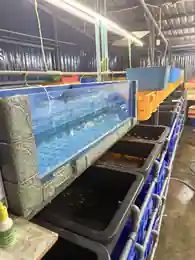
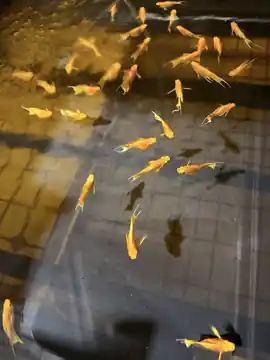
Inside the facility behind our guppy guides
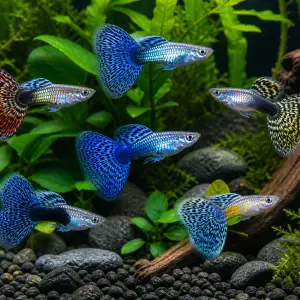
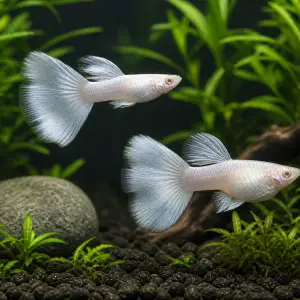
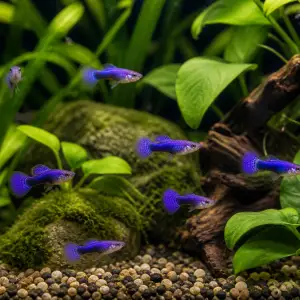
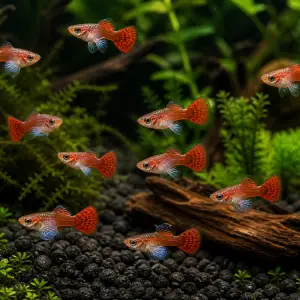
These photographs show real HiGuppy holding, breeding and observation work. They document our facility and fish stock; they are not presented as the exact individual fish or strain discussed on every page.