The HiGuppy Journal
Can Guppies Live in a Pond? Summer Setup and Safety Tips
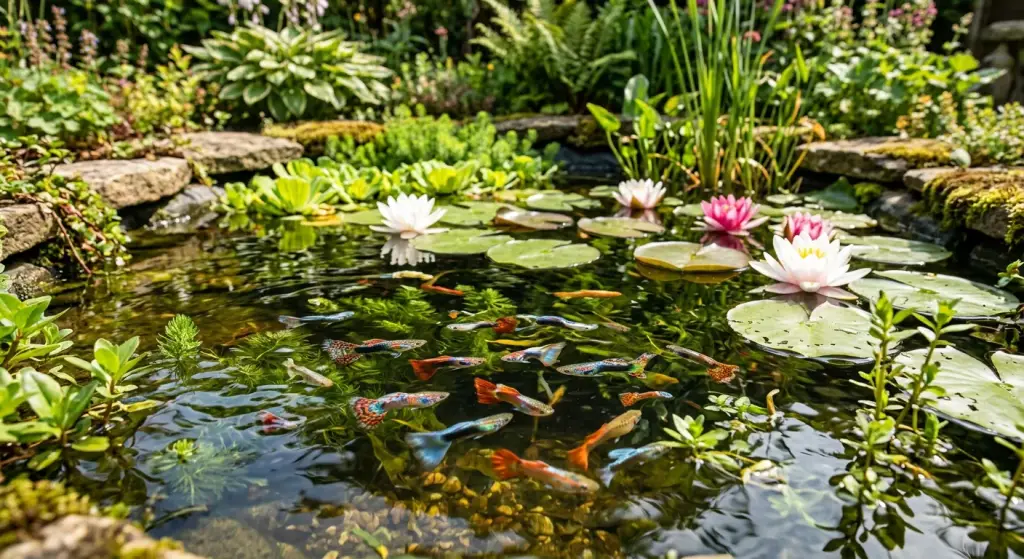
Can guppies live in a pond? Yes, but only in warm weather. Guppies are tropical fish, so they can live in a pond when the water stays steadily warm, and they must come indoors before temperatures drop. Our guppy care guide and the complete guppy care resource cover the basics you still need outdoors.
This article explains when a pond works, what can go wrong, and how to set up a safe summer home for your fish.
Can guppies live in a pond year round?
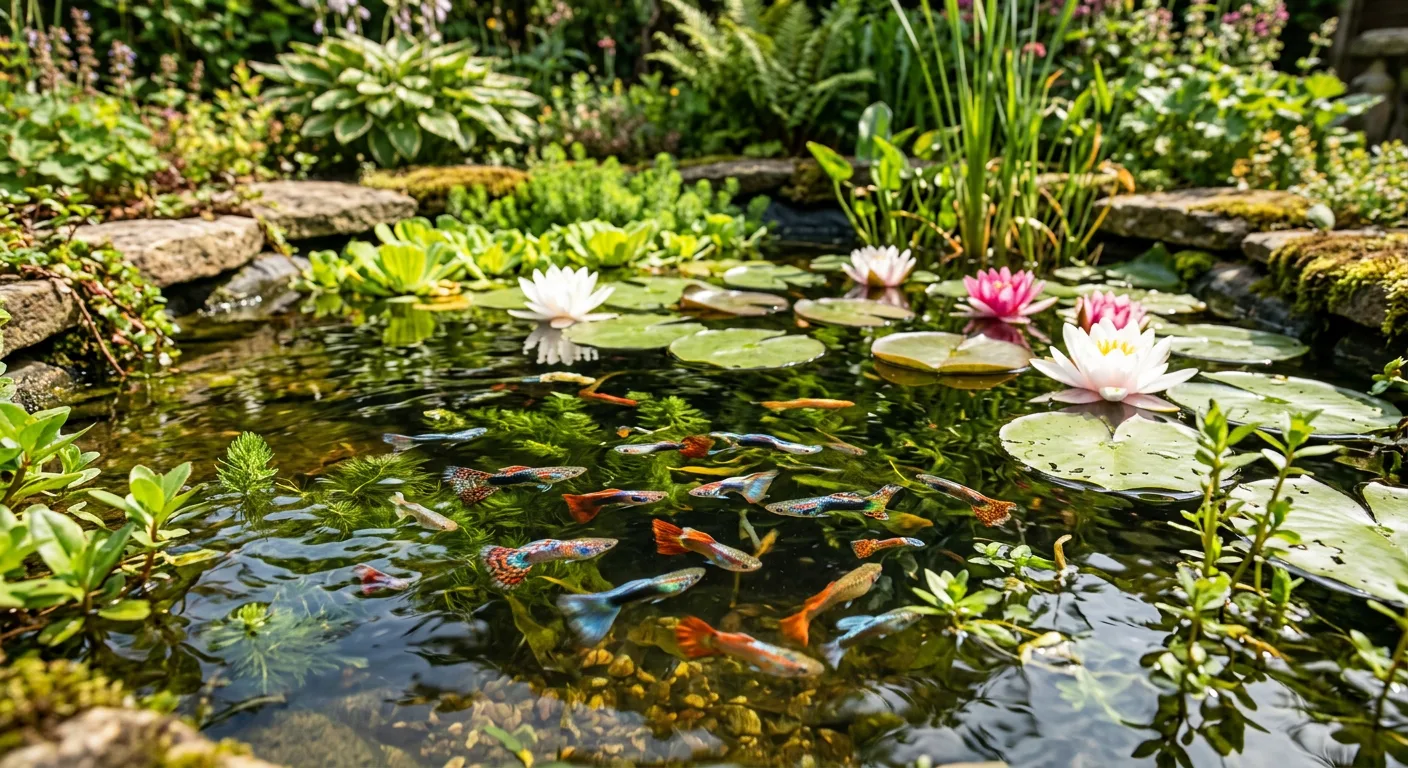
When people ask can guppies live in a pond, the honest answer depends on climate. Guppies come from warm tropical waters and do best in stable, warm conditions. In most temperate regions a pond turns too cold in autumn and winter, and sudden cold snaps stress or kill tropical fish.
Only keepers in consistently warm climates can leave guppies outside for long periods, and even then you should watch nighttime lows. For a closer look at ideal numbers, read our guppy temperature guide.
When a pond works for guppies
| Situation | Pond suitability |
|---|---|
| Warm summer days and nights | Usually fine with shade and cover |
| Cool nights or sudden storms | Risky, bring fish inside |
| Autumn and winter in a temperate climate | Not suitable, move indoors |
| Year-round tropical climate | Possible, monitor temperature daily |
Risks of keeping guppies outside
A pond is less predictable than a tank. Before you move fish out, understand the main risks.
- Temperature swings: small ponds heat up in the sun and cool fast at night.
- Predators: birds, cats, frogs and insects can eat guppies or fry.
- Water quality: rain, runoff and leaves can change the water suddenly.
- Escapes: do not release guppies into natural waterways, since non-native fish can harm local wildlife and often are not legal to release.
- Hard to monitor: you may miss illness, so see our guide to why guppies die.
How to set up a pond for guppies in summer
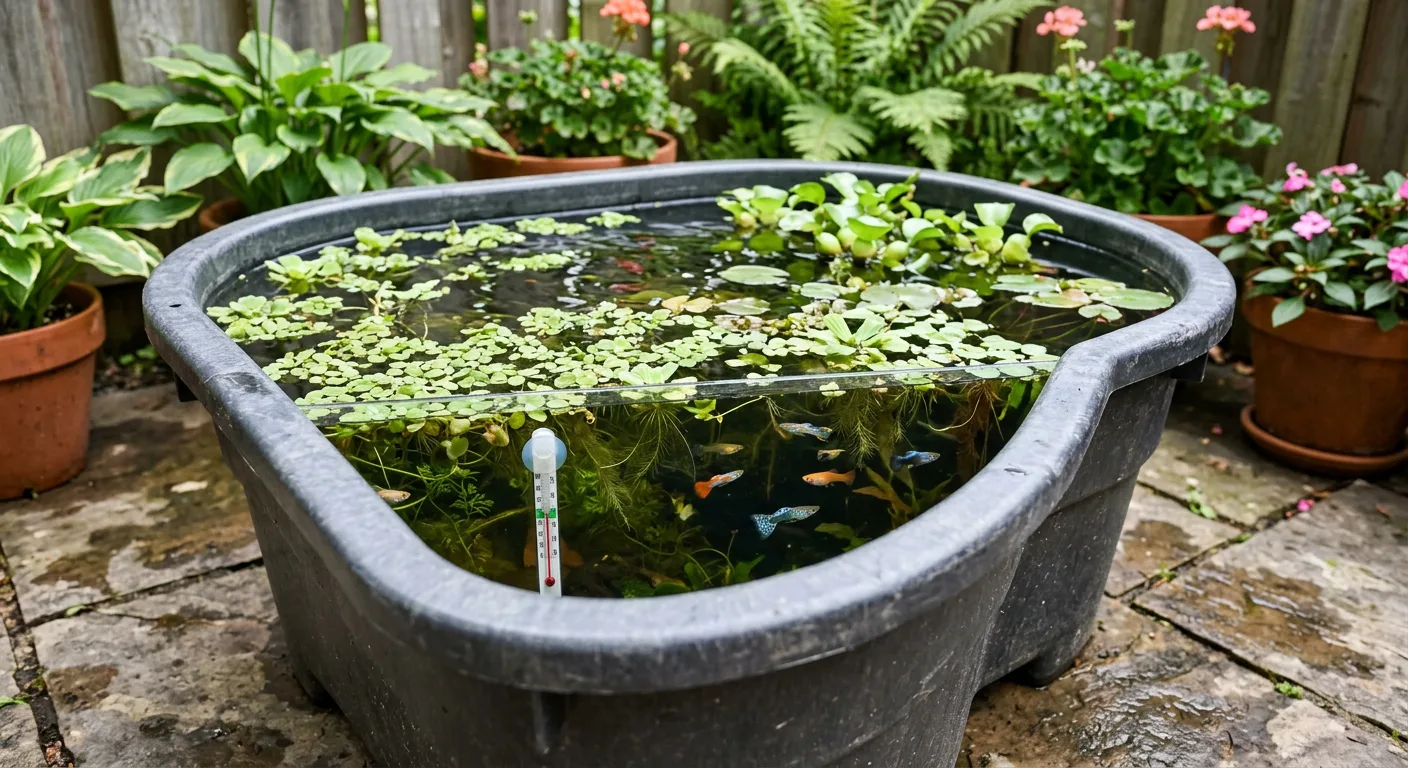
If you want to try it, many keepers use a container or small tub rather than a large pond because it is easier to control and move. Follow these steps.
- Choose a spot with morning sun and afternoon shade.
- Fill with dechlorinated water and let it settle. Our tap water guide explains treatment.
- Add floating plants and hiding places to shade the water and shelter fry.
- Cover the top with mesh to keep out birds and cats.
- Float a thermometer and check it morning and evening.
- Acclimate fish slowly using the float and drip method.
Do not overstock. A pond does not make crowding safe, so keep numbers modest and follow our guppies per gallon advice.
Feeding and care outdoors
Feed small amounts once or twice a day and remove what is not eaten. Outdoor ponds often grow algae and tiny insects that guppies may nibble, but they should not replace a quality flake or pellet. Do small partial water changes with dechlorinated water, and check the fish for clamped fins or lost color each time you feed.
Mosquito larvae are sometimes mentioned as a bonus, since guppies may eat them, but do not rely on fish alone for pest control.
Signs your guppies are struggling outdoors
Check your fish every day for the first week. Guppies that hover near the surface, clamp their fins, hide constantly or stop eating are telling you something is off. Cold water is the most common cause, but heat, poor water quality and stress from predators can look similar.
- Fish gather at the surface or gasp for air, which can point to low oxygen or poor water. See guppy gasping at surface.
- Fins stay tight against the body, a sign of stress or cold.
- Colors fade, which our guide on why a guppy loses color explains.
- Numbers drop without any bodies, which often means predators or escapes.
If you see these signs, bring the fish indoors, keep the water warm and stable, and treat any health problem in a separate tank. Acting early gives guppies the best chance to recover, and it is far easier than rescuing fish after several cold nights. Keep a spare tank, heater and net ready so the move takes minutes, not hours.
Bringing guppies indoors before it gets cold
Plan the move before the first cool nights, not after. Prepare a heated tank in advance so the fish can go straight in, and match the water temperature as closely as you can to avoid shock. A tank with a heater and filter is far steadier than any pond in cooler months. Learn whether guppies need a heater before you move them.
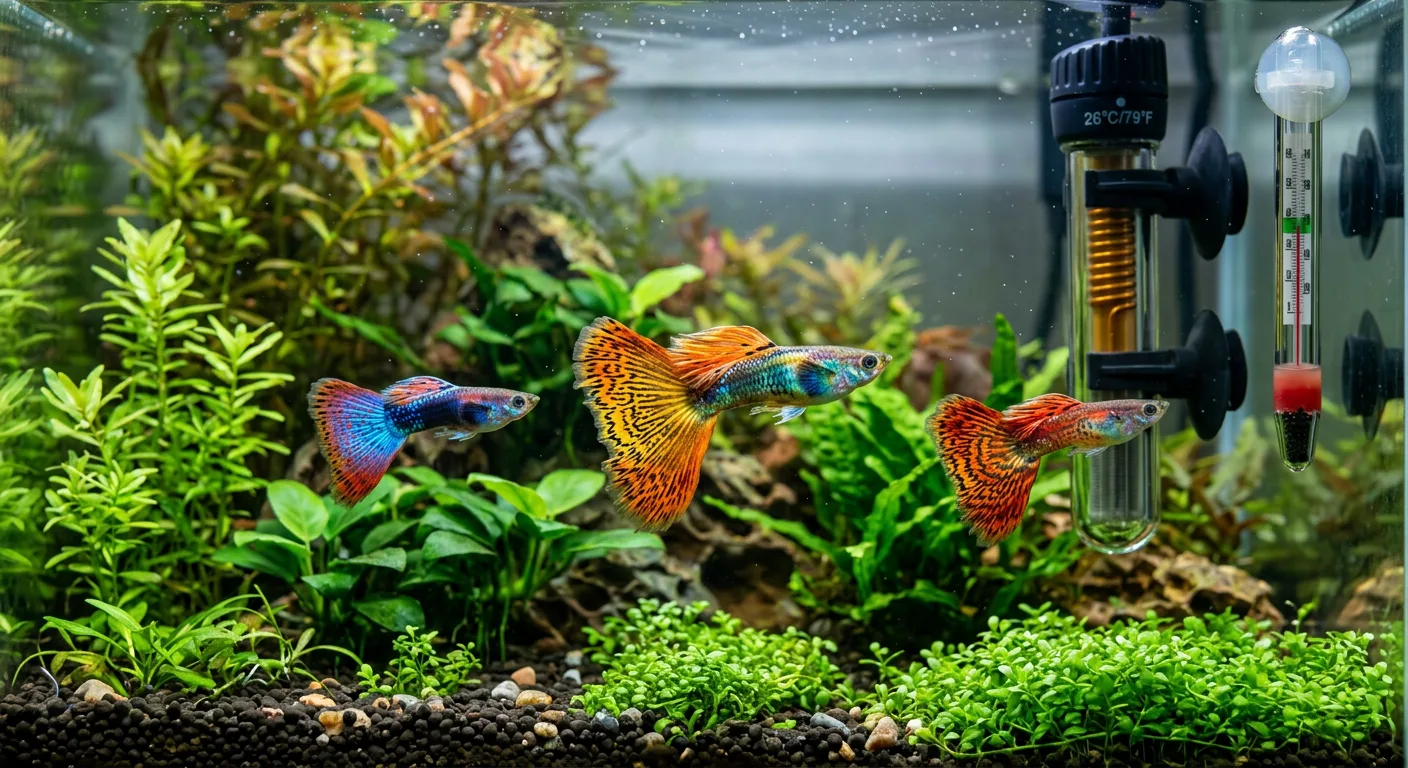
Quarantine is smart for fish that spent time outdoors, because they may have met parasites. Our quarantine guide shows how to do it simply.
Pond or tank: which is better for guppies?
| Factor | Pond or tub | Indoor tank |
|---|---|---|
| Temperature control | Weak, depends on weather | Strong with a heater |
| Predator safety | Needs a cover | Safe |
| Monitoring fish | Harder | Easy |
| Best use | Warm-season extra space | Main year-round home |
For most keepers a tank is the better main home, with a pond as an occasional summer extra. If you are starting out, see how to set up a guppy tank for beginners.
Start with healthy guppies
Strong fish cope better with change. Browse our live male guppies and plan the home before they arrive. For general background on the species, see Guppy on Wikipedia. Whether you choose a tub or a tank, the principles in our guppy care pillar page still apply.
In short, can guppies live in a pond? They can in warm weather with shade, cover and daily temperature checks, but a heated indoor tank remains the safest long-term home. Treat the pond as a seasonal bonus and keep an indoor setup ready.
Whatever you choose, introduce fish gradually, keep the water clean and avoid sudden changes. Small, careful steps matter more than any special equipment, and they make it easier to spot trouble early. If anything looks wrong, move the fish indoors first and investigate afterwards, because stable conditions help guppies recover quickly.
FAQ
Can guppies live in a pond in winter?
In most climates no. Guppies are tropical, and cold water stresses them quickly, so move them to a heated indoor tank before temperatures fall.
Can guppies live in an outdoor tub or container?
Yes, in warm weather. A tub is easier to shade, cover and move than a pond, which makes it a popular option for summer.
Will guppies survive if released into a natural pond or lake?
Do not release them. Non-native fish can harm local wildlife, and releasing pet fish is often not allowed. Keep guppies in your own contained setup.
Do guppies in a pond eat mosquito larvae?
They may eat some, but they are not a complete pest control solution. Cover water and remove standing water elsewhere as well.
Do guppies breed in outdoor ponds?
They can in warm conditions, but fry are easily eaten by predators and adults. Plenty of floating plants give fry more cover.
Behind the care guides
Care begins with steady systems
Our guppy guides focus on practical routines: keep water stable, observe fish closely and allow for natural variation.

Care systems
Steady water, thoughtful care
Gentle filtration and regular observation support healthy aquarium routines.

Natural variation
Every guppy is different
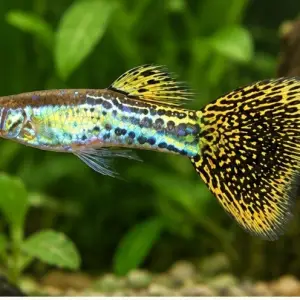
Color, size and fin shape vary with strain, age and each individual fish.
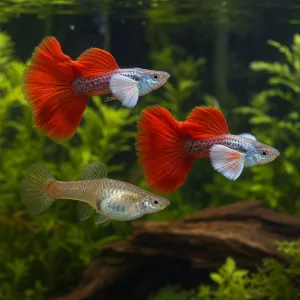
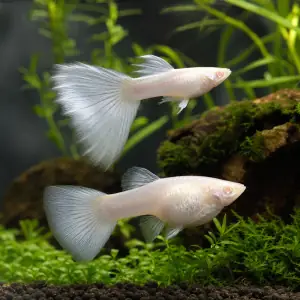
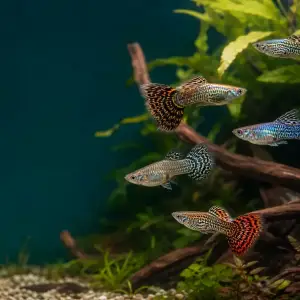
Editorial illustrations for context; they do not depict HiGuppy's exact facility or current fish stock.