Guppy Care Article
Why Is My Guppy Losing Color? Stress, Water & Health Causes
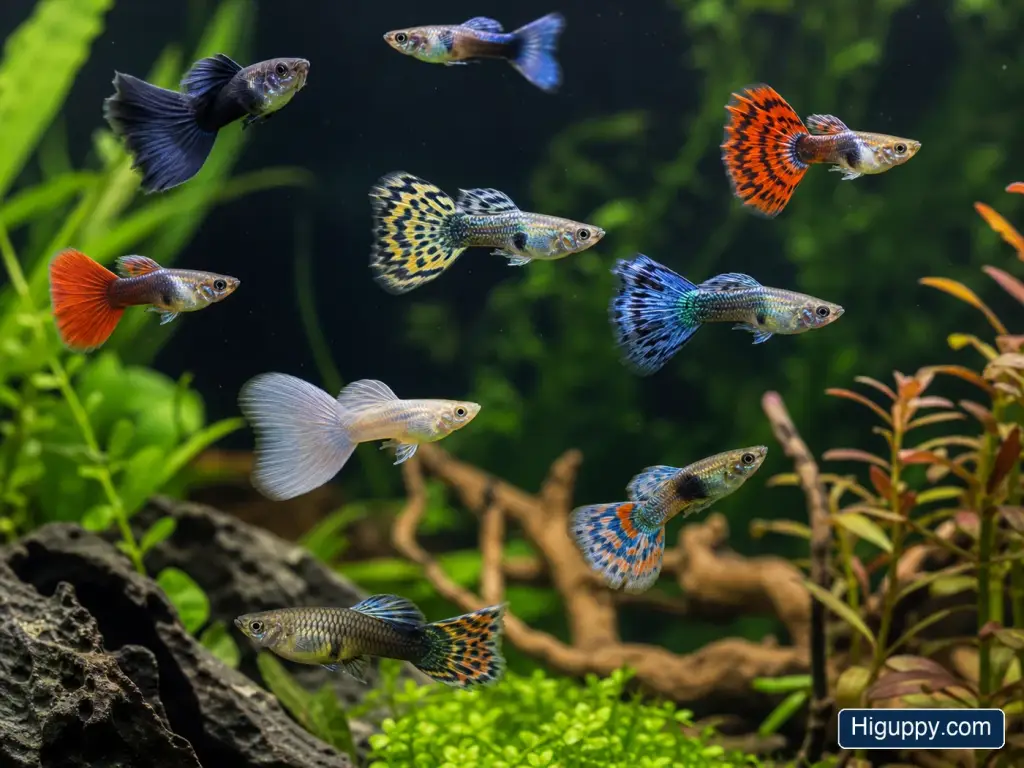
Quick answer: A guppy can look paler because of shipping or handling stress, sudden water or temperature changes, poor water quality, bullying, an imbalanced diet, lighting differences, age, or illness. Color loss by itself is not a diagnosis. First check behavior, breathing, appetite, fins, temperature, ammonia and nitrite, then look for any visible disease signs.
When a bright guppy suddenly looks washed out, the useful question is not only “why is my guppy losing color?” but also what changed around the same time? Guppy pigment is influenced by genetics, age, environment and health, so color can shift temporarily even when the fish is not sick. The fastest way to narrow the cause is to pair the color change with other observations.
Start with these five checks
- Watch the fish before changing anything. Is it swimming normally, eating and interacting, or hiding and isolating?
- Check breathing. Rapid gill movement or surface gasping can point to an urgent water or oxygen problem; see our guppy gasping guide.
- Test the water. Verify ammonia and nitrite rather than judging by water clarity. Use the guppy water parameters guide as a reference.
- Confirm temperature and equipment. Make sure the heater and filter are actually running and that the temperature has not shifted suddenly. Our guppy temperature guide explains why stability matters.
- Look for additional symptoms. Clamped fins, white spots, frayed fins, swelling, flashing, poor appetite or abnormal feces deserve a closer troubleshooting pass.
Common reasons a guppy loses color
1. Shipping, handling or a new environment
Newly arrived guppies often look less vivid than they did in a seller photo. Darkness during transport, movement, temperature changes, unfamiliar water and a new social environment can all affect how strongly color is displayed. A fish that is otherwise alert and gradually settles may regain intensity as stress decreases.
Keep the first hours calm, avoid repeatedly netting the fish and follow a consistent arrival routine. The HiGuppy acclimation guide and new-guppy quarantine guide cover the next steps after delivery.
2. Water quality problems
Stress from ammonia, nitrite, rising nitrate, chlorine or a sudden chemistry change can make a guppy look dull before more obvious signs appear. If several fish fade at the same time, investigate the shared environment first: recent water changes, filter cleaning, new livestock, overfeeding or a stalled filter.
Do not add random medications or “color boosters” before checking the basics. Correcting a water-quality problem usually matters more than trying to treat the appearance itself. Review the guppy water-change guide if your maintenance routine needs adjustment.
3. Temperature, oxygen and circulation stress
A heater failure, very warm water, poor surface movement or a clogged filter can create stress that shows up as pale color, lethargy or faster breathing. Check equipment directly rather than assuming that a heater light or filter hum means the system is performing normally.
4. Lighting and background changes
The same guppy can look dramatically different under cool versus warm aquarium lighting, against a dark versus pale background, or at night compared with daytime. Lighting changes the way pigment is perceived; it does not necessarily mean the pigment itself has disappeared.
Give guppies a regular light-dark cycle instead of leaving aquarium lights on continuously. If the fish looks normal in behavior and the “color loss” began after a light, substrate or background change, compare the fish under consistent lighting before assuming a health problem.
5. Diet and body condition
Balanced nutrition supports normal pigment expression and body condition, but food cannot create genetics a fish does not have. Underfeeding, a very narrow diet or chronic overfeeding that degrades water quality can all contribute to a dull appearance. Follow a modest, consistent feeding routine rather than chasing rapid color with heavy portions.
For daily feeding frequency, see how often to feed guppies.
6. Bullying, crowding or breeding pressure
A fish that is constantly chased may hide, clamp its fins and display less color. Review the group size, sex ratio, visual cover and tank mates. Plants and sight breaks can help, but persistent aggression may require separating fish or changing the stocking plan.
If the problem is social rather than medical, the guppy tank-mate guide can help you review compatibility.
7. Age, sex and genetics
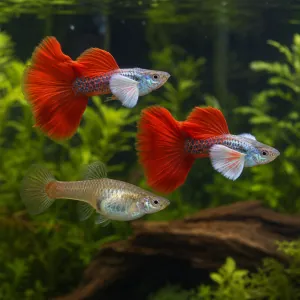
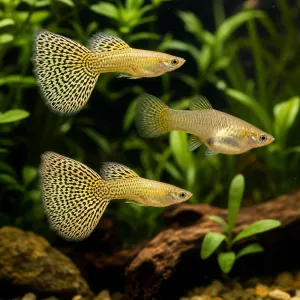
Young males can become more colorful as they mature, while older fish may lose some intensity over time. Females are often naturally subtler than males, and some strains simply express color differently from one individual to another. Compare a fish with its own earlier appearance rather than with heavily edited product images or a different strain.
When color loss may point to illness
Color loss becomes more concerning when it appears with other abnormal signs. Watch for:
- clamped fins or persistent hiding;
- rapid breathing or surface gasping;
- white spots, a dusty coating or flashing;
- frayed fins, sores or cotton-like lesions;
- swelling, pineconing or abnormal buoyancy;
- loss of appetite, weight loss or unusual feces.
If these signs are present, use the Guppy Diseases Guide to narrow the pattern. A fish holding its fins tightly may also benefit from the clamped-fins checklist. Avoid treating color loss alone with medication; identify the underlying problem first whenever possible.
How to help a pale guppy recover
- Stabilize temperature and verify the filter is running normally.
- Test ammonia and nitrite, then review nitrate and recent maintenance.
- Reduce unnecessary handling and give new arrivals a quiet adjustment period.
- Feed a balanced diet in small portions and remove leftovers.
- Reduce bullying or crowding if one fish is being pressured.
- Track the fish for changes in appetite, breathing, fins, feces and swimming instead of judging color alone.
Once your aquarium is stable and you are ready to add healthy stock, you can browse the current HiGuppy shop. The priority should always be tank readiness first, purchase second.
Frequently asked questions
Why did my guppy lose color after shipping?
Transport, darkness, temperature changes and a new environment can temporarily reduce visible color. If the fish is breathing normally, eating and gradually settling, monitor it in stable water before assuming disease.
Can bad water make a guppy pale?
Yes. Water-quality stress can affect both behavior and appearance. Test ammonia and nitrite first, then review nitrate, temperature, recent water changes and filter performance.
Does guppy food improve color?
Good nutrition supports the color a guppy is genetically capable of expressing, but it cannot create a pattern or pigment the fish does not possess. Overfeeding to “boost color” can worsen water quality.
Is fading color a sign that my guppy is dying?
Not by itself. Color can change for many non-disease reasons. Treat it as more urgent when fading is paired with breathing difficulty, severe lethargy, loss of balance, visible lesions, swelling or refusal to eat.
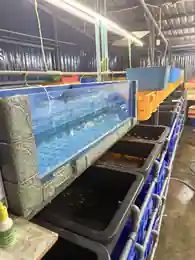
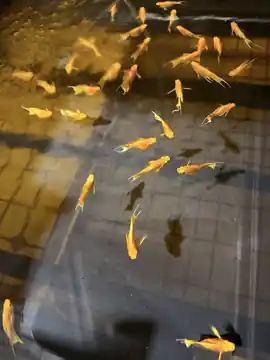
Real HiGuppy photographs
Inside the facility behind our guppy guides
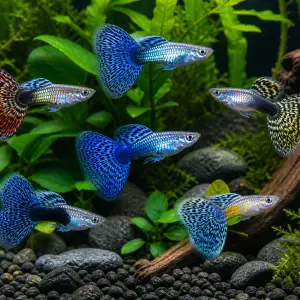
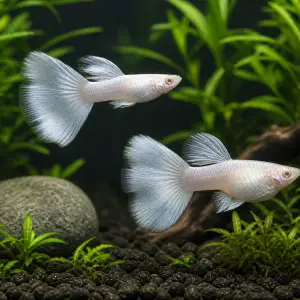
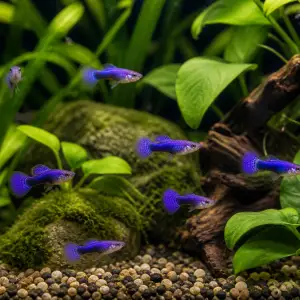
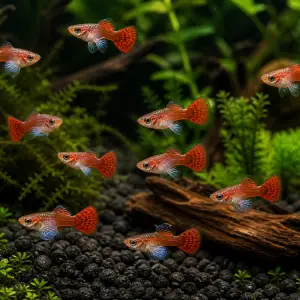
These photographs show real HiGuppy holding, breeding and observation work. They document our facility and fish stock; they are not presented as the exact individual fish or strain discussed on every page.