The HiGuppy Journal
How Long Do Guppies Live? Lifespan, Stages and How to Extend It
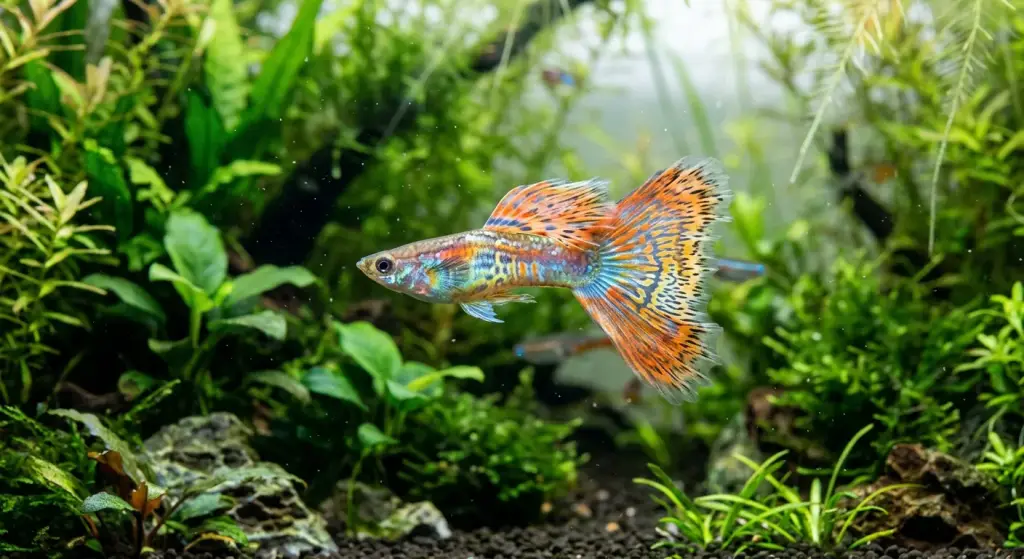
How long do guppies live? Most pet guppies live about 2 to 3 years, and well-kept fish can occasionally reach 4 or even 5 years. Wild and feeder-type guppies often live shorter lives, and fancy males sometimes age a little faster than females. Water quality, temperature, diet, genetics and stress decide where in that range your fish land. Our complete guppy care guide covers the daily routine behind every tip below.
This guide explains the typical guppy lifespan, the life stages you will see, the factors that shorten or extend a guppy’s life, and a practical step-by-step plan to help your fish live as long as possible. Every number is a general range, so adjust it for your own fish, tank and strain.
How long do guppies live? The typical lifespan
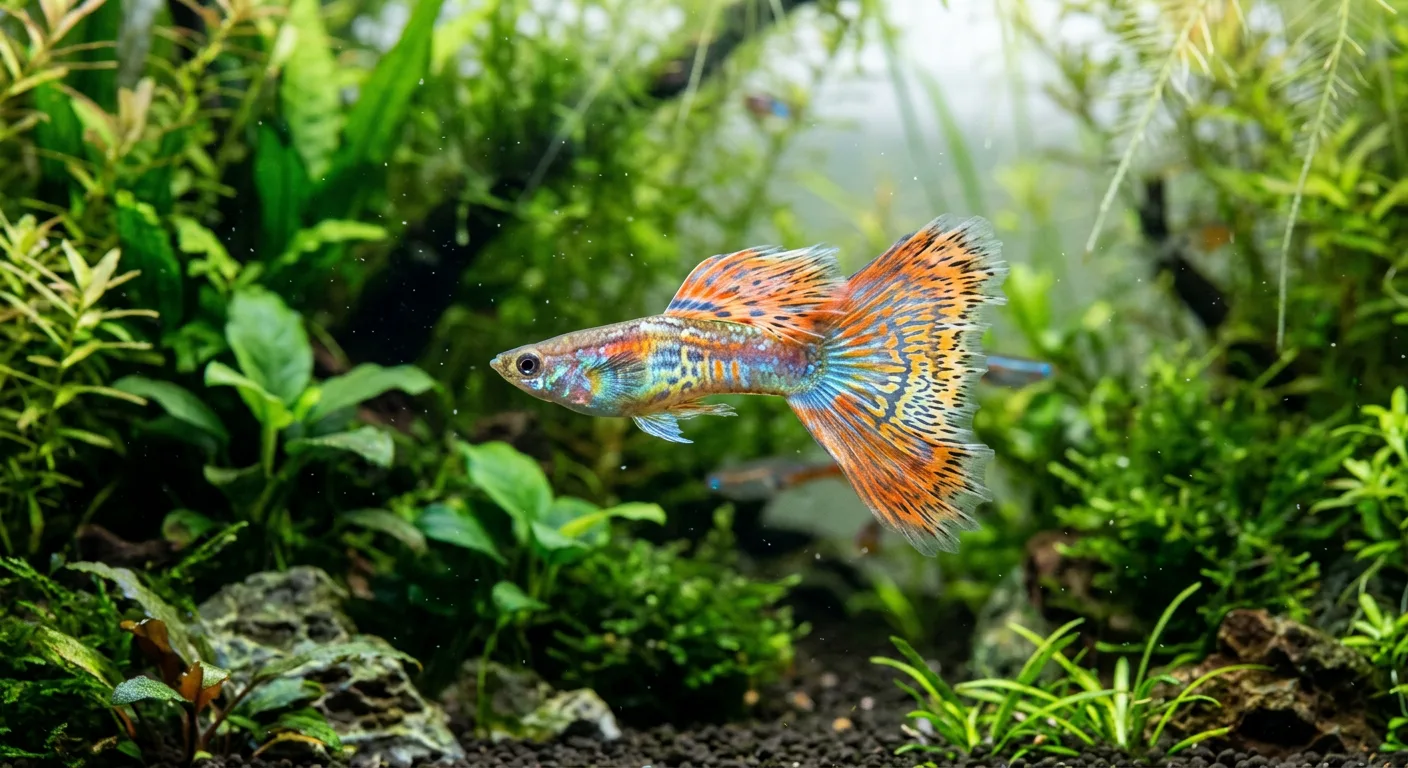
The honest answer to “how long do guppies live” is a range, not a single number. Guppies are small, fast-maturing livebearers, and that fast life history means they do not live as long as larger aquarium fish. You can read general background on the species in the guppy article on Wikipedia.
Lifespan ranges you can expect
Most hobbyists report that healthy guppies kept in a stable, cycled aquarium live roughly 2 to 3 years. Some keepers see fish pass 4 years, and a few report even longer, but those are the exception. Guppies kept in bowls, overcrowded tanks or unstable water often live only a year or less.
| Care level | Typical lifespan | What it looks like |
|---|---|---|
| Poor (bowl, no filter, rare water changes) | Under 1 year | Frequent illness, stunted growth, sudden deaths |
| Average (cycled tank, irregular care) | 1 to 2 years | Occasional fin damage or stress, mixed results |
| Good (stable tank, weekly water changes, quality food) | 2 to 3 years | Active, colorful, breeds regularly |
| Excellent (stable, planted, low stress, good genetics) | 3 to 5 years | Slow, graceful aging with few health problems |
Male vs female guppy lifespan
Females often live a little longer than males in home aquariums, although the difference is not huge. Males spend a lot of energy on color, display and chasing females, and big flowing tails are costly to carry. Females lose energy to repeated pregnancies. Both sexes live longest when the male to female ratio is sensible and nobody is harassed. Our guide to the male vs female guppy differences shows how to tell them apart.
Why guppies do not live as long as bettas or goldfish
Guppies mature in a few months and breed quickly. That strategy favors speed over longevity. A guppy has little biological room for error, so small water problems that a larger fish shrugs off can shorten a guppy’s life. The good news is that this also means you have a lot of control over the outcome.
The guppy life cycle: stage by stage
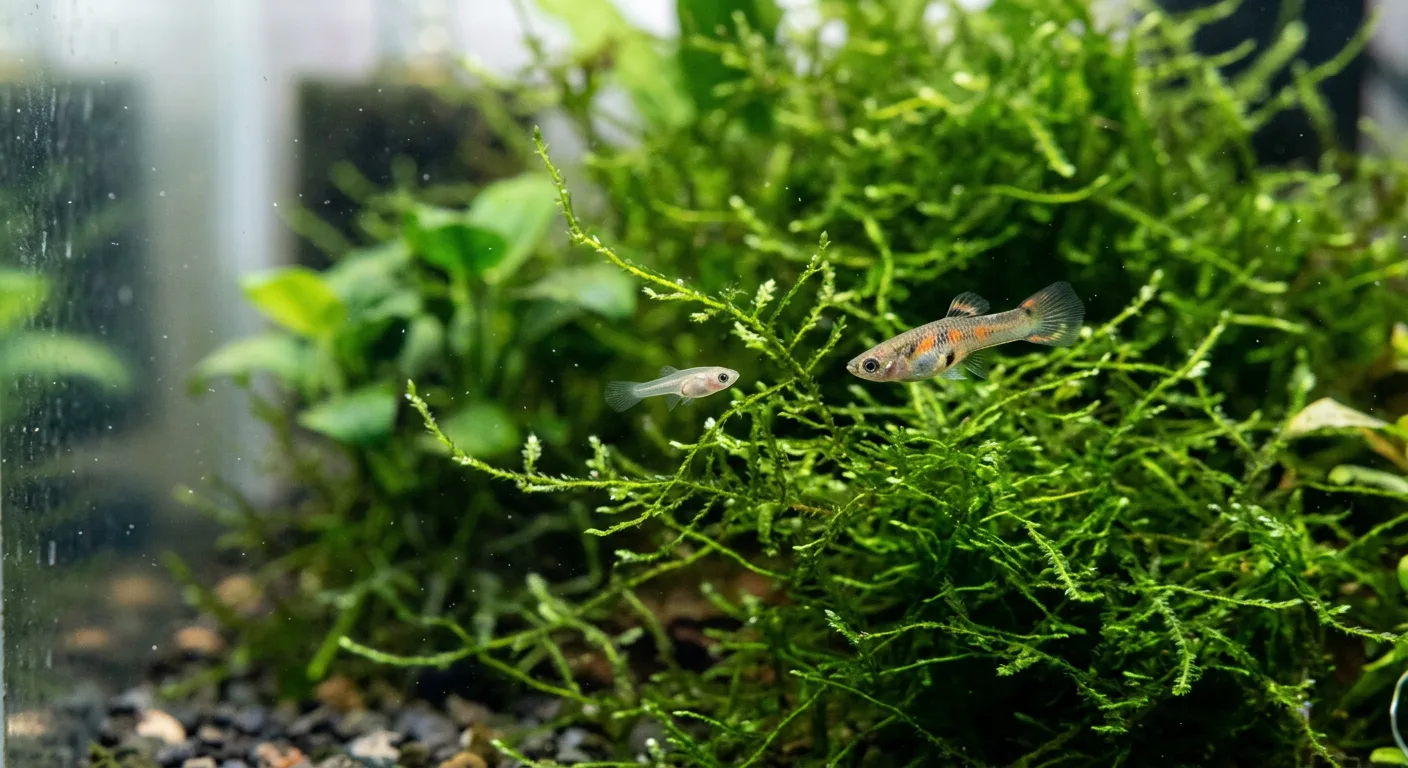
Knowing the stages helps you judge whether your guppy is young, adult or reaching old age. Timing varies with temperature, feeding and genetics, so treat the ages below as rough guides.
| Stage | Approximate age | What is happening |
|---|---|---|
| Newborn fry | 0 to 4 weeks | Tiny free-swimming fry hide and feed several times a day |
| Juvenile | 1 to 3 months | Fast growth, color begins to show, sex becomes visible |
| Young adult | 3 to 6 months | Sexual maturity, first breeding, full color in males |
| Prime adult | 6 months to about 2 years | Peak color, tail size and breeding output |
| Senior | 2 years and up | Slower, fewer pregnancies, color may fade |
Fry and juveniles
The first weeks decide a lot. Fry that are fed small meals often and kept in clean water grow faster and stay healthier later in life. See our guide to raising guppy fry and the guppy fry feeding schedule for step-by-step help.
Adults in their prime
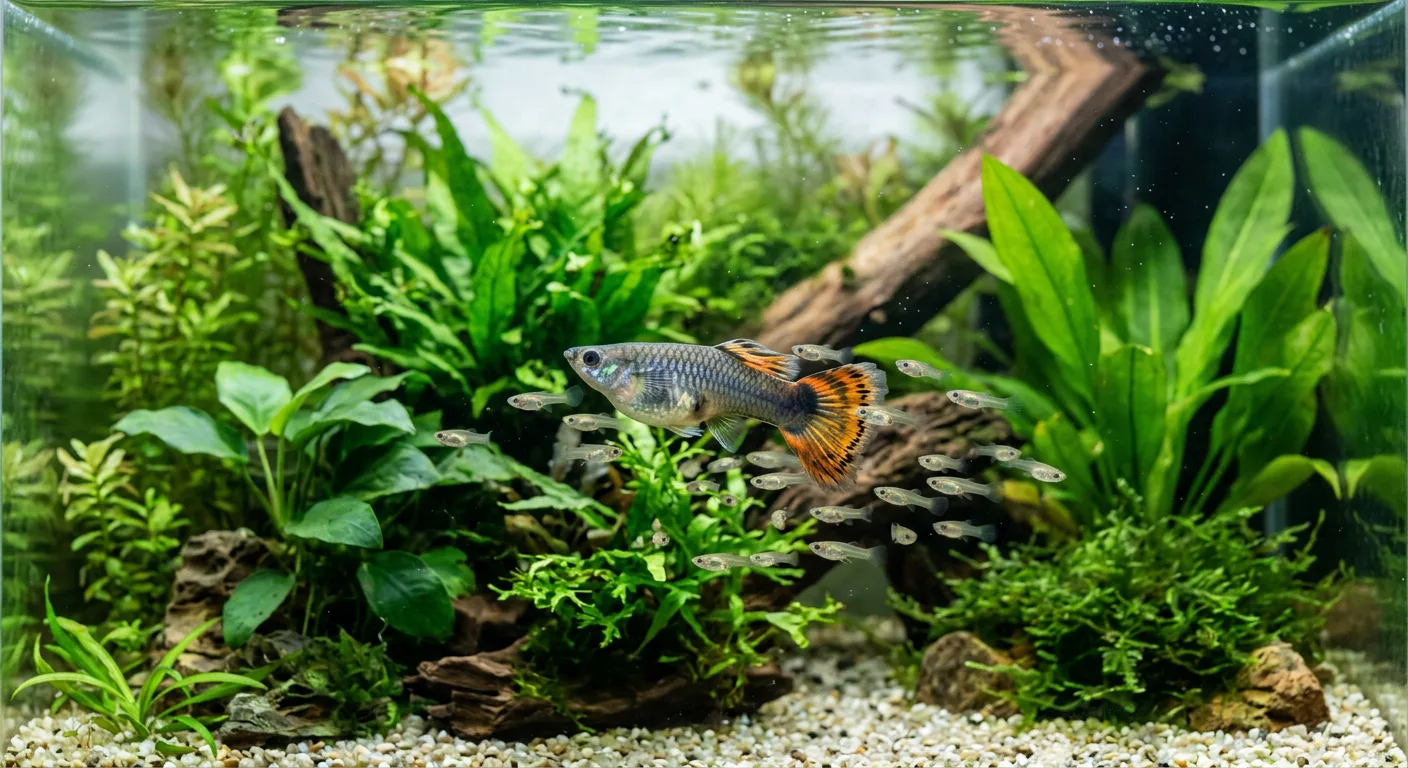
From roughly six months to two years, a guppy is in its prime. Males show their best color and tail development, and females can deliver a brood about every 4 to 6 weeks. Gestation is roughly 21 to 30 days, covered in our guppy pregnancy stages article.
Old age
Senior guppies slow down. Females may stop producing broods or deliver smaller ones. Males may lose some brightness, and fins can look thinner or more ragged. Some aging fish develop a curved spine or a thinner body. These changes are normal when they arrive gradually in an older fish, but they are a warning sign if they appear in a young one.
What shortens a guppy’s life
Most early guppy deaths are preventable. These are the biggest culprits, roughly in order of how often they appear.
Poor water quality
Ammonia and nitrite damage gills and organs, and even low-level nitrate over a long time stresses the immune system. Uncycled tanks and overfeeding are the usual causes. Read ammonia poisoning in guppies and nitrite poisoning in guppies to learn the warning signs.
Temperature swings
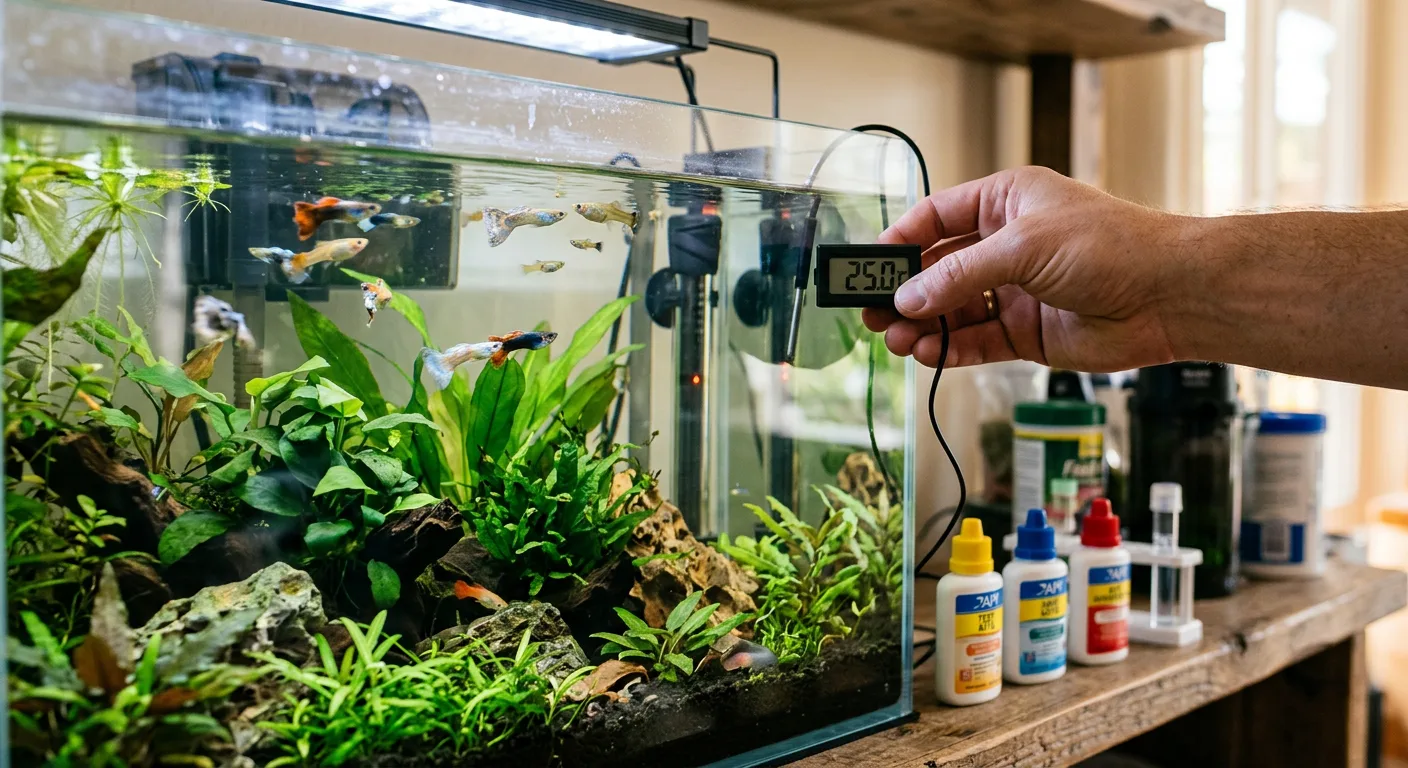
Guppies tolerate a range, but sudden changes are dangerous. A stable temperature in the mid-70s to about 80 degrees Fahrenheit (roughly 24 to 27 degrees Celsius) suits most tanks. Very warm water speeds up metabolism and may shorten life, while cold water slows immunity and invites disease. See the guppy temperature guide for details.
Overcrowding and bad tank mates
Too many fish in too little water creates constant stress and dirty water. Fin nippers and aggressive fish do the same. Check the numbers in how many guppies per gallon before adding more fish.
Overfeeding and poor diet
Too much food fouls the water and can cause bloating and digestive problems. Too little, or a diet of one cheap flake, leaves fish weak. Aim for variety and small portions, as explained in overfeeding guppies.
Stress, disease and weak genetics
Chronic stress from chasing, shipping, loud tanks or sudden changes lowers resistance. Heavily inbred or poorly bred fish can also be weaker and shorter lived. Buying from a breeder who selects for healthy, vigorous fish makes a real difference. Our guide on guppy inbreeding explains the risks.
Quick reference: causes and fixes
| Problem | Typical effect | Fix |
|---|---|---|
| Uncycled tank | Ammonia or nitrite burns, sudden deaths | Cycle the filter, test water, change water |
| Skipped water changes | Nitrate buildup, weak immunity | Weekly partial water changes |
| Temperature swings | Stress, disease | Use a reliable heater and thermometer |
| Overcrowding | Stress, aggression, dirty water | Reduce stocking, upsize the tank |
| Overfeeding | Bloat, fouled water | Feed only what is eaten in about 2 minutes |
| Poor genetics | Weak fish, deformities | Buy from careful breeders |
How to help your guppies live longer: a step-by-step plan
Follow these steps in order. They are simple, but together they can add a year or more to your guppies’ lives compared with careless care.
- Cycle the tank before adding fish. A cycled filter converts ammonia into nitrite and then nitrate. Fishless cycling takes a few weeks, and it is the single best investment you can make.
- Choose the right tank size. A 10 gallon tank is a good starting point for a small group, and bigger water volumes are more stable. See our best tank setup for guppies.
- Use a heater and thermometer. Keep the temperature steady in the roughly 74 to 80 degrees Fahrenheit range and avoid daily swings.
- Test water weekly. Ammonia and nitrite should read zero. Keep nitrate low, commonly under about 20 to 40 ppm in a guppy tank.
- Do weekly partial water changes. Many keepers change 20 to 30 percent weekly, and always treat tap water with a dechlorinator. See the water change schedule.
- Feed small portions once or twice a day. Remove excess food and give one fasting day a week if the tank is heavily stocked.
- Add plants and hiding places. Cover lowers stress and gives fry and females shelter.
- Quarantine new fish. A separate tank for two to four weeks protects your established fish from disease.
Check your parameters
| Parameter | Target range |
|---|---|
| Temperature | About 74 to 80 F (23 to 27 C) |
| pH | Stable, commonly 6.8 to 7.8 |
| GH | Moderately hard, commonly 8 to 15 dGH |
| KH | Roughly 4 to 8 dKH to hold pH steady |
| Ammonia and nitrite | 0 ppm |
| Nitrate | Under about 20 to 40 ppm |
Stability matters more than chasing exact numbers. A guppy living in steady pH 7.2 will usually do better than one bounced between 6.5 and 8.0 by constant adjustments. Our guppy water parameters guide explains each value.
Feeding for a long, healthy life
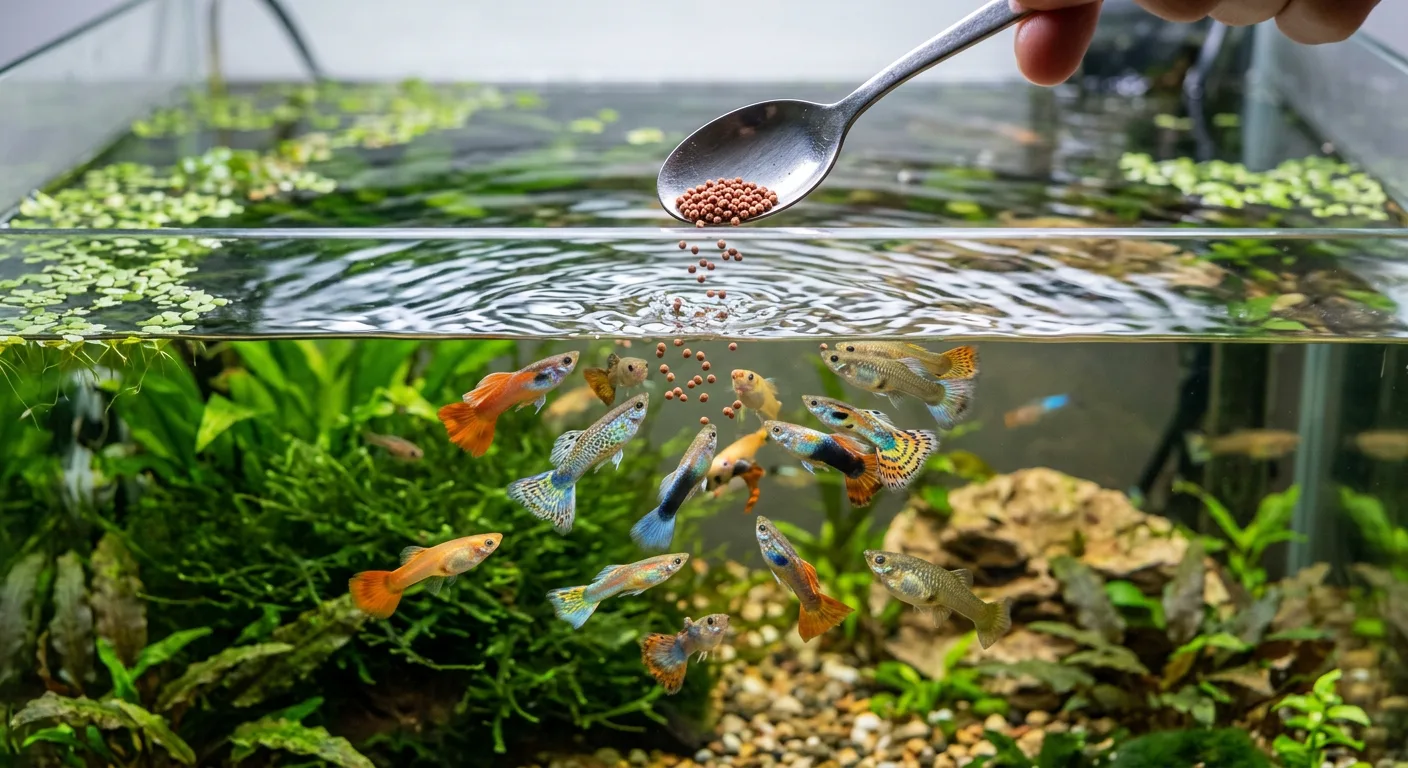
Diet shapes growth, color, immunity and breeding. A balanced guppy diet combines a quality flake or micro-pellet as the base with occasional frozen or live foods and some plant matter.
What a good weekly menu looks like
- Daily: a high-quality flake or small pellet made for livebearers.
- Two or three times a week: frozen or live brine shrimp, daphnia or bloodworms as treats.
- Occasionally: blanched vegetables like peas without the skin, or spirulina-rich foods.
- Once a week: a short fast day to let digestion reset.
For feeding frequency, read how often to feed guppies. For color-focused diets, see best food for guppy color growth.
Portion rule that works
Feed only what your guppies finish in about two minutes. If food reaches the bottom and sits there, you fed too much. Overfeeding is quiet and common, and it ruins water long before fish look unwell.
Breeding, pregnancy and lifespan
Repeated pregnancies take a toll on females. A female can store sperm and have several broods from a single mating, so she may become pregnant again and again without any new male. If you want healthier, longer-lived females, give them recovery time and good food.
Protecting breeding females
Keep the male ratio reasonable, commonly two or three females per male, so no female is harassed constantly. Provide plenty of plants. If you run a breeding project, rest females between broods when you can and avoid breeding them past their prime. See how to breed guppies for a full walkthrough.
Do fancy strains live shorter?
Highly selected fancy strains with very large tails may have a slightly shorter or more fragile life than hardy, plain fish, especially if inbred. That does not mean fancy guppies die young by default. With stable care, healthy fancy guppies from careful breeders can still reach two or three years. When you shop, look at our male guppies and premium guppy pairs selections.
Signs of a healthy guppy vs an aging or sick guppy
Looking at your fish every day is the cheapest way to extend their lives. Catching problems early gives you time to act.
Healthy guppy checklist
- Swims actively through the tank, not hiding or hovering in one corner.
- Fins are open and held out, not clamped.
- Clear eyes and smooth, undamaged skin and scales.
- Eats eagerly and has a rounded but not bloated belly.
- Colors are bright and consistent.
Normal aging vs illness
| Sign | Likely normal aging | Likely a problem |
|---|---|---|
| Slower swimming | Gradual change in a 2-year-old fish | Sudden change in a young fish |
| Fading color | Slow, mild fading over months | Rapid color loss, see why guppies lose color |
| Thin body | Slow thinning in a senior fish | Quick weight loss, see skinny guppy |
| Hiding | Occasional rest | Constant hiding, see why is my guppy hiding |
If you are unsure, check the water first. In most sick-fish situations, a test kit tells you more than the fish do. When illness is suspected, move the fish to a hospital tank as described in our guide to a quarantine and hospital tank.
Common mistakes that cut lives short
Starting with fish from unknown sources
Weak, stressed or inbred fish rarely thrive. Choose healthy fish from a seller who ships carefully. Our article on how to choose healthy guppy fish online lists what to inspect on arrival.
Skipping acclimation
Dumping fish straight into a new tank can shock them. Take time to float the bag and add tank water slowly. See quarantine vs acclimation.
Cleaning the filter with tap water
Rinsing media in chlorinated tap water kills beneficial bacteria and can trigger a mini-cycle. Rinse filter media in old tank water you removed during a water change instead.
Changing too much too fast
Large swings in temperature, pH or water hardness hurt more than slightly imperfect but stable numbers. Make adjustments gradually.
Ignoring early symptoms
Clamped fins, white spots, gasping at the surface or sudden isolation all deserve action the same day. Quick care often saves the fish.
Tips for beginners and experienced keepers
For beginners
- Cycle first, buy fish second.
- Buy a liquid test kit rather than relying on strips.
- Start with a modest group rather than filling the tank on day one.
- Keep a simple log of water changes and test results.
For experienced keepers
- Keep some older, hardy fish in your lines and breed from healthy, vigorous parents.
- Rotate bloodlines to avoid inbreeding trouble.
- Watch nitrate trends and adjust stocking or water change volume.
- Use live plants to buffer water and shelter stressed fish.
If you want to start with healthy stock, browse our breeder trios. For more advanced husbandry, return to the guppy care guide any time.
Lifespan checklist
- Tank fully cycled before fish are added.
- Stable temperature, roughly 74 to 80 F.
- Ammonia and nitrite at zero, nitrate low.
- Weekly 20 to 30 percent water change with dechlorinator.
- Small feedings, varied diet, one fast day weekly.
- Plants and hiding places for cover.
- Sensible stocking and peaceful tank mates.
- New fish quarantined and acclimated slowly.
- Daily look at every fish for early warning signs.
Real-life examples
The bowl guppy
A guppy kept in a small unfiltered bowl with water changed monthly may look fine for a few weeks. Ammonia builds quietly, the fish gets stressed, and illness appears within months. Moving the same fish into a cycled, heated 10 gallon tank often changes the picture dramatically within weeks.
The steady community tank
A hobbyist with a 20 gallon planted tank, weekly water changes and a modest guppy group often sees fish live two to three years with few losses. Nothing fancy is involved. The secret is boring consistency.
The overbred colony
A fast-growing colony in a crowded tank can look impressive for a season and then collapse as water quality slips and weak, inbred fish die off. Culling thoughtfully, rehoming extras and refreshing bloodlines keeps the colony healthy for years.
FAQ
How long do guppies live in a tank?
In a stable, cycled home aquarium, most guppies live around 2 to 3 years. Some reach 4 or 5 years with excellent care and good genetics. Poor conditions can cut that to under a year.
How long do guppies live without a filter or heater?
They may survive for a while, but lifespan is usually shorter. Without a filter, ammonia builds up, and without a heater, temperature swings stress the fish. A filter and heater are cheap compared with the value of long-lived fish.
How can I tell how old my guppy is?
It is hard to tell exactly. Fry under a month are tiny, juveniles show color from about 1 to 3 months, and adults are fully developed by about 6 months. Beyond that, you can only guess from size, activity and condition, so ask the seller for the hatch date when you can.
Do male guppies die earlier than females?
Often, but not always. Males put energy into color and display, so they may age slightly faster. Females face the strain of repeated pregnancies. Good care matters more than sex.
Why did my new guppies die so quickly?
Early deaths are usually caused by shipping stress, an uncycled tank, a temperature or pH shock, or disease from poor acclimation. Test your water and review our guide on what to do when guppies arrive.
Can guppies live 5 years?
It is possible but uncommon. A guppy that reaches 5 years usually has strong genetics and years of stable water, good food and low stress. Aiming for 2 to 3 healthy years is a more realistic target.
Does water temperature change how long a guppy lives?
It can. Very warm water speeds metabolism and may shorten life, while cold water weakens immunity. A steady temperature in the mid-70s to about 80 F is a safe middle ground.
Do fancy guppies live shorter lives than regular guppies?
Not necessarily. Heavily inbred fancy lines can be more delicate, but fancy guppies from careful breeders and kept in stable tanks can live just as long as plain ones.
Final thoughts
So, how long do guppies live? With stable water, a heater, a cycled filter, a sensible diet and low stress, you can reasonably expect 2 to 3 years, and sometimes more. Most of what shortens a guppy’s life is preventable, and most of what extends it is simple daily habit. If you are ready to add healthy stock, see our guppy fry packs or ask us about your tank. For everything else, keep our guppy care guide handy.
Behind the care guides
Care begins with steady systems
Our guppy guides focus on practical routines: keep water stable, observe fish closely and allow for natural variation.

Care systems
Steady water, thoughtful care
Gentle filtration and regular observation support healthy aquarium routines.

Natural variation
Every guppy is different
Color, size and fin shape vary with strain, age and each individual fish.
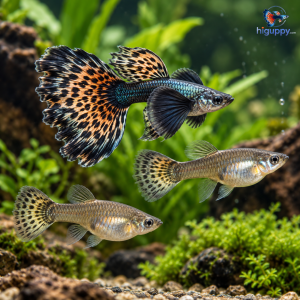
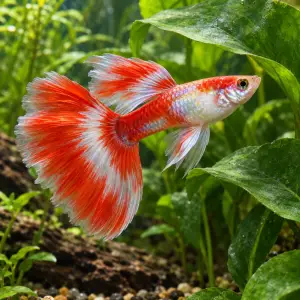
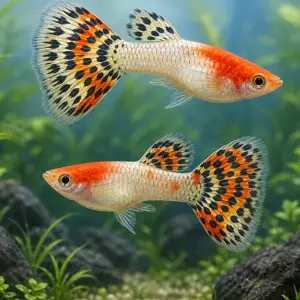
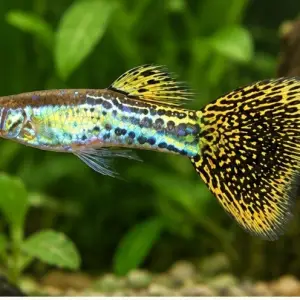
Editorial illustrations for context; they do not depict HiGuppy's exact facility or current fish stock.