Guppy Care Article
Guppy Velvet Disease: Symptoms, Velvet vs Ich & Safe First Steps
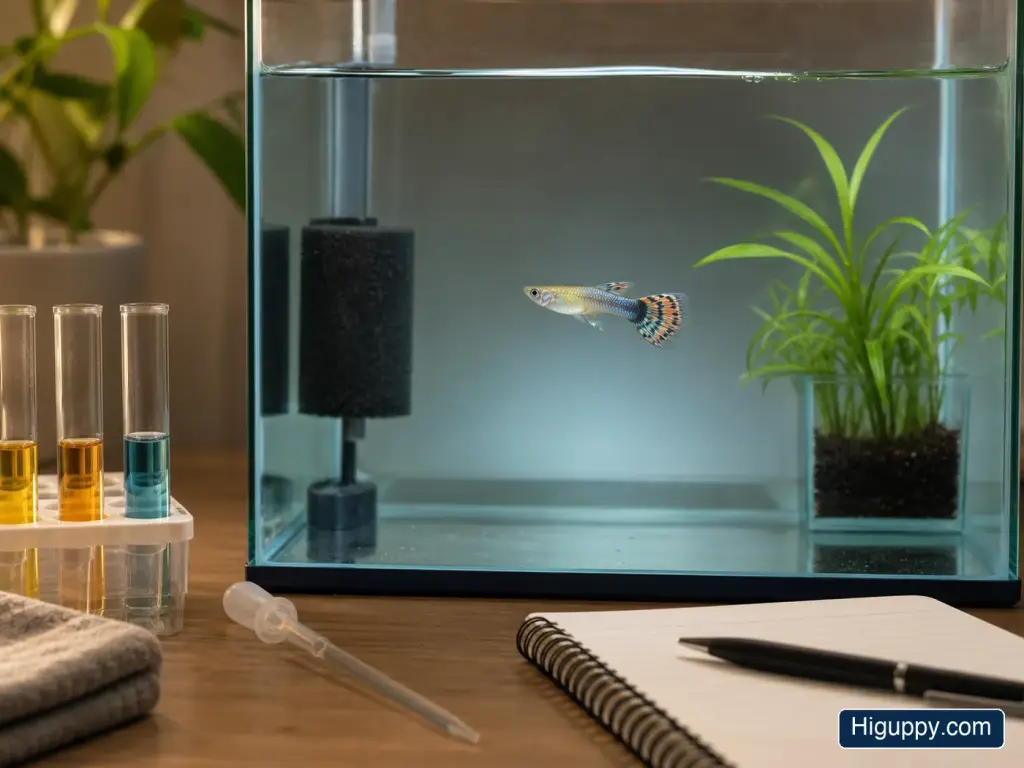
Guppy velvet disease is a contagious external parasitic disease associated with freshwater Piscinoodinium species. It can affect the skin and gills and may look like a very fine gold, yellow-brown, rust or dusty film. Because the coating is subtle, early clues are often behavioral: flashing, clamped fins, hiding, appetite loss and faster breathing.
Quick answer: what should you do first?
Dim the room and shine a flashlight across the fish from the side. A fine metallic or dusty sheen together with rubbing and respiratory stress raises suspicion for velvet, but water-quality irritation can look similar. Increase aeration, test ammonia and nitrite, confirm temperature, and isolate affected fish when practical before choosing treatment.
What causes velvet disease in guppies?
Freshwater velvet is caused by parasitic dinoflagellates commonly grouped under Piscinoodinium. The parasitic stage attaches to skin and gill tissue, then later produces free-swimming stages that can infect additional fish. That life cycle is one reason visible dust can fade before the aquarium is truly clear of the parasite.
New fish, shared nets, wet equipment and unquarantined livestock can introduce external parasites. Crowding, transport stress and unstable water do not create velvet, but they can reduce a guppy’s ability to cope with infection.
Common guppy velvet symptoms
- Fine gold, tan, yellow-brown or rust-colored dust on skin or fins
- Flashing or rubbing against decor, substrate or tank walls
- Clamped fins and hiding
- Rapid gill movement or surface breathing
- Reduced appetite and lethargy
- Excess mucus or a dull, grayish appearance
- In advanced cases, weakness or rapid losses when the gills are heavily affected
Behavior matters because the characteristic sheen can be difficult to see on pale, metallic or heavily patterned guppies. If the main sign is simply folded fins, compare the broader causes in our guppy clamped fins guide.
Velvet vs ich: how are they different?
| Feature | Velvet more likely | Ich more likely |
|---|---|---|
| Appearance | Very fine dust or metallic sheen | Distinct salt-grain white spots |
| Color | Gold, yellow-brown, rust or grayish | Usually white |
| Best viewing | Side lighting or flashlight in a dim room | Often visible in normal aquarium light |
| Behavior | Flashing, clamping, hiding, breathing distress | Flashing, clamping, breathing distress |
| Gill involvement | Can be serious before skin dust is obvious | Can also affect gills and increase breathing rate |
The two diseases can overlap in appearance and behavior. Use the guppy ich guide for a side-by-side symptom check rather than treating every flashing fish the same way.
Rule out water and oxygen problems before medication
Flashing, clamped fins and fast breathing are not unique to parasites. Before medicating, check for environmental causes that can irritate the skin and gills:
- Ammonia and nitrite: both should be zero in a cycled aquarium.
- Low oxygen: check surface agitation, filter flow, stocking and excessive heat.
- Chlorine/chloramine exposure: review recent water changes and conditioner use.
- Temperature or pH shock: sudden changes can cause acute distress.
- Equipment problems: confirm the filter, air pump and heater are operating normally.
If multiple fish are gulping at the surface, follow our surface-gasping first-response guide first. For baseline targets, see the Guppy Water Parameters Guide.
Safe first-response plan for suspected velvet
- Increase aeration. Gill irritation and some treatments can make oxygen limitation more dangerous.
- Test water immediately. Correct ammonia, nitrite or chlorine problems before assuming parasites are the only issue.
- Isolate when practical. A stable quarantine or hospital tank makes observation easier and reduces exposure to other fish.
- Do not mix medications. Choose one product specifically labeled for freshwater velvet/external protozoan or dinoflagellate parasites and compatible with your livestock.
- Follow the complete label schedule. Treating only until the visible dust disappears can leave later parasite stages behind.
- Watch every tank mate. Shared water means other fish may have been exposed even if they do not yet look sick.
Medication safety: why the label matters
Products marketed for velvet may contain different active ingredients and may not be equally safe for plants, shrimp, snails, fry or biological filtration. Copper-based treatments in particular require careful concentration control and are highly unsafe for many invertebrates. Never combine copper, formalin, dyes or other antiparasitic products unless the labels explicitly permit the combination or a qualified aquatic professional directs it.
Calculate actual water volume rather than tank capacity, keep oxygenation strong, and follow instructions about activated carbon, water changes and repeat doses. If you cannot confidently distinguish velvet from ich, water irritation or another gill disease, diagnosis is more valuable than stacking treatments.
How to reduce velvet risk
- Quarantine new guppies before adding them to established stock.
- Use dedicated quarantine nets, siphons and buckets.
- Do not pour store or shipping water into the display aquarium.
- Maintain stable temperature, oxygen and water chemistry.
- Avoid chronic crowding and high organic waste.
- Observe new fish for breathing rate, appetite, flashing and skin changes before mixing populations.
For a broader symptom map, return to the Guppy Diseases Guide. HiGuppy’s quarantine and observation process also explains why separating incoming fish is useful before they join established tanks.
Frequently asked questions
Can velvet look gray instead of gold?
Yes. Fish color, mucus and lighting can change how the coating appears. A side flashlight in a dim room can make a fine dusting easier to see, but appearance alone is not a definitive diagnosis.
Does turning off the aquarium light cure velvet?
No. Lower light may reduce stress and can make visual inspection easier, but darkness by itself is not a complete treatment plan.
Can velvet affect only the gills?
Gill involvement can be important even when skin dust is subtle. Rapid breathing, surface gasping and flashing around the head deserve prompt attention.
Can poor water quality cause flashing without velvet?
Yes. Ammonia, nitrite, chlorine, abrupt pH changes and other irritants can all cause rubbing and respiratory stress, which is why testing water is part of the first response.
Review basis: This educational guide was reviewed against the Merck Veterinary Manual discussion of parasitic diseases of aquarium fish, including freshwater Piscinoodinium. Last reviewed: August 2026.
Educational note: Severe respiratory distress, rapid losses or disease affecting a valuable breeding line warrant prompt aquatic veterinary or diagnostic help.
Real HiGuppy photographs
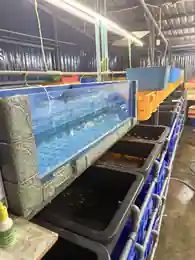
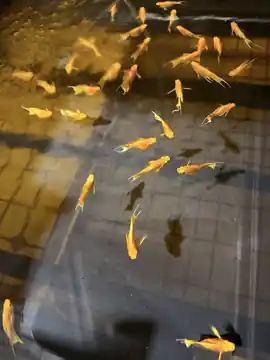
Inside the facility behind our guppy guides
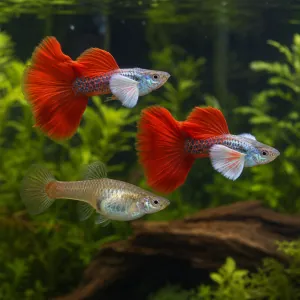
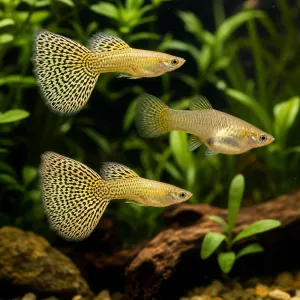
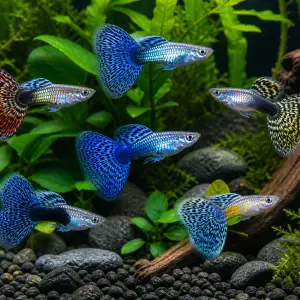
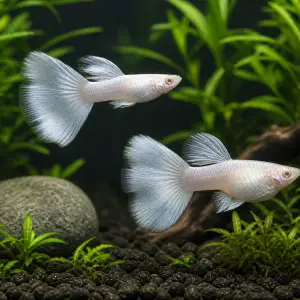
These photographs show real HiGuppy holding, breeding and observation work. They document our facility and fish stock; they are not presented as the exact individual fish or strain discussed on every page.