Guppy Care Article
Guppy Columnaris: Symptoms, Cotton-Mouth Look-Alikes & Urgent First Steps
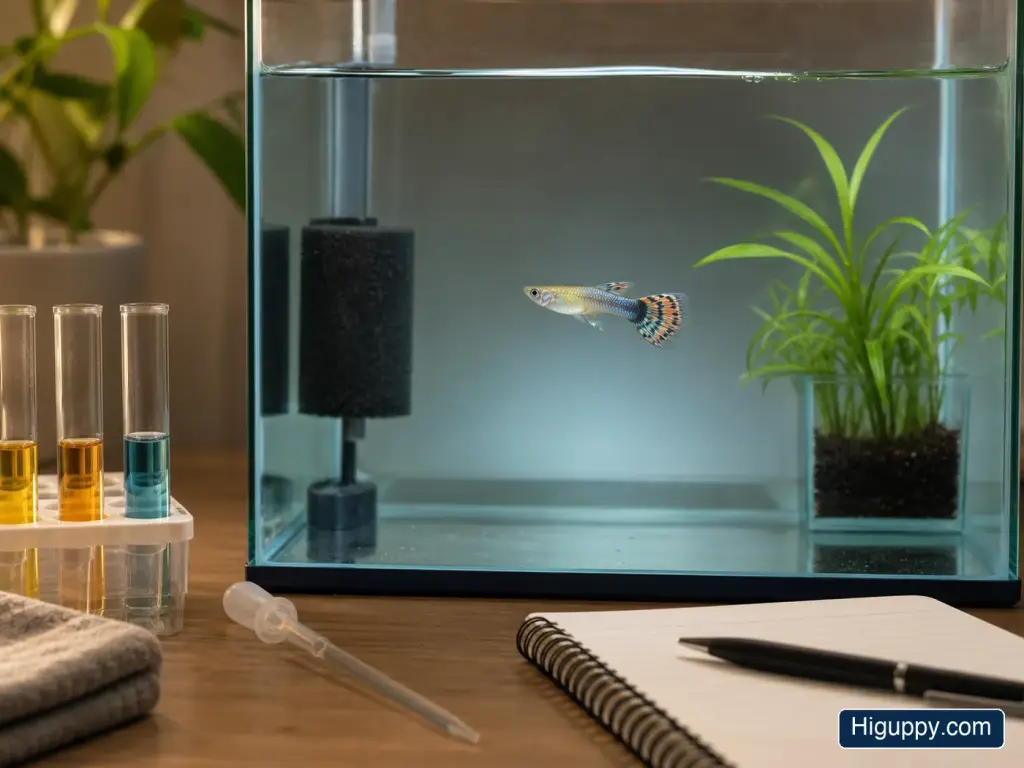
Columnaris in guppies is a bacterial disease associated with Flavobacterium columnare. It can damage the skin, fins, mouth and gills, and some cases progress quickly. Pale, gray-white or slightly fuzzy lesions are often mistaken for fungus, so the location, speed of progression and breathing signs matter more than the word “cottony.”
Urgent warning
If lesions spread over hours, several fish develop mouth or saddle-shaped patches, or breathing becomes difficult, treat the situation as urgent. Increase aeration, stop moving fish or wet equipment between tanks, test water, isolate affected stock when practical, and seek qualified fish-health guidance. Serious gill involvement can be present even when the skin does not look dramatic.
What is columnaris disease?
Columnaris is a bacterial disease of freshwater fish. Merck Veterinary Manual describes F. columnare as a warmwater fish pathogen that can produce slimy or cotton-like surface material over areas of tissue damage, including skin and gill lesions. In aquarium fish, a presumptive diagnosis can be supported by examination of affected tissue under a microscope, while laboratory testing provides stronger confirmation.
The bacteria are opportunistic: crowding, high organic load, transport stress, injuries and poor water conditions can make outbreaks more likely or more severe. Correcting the environment is therefore part of disease control, not an optional extra.
Possible columnaris symptoms in guppies
- Gray-white, pale or slightly yellow patches on the body
- A “saddle” lesion crossing the back near the dorsal fin
- White, gray or eroded tissue around the mouth
- Short fuzzy or slimy-looking growth over damaged tissue
- Frayed fins or rapidly receding fin edges
- Redness, ulcers or exposed tissue
- Rapid breathing, pale gills or surface gasping
- Lethargy, hiding and loss of appetite
These signs are not exclusive to columnaris. Injury, fin nipping, true water mold, other bacterial infections and parasites can produce overlapping appearances. If the main problem is fin tissue loss, compare our guppy fin rot guide.
Columnaris vs fungus: why they are often confused
| Feature | Columnaris more likely | Water mold / fungal growth more likely |
|---|---|---|
| Texture | Flat, slimy, short fuzzy film or eroded tissue | Longer cotton-like filaments |
| Common location | Mouth, back, fins or gills | Often develops on injured, dying or dead tissue |
| Progression | May worsen rapidly | Often follows an existing wound or tissue injury |
| Gill disease | Can be severe and cause fast breathing | Less typical as the main presentation in a live guppy |
Visual inspection is useful for triage but does not reliably identify the organism. A fuzzy patch should not automatically trigger “fungus medicine,” especially if multiple fish are worsening quickly.
Columnaris vs fin rot and injury
Columnaris can erode fin tissue, but not every frayed tail is columnaris. A clean split after chasing, shipping or contact with sharp decor usually has a different pattern from progressive tissue loss with redness, whitening or ulcers. Fix aggression and environmental damage first; if the edge continues to recede or body lesions appear, bacterial disease moves higher on the list.
What to check before treating
- Ammonia and nitrite: both should be zero.
- Temperature: avoid sudden warming while the diagnosis is uncertain; warmer water also holds less oxygen.
- Oxygen and flow: increase aeration when gills are involved.
- Organic waste: remove dead fish and obvious debris promptly without destabilizing the biofilter.
- Recent injuries or transport: skin damage can create an entry point for secondary bacterial infection.
- Shared equipment: stop moving nets, siphons or water between tanks during an active outbreak.
Use the Guppy Water Parameters Guide for baseline checks. If several fish are breathing hard, follow the surface-gasping emergency checklist while you investigate the cause.
Urgent first steps for suspected columnaris
- Increase aeration. Gill disease and warm water can sharply reduce a sick fish’s respiratory margin.
- Test and stabilize the environment. Correct unsafe ammonia, nitrite, chlorine exposure or temperature problems.
- Isolate affected fish when practical. Use a stable, cycled hospital tank rather than a brand-new uncycled container.
- Remove dead fish promptly. Keep quarantine equipment separate from healthy tanks.
- Photograph lesions and record the timeline. Note how fast the lesion changes, recent arrivals, maintenance, injuries and previous treatments.
- Seek diagnosis before antibiotics when possible. A wet mount, microscopy, culture or other professional assessment is more useful than guessing among look-alike bacterial diseases.
Why guessing an antibiotic can backfire
Bacterial diseases can look alike, and the same visible lesion can involve primary injury plus a secondary infection. An unsuitable antimicrobial may delay the correct response, disrupt filtration, add stress or contribute to antimicrobial resistance. In the United States, some effective fish antimicrobials are regulated and require veterinary oversight for labeled uses.
For home aquariums, the safest approach is to correct husbandry, isolate when appropriate, and use treatment only when the likely cause and product instructions are clear. Do not combine antibiotics with multiple parasite or fungal medications “just in case.”
Can temperature affect columnaris risk?
F. columnare is associated with warmwater fish disease, and warmer conditions also increase fish oxygen demand while reducing dissolved oxygen. That does not mean every suspected case should be chilled abruptly. Avoid sudden temperature swings; keep the tank stable and well-aerated, and get diagnostic guidance for severe outbreaks.
How to reduce the risk of columnaris outbreaks
- Quarantine new fish before mixing them with established breeding stock.
- Avoid overcrowding and heavy organic waste.
- Keep ammonia and nitrite at zero and maintain stable water chemistry.
- Reduce injuries from chasing, sharp decor and rough handling.
- Use dedicated nets and siphons for quarantine or sick-fish systems.
- Observe new arrivals closely after shipping, when stress and skin damage may be highest.
For broader triage, use the Guppy Diseases Guide. HiGuppy’s quarantine and observation process explains how separation helps protect established stock.
Frequently asked questions
Is columnaris a fungus?
No. Columnaris is bacterial, although surface material over damaged tissue can look cottony or fuzzy.
Can columnaris kill guppies quickly?
Some presentations can progress quickly, particularly when the gills are heavily affected or fish are already stressed. Rapid spread or multiple deaths calls for urgent professional help.
Should I raise the temperature for columnaris?
Do not automatically raise temperature for an unknown disease. Warmer water can reduce oxygen availability and may worsen the situation when bacterial gill disease is involved.
Can columnaris spread between tanks?
Wet equipment and water movement between systems can spread pathogens. During an outbreak, dedicate nets and siphons and work with healthy tanks before sick or quarantine tanks.
Review basis: This educational guide was reviewed against the Merck Veterinary Manual sections on bacterial diseases of aquarium fish and columnaris. Last reviewed: August 2026.
Educational note: Rapidly spreading lesions, severe gill distress or repeated losses warrant aquatic veterinary or diagnostic support. This article does not prescribe antibiotics.
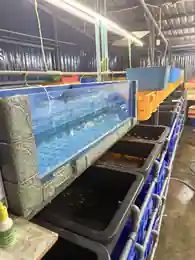
Real HiGuppy photographs
Inside the facility behind our guppy guides
These photographs show real HiGuppy holding, breeding and observation work. They document our facility and fish stock; they are not presented as the exact individual fish or strain discussed on every page.