Guppy Care Article
Guppy Tank Setup Checklist Before Buying Live Guppies Online
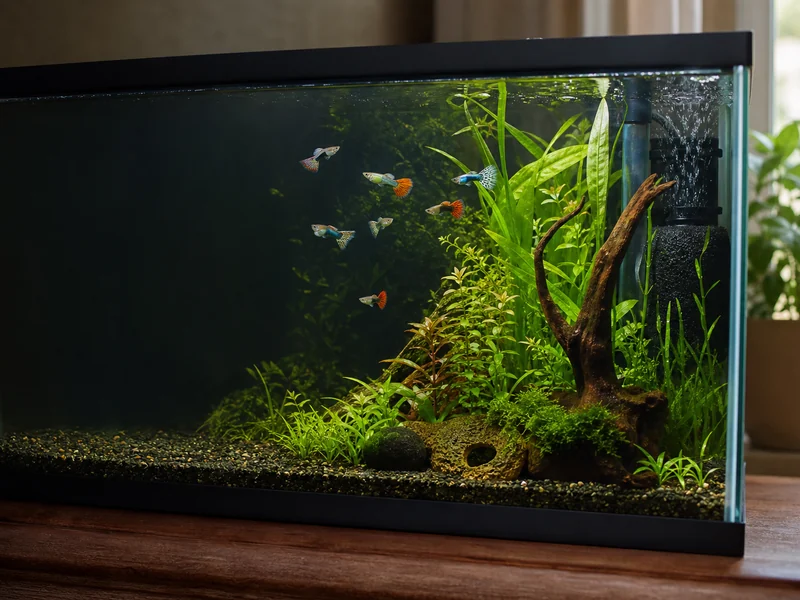
Quick answer: Before buying live guppies online, have the aquarium fully set up, cycled, filtered and temperature-stable; verify ammonia and nitrite with a test kit; plan realistic stocking; prepare quarantine or observation space; and know exactly how you will receive and acclimate the shipment. Order the fish only after the tank proves it can support them.
This guppy tank setup checklist before buying is intentionally different from a general aquarium-build guide. The goal here is not to compare every heater, filter or substrate. It is a final readiness audit for the point when you are thinking about clicking “buy” on live guppies.
If you are still choosing equipment, start with the broader best tank setup for guppies guide. If the hardware is already installed, use the checklist below to decide whether the aquarium is actually ready for livestock.
Pre-purchase guppy tank checklist
- The tank is fully assembled and running. Filter, heater where needed, thermometer, substrate or bare-bottom plan, plants and lid are already in place.
- The aquarium is cycled. You have test results—not only clear-looking water—to support that the biofilter is processing waste.
- Ammonia and nitrite are controlled. If either is present in a new setup, pause the purchase and investigate first.
- Temperature is stable. Confirm the actual water temperature with a thermometer rather than trusting only the heater setting.
- You know your baseline water. pH, hardness and maintenance water should be reasonably consistent.
- Stocking is planned. You know how many fish the tank can support and whether the group will be male-only, female-heavy, mixed or intended for breeding.
- Delivery is planned. Someone can receive the package promptly and the seller’s arrival instructions are saved.
- Quarantine or observation is ready. Especially when adding fish to an established collection, you have a separate plan for new arrivals.
- Food and maintenance supplies are on hand. Water conditioner, test kit, siphon, net and appropriate food are ready before the fish arrive.
- You have checked the seller’s shipping and DOA policy. Know the required delivery, inspection and documentation steps before placing the order.
1. Make sure the tank is actually cycled
A newly filled aquarium can look perfect and still be biologically unprepared. Cycling is the process of establishing enough biological filtration to process waste. Do not use “the tank has been running for a while” as the only evidence that it is ready.
Keep a short test log and look for repeatable results. The guppy tank cycling checklist explains how to judge readiness without promising a fixed number of days.
2. Test the water before you order
At minimum, check ammonia and nitrite in a new tank and understand your nitrate, pH, temperature and hardness baseline. Stable conditions are more useful than chasing a single “perfect” number. If your tap water and aquarium water are very different, know why before introducing shipped fish.
Use the guppy water parameters guide for context. If you have just done a large change, filter clean or substrate disturbance, retest before placing the order rather than assuming yesterday’s result still applies.
3. Confirm temperature and filtration
The filter should run continuously with useful biological media and enough surface movement for gas exchange. Flow should not force guppies to fight a current all day. A sponge pre-filter or sponge filter can be useful where fry safety or gentler flow is important.
If you are still deciding between filter types, compare them in Best Filter for Guppies. For temperature, use the guppy temperature guide and verify the actual tank temperature over a normal day-night cycle.
4. Check tank size and realistic stocking
Do not buy fish first and calculate capacity afterward. Small aquariums have less buffer when feeding, waste or temperature changes. The number of guppies a tank can support depends on filtration, maintenance, plants, sex ratio, tank mates and whether fry are expected.
For common starting points, compare our 10-gallon guppy stocking guide and 20-gallon guppy stocking guide. Treat those as planning tools, not permission to push the tank to its limit.
5. Decide what type of group you want
Guppies are prolific livebearers, so a mixed-sex purchase can quickly turn into a breeding project. Before ordering, decide whether you want an all-male display, a planned breeding pair or trio, or a larger managed group. Mixed groups need enough space and a plan for fry.
If breeding is the goal, review pair vs trio for guppies and the guppy breeding tank setup before ordering stock.
6. Add cover without overcrowding the tank
Plants and visual breaks help new guppies settle, give females room to avoid constant chasing and provide shelter if fry appear. You do not need a dense aquascape, but the tank should offer both open swimming space and places to retreat.
Avoid sharp decorations that can catch long fins. If you want a planted layout, the planted guppy tank setup guide covers beginner-friendly structure and maintenance.
7. Prepare a quarantine or observation plan
New fish should not automatically go straight into an established collection. A separate observation period makes it easier to watch appetite, breathing, feces and external signs without exposing every fish in the main tank.
Review how to quarantine new guppies after shipping. If a fish later becomes ill, a hospital tank has a different purpose; see the sick guppy hospital tank guide.
8. Plan the delivery day before checkout
Live-fish delivery is not the same as receiving ordinary merchandise. Make sure someone can receive the package promptly, check the forecast and carrier plan, and save the seller’s arrival instructions. Do not schedule a shipment for a day when the box may sit unattended.
Read the HiGuppy live guppy shipping policy and live arrival and DOA policy before buying so you understand the inspection and documentation requirements.
9. Follow the seller’s shipping-specific acclimation instructions
Do not rely on one generic acclimation ritual for every shipment. Transport water chemistry changes during shipping, so the safest process depends on how the fish were packed, transit duration and the seller’s protocol. Have a net, clean container, thermometer and conditioned water ready, then follow the arrival instructions for that shipment.
Our guppy acclimation guide explains the HiGuppy process. Avoid pouring shipping water into the display aquarium unless a specific protocol requires it.
10. Prepare for the first week, not just the first hour
A successful delivery can still turn into a problem if the tank is overfed, overstocked or not monitored after arrival. Keep the first few days calm, feed modestly and continue watching ammonia, nitrite, appetite, breathing, swimming and social behavior.
Signs such as persistent clamped fins, surface gasping, loss of balance or refusal to eat deserve a troubleshooting check. The Guppy Diseases Guide can help you organize those observations without treating every change as the same disease.
Common mistakes before buying live guppies
- Ordering fish while the aquarium is still being assembled.
- Assuming clear water means a tank is cycled.
- Buying the maximum number of fish the tank might hold on day one.
- Cleaning or replacing all filter media immediately before delivery.
- Ignoring sex ratio and ending up with unplanned fry.
- Skipping quarantine because the new fish “look healthy.”
- Not reading the seller’s shipping and DOA rules until after a problem occurs.
- Using a one-size-fits-all acclimation routine instead of shipment-specific instructions.
Frequently asked questions
Can I buy guppies before the tank finishes cycling?
It is better to wait. Ordering livestock before the aquarium demonstrates stable waste processing creates unnecessary pressure to rush the cycle when the shipment date arrives.
What should I test before ordering guppies?
At minimum, verify ammonia and nitrite in a new tank and understand the tank’s nitrate, temperature, pH and hardness baseline. Recheck after major maintenance or equipment changes.
Should I quarantine guppies bought online?
A quarantine or separate observation period is a sensible biosecurity step, especially when you already keep other fish. It gives you time to watch new arrivals before mixing populations.
When is it safe to place the order?
Place the order after the tank is cycled and stable, your stocking plan is realistic, delivery can be received promptly, and you have read the seller’s shipping, acclimation and DOA instructions.
If every item above is ready, browse the current HiGuppy shop and choose fish that fit your tank and breeding or display plan—not the other way around.
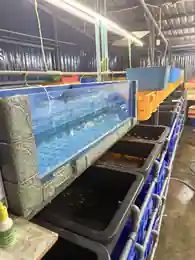
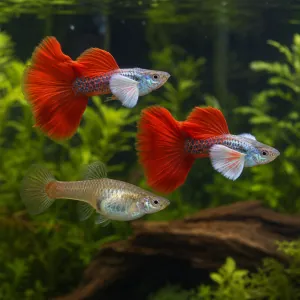
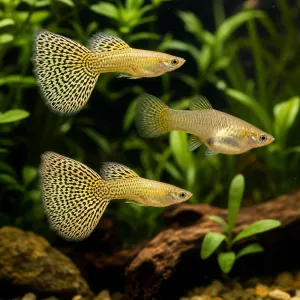
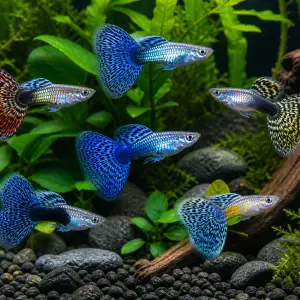
Real HiGuppy photographs
Inside the facility behind our guppy guides
These photographs show real HiGuppy holding, breeding and observation work. They document our facility and fish stock; they are not presented as the exact individual fish or strain discussed on every page.