The HiGuppy Journal
How to Gravel Vacuum a Guppy Tank Without Sucking Up Fry
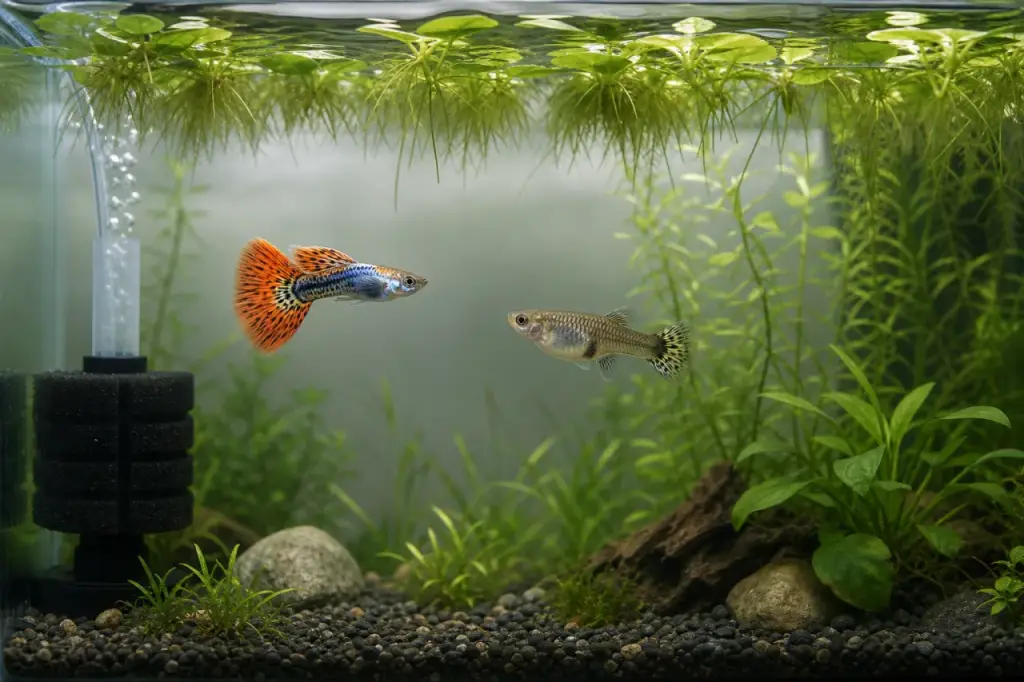
How do you gravel vacuum a guppy tank safely? To gravel vacuum a guppy tank, use a siphon and bucket to lift fish waste while letting heavy gravel fall back into the aquarium. For guppy fry, use a small controllable intake, watch every fish near the tube, and stop suction before moving into nursery areas. Vacuum small sections, prepare dechlorinated replacement water, and never start a siphon by mouth.
A clean substrate makes a guppy aquarium easier to maintain, but chasing every speck of debris can stress fish, disturb plants or accidentally catch tiny fry. This guide shows a controlled way to remove food scraps and waste with an aquarium gravel vacuum (siphon), adjust the technique for gravel, sand and bare-bottom tanks, and protect guppy fry without tearing down the tank. It complements HiGuppy’s gravel-versus-sand buying guide and the separate fry water-change guide.
What a gravel vacuum does—and what it does not do
An aquarium gravel vacuum is a wide tube connected to a smaller hose. Gravity draws water and lighter debris into a bucket while heavier gravel can fall back when suction is reduced. The same tool also removes old aquarium water as part of a partial water change. It does not replace biological filtration, prove water quality is safe or treat a sick fish.
Fish waste, uneaten food and dead plant fragments can settle in the substrate or around ornaments. Removing excessive buildup helps routine maintenance, but some microorganisms live on the substrate and other aquarium surfaces. You do not need to dump out all gravel and scrub the aquarium as if it were a kitchen floor. The Aquarium Co-Op gravel vacuum walkthrough explains how a siphon can remove debris with fish still in their tank.
| Substrate | Recommended siphon approach | What to avoid |
|---|---|---|
| Rounded gravel | Lower tube into a small gravel section; briefly ease flow to let stones fall back | Pulling all gravel out or digging through the entire substrate at once |
| Fine sand | Hover just above the sand and pick up surface waste; only disturb lightly if necessary | Burying a wide vacuum deep and emptying large amounts of sand |
| Planted soil / aquasoil | Spot-clean exposed debris between stems, roots and hardscape | Vacuuming through root zones or crushing nutrient-rich granules |
| Bare bottom | Use a small tube to target visible waste; avoid getting close to fry | Powerful suction across fish hiding or feeding areas |
The Bare Bottom Guppy Tank guide explains why some breeding and quarantine setups leave out substrate entirely. A planted display tank may need a different cleaning pattern than a dense grow-out tank.
Equipment checklist before you start
- Gravel vacuum or siphon: choose a tube that fits the tank and can be controlled around guppy fry.
- Aquarium-only bucket: place it below the aquarium water level and secure the hose to prevent spills.
- Priming bulb or safe water-fill method: start the siphon without putting its tube or water in your mouth.
- Flow control: a compatible clamp, valve or the ability to temporarily pinch the flexible hose when needed.
- Optional fry-safe guard: a correctly fitted intake barrier with suitable openings that does not itself trap tiny fish.
- Conditioned replacement water: suitable temperature and water chemistry, free from harmful chlorine/chloramine.
- Thermometer and test kits: ammonia, nitrite and other routine water readings.
- Clean container for inspection: check siphoned water for accidentally collected fry before disposal.
Use equipment dedicated to the aquarium. Avoid buckets, sponges or tubing with unknown detergent or chemical residues. A gravel vacuum you cannot control around fish should not be used near a crowded fry nursery.
Why you should never start a siphon by mouth
Some older aquarium tutorials describe starting a gravel vacuum’s suction by drawing water through the hose with the mouth. The OATA guppy and molly care sheet explicitly advises never siphoning aquarium water by mouth because it can carry microorganisms that are unsafe to swallow.
Use a purpose-made priming bulb, gravity-filled siphon or another tool-starting method supported by its manufacturer. Wash hands after aquarium maintenance and cover cuts before working in water. The aim is to move waste safely, not to expose yourself to untreated tank water.
Step-by-step: gravel vacuum a guppy tank
These steps describe ordinary routine cleaning in an established, healthy aquarium. If fish are gasping, losing balance or water tests show ammonia or nitrite, address the urgent welfare and water-quality issue rather than following a cosmetic cleaning schedule.
- 1. Observe the fish and test the tank. Note any fry near the bottom, the current temperature and ammonia/nitrite if the tank is new or showing problems.
- 2. Prepare replacement water. Use suitable conditioner and temperature-matched water so the refill is ready before the tank level falls.
- 3. Secure the bucket and hose. Position the bucket below the aquarium and make sure the hose cannot slip out.
- 4. Pause equipment when water level may drop. Protect heaters and filters according to their instructions; avoid running them dry.
- 5. Prime the siphon safely. Use a bulb or manufacturer-approved water-fill method, not mouth suction. Start with controlled, modest flow.
- 6. Vacuum small gravel sections. Work from a visible open area, keeping the intake away from guppies. Let waste lift while heavy gravel drops back.
- 7. Stop after a reasonable portion. Do not excavate the whole substrate. Adjust the water removed to test results, stocking and the prepared refill.
- 8. Inspect the bucket. Check for any fry, small fish or invertebrates before disposing of waste water.
- 9. Refill gently and restart equipment. Use appropriately prepared water, verify normal flow and check for heater/filter problems.
- 10. Observe and record. Check breathing, swimming and any relevant water tests after the change.
For many mature tanks, a gravel vacuum session on roughly one section of gravel at a time is more practical than processing all the substrate on one day. Aquarium Co-Op suggests rotating through about one-third of the substrate in a session as an example; the actual amount should match the tank and waste buildup, not a mandatory fraction.
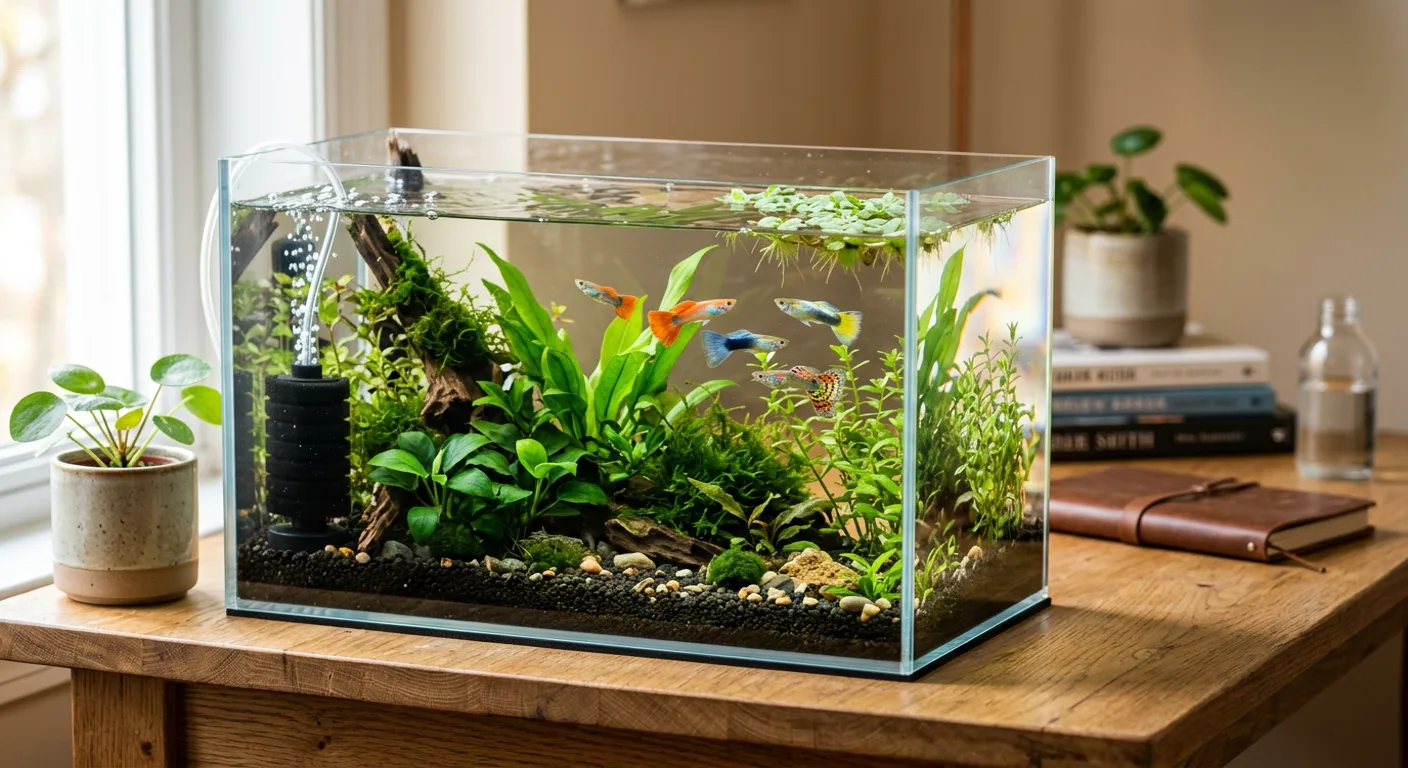
How to keep guppy fry out of the gravel vacuum
Tiny guppy fry can approach a tube without recognizing the suction risk. The safest method is to design the cleaning session around where fry actually hide, rather than assume they will swim away fast enough. A wide, high-flow gravel vacuum that works in an adult display tank may be unsuitable for an active nursery.
- Choose small controllable equipment: a narrow tube or low-flow siphon gives more precision around small fish.
- Watch the intake continuously: do not place it blindly into moss, floating plant roots or places where fry gather.
- Use a suitable guard when appropriate: mesh or intake protection must fit securely and be fine enough for the smallest fry without crushing them or blocking too quickly.
- Pause suction before repositioning: control flow with the siphon’s valve or hose and move slowly.
- Spot-clean open spaces: leave crowded fry cover undisturbed rather than forcing the vacuum into it.
- Inspect the collection bucket: an unexpected fry can survive in the bucket; look carefully before pouring water away.
If a fry is drawn into the gravel vacuum, stop the flow immediately and inspect the collected water. Recover it gently in an appropriate small container with compatible water when possible; never attempt to pull a trapped fry backward through running suction. Guppy fry are fragile, so avoid repeated catching and sudden changes in temperature or water chemistry.
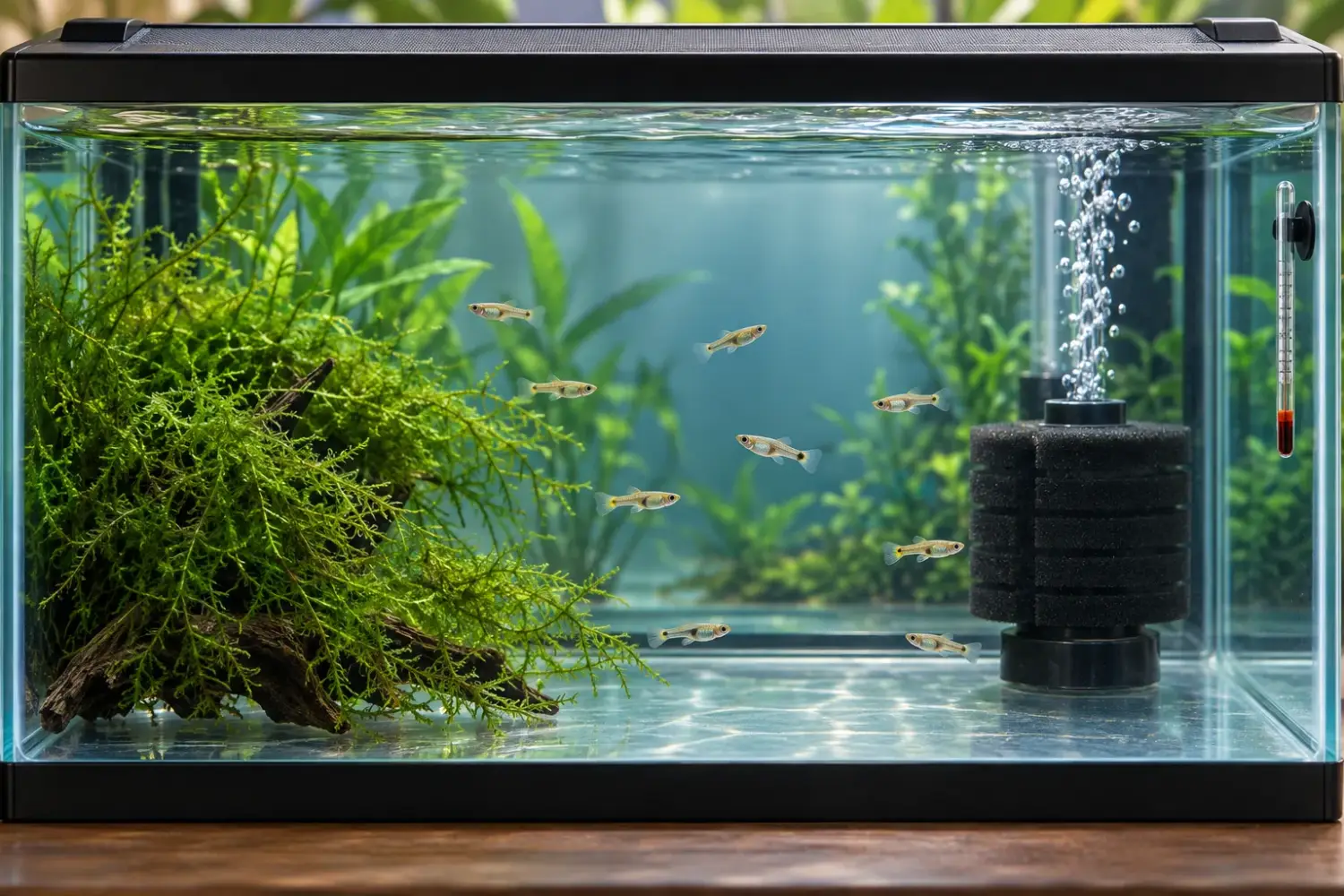
See HiGuppy’s Guppy Fry Grow-Out Tank Setup for fry-space planning, and Java Moss for Guppy Fry for how debris can collect in nursery cover.
Gravel versus sand: should the gravel vacuum tube go into the substrate?
With rounded gravel, the gravel vacuum tube can be lowered a short distance to lift waste from between stones. Ease the flow periodically, allowing heavier gravel to fall back while fine debris and water move down the hose. A hand-controlled flow valve helps avoid siphoning out too many stones.
With fine sand, most visible waste tends to sit on or close to the surface. Hover the gravel vacuum intake over the sand and move it slowly enough to lift debris without removing large amounts of substrate. Deep plunging is usually unnecessary and can disturb plants or send sand into the hose.
| Surface condition | What to do | Why |
|---|---|---|
| Waste between coarse gravel pieces | Vacuum a limited patch and let stones settle back | Removes trapped debris without dumping the whole substrate |
| Light detritus on fine sand | Hover just above the surface and use lower suction | Reduces sand loss and disturbance |
| Debris around plant roots | Spot-clean outside the root area and avoid digging | Preserves plants and minimizes substrate clouding |
| Waste on bare glass | Use a narrow tube near the waste, away from fry | Precise removal with little substrate disturbance |
| Very dark or foul-smelling deep pocket | Stop aggressive digging and assess the tank before further work | Avoids suddenly disturbing an unknown accumulated pocket |
Large amounts of trapped waste and an unusual odor deserve a careful assessment rather than rapid excavation. If several fish are affected or the water becomes severely disturbed, check water quality and seek qualified aquarium guidance.
How much water should a gravel vacuum remove?
A gravel vacuum also removes aquarium water, so plan the refill rather than allowing the siphon to drain as much as possible. OATA provides a general recommendation of approximately 25% partial water change per week for guppies and mollies. That is a care reference, not an instruction to remove exactly 25% from every fry tank or system regardless of its filtration, test results and stocking.
A heavily stocked grow-out tank may require a different maintenance approach from a lightly stocked planted display tank. Match replacement temperature and water conditions, remove chlorine/chloramine appropriately, and avoid huge sudden changes that distress fish. HiGuppy’s Guppy Water Change Schedule explains how routine, feeding and nitrate trends affect the amount and frequency.
Do not lower the aquarium level to the point that fish cannot swim normally or heaters and filters operate unsafely. For breeding/nursery tanks, refer to the separate Water Changes for Guppy Fry article for more detailed care.
Plants, moss and aquasoil need a lighter touch
A planted guppy tank may contain rooted plants, moss pads and a substrate designed to hold nutrients. Aggressive vacuuming through every root zone is often less useful than spot-cleaning exposed debris around plants. Aquasoil and some nutrient-rich substrates can break into fine particles when repeatedly disturbed.
Remove dead leaves and visible food scraps with an aquarium-safe gravel vacuum or similar tool when practical. Avoid pulling apart established Java moss to reach one speck of waste while tiny fry shelter inside it. Instead, adjust feeding and water movement so detritus does not continuously collect in the same area.
The Best Substrate for Guppy Tanks guide compares gravel, sand, planted soil and bare bottom for different husbandry goals.
Do you need to move guppies out while using a gravel vacuum?
Usually not. Aquarium Co-Op recommends leaving fish in the aquarium during an ordinary gravel vacuum session, because catching and moving them can be more stressful than controlled maintenance around them. This is particularly sensible for established adult guppies when the siphon can be guided carefully.
For fry, plan around hiding spots and use a lower-flow or guarded tool. Moving fry into an uncycled bowl purely to vacuum can create a second welfare problem; only separate them if there is a specific safe, prepared reason to do so.
Never leave the siphon running unattended. If fish repeatedly approach the intake or become stressed, stop, reposition and resume only when the area is clear.
Common gravel vacuum mistakes in guppy tanks
- Starting the siphon by mouth instead of a safe primer.
- Using a large powerful intake directly in fry cover.
- Vacuuming every inch of the substrate and disturbing all plant roots at once.
- Treating surface debris as proof that the entire aquarium needs sterilizing.
- Ignoring the bucket before disposing of water that may contain fry.
- Failing to prepare dechlorinated replacement water before starting.
- Letting an unplugged or lowered-water filter/heater restart improperly.
- Disturbing large dark pockets without assessing the tank condition.
- Relying on clear-looking water rather than checking ammonia and nitrite.
- Replacing all filter media during the same disruptive cleaning session.
Most gravel vacuum mistakes have a common cause: trying to make the aquarium look spotless immediately instead of preserving stable water and low-stress conditions.
After cleaning: a five-minute safety check
| Check | Expected result | If something is wrong |
|---|---|---|
| Aquarium water level | Normal level restored with suitable conditioned water | Refill safely without large temperature or chemistry changes |
| Filter and heater | Normal flow and safe operation per manufacturer | Stop unsafe equipment and check instructions before restarting |
| Guppy behavior | Fish swim normally and can breathe comfortably | Check water quality and aeration immediately if fish are distressed |
| Fry / small fish count | No fish remain in the waste bucket | Recover any trapped fry gently in suitable water |
| Ammonia and nitrite | Zero in a stable cycled aquarium | Investigate filter and water conditions promptly |
| Substrate / plants | No unnecessary deep disturbance or trapped fish | Pause future vacuuming and restore safe cover |
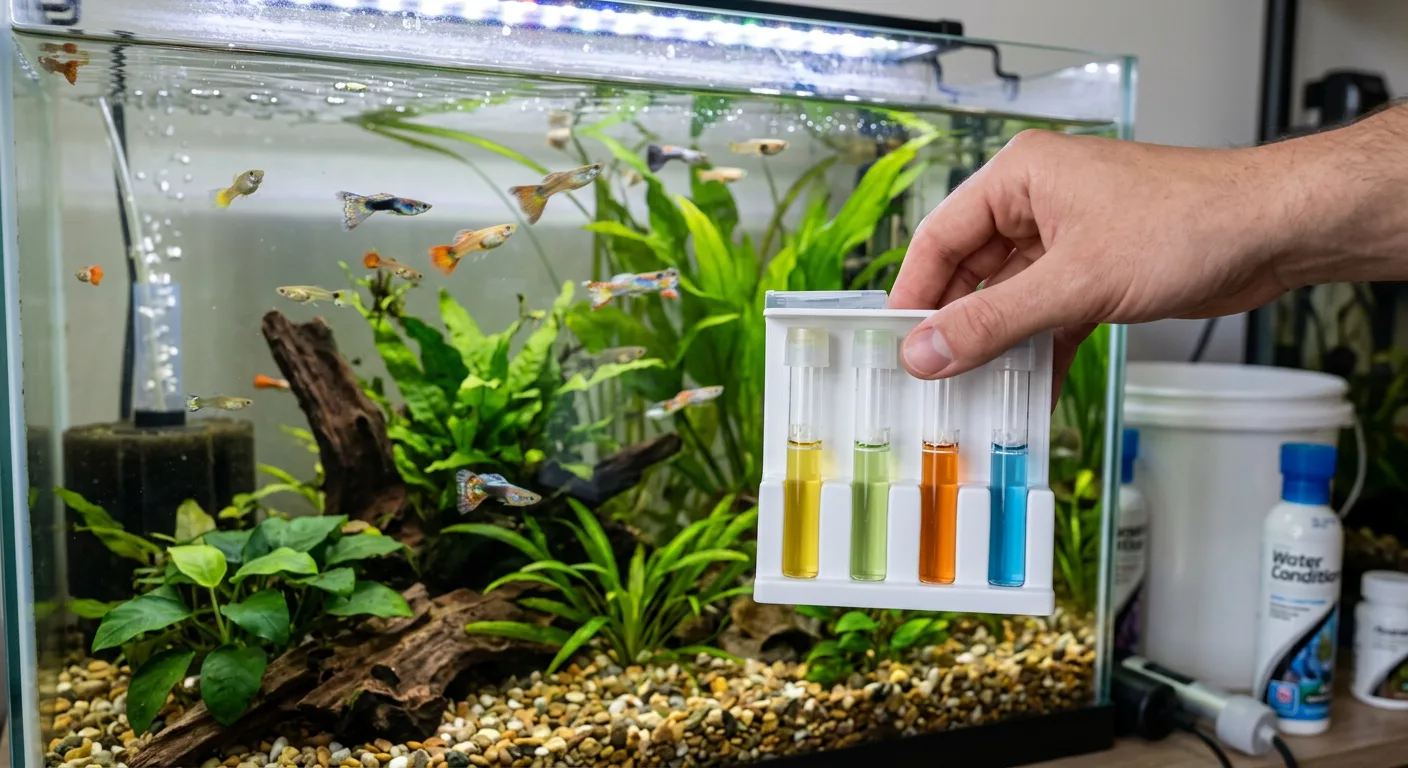
A little disturbed dust may settle, but prolonged cloudiness, abnormal breathing or ammonia/nitrite readings deserve investigation. For a routine maintenance plan, use Guppy Tank Maintenance Schedule.
Simple gravel vacuum checklist to save
- I have a clean aquarium-only bucket and controllable siphon.
- I will not start the siphon by mouth.
- I have safe conditioned replacement water ready.
- I have noted where guppy fry and small invertebrates are hiding.
- I will work in open areas and vacuum substrate appropriately for its type.
- I can stop the suction immediately and will not leave the hose unattended.
- I will inspect removed water for fry before disposal.
- I will restore water level, equipment and normal conditions safely.
- I will record relevant water tests and fish behavior after cleaning.
Frequently asked questions about gravel vacuuming guppy tanks
Can you gravel vacuum a guppy tank with fish still inside?
Usually yes. Work slowly around adult guppies and avoid chasing or netting them unnecessarily. Use a controlled intake and remain especially cautious around tiny fry.
How do I stop guppy fry being sucked into a siphon?
Choose a small low-flow gravel vacuum, use appropriate intake protection, watch the intake constantly and avoid moss or nursery areas where fry congregate. Inspect the waste bucket before disposal.
Should I push the siphon into sand?
Usually hover just above fine sand to lift surface waste. Deeply plunging a wide tube may remove sand or disturb plant roots. Gravel can be vacuumed in limited sections with flow control.
How often should I gravel vacuum my guppy tank?
Look at waste buildup, stocking, feeding and water tests rather than using one fixed cleaning interval. Coordinate gentle substrate cleaning with an appropriate partial water-change routine.
Can I start an aquarium siphon by sucking on the hose?
No. OATA specifically warns against mouth siphoning because aquarium water may contain harmful microorganisms. Use a priming bulb or manufacturer-approved non-mouth technique.
What if my gravel vacuum sucks up a guppy fry?
Stop the siphon and inspect the collection water. If the fry is recoverable, move it gently with a suitable cup into compatible water. Avoid trying to pull it backward through an active siphon.
Will a gravel vacuum remove beneficial bacteria?
Some bacteria live on substrate surfaces, but ordinary gravel vacuum spot-cleaning does not require sterilizing the tank. Avoid washing the entire substrate and replacing all mature filter media at once.
Sources and next reading
Practical siphon technique: Aquarium Co-Op — How to Use a Gravel Vacuum and Aquarium Cleaning & Maintenance. Guppy care, water changes and siphon hygiene: OATA — Guppies & Mollies. Related HiGuppy articles: Choose the Right Substrate, Water Changes for Fry, and Maintenance Schedule. These are general aquarium-care resources, not a guarantee of safe fish handling for a particular siphon or tank.
Behind the care guides
Care begins with steady systems
Our guppy guides focus on practical routines: keep water stable, observe fish closely and allow for natural variation.
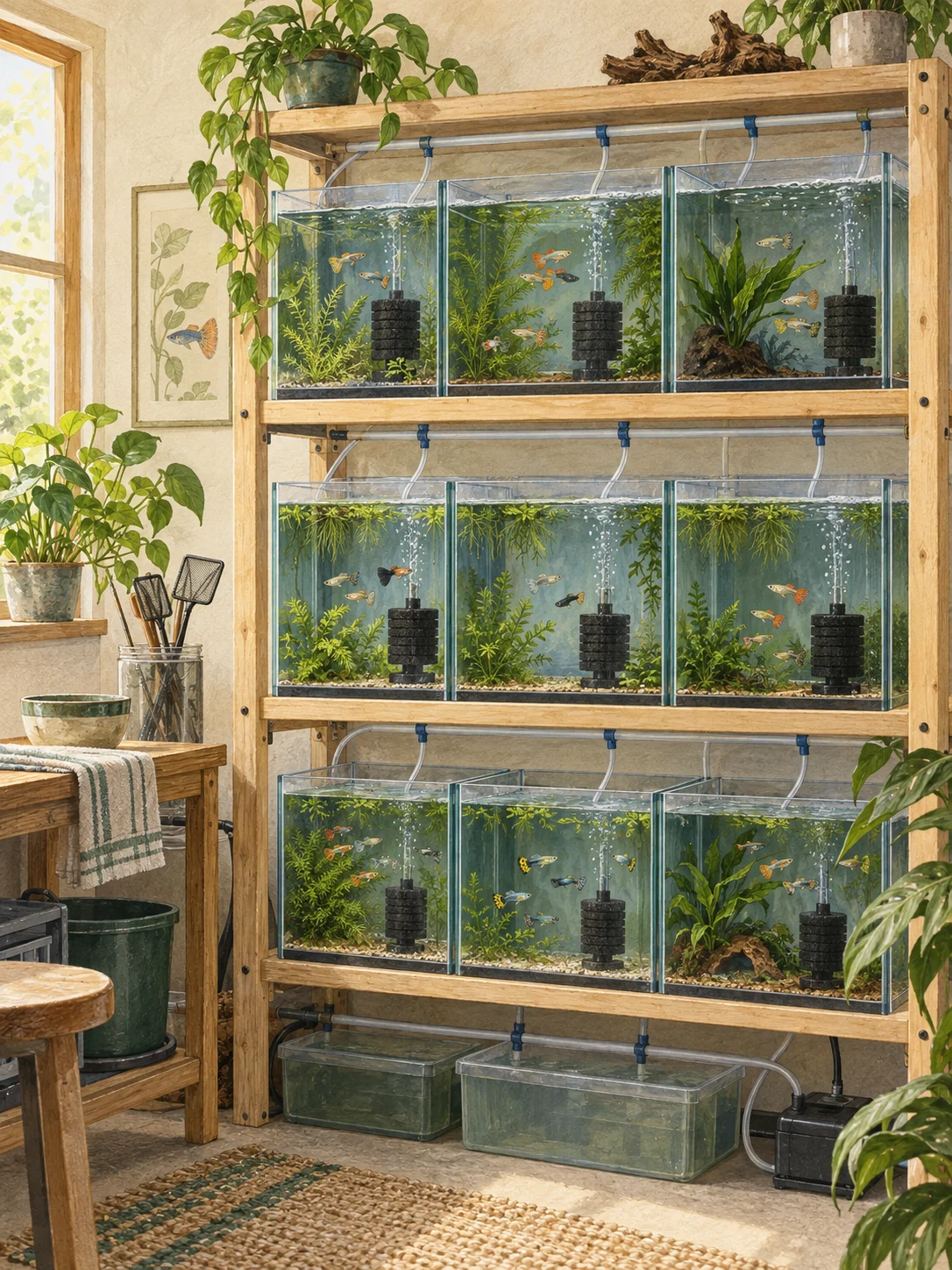
Care systems
Steady water, thoughtful care
Gentle filtration and regular observation support healthy aquarium routines.
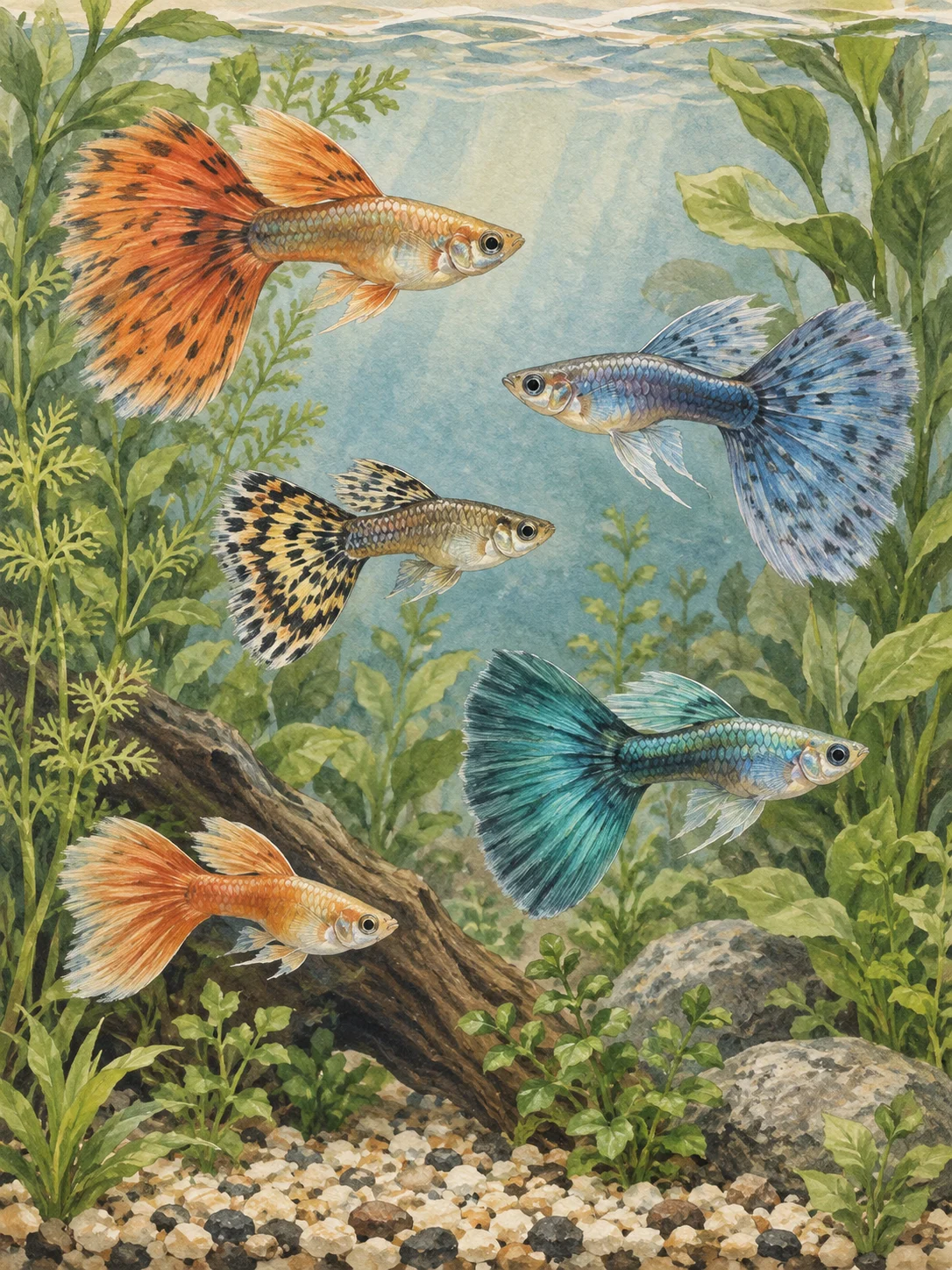
Natural variation
Every guppy is different
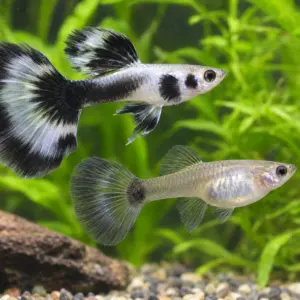
Color, size and fin shape vary with strain, age and each individual fish.
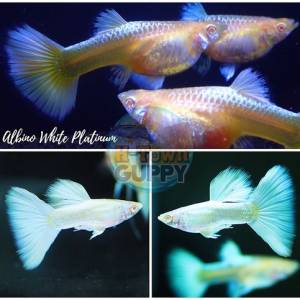
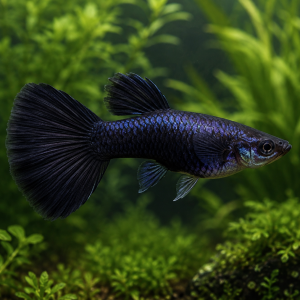
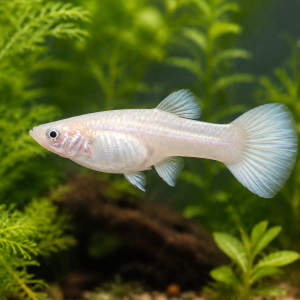
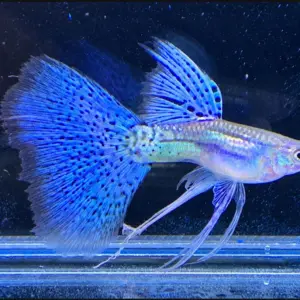
Editorial illustrations for context; they do not depict HiGuppy's exact facility or current fish stock.