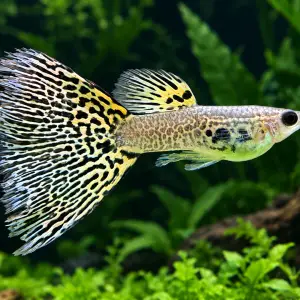
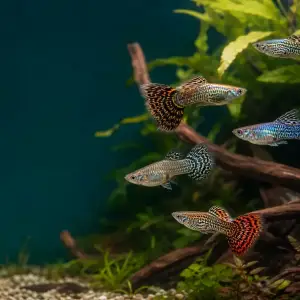
The HiGuppy Journal
When Are Guppies Old Enough to Breed? Age, Signs and Tips
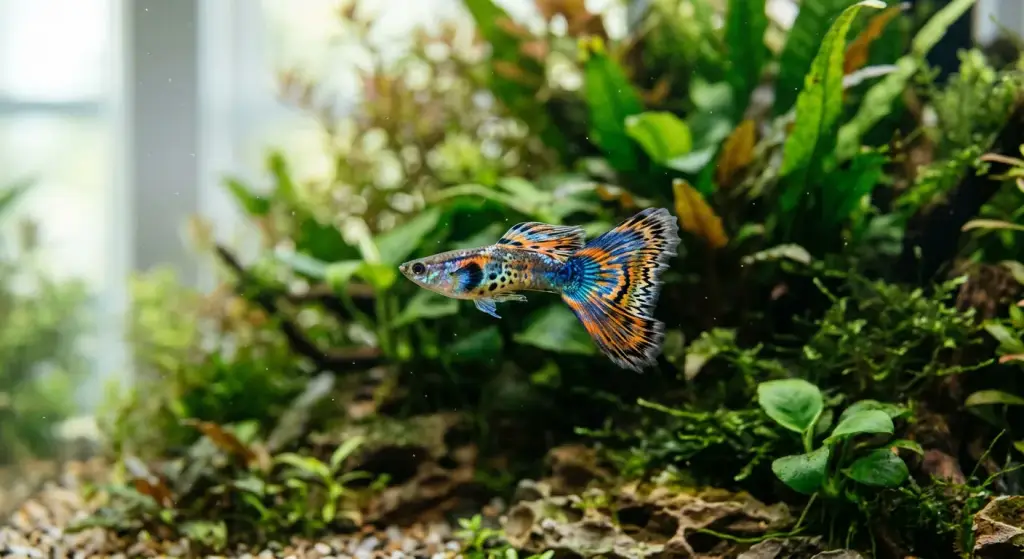
When are guppies old enough to breed? Guppies can physically reproduce at roughly 2 to 3 months of age, and some males and females mature even earlier in warm, well-fed tanks. For healthy fry and a healthy mother, though, most experienced keepers wait until females are about 4 to 6 months old and at least around 1.5 to 2 inches long before pairing them on purpose. This guide explains the difference between “can” and “should,” and it sits alongside our complete guppy care guide.
Below you will find the signs of maturity in males and females, a month-by-month timeline, the risks of breeding too young, a step-by-step plan for pairing your fish, and the mistakes that cost keepers the most fry. All numbers are general hobby ranges, not guarantees, because temperature, food and genetics change how quickly each fish grows.
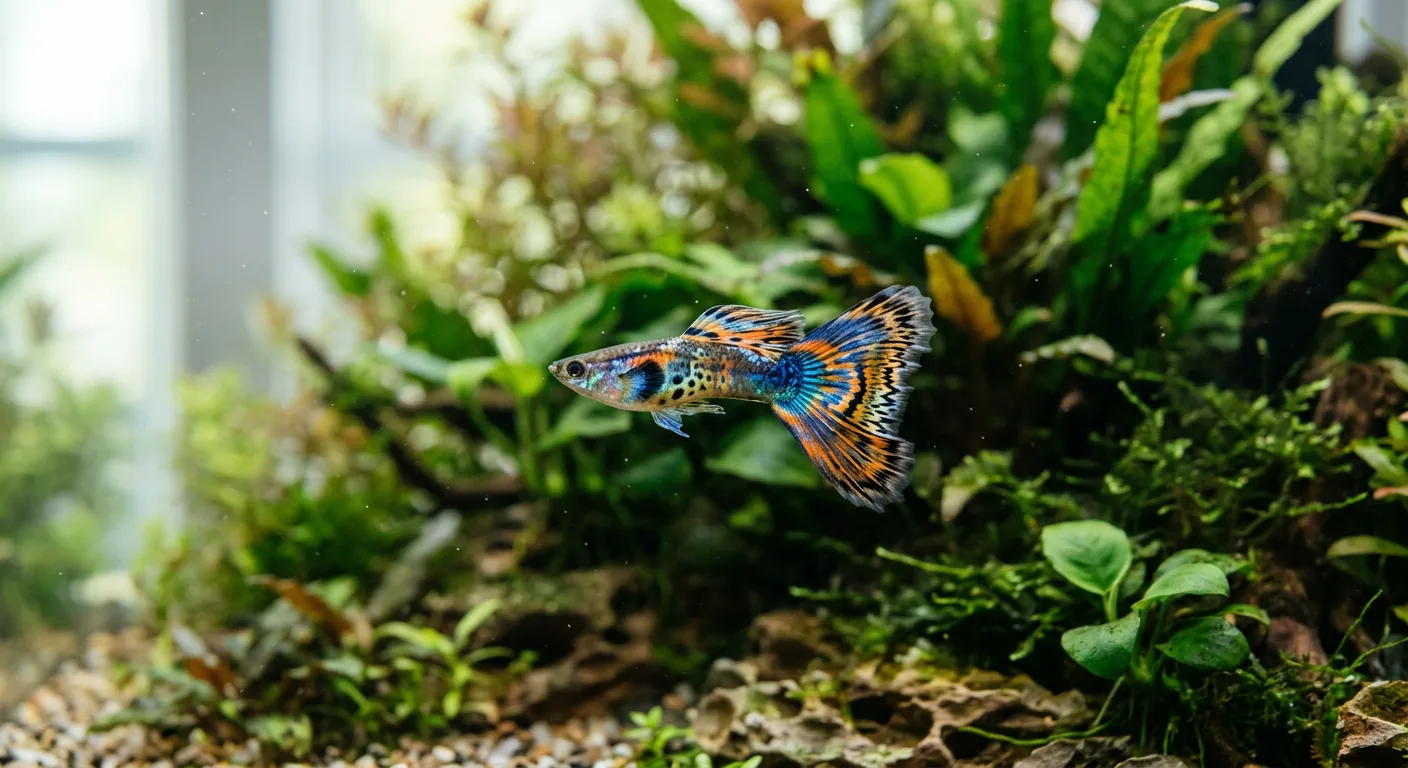
When are guppies old enough to breed? The short answer and the fine print
Guppies (Poecilia reticulata) are among the fastest-maturing aquarium fish. According to general references such as the Wikipedia guppy article, they reach sexual maturity within a few months, which is why a single unnoticed pregnant female in a pet-store tank can turn into a crowded aquarium so quickly. Fast does not always mean ready, however.
There are really three milestones to keep in mind:
- Biological maturity: the age at which the fish can reproduce. For males this is when the gonopodium finishes forming, usually somewhere around 6 to 12 weeks. For females it is often around 8 to 12 weeks, sometimes a little later.
- Physical readiness: the age at which a female is large and strong enough to carry and deliver a healthy brood. Many breeders prefer 4 to 6 months.
- Breeding quality: the age at which you can judge color, tail shape and body, which is when selective breeding decisions actually make sense. Males usually show their final color by about 3 to 4 months.
If you are breeding casually, the first milestone is the one nature enforces. If you are breeding for quality, the second and third matter more. The rest of this article helps you tell them apart.
Why guppies mature so fast
Guppies are small livebearers that live in streams and pools where predators and changing conditions shorten life expectancy. Fast maturity is an evolutionary strategy: reproduce early, reproduce often. In an aquarium with stable warmth and plenty of food, that strategy is switched on constantly, so growth is quick. Cooler water and sparse feeding slow growth and delay maturity, sometimes by weeks.
Age versus size: which matters more?
Age is a useful guide, but size and condition are better. A female that has been underfed or kept cold may be 5 months old and still tiny, while a well-fed sibling of 3 months may already be larger. When in doubt, judge the fish in front of you, not the calendar. If you want a deeper look at how fish grow, read our guide to guppy growth stages.
Guppy maturity timeline: from newborn fry to breeding adult
The timeline below uses typical hobby ranges at roughly 76 to 80 °F (24 to 27 °C) with regular feeding. Treat the weeks as approximate, since individual fish and strains vary.
| Age | Stage | What you will see | Ready to breed? |
|---|---|---|---|
| 0 to 4 weeks | Newborn fry | Tiny, transparent, hiding near plants and the surface | No |
| 1 to 2 months | Juvenile | Body fills out, faint color begins, sexes still hard to tell | No |
| 6 to 10 weeks | Sexing stage | Males develop a gonopodium; females show a gravid spot | Technically possible |
| 2 to 3 months | Young adult | Males chase and display; females can conceive | Possible, not ideal |
| 4 to 6 months | Mature adult | Full color in males; females fuller and larger | Yes, ideal for most keepers |
| 6 to 18 months | Prime breeding life | Strongest broods, best color expression | Yes |
Keep in mind that males grow much more slowly in body size after maturity because their energy goes into color and fins, while females keep growing, which is why a mature female is noticeably larger than a mature male.
Signs a male guppy is mature
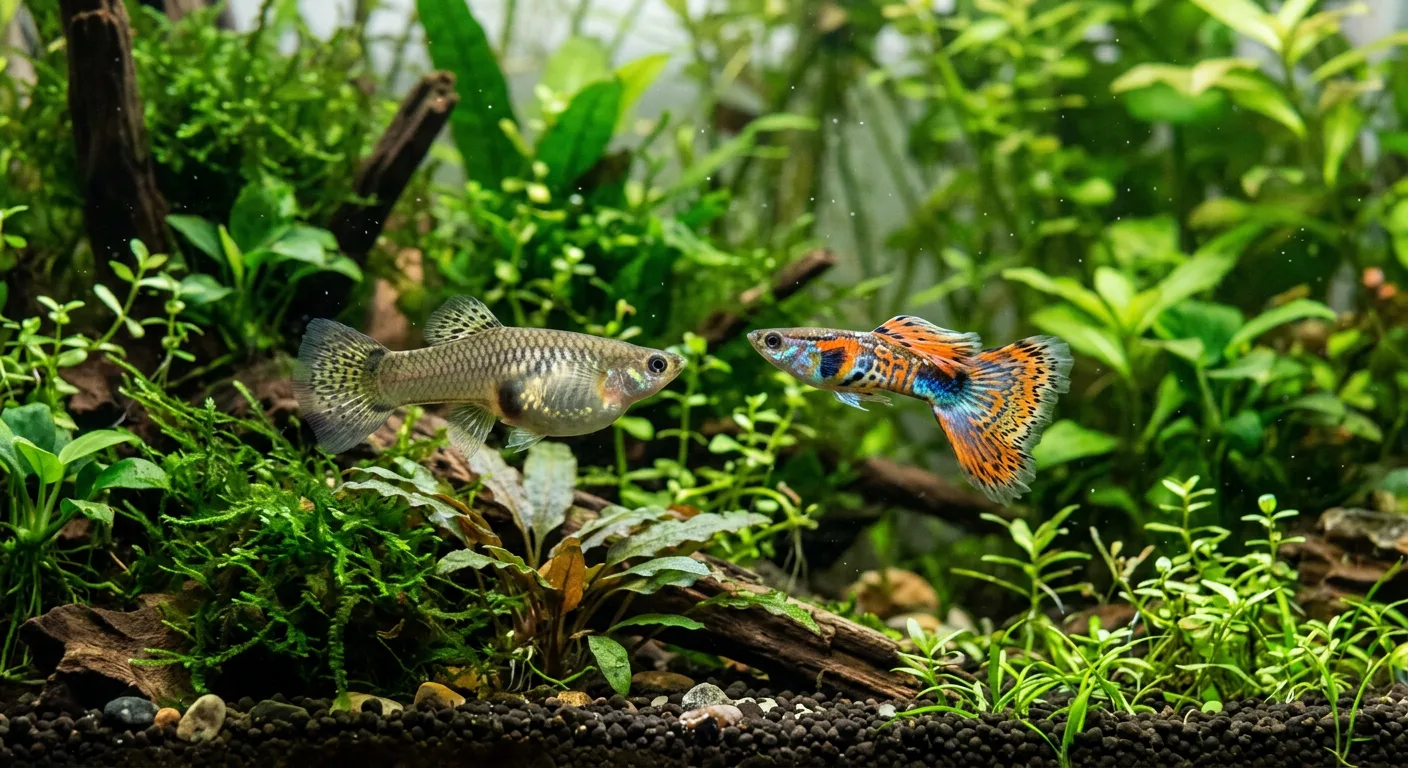
- The anal fin narrows into a pointed, rod-like gonopodium, which is the clearest sign.
- Color intensifies, especially on the tail and body.
- He begins chasing females and flaring his tail in a display.
- Growth in body length slows down.
Signs a female guppy is mature
- A dark gravid spot appears near the rear of the belly, and becomes more prominent when she is carrying young.
- Her body becomes deeper and rounder, with a squarer belly late in pregnancy.
- She starts attracting persistent attention from males.
- She reaches roughly 1.5 inches or more, and keeps growing for months.
Not sure whether your female is pregnant or just plump? See our guide to telling whether a guppy is pregnant or fat.
Can guppies breed too young? Risks of early pregnancy
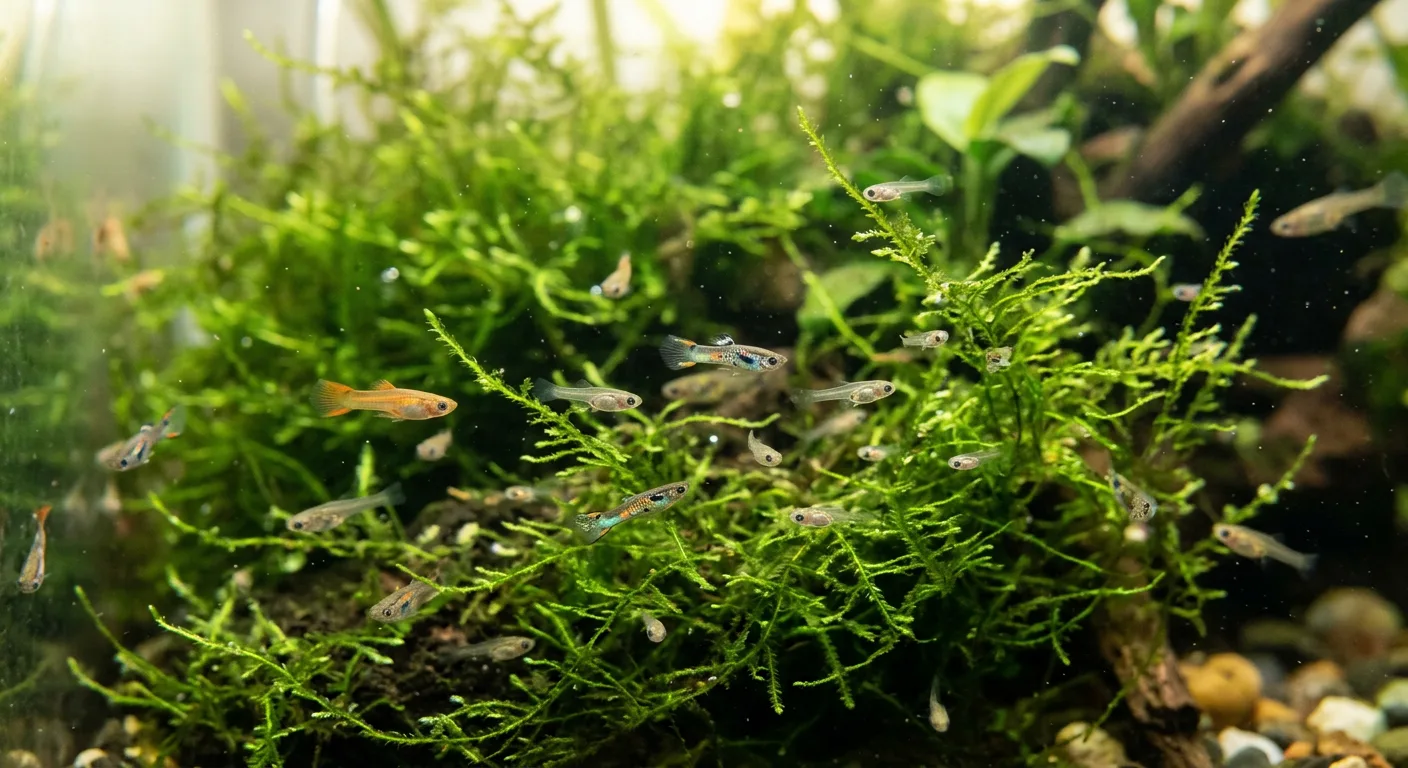
A female guppy can conceive before her body is truly ready. Because livebearers store sperm and become pregnant easily, an immature female placed with a mature male can be pregnant within weeks. Whether that is a problem depends on how early and how well you look after her.
Problems linked to breeding too young
- Smaller broods: younger, smaller females usually produce fewer fry per drop, and the first brood is often modest.
- Weaker fry: fry from underdeveloped mothers may be smaller or less vigorous.
- Stunted growth: a young female spending energy on pregnancy may stay smaller than she otherwise would.
- Stress and complications: poor delivery, a prolonged labor or exhaustion are more likely in tiny, stressed females.
- Constant harassment: if males are mature and females are not, the chasing alone can wear females down.
None of these are certain. Plenty of young females deliver healthy broods. The point is that waiting a few extra weeks shifts the odds in your favor at almost no cost.
The case for waiting until 4 to 6 months
Waiting gives females time to build size and fat reserves, lets you judge color and tail shape before you commit to a pairing, and spares you a surprise brood when your tank is not ready. It also keeps your bloodline clean: breeding too early often means you have not yet noticed the faults you would have wanted to cull. For more on keeping lines healthy, read about guppy inbreeding.
How to tell your guppies are ready: a practical checklist
Use this checklist before placing a pair or trio together for breeding. A fish that ticks most of these boxes is a good candidate.
| Check | Male | Female |
|---|---|---|
| Age | 3 months or more | 4 to 6 months or more |
| Size | About 1 to 1.5 inches | About 1.5 to 2 inches or more |
| Body | Straight spine, strong fins | Full body, no bloating or curve |
| Behavior | Active, eats eagerly | Active, not hiding or clamped |
| Color | Stable adult color | Healthy, bright gravid spot area |
| Health | No spots, fraying or white fuzz | No swelling, sores or labored breathing |
Step-by-step: pairing guppies for the first time
- Confirm age and size. Aim for males around 3 months or older and females around 4 to 6 months or older.
- Quarantine new fish. Keep newcomers separate for about 2 weeks and watch for disease. See our guide to quarantining new guppies.
- Prepare a breeding tank. A 10-gallon tank with a sponge filter, heater, and dense plants like java moss works well. Follow our guppy breeding tank setup.
- Set the ratio. Use 1 male to 2 or 3 females so no single female takes all the attention. See the male to female guppy ratio guide.
- Condition with good food. Feed quality flakes or micro pellets plus live or frozen food, such as baby brine shrimp, small amounts two or three times a day.
- Keep water stable. Hold the temperature around 76 to 80 °F (24 to 27 °C), and do weekly partial water changes.
- Introduce and observe. Add the fish together and watch for the first few hours. Courtship is normal; relentless chasing is not.
- Watch for pregnancy. A gravid spot that darkens and a boxy belly are your cues. Gestation is commonly about 3 to 5 weeks.
- Prepare for the birth. Provide cover so fry can hide, or move the female to a separate tank near her due date.
If you would rather start with fish that are already healthy and well matched, our breeder trios are chosen with breeding in mind.
Factors that speed up or slow down guppy maturity
Two siblings can mature weeks apart. These are the biggest influences.
Temperature
Warm water speeds metabolism and growth. Many keepers hold guppies in the high 70s °F (about 25 to 27 °C). Water that is too cold slows growth and delays maturity, while water that is too hot shortens lifespan and stresses fish. Stability matters more than chasing a perfect number.
Food quality and frequency
Fry that eat several small meals a day, including protein-rich foods like baby brine shrimp, microworms and finely crushed flakes, grow noticeably faster than fry fed once a day. See our guppy fry feeding schedule. Overfeeding fouls water, so feed only what they finish within a couple of minutes.
Water quality and tank space
Fry grown in crowded tanks release growth-inhibiting waste and often stay stunted. Clean water, with ammonia and nitrite at zero and low nitrate, gives the best growth. Regular small water changes beat occasional large ones.
Genetics and strain
Some strains mature earlier or grow larger than others. Fancy lines bred for big tails may take a little longer to show final color. Feeder-type guppies often mature quickly and cheaply. If you are choosing between lines, our post on fancy guppies vs feeder guppies explains the differences.
| Factor | Speeds maturity | Slows maturity |
|---|---|---|
| Temperature | Stable 76 to 80 °F | Below about 72 °F |
| Feeding | Small meals 3 to 4 times a day | One meal a day or poor food |
| Water | Frequent small changes | High nitrate, crowding |
| Space | Roomy, low density | Overcrowded tank |
| Genetics | Fast-growing lines | Slow-developing show lines |
What happens after breeding: pregnancy, birth and fry care
Once a female is pregnant, the clock starts. Gestation commonly lasts about 21 to 35 days depending on temperature and the individual female, and she can drop a new brood roughly every month. For a closer look at the process, see guppy pregnancy stages and gestation and how often guppies give birth.
Preparing for the first brood
- Add dense cover such as java moss, guppy grass or floating plants so fry can hide from adults, which sometimes eat them.
- Keep a second tank or breeder container ready for fry that you want to raise separately.
- Stock live or powdered fry food ahead of time.
Raising the fry
Feed newborns tiny meals several times a day and change a little water often. Separate the fry by size if some grow faster so smaller ones are not outcompeted. When you reach the sexing stage around 6 to 10 weeks, separate males and females if you want to control breeding. Read more in our raising guppy fry guide.
Common mistakes when breeding young guppies
These are the errors we see most often, and each one is easy to avoid.
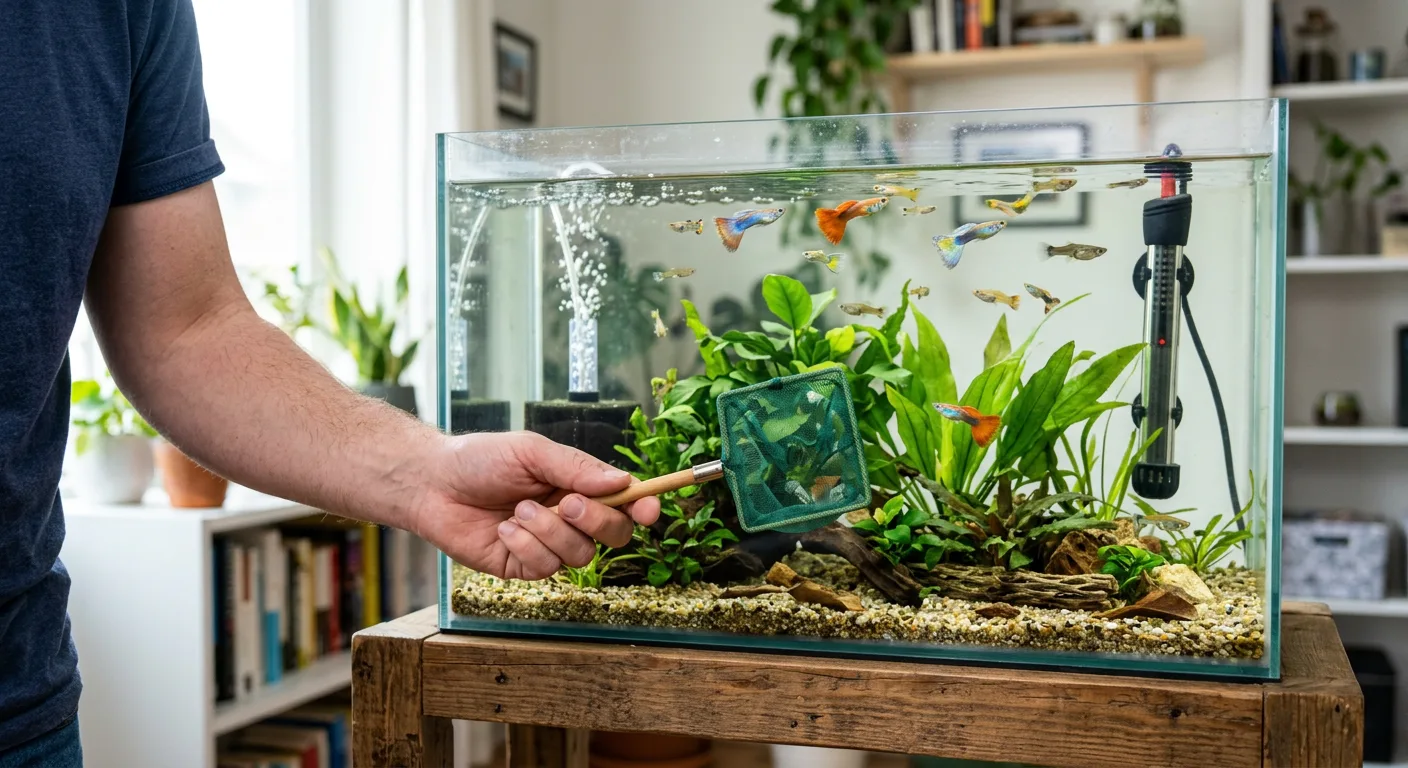
- Mixing sexes too early. Waiting too long to sort males from females often leads to accidental breeding at 8 to 10 weeks. Sort as soon as you can tell.
- Breeding the first fish you have. Not every guppy is a good breeding candidate. Skip fish with bent spines or weak fins.
- Using too many males. A ratio of 1 male to 1 female exhausts the female. Add females or use a separate tank.
- Skipping hiding places. Without plants, survival rates fall quickly.
- Overfeeding to push growth. More food does not always equal faster maturity. It also dirties the water.
- Ignoring genetics. Breeding siblings repeatedly without selection can concentrate faults over generations.
Tips for beginners
Start with one male and two females, keep the tank at a stable temperature, and decide ahead of time what you will do with the fry. Many hobbyists trade extras to local fish stores or friends. Raising dozens of fry takes more tank space than most beginners expect.
Tips for experienced keepers
Record birth dates and parents, cull faulty fry early, and rotate unrelated males into your line every few generations. Breeding at about 5 to 6 months and retiring females after several broods can keep stock strong. If you are building a long-term line, keep notes on color, tail, and growth rate at each stage.
Quick checklist: is your guppy old enough to breed?
- Female is around 4 to 6 months or older and at least 1.5 inches long.
- Male is around 3 months or older with a fully formed gonopodium.
- Both are active, eating well and free of disease.
- Tank is warm, stable and cycled, with dense plants for fry.
- You have a plan and space for the fry.
Ready to take the next step? Browse our premium guppy pairs, or revisit the how to breed guppies walkthrough. For everything else, our guppy care guide has you covered.
FAQ
At what age do female guppies get pregnant?
Female guppies can become pregnant at roughly 2 to 3 months old, and occasionally earlier in warm, well-fed tanks. Most breeders prefer to wait until about 4 to 6 months so the female is larger and stronger. Early pregnancy is possible but often yields smaller broods.
How old do male guppies have to be to breed?
Males are usually able to breed once the gonopodium has formed, around 6 to 12 weeks of age. At that point they will chase females and attempt to mate. Waiting until about 3 months lets you judge color and health first.
How can I tell if my guppy is mature?
In males, look for a pointed, rod-shaped anal fin and stronger color. In females, look for a dark gravid spot and a deeper, rounder body. Size, active behavior and good appetite are further signs of maturity.
Is it bad to breed guppies too young?
It can be. Very young females may have smaller broods, weaker fry or extra stress, and they can stop growing as well as they otherwise would. It is not guaranteed to cause problems, but waiting a few weeks is a low-cost way to improve results.
How long does it take for guppy fry to become breeders?
Fry often reach sexual maturity in about 2 to 3 months in warm, well-fed conditions. Cold water, sparse feeding or crowding can add weeks. A good rule is to separate the sexes by around 6 to 8 weeks if you want to prevent accidental breeding.
How often can a mature female guppy have babies?
A mature female commonly gives birth about every month, and she can store sperm to produce several broods from one mating. Brood size depends on her age, size and health. Allow rest and good feeding between pregnancies.
What is the best ratio of males to females for breeding?
One male to two or three females is a widely used ratio. It spreads the male’s attention across several females and reduces stress and injuries. Add plenty of plants for cover.
Behind the care guides
Care begins with steady systems
Our guppy guides focus on practical routines: keep water stable, observe fish closely and allow for natural variation.

Care systems
Steady water, thoughtful care
Gentle filtration and regular observation support healthy aquarium routines.

Natural variation
Every guppy is different
Color, size and fin shape vary with strain, age and each individual fish.
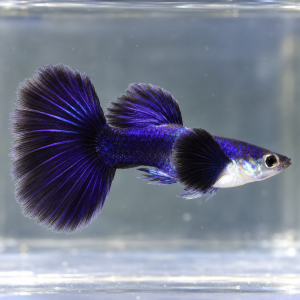
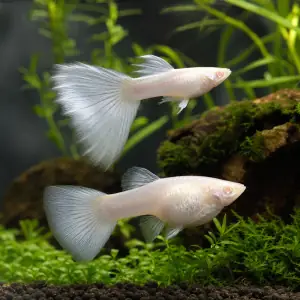
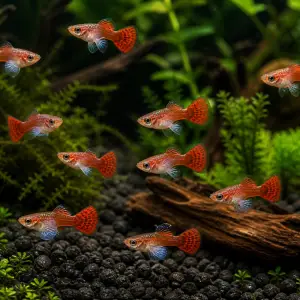
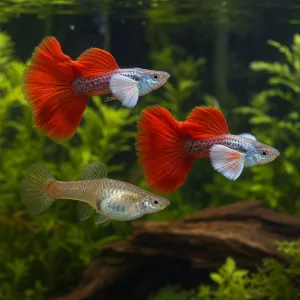
Editorial illustrations for context; they do not depict HiGuppy's exact facility or current fish stock.