Guppy Care Article
Guppy Gill Flukes: Symptoms, Fast Breathing & Safer Treatment Steps
Guppy gill flukes are microscopic monogenean flatworms that attach to gill tissue and can cause irritation, excess mucus and respiratory distress. Possible signs include rapid breathing, flashing, clamped fins and surface gasping. However, ammonia, nitrite, chlorine, low oxygen, ich, velvet and bacterial gill disease can produce very similar symptoms, so breathing trouble should be triaged before assuming parasites.
Breathing emergency: check oxygen and water first
If several fish are gasping at the surface, increase aeration immediately, verify filter and heater operation, and test ammonia and nitrite before medication. A tank-wide breathing problem can be caused by an environmental failure and may worsen quickly while you are focused on parasites.
What are gill flukes?
“Gill flukes” usually refers to monogenean parasites that live on the gills of fish. Freshwater monogeneans are generally too small to identify reliably with the naked eye. Some common gill-associated groups lay eggs, while related monogeneans may give birth to live young and favor skin or fins. Their direct life cycle allows parasite numbers to build rapidly in a shared aquarium because new stages do not need an intermediate host.
Merck Veterinary Manual notes that heavy monogenean infestations can cause pale or swollen gills, rapid breathing, flashing and potentially serious mortality. That makes gill disease important to investigate promptly, especially in newly imported or recently mixed fish.
Possible gill fluke symptoms in guppies
- Fast or labored gill movement
- Flashing or rubbing, especially around the head and gill area
- One gill cover held more open than the other
- Excess mucus around the gills
- Clamped fins, hiding and reduced appetite
- Surface breathing or “piping” despite adequate aeration
- Pale, red or swollen-looking gill tissue
- Weight loss or chronic weakness when infestation persists
None of these signs proves flukes. If the main symptom is surface breathing, use the guppy gasping-at-the-surface guide first to rule out immediate environmental causes.
Gill flukes vs low oxygen, ammonia, ich and velvet
| Possible cause | Clues to check | Best first move |
|---|---|---|
| Low dissolved oxygen | Several fish at surface, weak surface movement, high temperature, crowding | Increase aeration and surface agitation immediately |
| Ammonia or nitrite | New/uncycled tank, filter disruption, recent overfeeding, measurable test result | Correct water safely with conditioned, temperature-matched water |
| Chlorine/chloramine or chemical irritation | Symptoms start after maintenance or contamination | Use appropriate conditioner, clean water and strong aeration |
| Ich | Salt-grain white spots, flashing, clamping | Compare with the guppy ich guide |
| Velvet | Fine gold/rust dust, hiding, flashing, gill distress | Compare with the guppy velvet guide |
| Gill flukes | Persistent flashing and respiratory signs after water/oxygen issues are ruled out; may affect new fish first | Seek microscopic confirmation when possible |
| Bacterial gill disease | Rapid progression, damaged gill tissue, recent crowding or severe stress | Isolate and seek qualified diagnosis |
How are gill flukes confirmed?
Gill flukes are best confirmed by microscopic examination of a gill sample or skin/gill scrape by a trained fish-health professional. Monogeneans have distinctive attachment structures that help separate them from protozoan parasites and bacterial disease. This matters when a valuable breeding line is involved because repeated blind treatments can create extra stress without solving the real problem.
Safe first steps for suspected gill flukes
- Increase aeration. Sick gills reduce respiratory reserve, and some treatments further increase oxygen demand.
- Test ammonia, nitrite, pH and temperature. Correct environmental irritation before blaming parasites.
- Perform a careful partial water change when readings require it. Use conditioned, temperature-matched water and avoid abrupt chemistry swings.
- Isolate affected fish when practical. Use a stable quarantine/hospital tank and dedicated net and siphon.
- Observe the whole population. Note whether only recent arrivals are affected or the entire tank is breathing hard.
- Choose treatment after narrowing the cause. Follow the full label for dose, duration, repeat schedule, filtration and invertebrate safety.
What treatments are used for gill flukes?
For ornamental fish, fish-health references commonly list praziquantel as a preferred treatment for monogenean parasites. The appropriate product, dose and repeat interval depend on the aquarium, fish, parasite and formulation, so follow a product specifically labeled for ornamental fish or veterinary guidance rather than copying a generic dose from the internet.
Do not automatically combine antiparasitic products. Some treatments can reduce oxygen, affect the biofilter or be unsafe for sensitive tank mates. Activated carbon and other chemical media may also remove medication, so follow the label rather than making blanket filtration changes.
Why repeat treatment may be needed
Some gill-associated monogeneans lay eggs. A treatment may affect exposed parasites without eliminating every egg, which means newly hatched stages can appear later. That is why some labeled protocols use repeat treatments. The interval is not universal: temperature, parasite biology and the medication formulation all matter.
Stopping early can allow reinfection, while unnecessary extra dosing can stress fish. Follow the complete label schedule and continue observing breathing and water quality after the visible signs improve.
How to reduce gill fluke risk
- Quarantine new guppies before adding them to established stock.
- Use separate nets, siphons and buckets for quarantine systems.
- Maintain stable water quality and strong oxygenation.
- Avoid overcrowding and heavy organic waste.
- Observe breathing rate, flashing and appetite during quarantine.
- Do not share wet equipment between sick and healthy tanks without proper disinfection.
For a broader symptom comparison, visit the Guppy Diseases Guide. HiGuppy’s quarantine and observation process explains how incoming fish are separated and monitored before joining established systems.
Frequently asked questions
Can you see gill flukes on a guppy?
Usually not reliably with the naked eye. Their effects may be visible, but microscopic examination is the better way to confirm monogenean parasites.
Do gill flukes affect the whole tank?
They can spread between fish in shared water because monogeneans have direct life cycles. Whether the entire aquarium should be treated depends on exposure, diagnosis, tank mates and the product being used.
Can clean water get rid of gill flukes?
Clean, oxygen-rich water supports recovery and may resolve environmental irritation that mimics parasites, but it does not reliably eliminate an established monogenean infestation.
Can gill flukes cause one gill to stay closed or open?
Uneven gill movement can occur with localized irritation, but foreign material, injury, infection and other gill problems can do the same. Persistent one-sided gill changes deserve closer examination.
Review basis: This educational guide was reviewed against the Merck Veterinary Manual section on monogenean parasites of aquarium fish and the University of Florida IFAS Extension reference on monogenean parasites of fish. Last reviewed: August 2026.
Educational note: Severe respiratory distress, rapid losses or disease in valuable breeding stock warrants prompt aquatic veterinary or diagnostic help.
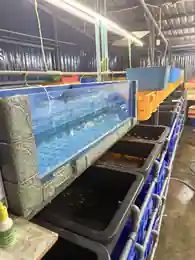
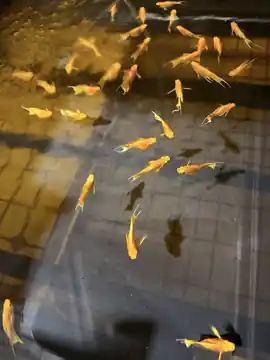
Real HiGuppy photographs
Inside the facility behind our guppy guides
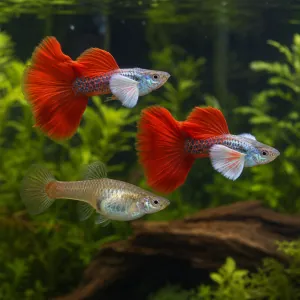
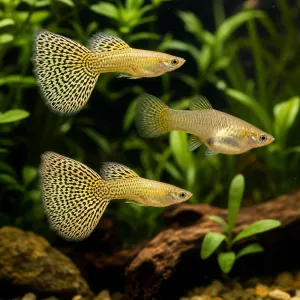
These photographs show real HiGuppy holding, breeding and observation work. They document our facility and fish stock; they are not presented as the exact individual fish or strain discussed on every page.