Guppy Care Article
Guppy Bullying Signs: Chasing, Stress & How to Stop It
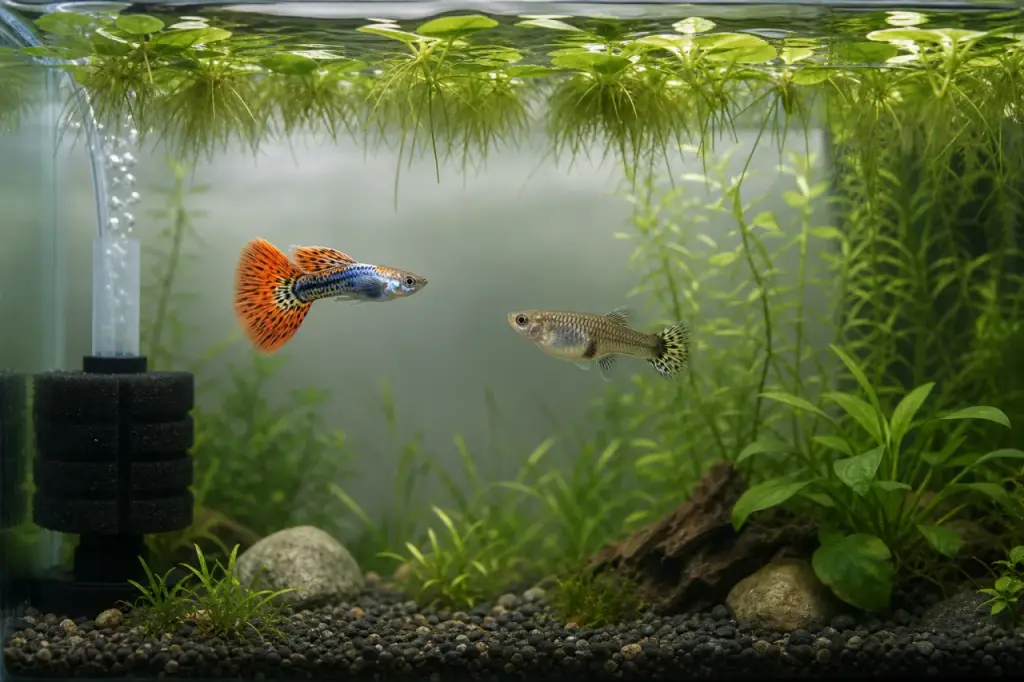
Guppies are active social fish, so some chasing is normal. The problem is repeated targeting: one fish cannot rest, eat, or use the tank normally because another guppy keeps pursuing, nipping, or crowding it.
This guide explains the main guppy bullying signs, why chasing happens, and how to reduce stress without treating every burst of activity as aggression.
Quick Answer
Bullying is more likely when one guppy is singled out repeatedly and starts hiding, missing meals, clamping fins, losing color, showing torn fins, or staying in one corner. Reduce pressure by improving space and cover, correcting stocking or sex-ratio problems, checking water quality, and separating fish when persistent chasing causes injury or prevents normal feeding.
Normal Chasing vs Bullying
| Behavior | Usually normal | More concerning |
|---|---|---|
| Short chase | Stops quickly; fish rejoin group | Same fish is pursued again and again |
| Male courtship | Female can move away and rest | Female is constantly harassed by one or more males |
| Male display | Brief posturing without injury | Persistent nipping, pinning or exclusion |
| Feeding | All fish eventually access food | One fish is repeatedly driven away |
| Afterward | Normal swimming and feeding | Hiding, clamped fins, color loss or torn fins |
Common Guppy Bullying Signs
- One guppy is chased much more than the others.
- The same fish hides behind plants, equipment, or in a corner.
- A guppy avoids the feeding area or loses weight.
- Fins are clamped, frayed, or freshly torn.
- The targeted fish becomes pale or less colorful.
- A female is continuously pursued by multiple males.
- A smaller or weaker fish is kept away from open swimming space.
- The fish bolts, glass-surfs, or stays near the surface after being chased.
If the main sign is hiding rather than obvious chasing, compare it with glass-surfing and stress behavior and the broader Guppy Diseases Guide.
Why Do Guppies Chase Each Other?
1. Courtship and mating pressure
Male guppies frequently pursue females. Some courtship is expected, but a female that is constantly chased may spend less time feeding and resting. In mixed-sex groups, avoid stocking patterns that place one female under continuous pressure from several males.
Use Male vs Female Guppy and Pair vs Trio for Guppies when planning a breeding group.
2. Competition among males
Males can display, chase, and compete for access to females or space. A male-only tank can work, but it still needs enough room, visual breaks, stable water, and observation. One dominant fish may otherwise focus on a weaker tank mate.
3. Too little usable space
A tank can have adequate water volume but still offer poor territory and escape routes. Open swimming area plus plants or decor that interrupt a direct line of sight can help weaker fish disengage.
See Best Live Plants for Guppies and Best Tank Setup for Guppies.
4. New fish or a changed social group
Adding or removing fish can change social behavior. New arrivals may be especially vulnerable because they are already adapting to transport, different water, and a new environment. Observe introductions closely rather than assuming they will settle automatically.
5. Stress, poor water or illness
A sick or weakened guppy may be targeted more easily, and poor water can make the entire tank more reactive. Test ammonia and nitrite, review temperature, and look for disease signs before concluding that behavior is the only problem.
Use the Guppy Water Parameters Guide and Guppy Clamped Fins if stress signs are present.
How to Stop Guppy Bullying: Practical Order
- Identify the pattern. Note who chases whom, when it happens, and whether feeding or mating triggers it.
- Check the targeted fish. Look for torn fins, weight loss, clamped fins, rapid breathing, or other health signs.
- Test the water. Behavior problems are harder to interpret in an unstable tank.
- Add visual barriers. Plants, wood, and decor can break a direct chase route while preserving open swimming space.
- Review stocking and sex ratio. Correct a group that puts excessive mating pressure on one female or leaves one fish chronically targeted.
- Spread feeding access. Feed small amounts across more than one area if one fish monopolizes food.
- Separate when necessary. If a fish is injured or cannot eat/rest, temporary isolation or a tank divider may be safer than waiting.
What If the Tail Is Torn?
Fresh mechanical tears can come from chasing, nipping, sharp decor, or accidents. Keep water clean and reduce the cause of injury. If the fin edge continues to deteriorate rather than simply heal, compare it with Guppy Fin Rot vs Torn Fins.
Can Plants Fix Bullying?
Plants can reduce line-of-sight pressure and give shy fish places to pause, but they are not a complete fix for severe aggression, extreme mating pressure, or a badly mismatched stocking plan. Think of cover as one tool, not a substitute for correcting the social setup.
Should You Remove the Bully or the Victim?
If one fish is injured or unable to eat, protect that fish first. For persistent aggression, separating the aggressor can reveal whether the group settles. In some cases a clear divider works; in others the stocking plan needs a permanent change.
Use a hospital or observation tank if the targeted fish also needs recovery time.
When Chasing May Actually Be a Health Problem
Do not attribute every unusual movement to bullying. A fish that darts, rubs against objects, gasps, loses balance, or clamps its fins may have water-quality or disease issues even if tank mates are also chasing it. Check the complete symptom pattern.
FAQ
Is male guppy chasing normal?
Some courtship and display chasing is normal. It becomes a welfare problem when one fish is repeatedly targeted and cannot feed, rest, or swim normally.
Can female guppies bully each other?
Yes. Guppy social pressure is not limited to males, although persistent male courtship is a common source of chasing in mixed-sex tanks.
Will a bigger tank stop guppy bullying?
More usable space can help, but layout and stocking matter too. A larger bare tank may still offer few visual barriers, while severe targeting may require separation.
Why is one guppy always hiding?
Bullying is one possibility, but new-arrival stress, poor water, strong flow, illness, or excessive lighting can also make a guppy hide. Look for direct chasing before assuming aggression.
Reference
The Merck Veterinary Manual notes that aggression toward newly introduced aquarium fish can be stressful and that rearranging visual territory, providing separation, and reducing crowding can help when aggression persists: Providing a Home for Fish.
For a broader stocking plan, see Best Tank Mates for Guppies. If you are planning a new group, review HiGuppy breeding pairs, trios and groups after confirming the tank can support the intended social setup.
Real HiGuppy photographs
Inside the facility behind our guppy guides
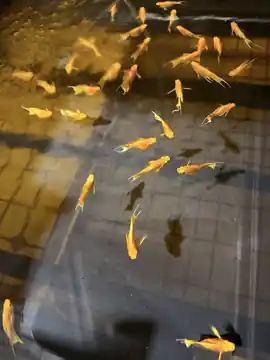
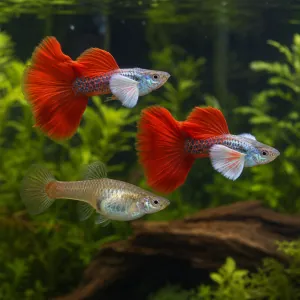
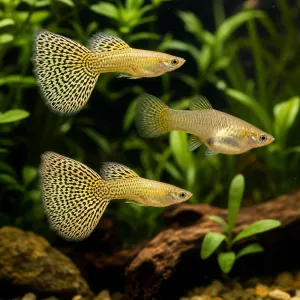
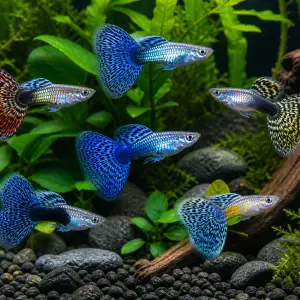
These photographs show real HiGuppy holding, breeding and observation work. They document our facility and fish stock; they are not presented as the exact individual fish or strain discussed on every page.