The HiGuppy Journal
How to Set Up a Guppy Tank for Beginners
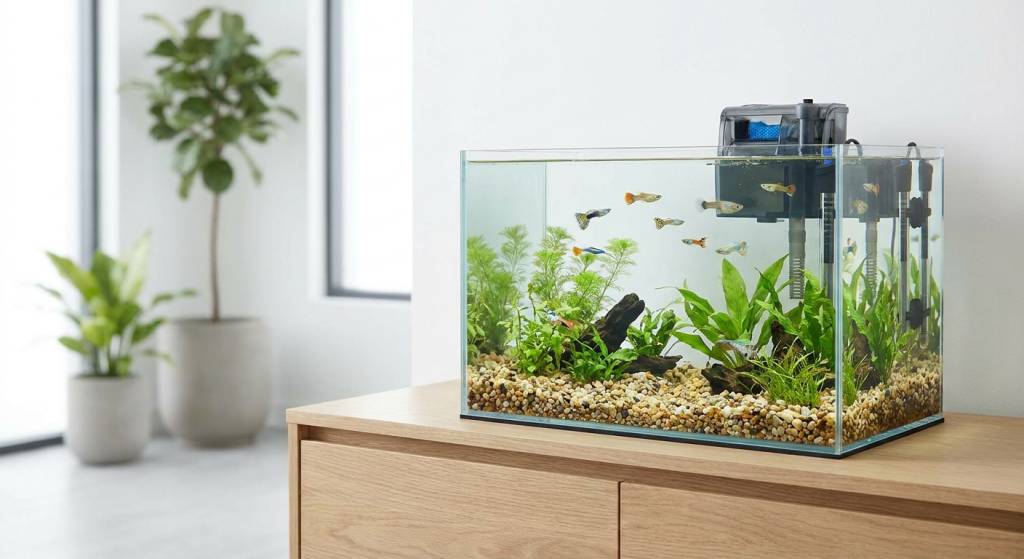
Setting up a guppy tank carefully from day one can reduce avoidable stress and make maintenance more manageable. Guppies are often kept by beginners, but they still require an appropriately sized aquarium, a fully cycled filter, and stable water parameters. Knowing how to set up a guppy tank prevents most beginner problems. Adding fish to a brand-new, untested setup can create avoidable water-quality problems.
In this comprehensive guide, we will walk you through exactly how to set up a guppy tank for beginners. We will cover everything from choosing the ideal tank size and installing the right equipment to understanding the critical nitrogen cycle and properly acclimating your new aquatic pets to their home.
1. Choose a Tank Size and Location
The first step in how to set up a guppy tank is choosing the right size. One of the most common beginner mistakes is assuming guppies can live in tiny bowls or one-gallon cubes. Guppies are highly active swimmers and prolific breeders. Start with an appropriate tank to give them swimming space and keep water quality stable.
A 5-gallon aquarium leaves little margin for stocking changes or unexpected fry. The OATA guppy and molly care sheet recommends at least 45 liters (about 12 US gallons) for a small group of smaller species such as guppies; more fish, expected fry or heavier stocking require more space. A 10-US-gallon tank holds about 38 liters, below that reference. Plan tank size around adult numbers, filtration, maintenance and any breeding, rather than treating a fixed fish count as safe. Compare the 5-gallon stocking guide before adding fish.
Once you know how to set up a guppy tank, location is next. Keep these placement rules in mind:
- Avoid Direct Sunlight: Direct sun can cause temperature swings and encourage unwanted algae growth; choose a stable, shaded location.
- Stay Away from Drafts and Vents: Keep the tank away from air conditioning vents, radiators, and exterior doors to ensure the water heater can maintain a stable temperature.
- Ensure Structural Support: Water is heavy. A standard 10-gallon tank weighs over 100 pounds when filled. Ensure your stand or furniture can support this weight permanently.
2. Set Up Essential Guppy Tank Equipment
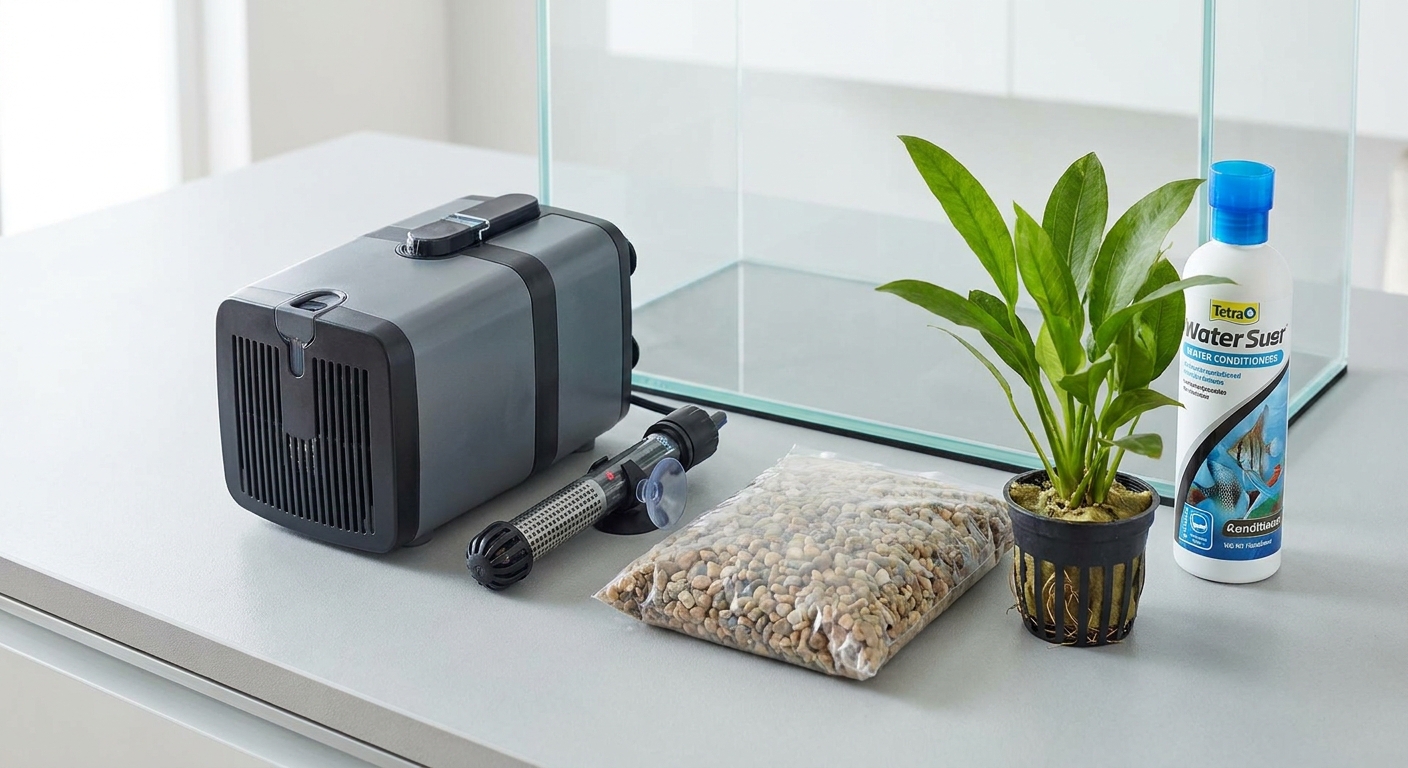
Equipment is where how to set up a guppy tank becomes concrete. Before adding water, you need to gather the foundational equipment that will keep your artificial ecosystem running. A successful guppy setup relies on three main mechanical components: a filter, a heater, and appropriate lighting.
1. Filtration with Gentle Water Flow
When people ask how to set up a guppy tank filter, the answer is usually gentle. Guppies, especially males with long, flowing tails, are not strong swimmers against heavy currents. A strong filter will exhaust them, leading to stress and illness. A sponge filter paired with an air pump is widely considered the best option for a guppy tank. It can provide gentle biological filtration and aeration, but any intake still needs to be protected and observed when fry are present. If you prefer a Hang-On-Back (HOB) filter, ensure it has an adjustable flow rate and place a pre-filter sponge over the intake tube.
2. Submersible Aquarium Heater
Guppies are tropical fish native to warm waters in South America. They require a stable water temperature between 72°F and 82°F (22°C – 28°C). You will need an adjustable submersible heater to maintain this range. Choose a heater per the manufacturer’s guidance and room conditions; do not treat watts-per-gallon as a guarantee. Pair the heater with a reliable glass thermometer on the opposite side of the tank.
3. Aquarium Lighting
A standard LED aquarium light is perfect for guppies. Lighting helps regulate the fish’s day-and-night cycle and allows you to view their vibrant colors. If you plan to keep live plants, you may need a light specifically rated for plant growth. Aim to keep the lights on for 8 to 10 hours a day. Leaving lights on 24/7 will stress the fish and cause severe algae outbreaks. A steady day-night rhythm is part of how to set up a guppy tank.
3. Add Substrate, Plants and Hiding Spaces
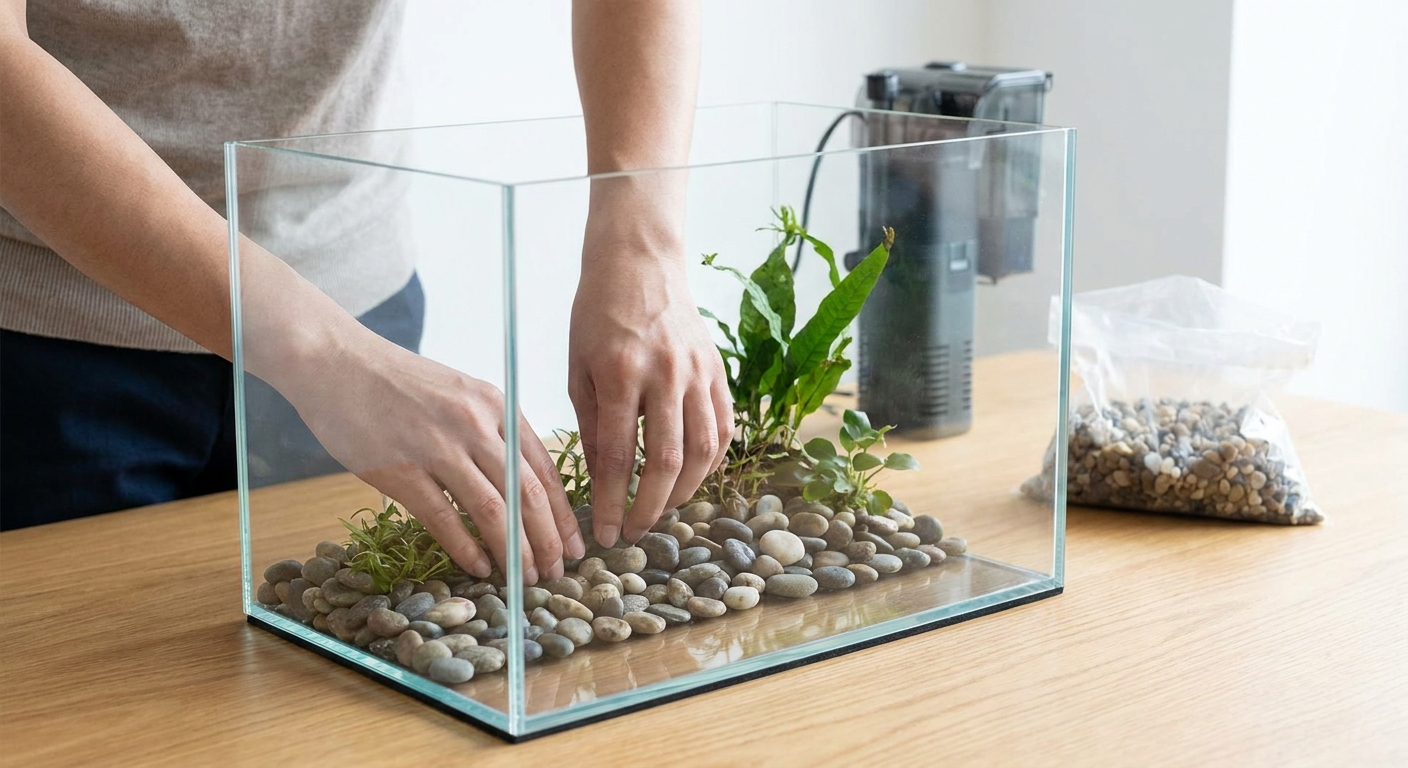
In how to set up a guppy tank, decorating is not just about aesthetics; it is about providing a natural, stress-free environment for your fish. The bottom layer of your tank is called the substrate. For guppies, fine gravel or aquarium sand works perfectly. Darker substrates often make the vibrant neon colors of male guppies pop beautifully.
Live plants can take up nutrients and provide cover for fry, but they do not replace biological filtration, regular water testing or adequate surface movement for gas exchange. If new to planted tanks, start with hardy species suited to your lighting. Choosing plants is an underrated part of how to set up a guppy tank.
🌿 Best Beginner Plants for Guppies
Guppy Grass (Najas guadalupensis): A fast-growing plant that can be planted in the substrate or left floating. It provides the ultimate hiding space for newborn fry.
🌿 Java Fern and Anubias
These plants have thick, hardy leaves. They should not be buried in the sand; instead, tie or glue them to rocks and driftwood.
4. Cycle the Filter and Check Water Parameters
This is the most critical part of how to set up a guppy tank: You cannot add fish on the same day you fill the tank with water. Tap water contains chlorine and chloramine, which are lethal to fish. You must add a liquid water conditioner (dechlorinator) to make the water safe.
More importantly, you must establish the Nitrogen Cycle. Fish excrete waste in the form of ammonia, which is highly toxic. In a healthy aquarium, colonies of beneficial bacteria live inside the filter sponge. These bacteria eat the ammonia, converting it into nitrites (also toxic), and finally into nitrates (much less toxic, which you remove via weekly water changes). Understanding this cycle separates knowing how to set up a guppy tank from guessing.
Buy a reliable freshwater test kit before buying fish. Verify that a fishless-cycled filter can process the intended ammonia load while ammonia and nitrite return to 0 ppm and water conditions stay stable; the number of elapsed weeks or a nitrate reading alone cannot confirm readiness. Follow a fishless cycling method suitable for your filter and future stocking, and only add a modest initial group after testing. Guppies generally do well in stable, appropriately hard water; avoid abrupt pH adjustments merely to reach a target number.
5. Prepare to Acclimate Your New Guppies
A common question at this stage of how to set up a guppy tank: when do fish arrive? Once the tank and quarantine system are cycled and stable, plan how to receive the fish. A short local trip and a long-distance shipment may need different acclimation procedures. Changes in temperature, pH and oxygen matter, but long transport can also leave ammonia in bag water; use the seller or transshipper’s arrival instructions rather than one universal timed water-mixing routine.
The last leg of how to set up a guppy tank is receiving fish safely. Use these safety checks, adapting them to the seller’s or transshipper’s instructions:
- Check the delivery and temperature: Prepare a cycled, dechlorinated, aerated quarantine tank in advance. Keep bags closed during any temperature equalization recommended by the shipper; protect bags from heat and watch for breathing distress.
- Distinguish local purchase from long shipping: For a brief local trip with clean bag water, follow the retailer’s advice on gradual acclimation if needed. For long-distance shipping, do not automatically open the bag and add tank water every five minutes for half an hour. Accumulated ammonia can become more toxic as CO2 escapes and pH rises. Follow the live-fish shipper’s protocol and avoid unnecessarily prolonged exposure to opened shipping water.
- Transfer and observe: Gently transfer fish to their prepared quarantine tank as directed by the shipper, minimizing the amount of transport water introduced. Discard bag water, keep lighting low initially and watch swimming and breathing; seek qualified aquarium or aquatic-veterinary advice if fish are distressed.
Why shipped bags need special care: UF/IFAS research on ornamental-fish transport explains how pH shifts change the toxic un-ionized ammonia fraction in transport water. For monitoring after arrival, see the HiGuppy quarantine guide. If the packer supplies a different route-specific protocol, contact them before proceeding.
6. Start Feeding and Daily Observation
Feeding is where how to set up a guppy tank turns into daily care. Guppies are omnivores with small, upturned mouths designed for surface feeding. A high-quality tropical flake food or micro-pellet should form the base of their diet. You can supplement this a few times a week with freeze-dried or frozen bloodworms, brine shrimp, or daphnia to boost their coloration and overall vitality.
The most common beginner mistake once you know how to set up a guppy tank is overfeeding. Guppies will constantly act like they are starving, begging at the glass whenever you walk by. Do not give in. Feed them only what they can entirely consume in under two minutes, once or twice a day. Uneaten food sinks to the bottom, rots, and creates toxic ammonia spikes.
Another major mistake is improper filter maintenance. Never wash your filter sponge under untreated tap water, as the chlorine will kill all your beneficial bacteria and crash your tank’s cycle. When the filter flow slows down, simply squeeze the sponge out gently in a bucket of dirty aquarium water during your weekly water change.
Frequently Asked Questions (FAQ)
How many guppies should I start with?
Do not choose a fixed fish count from a 10-US-gallon (about 38-liter) tank recommendation. OATA’s general reference is at least 45 liters for a small group of guppies, with more space for larger groups or fry. Stock gradually only after water testing confirms the filter can handle the load. If keeping both sexes, a common starting approach is at least two females per male to help limit persistent pursuit, with monitoring and separation if stress develops. An all-male setup avoids fry but still needs adequate space and observation. When in doubt, revisit the stocking step of how to set up a guppy tank.
When can I add more fish?
After your initial group has lived in the tank for a few weeks, test the water. If ammonia and nitrites are perfectly at zero, you can safely add a few more fish. Adding too many fish at once overloads the biological filter, so always stock your tank slowly — patience is part of how to set up a guppy tank that stays healthy.
Do I need an air pump?
If you are using a sponge filter, an air pump is required to run it. If you are using a Hang-On-Back filter that agitates the water surface well, a dedicated air stone is optional but generally recommended, as it increases oxygen levels and improves water circulation. Equipment questions are a normal part of how to set up a guppy tank.
Ready to Build Your Guppy Community?
Now that you know exactly how to set up a guppy tank for beginners, it is time to bring your underwater world to life. Ensure your tank is cycled, your parameters are stable, and you are ready for the rewarding journey of fish keeping.
Before buying fish, compare the Guppy Tank Setup Guide, Water Parameters Guide, Water Change Guide, and Guppy Care Guide, then browse the current Shop only after the aquarium is ready.
Tank readiness is more than waiting a fixed number of days
The big lesson in how to set up a guppy tank: readiness beats impatience. A beginner setup is easier to manage when the steps stay in order: install equipment, establish filtration, test the water, confirm stable operation, then stock gradually and observe. The RSPCA aquarium water-quality guidance explains that biological filtration depends on beneficial bacteria and that a new aquarium or filter may not yet be biologically established. That is why a calendar alone cannot prove a tank is ready.
The RSPCA tropical-fish care guidance also emphasizes matching the aquarium to the needs of the fish. For guppies specifically, the Aqueon livebearer guide can provide additional general livebearer context without replacing your own water testing and stocking decisions.
Once the tank is stable, choose filtration based on the aquarium’s stocking and maintenance needs with our Best Filter for Guppies guide. If you plan a community aquarium, review the Best Tank Mates for Guppies guide before adding additional species so space, behavior and group requirements are considered before purchase.
Behind the care guides
Care begins with steady systems
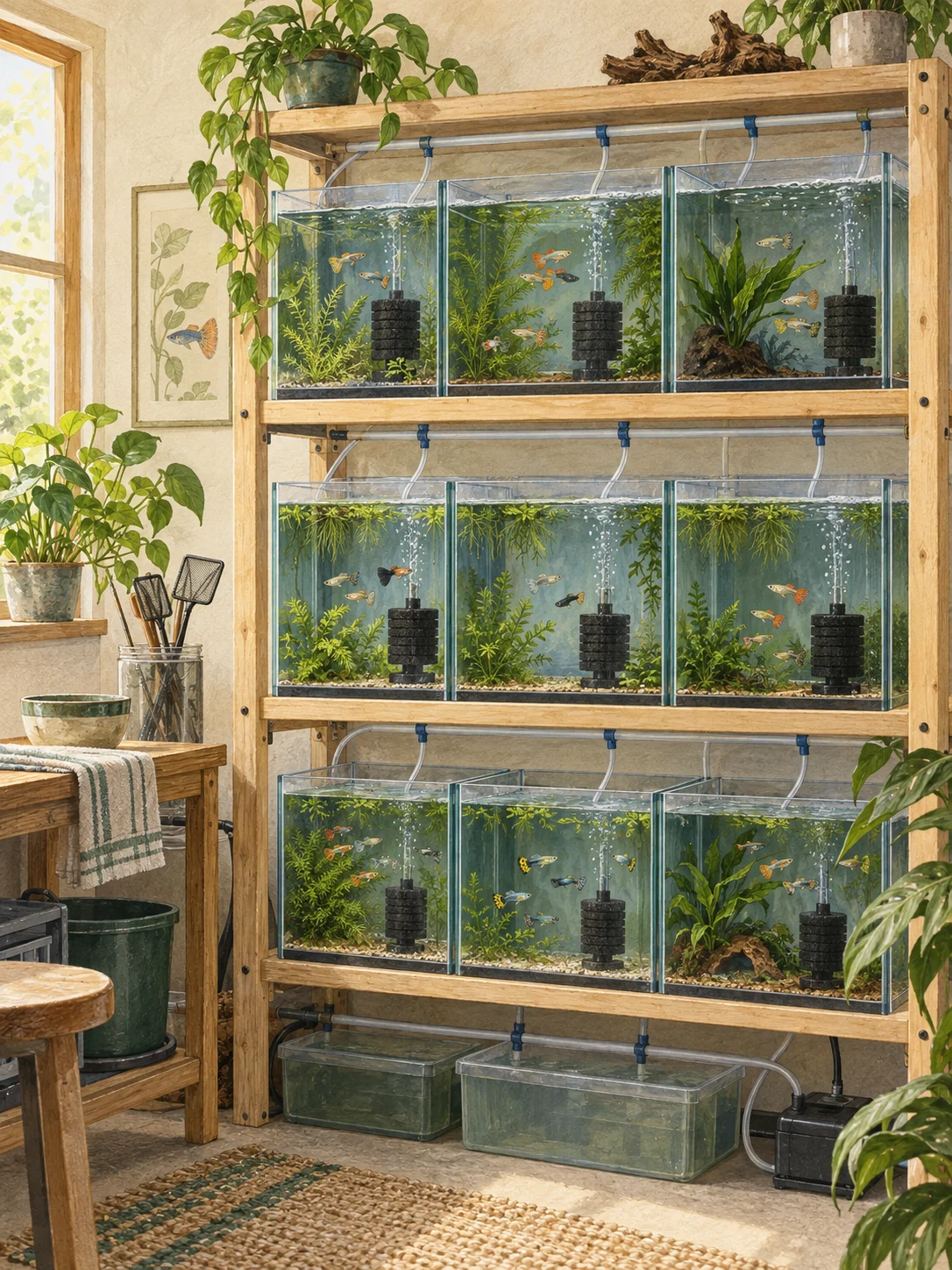
Our guppy guides focus on practical routines: keep water stable, observe fish closely and allow for natural variation.
Care systems
Steady water, thoughtful care
Gentle filtration and regular observation support healthy aquarium routines.
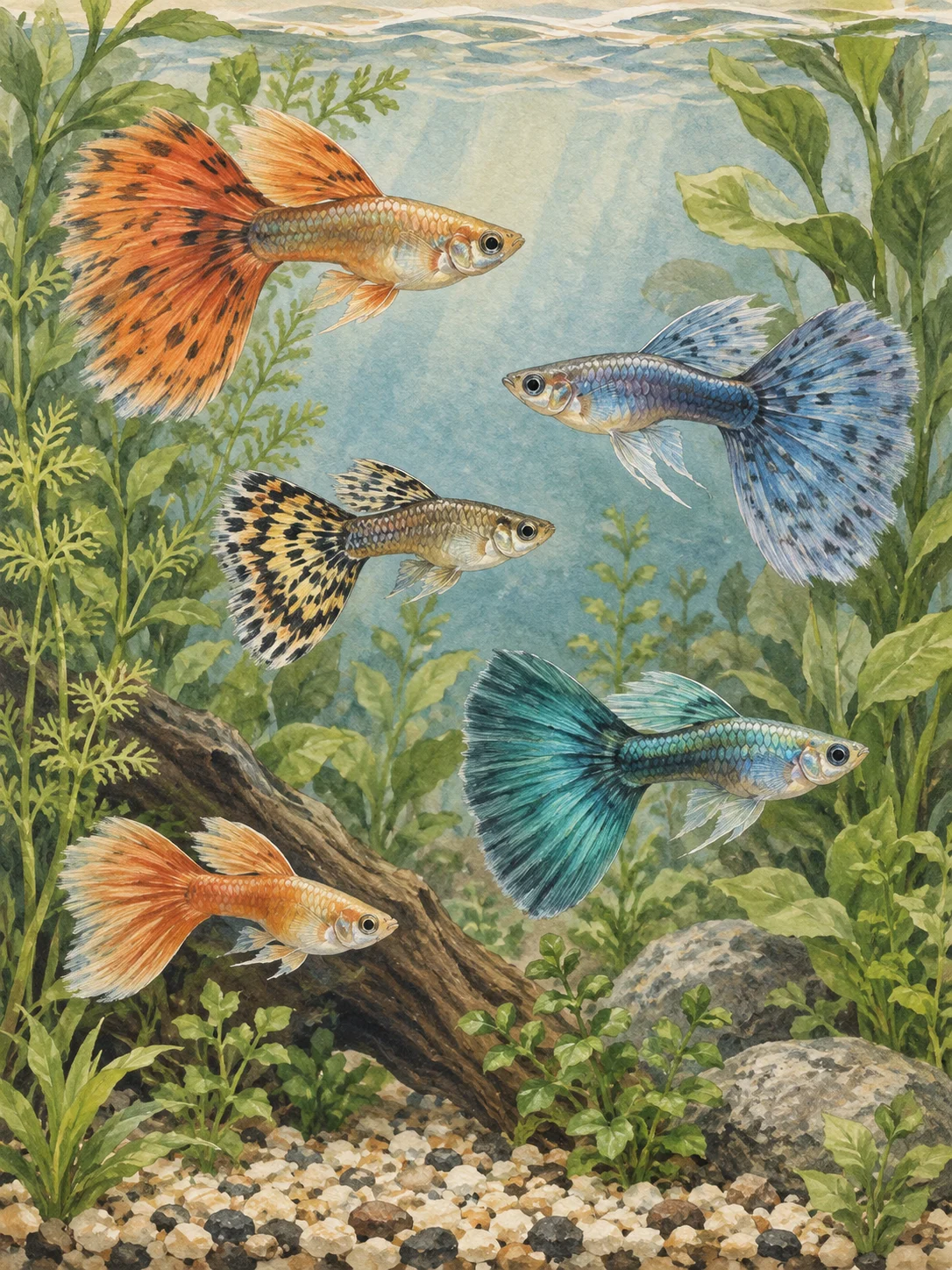
Natural variation
Every guppy is different
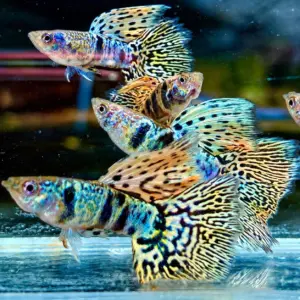
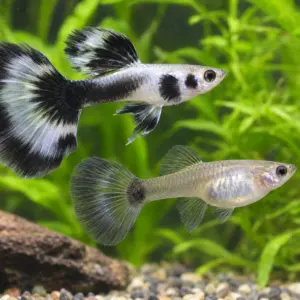
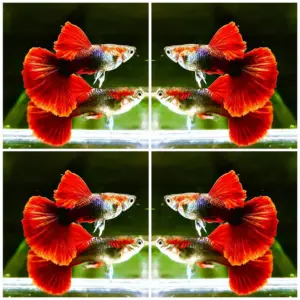
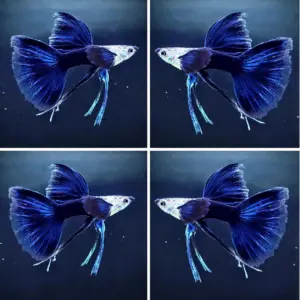
Color, size and fin shape vary with strain, age and each individual fish.
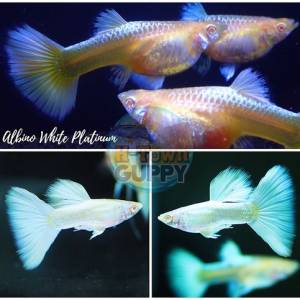
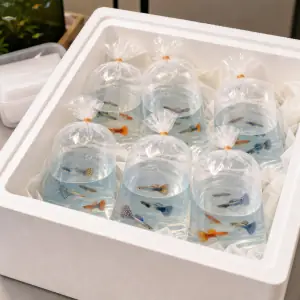
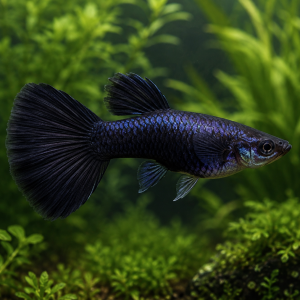
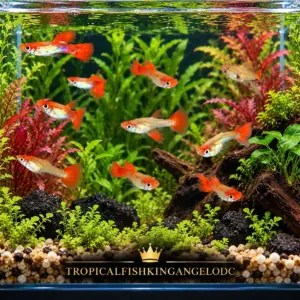
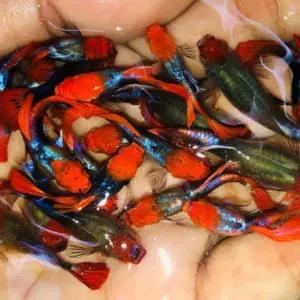
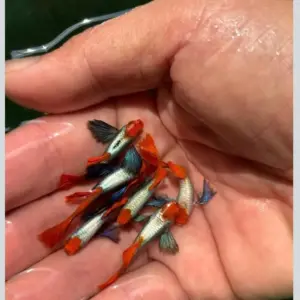
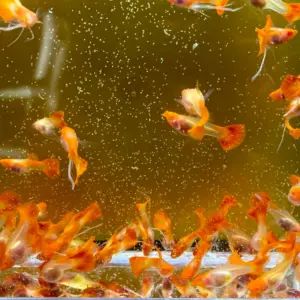
Editorial illustrations for context; they do not depict HiGuppy's exact facility or current fish stock.