Guppy Care Article
Best Food for Guppies: Flakes, Pellets, Live & Frozen Foods
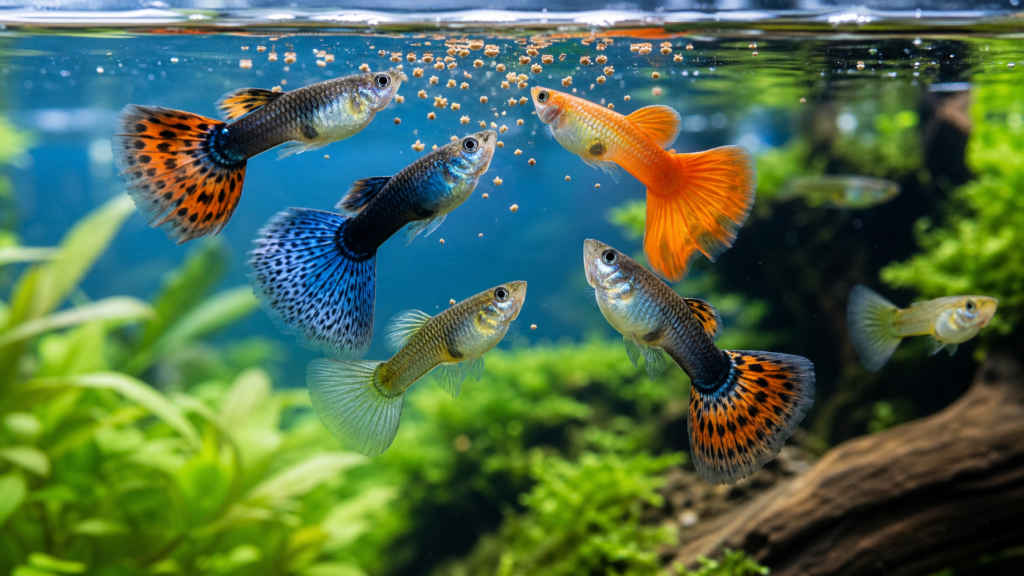
Quick answer: The best food for guppies combines quality micro pellets or flakes with frozen baby brine shrimp, daphnia, and occasional live foods. Feed small amounts 2-3 times daily, consumed within 2-3 minutes, with one light or fasting day per week to protect water quality.
Guppies are omnivores with fast metabolisms and show better color, growth, and breeding performance when diet is varied. Relying on one flake product alone often leads to acceptable survival but mediocre vitality. Rotation and portion control are the keys.
For overall care, see How to Care for Guppies and Guppy Water Parameters Guide. Breeders raising young fish should also read Raising Guppy Fry Guide.
Best Foods for Guppies Compared
| Food Type | Benefits | How Often |
|---|---|---|
| Micro pellets | Balanced daily nutrition, less waste than many flakes | Daily staple |
| Quality flakes | Convenient, accepted readily | Daily if high quality |
| Frozen baby brine shrimp | Strong protein for growth and breeding | 2-4 times weekly |
| Frozen daphnia | Fiber, digestion support | 1-2 times weekly |
| Spirulina-based foods | Plant nutrition, color support | 1-2 times weekly |
| Live foods (optional) | Enrichment, fry conditioning | Occasional treat |
Feeding Schedule That Works
- Feed 2-3 small meals per day rather than one large portion.
- Only offer what fish finish in 2-3 minutes.
- Skip or reduce feeding one day per week if water quality trends high nitrate.
- Rotate proteins and plant-based options across the week.
- Observe belly shape: slightly rounded is fine; bloated is not.
Overfeeding is more dangerous than underfeeding in most home aquariums. Uneaten food decays into ammonia and nitrate. If nitrate climbs quickly, reduce portion size before buying more equipment.
Food for Color and Breeding
Color comes from genetics first, but diet and water quality influence how well that color expresses. Protein-rich foods support breeding condition in males and females. Females carrying fry benefit from varied nutrition without heavy overfeeding that fouls water.
Note: Color-enhancing foods can help display, but they do not replace clean water and stable parameters.
What to Avoid
- Large pellets that adults struggle to swallow
- Excessive fatty treats with no variety
- Feeding while ammonia or nitrite is elevated
- Dumping frozen cubes in without rinsing packaging residue
- Leaving uneaten food on substrate overnight
Frequently Asked Questions
Are flakes or pellets better for guppies?
Both work. High-quality micro pellets often create less mess and sink behavior than large flakes.
How often should I feed guppies?
2-3 small meals daily is a common successful routine for adults.
Can guppies eat bloodworms?
Yes, in moderation as part of a varied diet. Do not use one rich food exclusively.
Do guppies need live food?
Not required, but live or frozen foods improve variety and breeding condition for many keepers.
What is the best food for guppy fry?
Crushed pellets, powdered fry food, microworms, and baby brine shrimp are common first foods.
Can I feed vegetables?
Occasionally blanched zucchini or spirulina-based foods add plant matter. Guppies are omnivores, not strict herbivores.
Why are my guppies fat?
Overfeeding, pregnancy in females, or constipation from poor variety are common causes. Review portions and diet rotation.
Should I feed after water changes?
Wait until fish settle, especially after large changes or new arrivals. Light feeding is safer.
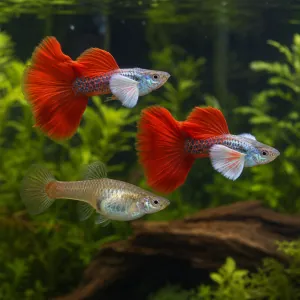
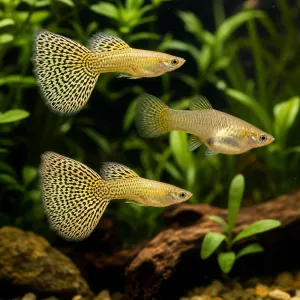
Stocking guppies that arrive ready to eat well? Browse healthy strains at HiGuppy.
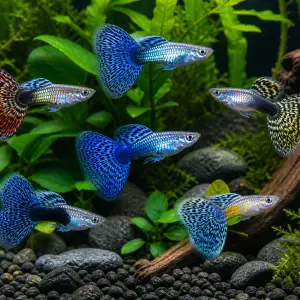
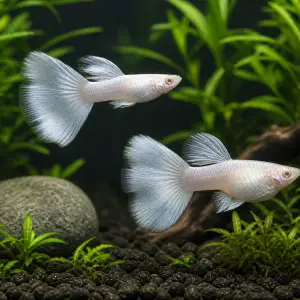
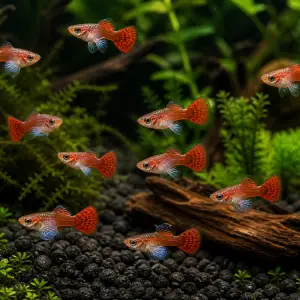
Real HiGuppy photographs
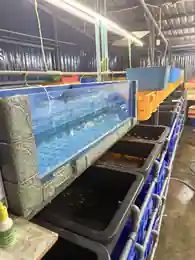
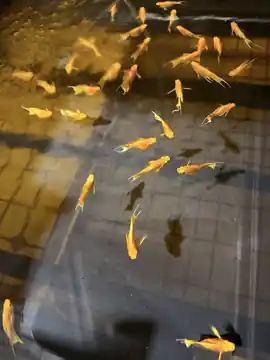
Inside the facility behind our guppy guides
These photographs show real HiGuppy holding, breeding and observation work. They document our facility and fish stock; they are not presented as the exact individual fish or strain discussed on every page.