LIVE GUPPY PACKING
How we pack live guppies for shipping.
Live guppies need a packing plan built around the fish, the order and the journey—not a one-size-fits-all box. Here is the HiGuppy pack-out workflow, shown with real packing photos, plus the key factors we review before an international shipment leaves Vietnam.
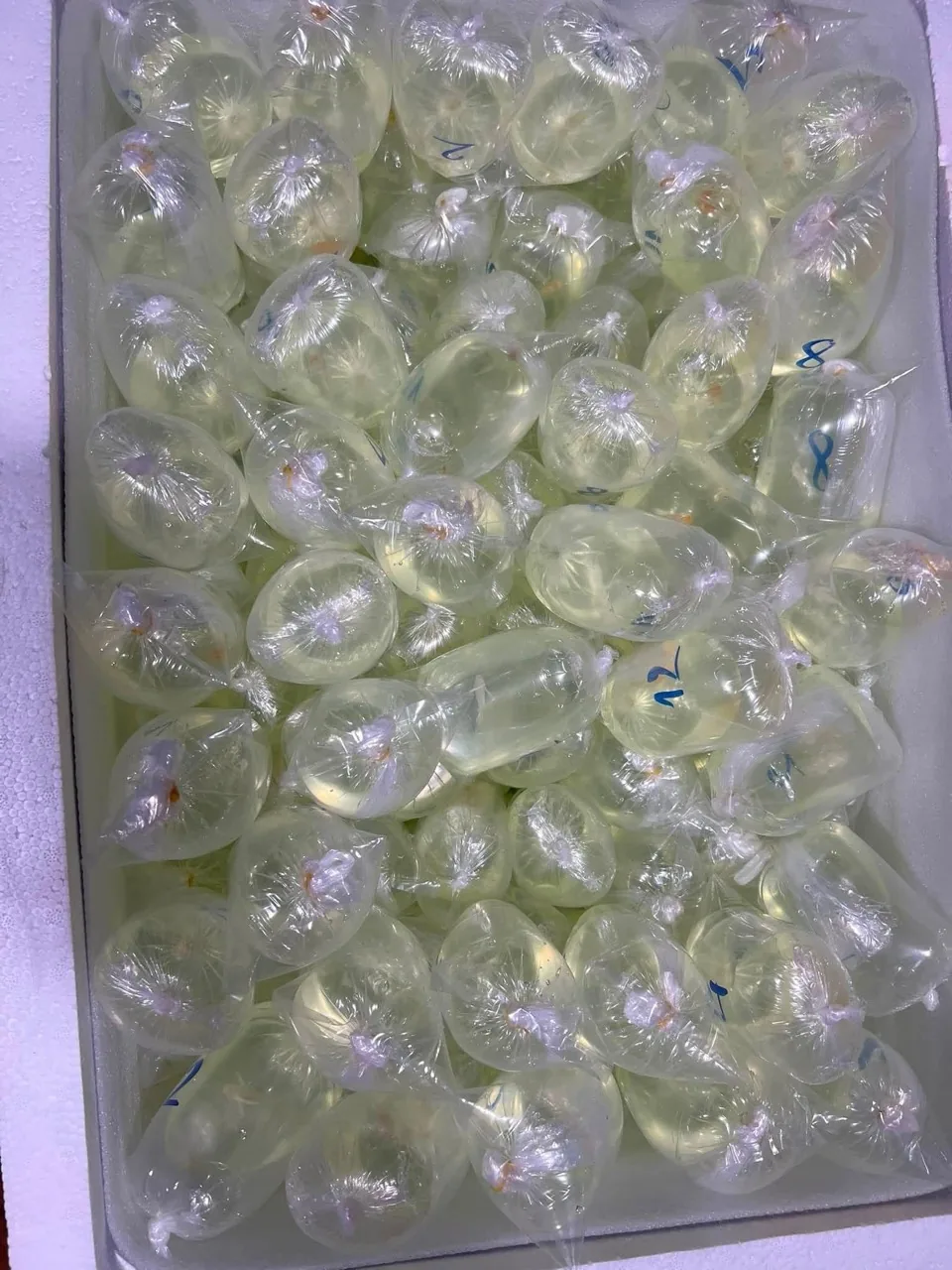
We match the order, check the fish, prepare and identify transport bags, build the insulated box, then review weather and route conditions before carrier handoff. International orders travel from Vietnam to a professional transshipper before the separate domestic leg to the final buyer.
BEFORE PACK-OUT
A safe packing decision starts before the first bag.
The box is only one part of the process. We first check whether the fish, order and planned route are ready to move together.
Order match
We confirm the current listing, fish format and quantity. Fry packs, pairs, trios and larger orders can need different bag counts and box layouts.
Fish readiness
Fish are observed for visible condition and normal behavior before pack-out. Fish that do not look ready for the planned journey should be held rather than pushed into shipment.
Route readiness
Weather, carrier conditions, holidays, destination and expected transit timing can change whether a live-fish shipment should leave as planned.
Materials plan
Bag count, grouping, insulation and temperature support are chosen around the actual fish format and expected journey rather than copied from one fixed box recipe.
PACK-OUT FLOW
How live guppies are packed for shipping: 5 core steps.
Exact bag count, layering and temperature-control materials can change by order, but the core workflow stays focused on fish readiness, secure organization and route-aware handling.
- 01
Final fish check & order match
The fish are matched to the current order and observed again before packing begins. The shipment proceeds only when the livestock and planned route are suitable.
- 02
Prepare transport bags
Fish are placed into transport bags prepared for the planned journey. Bag count and grouping are adjusted to the fish format and order size.
- 03
Seal & identify each group
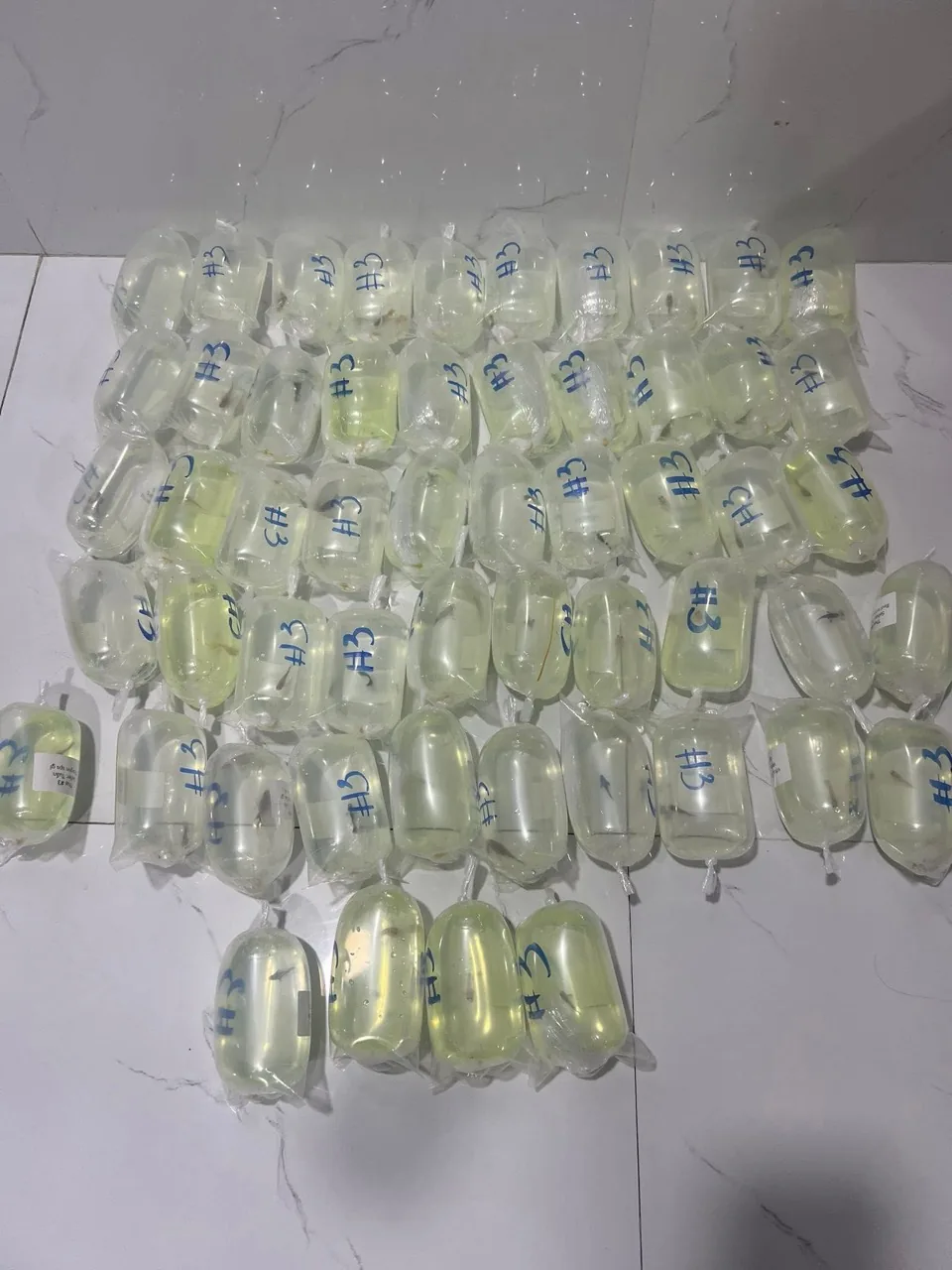
Bags are closed securely and identified so strains, quantities and order groups remain organized through box assembly and transshipper receiving.
- 04
Build the insulated box
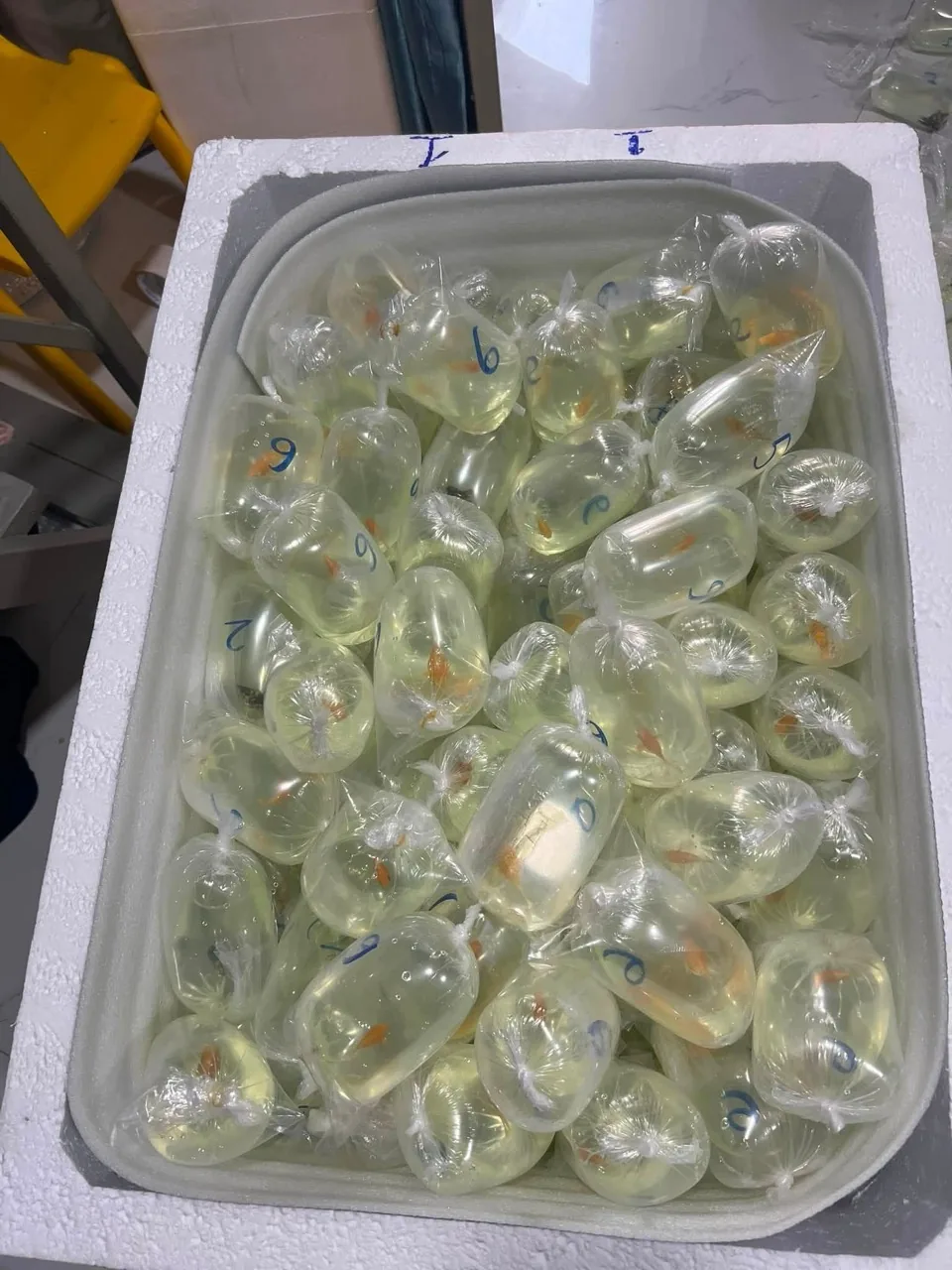
Bags are arranged inside insulated packaging to limit unnecessary movement and help buffer temperature change. Heat or cold packs may be added when appropriate for the route.
- 05
Final route check & carrier handoff
Weather and carrier conditions are checked again before closure and handoff. Unsafe conditions can still trigger a hold or reschedule even after the box plan is prepared.
REAL HIGUPPY PACKING PHOTOS
See the packing workflow, not a staged promise.
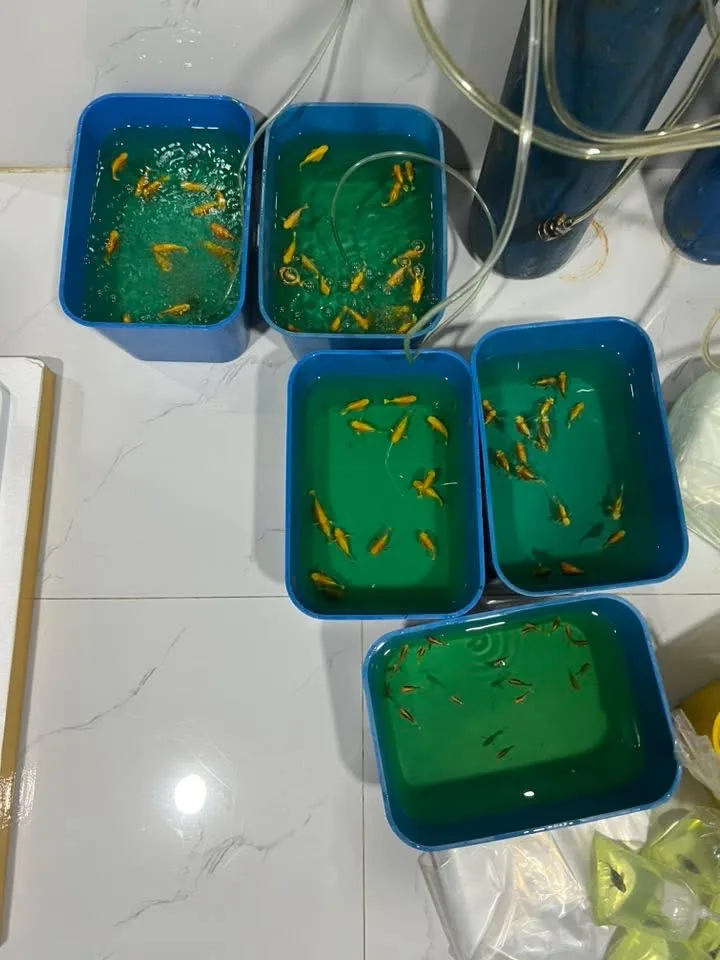
These photos show real HiGuppy packing examples. They illustrate how orders are prepared without implying that every shipment will use the same number of bags, identical box layout or the same temperature-control materials.
WHAT CAN CHANGE
The best pack-out depends on the actual journey.
Good packing reduces avoidable risk; it cannot eliminate every variable in live-animal transport. These are the factors most likely to change the final box plan or dispatch timing.
Bag count & layout
Fish format and order size affect how many bags are needed, how groups are separated and how space is used inside the box.
Insulation & temperature support
Season and route conditions influence insulation needs and whether heat or cold packs are appropriate. Extreme conditions can still make postponement safer.
Dispatch timing
Carrier schedules, holidays, weather and expected route movement matter more than forcing every order onto a fixed shipping day.
International handoff
HiGuppy international orders travel from Vietnam to a professional transshipper, who then manages the separate domestic reshipment to the final buyer.
Packing works best when the receiving plan is ready too.
Track the international shipment until the professional transshipper receives it, then follow the transshipper’s tracking and live-arrival terms for the domestic leg. Have a stable cycled aquarium or suitable quarantine setup ready before the fish arrive. HiGuppy’s published DOA policy covers the international leg to the transshipper.
COMMON QUESTIONS
Live guppy packing FAQ
Does every HiGuppy shipment use the same packing materials?
No. Fish format, route, weather, order size and expected transit conditions can change the final bag count, box layout and temperature-control materials.
Do you use heat or cold packs?
They may be used when appropriate for the route and weather. Temperature packs help manage conditions; they do not make every extreme-weather shipment safe.
Why can a shipment be held after I order?
Live-fish dispatch depends on the expected journey. Severe weather, carrier disruption, holiday timing or incomplete receiving details can make a later shipment safer for the fish.
How are international HiGuppy orders routed?
International orders originate in Vietnam and travel to a professional transshipper. The transshipper receives the international shipment and manages the separate domestic reshipment to the final buyer.
Which part of the journey does HiGuppy’s DOA policy cover?
The published HiGuppy DOA policy covers the international leg from HiGuppy in Vietnam to the professional transshipper. The later domestic leg follows the transshipper’s own live-arrival terms. Check the current DOA policy for claim timing and evidence requirements.
What should I prepare while my guppies are in transit?
Follow tracking for the current leg, arrange prompt receipt, and have a stable cycled aquarium or suitable quarantine setup ready. Review the applicable live-arrival terms before opening the bags, then follow the HiGuppy acclimation guide.






