The HiGuppy Journal
How to Separate Guppy Fry Without Stressing the Tank
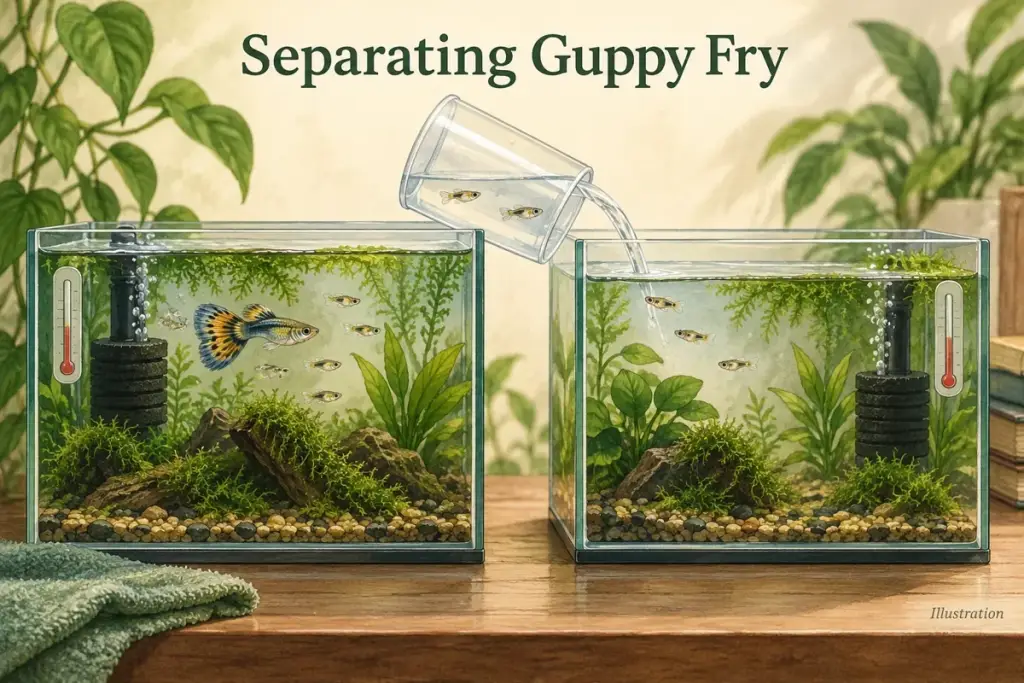
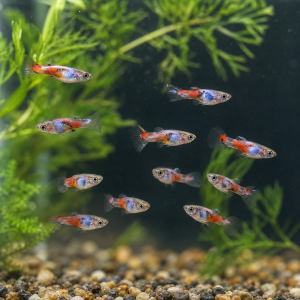
To separate guppy fry, prepare a cycled, appropriately filtered grow-out tank first. Then move the fry gently in a small cup or another low-stress method, keeping the receiving water suitable and avoiding sudden changes. Adults can eat fry, but refuge and separation outcomes vary. Do not transfer babies into an unprepared tank just because it is available.
The stable setup waiting for the fry matters more than the capture tool. If that setup is not ready, pause to prepare it when possible; a rushed transfer to an unstable tank can create a different problem.
Decide whether separation is needed
Separation is useful when adult or larger fish are eating the fry, the aquarium has little cover, or you need to manage a planned breeding group. It may also make feeding and observation easier if the current community tank has many competing fish. But not every fry must be moved. A well-planted, stable aquarium may already provide a workable environment, while a small or uncycled spare tank can introduce more risk than it solves.
Adults may eat newborn fry, and cover does not guarantee that every baby will survive. See whether guppies eat their babies and assess the current aquarium before moving fish. A prepared destination should solve a specific problem rather than simply move the fish somewhere smaller.
Prepare the destination before catching fry
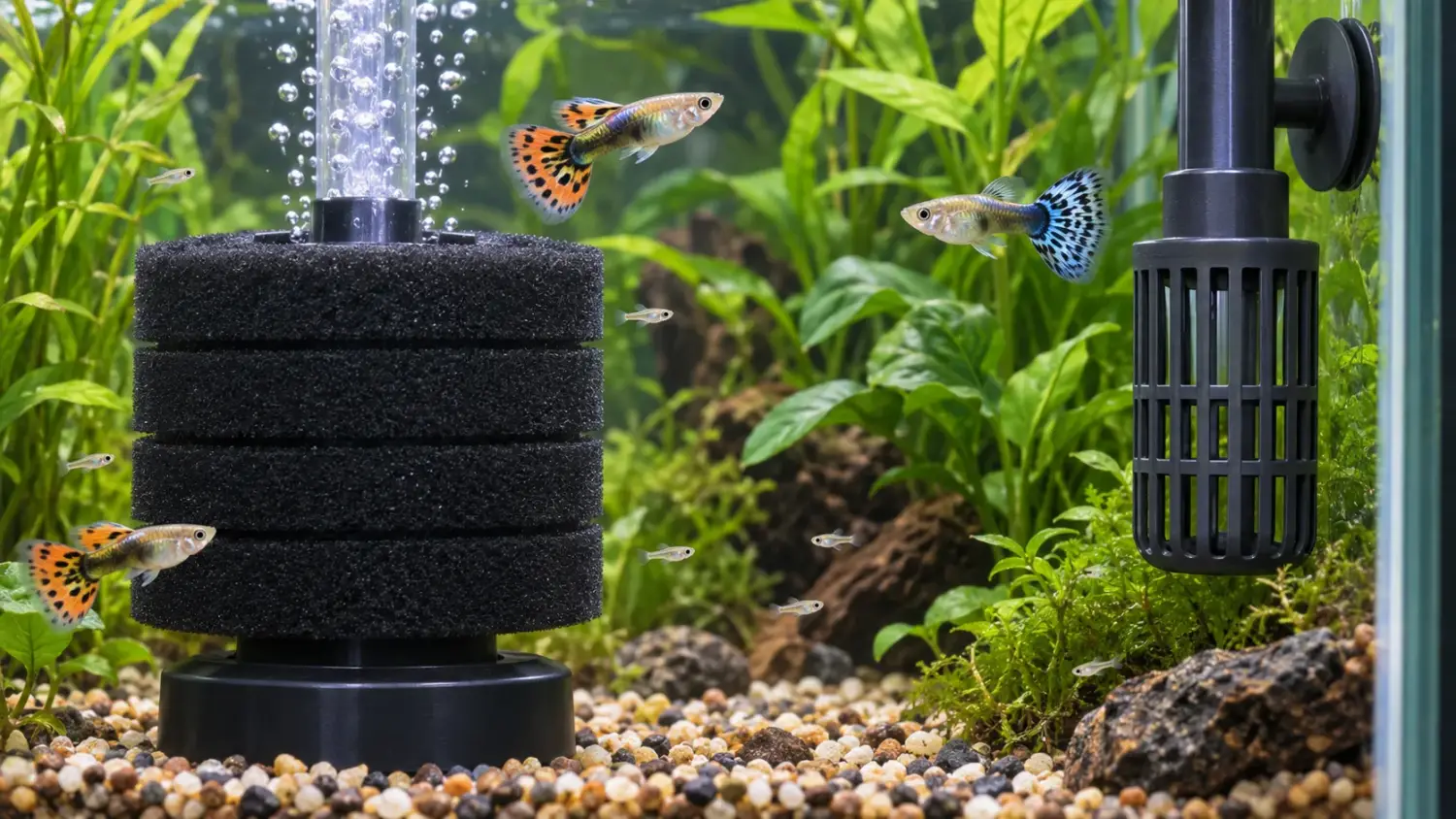
Set up the grow-out tank in advance. The water should be stable and suitable for guppies, and the filter should be operating before the fry arrive. If the tank is new, do not assume a water conditioner or bottled bacteria alone means it is cycled; test and confirm that it can process the waste load. UF/IFAS describes fish loading, feeding, source water, and biofilter capacity as connected factors in recirculating systems.
Use gentle filtration that will not pull fry against an exposed intake. A sponge filter is one common option. Provide cover but leave open areas so you can count and observe the fish. Keep the temperature stable, check that the heater and filter are safe at the waterline, and avoid strong current that sweeps small fry around the tank.
Use the guppy breeding tank setup and the fry grow-out guide to plan around your actual group. Decide how you will increase space as the juveniles grow and where they will go when the current tank can no longer support them comfortably.
Choose a calm transfer method
For a small number of fry, a clean, smooth cup can be easier than chasing them with a net. Guide the cup through the water slowly and let fry swim into it if possible. If you use a net, choose one that will not trap delicate fins, avoid scooping plants and debris with the fish, and do not hold the fry out of water longer than needed. Keep transfer tools reserved for aquarium use and free from cleaners.
Move the cup to the prepared destination and let the fish adjust gradually when the temperature or water chemistry differs. UF/IFAS advises gradual tempering when fish face significant temperature or chemistry changes. For a move between tanks, compare the conditions in both aquariums first; a large difference is a reason to slow down and reassess rather than adding the fry immediately. Keep the receiving tank’s light calm and avoid repeated moves during the same session.
Do not pour an entire source-tank container into the destination without considering whether you want to transfer plant debris, waste, or water from another setup. Use a clean method and take care not to leave fry behind in the cup or net. Count the fish before and after where practical.
Watch the fry after the move
Once the fry are in the new tank, check that they can swim normally, find cover, and reach food. Keep the filter running and confirm that the water level and equipment are correct. Avoid a large feeding immediately if food is likely to remain uneaten; use a suitable fry feeding plan and remove leftovers.
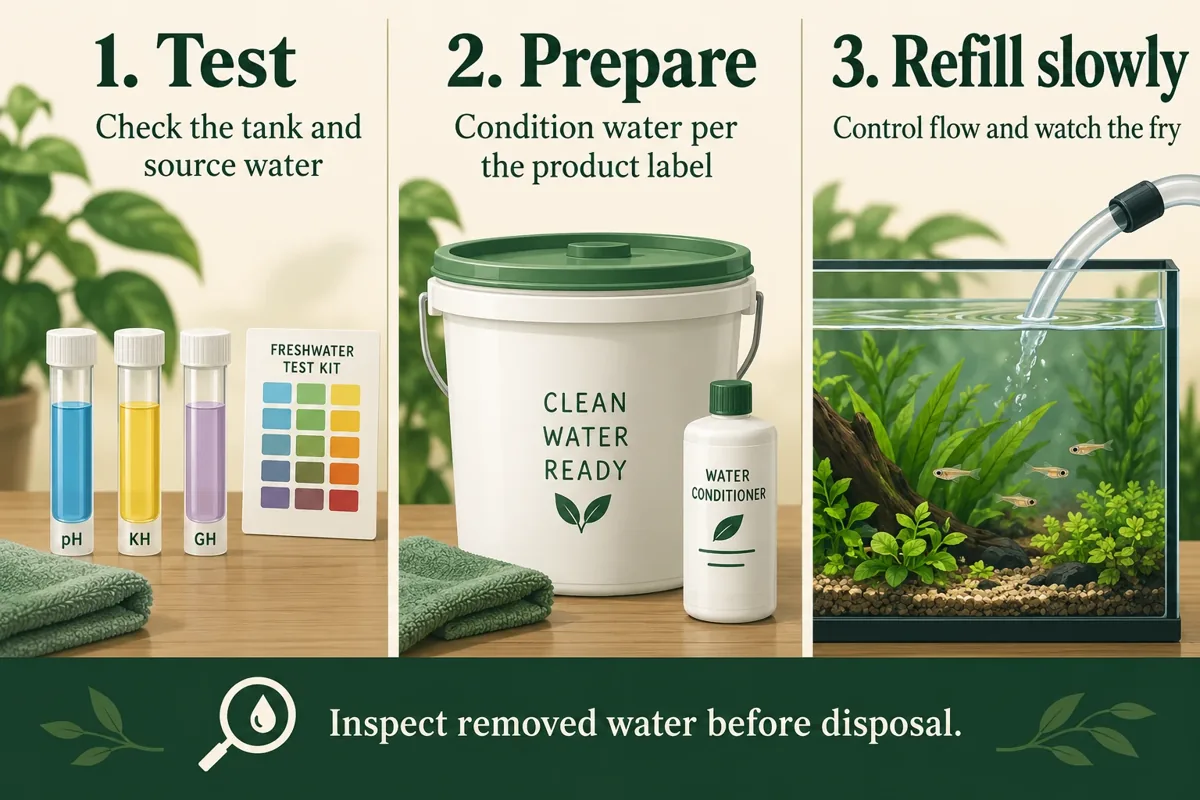
Monitor water quality as the group settles, especially in a new grow-out setup or when the fry are fed frequently. A tank can look clear and still have an ammonia or nitrite problem. If the fish behave unusually or tests change, check the entire system—source water, feeding, filter function, stocking, and recent maintenance. Do not keep moving fry from tank to tank in response to every small observation; stable conditions and careful monitoring are more useful.
Cover as an alternative or companion to separation
If your aim is to save some fry rather than raise every baby separately, plants and other safe structure can give fry hiding places in the community aquarium. Use plant cover that leaves the filter accessible and does not make maintenance impossible. The live-plants guide can help you compare suitable cover choices.
Cover is not a guarantee. Predation, tank layout, fish behavior, and available space all matter. If you keep fry with adults, continue to monitor them and maintain a plan in case the group becomes crowded. If they are growing in a separate setup, refer to when fry can join adult guppies before combining groups.
Separation checklist
- Identify the reason for moving the fry and decide whether cover in the current tank is enough.
- Prepare and test the destination before catching any fish.
- Confirm filtration, temperature, cover, and a suitable feeding plan.
- Use a clean cup or gentle net and keep the fish in water during transfer.
- Acclimate gradually if the tanks differ in temperature or chemistry.
- Count and observe the fry afterward; avoid repeated unnecessary moves.
- Keep a longer-term plan for space and stocking as the group grows.
FAQ
Should I separate all guppy fry from adults?
Not always. It depends on predation risk, cover, available tank space, and whether you plan to raise the fry. A stable planted tank may work for some keepers; a separate grow-out tank gives more control but needs its own stable filtration and maintenance.
Can I move fry into an uncycled tank?
A new tank may not yet have a biofilter able to handle fish waste. Prepare and test the destination before moving fry, and do not treat clear water as proof that it is ready.
Is a breeder box enough for guppy fry?
A small box may be used temporarily in some setups, but it is not automatically a suitable long-term grow-out environment. Consider space, water flow, waste, and the needs of the fish as they grow.
What is the gentlest way to catch guppy fry?
A clean cup can reduce chasing when you can guide fish into it. A fine net may be necessary in some tanks, but move slowly, keep fry in water, and avoid repeated attempts that stress the group.
How soon can separated fry join adult guppies?
There is no single size or age rule for every tank. Consider whether the fry can avoid being eaten, compete for food, and use the aquarium safely; review the linked guide and observe the specific fish before combining groups.
Behind the care guides
Care begins with steady systems
Our guppy guides focus on practical routines: keep water stable, observe fish closely and allow for natural variation.
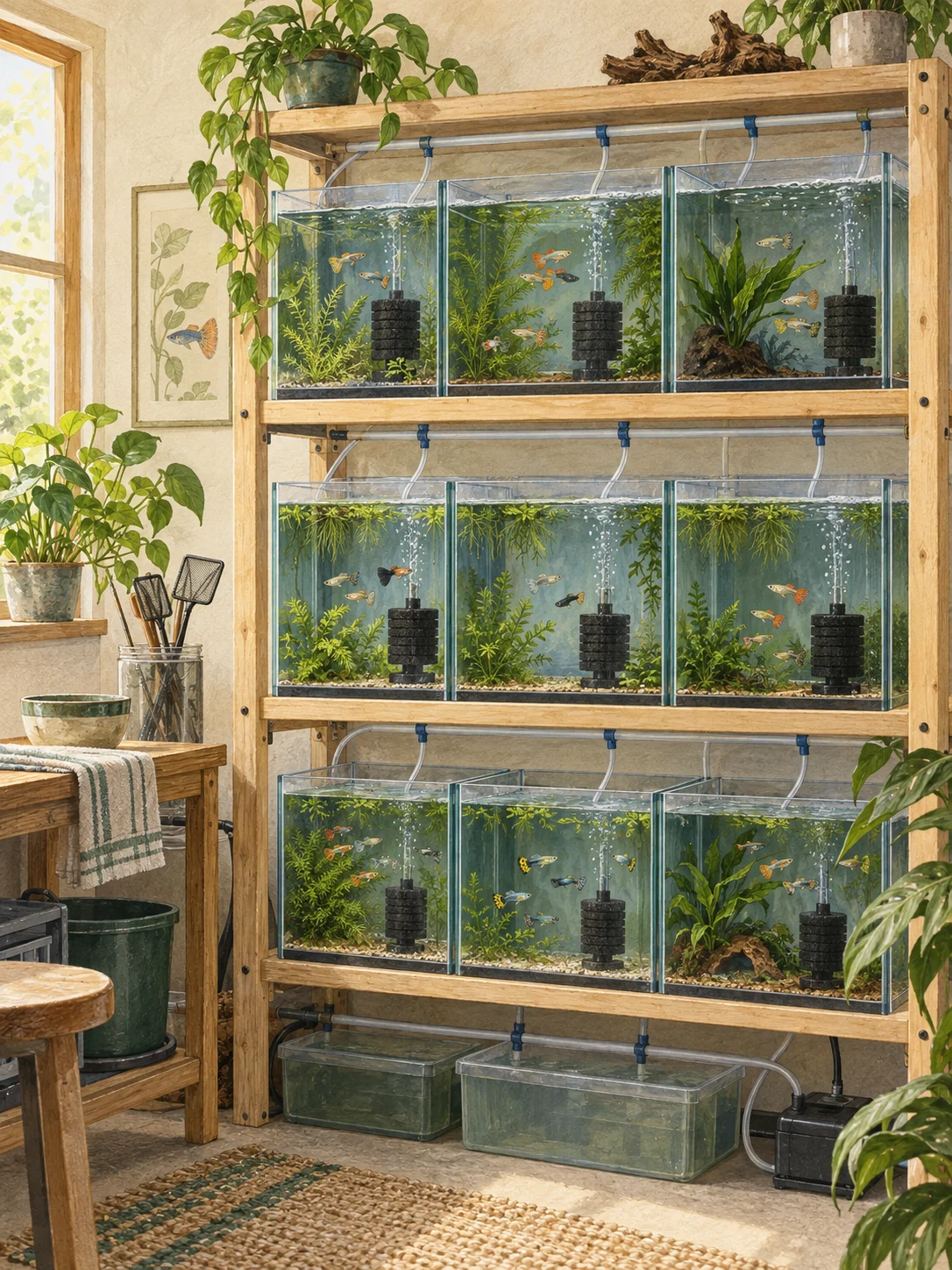
Care systems
Steady water, thoughtful care
Gentle filtration and regular observation support healthy aquarium routines.
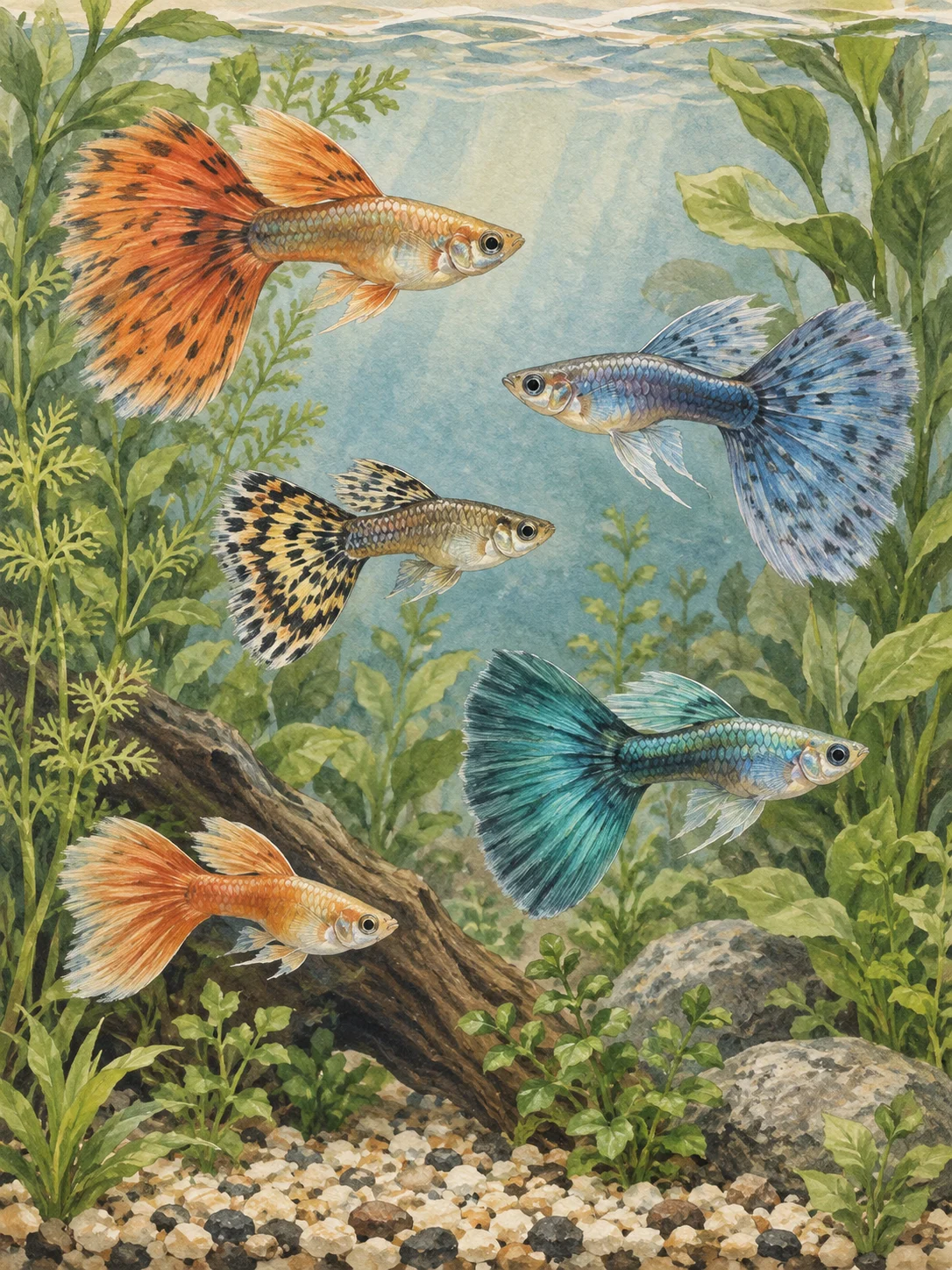
Natural variation
Every guppy is different
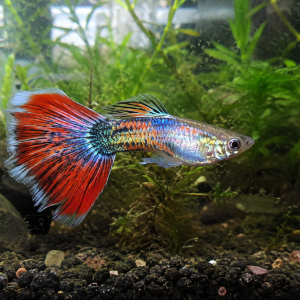
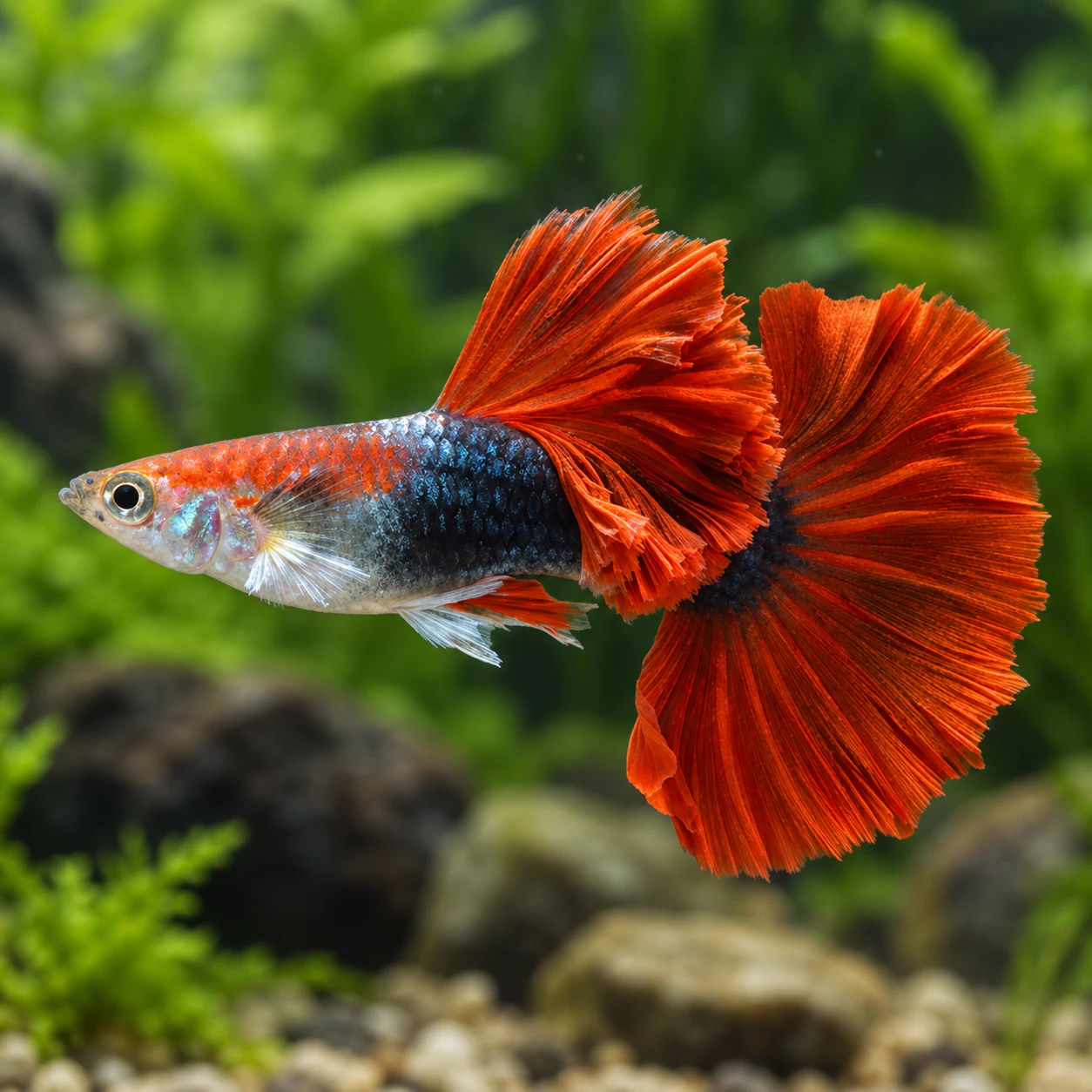
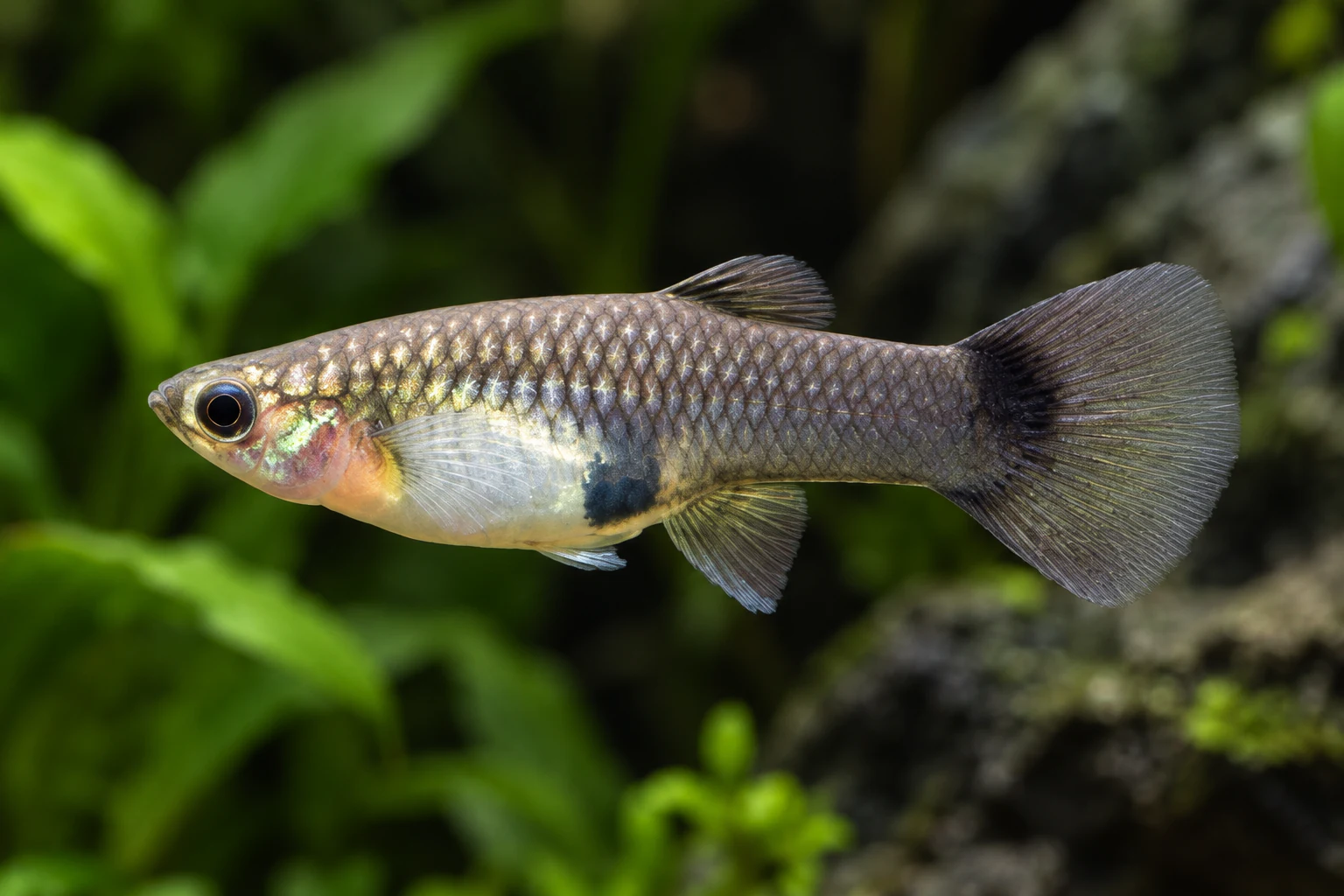
Color, size and fin shape vary with strain, age and each individual fish.
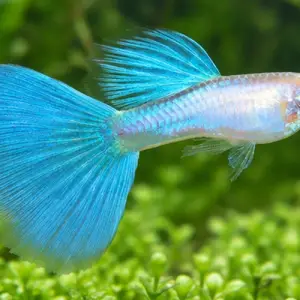
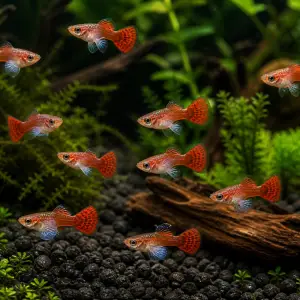
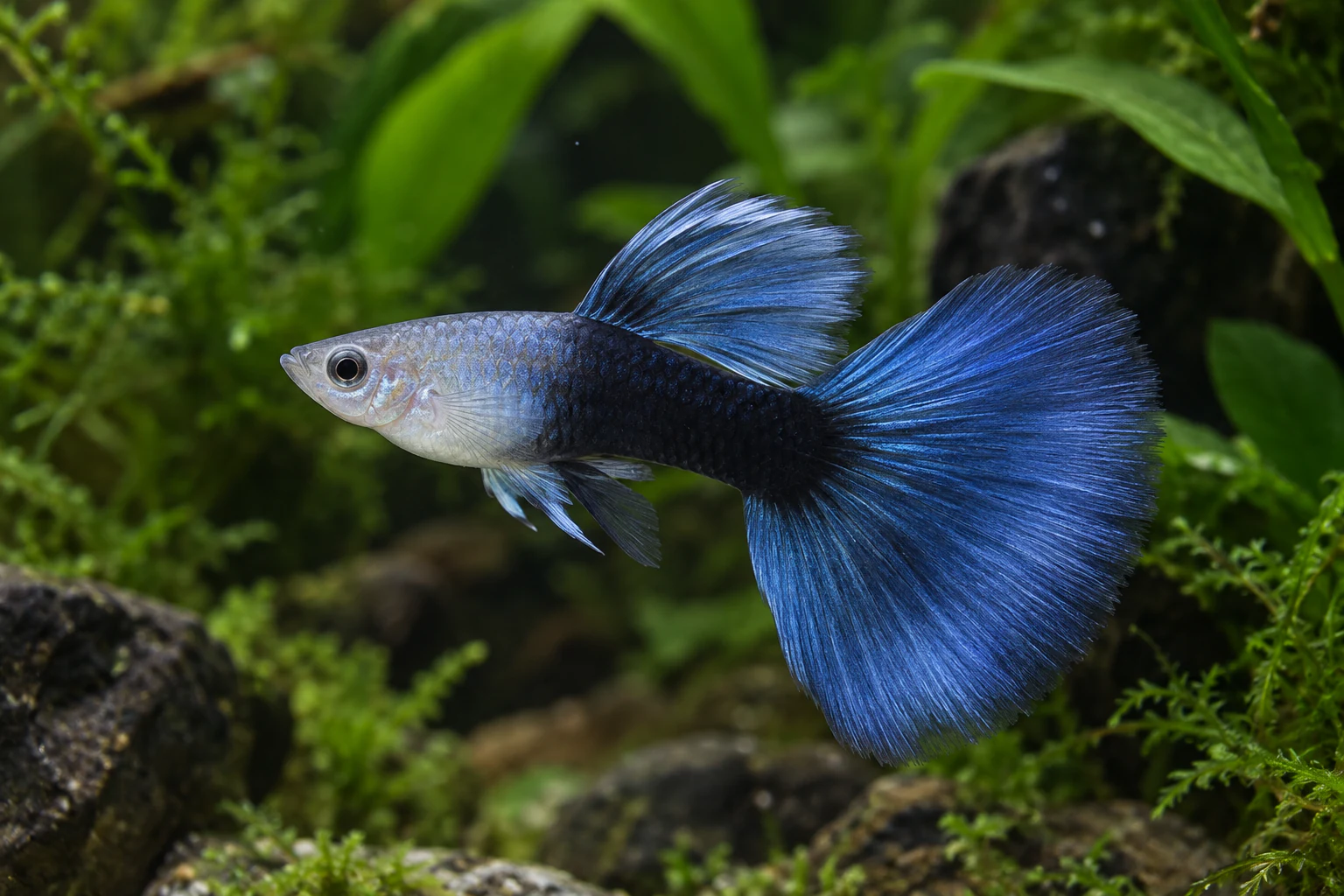
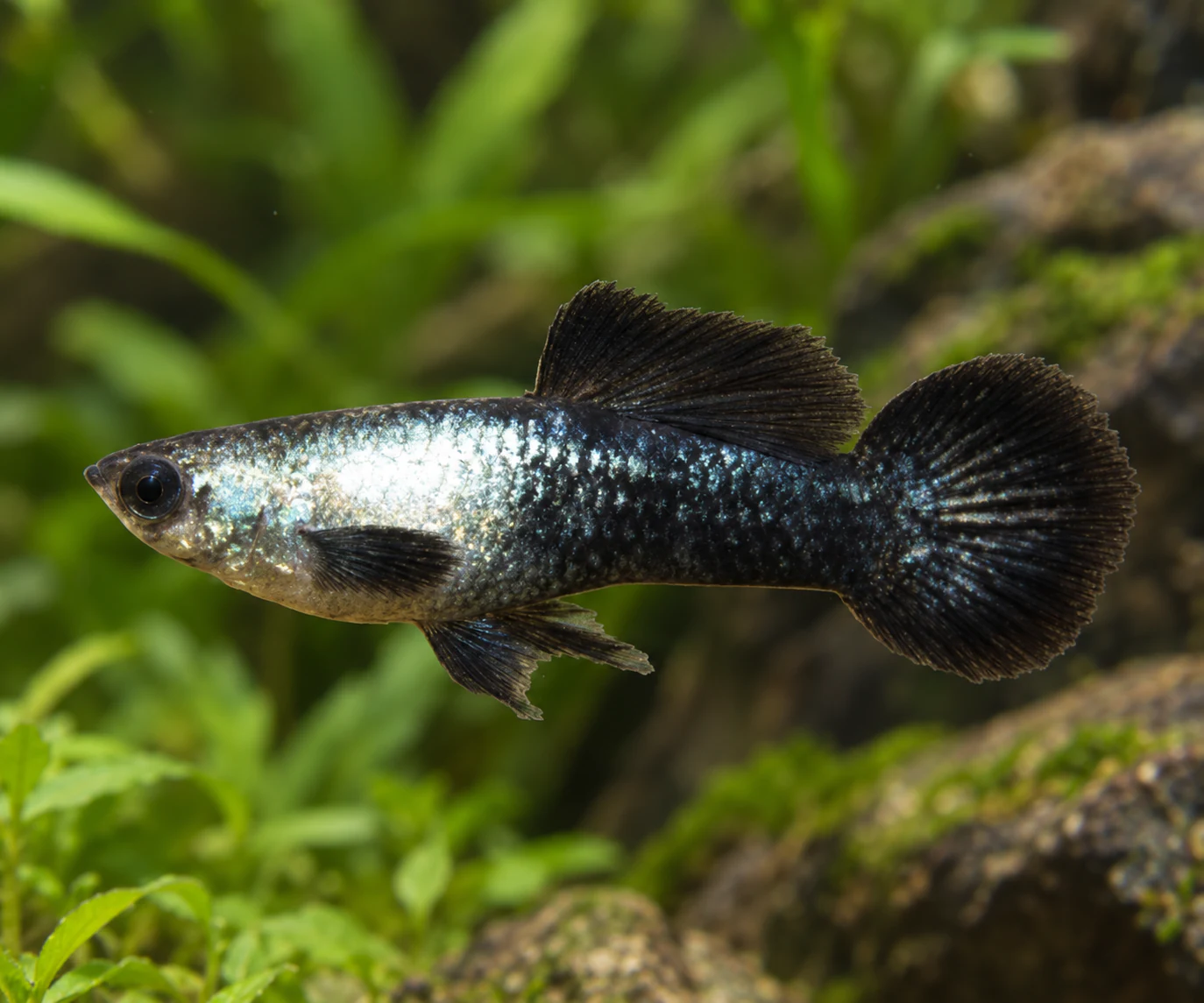
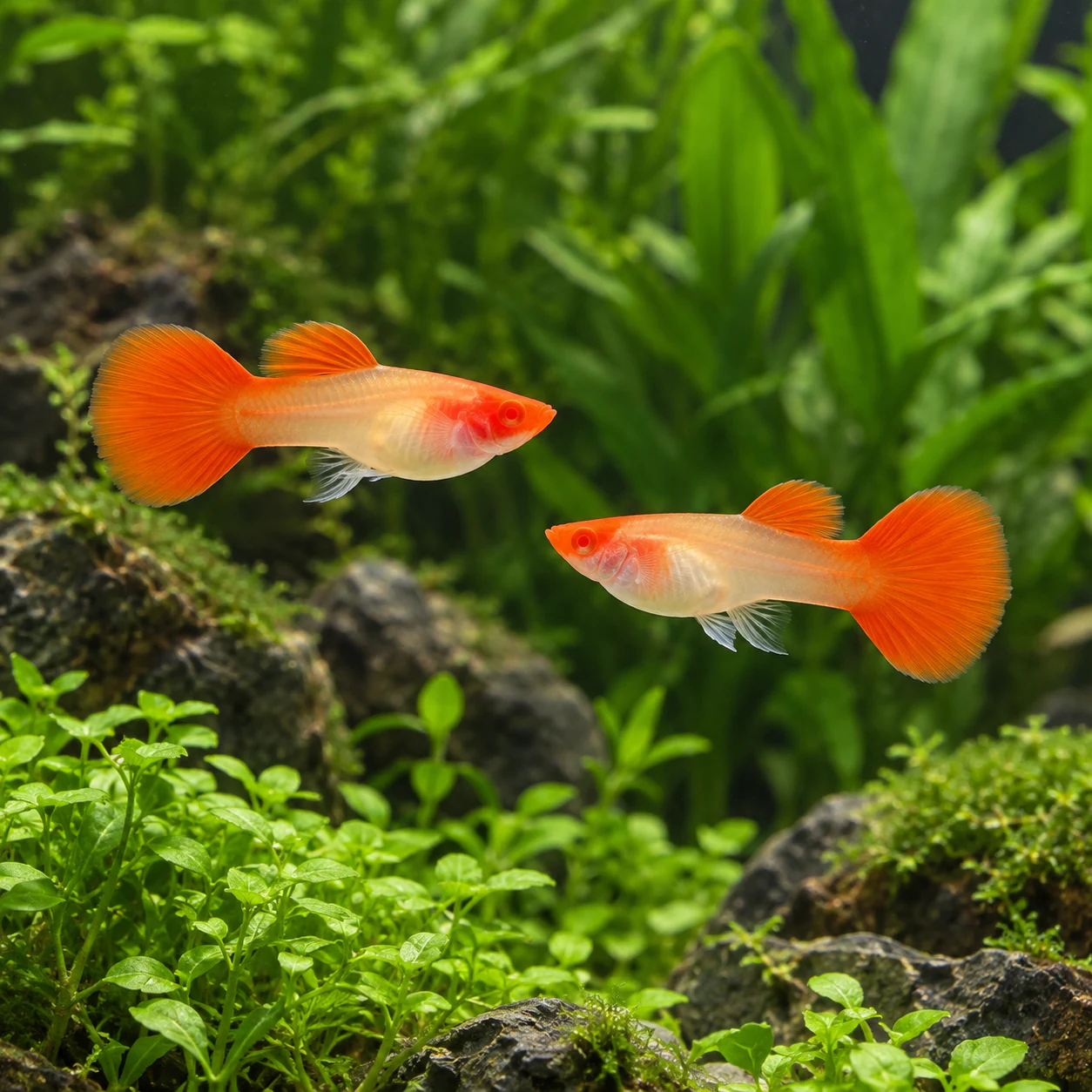
Editorial illustrations for context; they do not depict HiGuppy's exact facility or current fish stock.