Guppy Care Article
Do Guppies Need a Filter? Why Most Tanks Should Use One
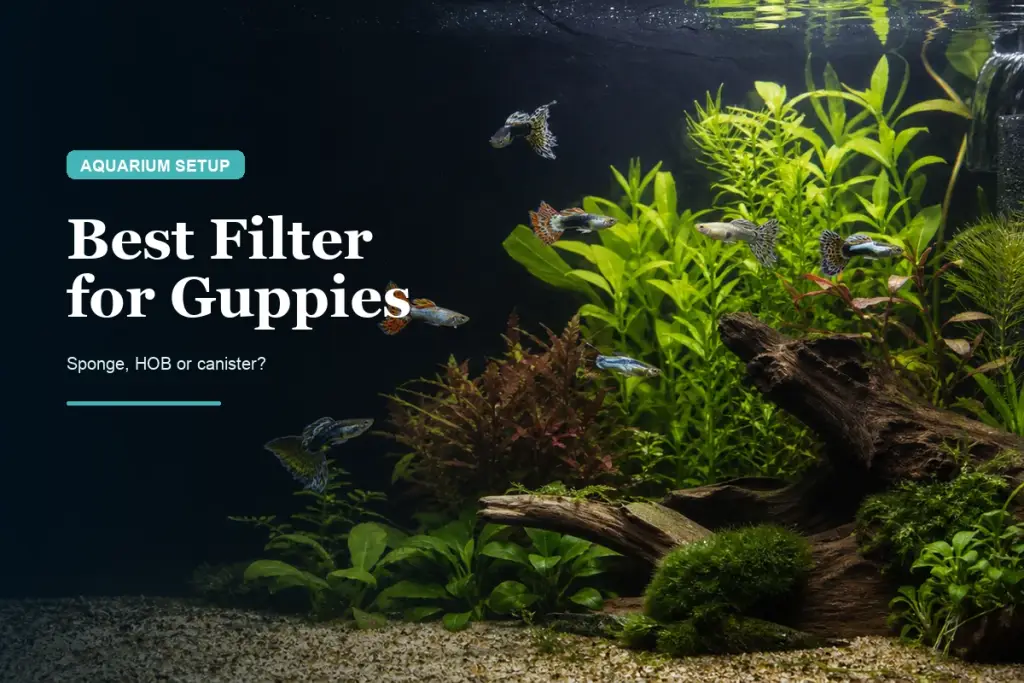
Quick answer: For most guppy tanks, yes. A filter improves stability by circulating water, trapping debris, and providing a large surface for beneficial bacteria that process ammonia and nitrite. Experienced aquarists can maintain specialized low-stock systems without conventional filtration, but a filtered aquarium is the safer and more practical choice for most beginners.
A filter does not make an uncycled tank safe, and it does not replace water changes. Think of filtration as one part of a complete system that includes cycling, sensible stocking, testing, feeding, and maintenance.
Why filtration matters for guppies
Guppies eat frequently and produce waste continuously. In a closed aquarium, that waste eventually becomes ammonia. A mature biological filter supports nitrifying bacteria that convert ammonia to nitrite and then to nitrate. This process is central to a cycled aquarium.
Mechanical filtration also captures suspended debris, while water movement helps distribute oxygen and heat more evenly. For the full foundation, review the Complete Guppy Care Guide.
Can guppies live without a filter?
It is possible in carefully designed, lightly stocked aquariums with mature plants, disciplined feeding, frequent testing, and a keeper who understands how quickly water quality can change. That does not make an unfiltered bowl or small tank a good beginner setup.
If your goal is a stable, repeatable system with fewer surprises, use a filter. This is especially important for new aquariums, community tanks, breeding groups, and homes where maintenance schedules may occasionally slip.
What a filter actually does
Biological filtration
Porous sponge, ceramic media, and other surfaces support bacteria involved in the nitrogen cycle. These bacteria also live on substrate, plants, decor, and tank surfaces, but the filter provides continuous flow across a concentrated area.
Mechanical filtration
Sponge, floss, or pads trap particles before they remain suspended or settle around the tank. Mechanical media should be cleaned as needed without destroying the biological media.
Water circulation
Good circulation reduces stagnant areas and helps gas exchange at the surface. If you are unsure whether extra aeration is needed, see Do Guppies Need an Air Pump?.
Which filter type works best?
The right choice depends on tank size, stocking, fry, maintenance preferences, and desired flow. This article answers whether filtration is needed; for a detailed comparison of sponge, hang-on-back, and canister options, use our Best Filter for Guppies guide.
Sponge filter
Gentle, inexpensive, easy to maintain, and excellent for fry, breeding tanks, quarantine, and smaller setups. It requires an air pump.
Hang-on-back filter
Convenient for many community tanks and offers room for mechanical and biological media. A pre-filter sponge can protect fry and reduce intake strength.
Internal or canister filter
These can work well when properly sized and adjusted, but excessive flow should be avoided. Long-finned guppies should be able to rest without fighting the current continuously.
How strong should the current be?
Use enough flow to circulate the aquarium and ripple the surface, but not so much that fish are pinned to one side. Fry and long-finned strains often need gentler flow. If the tank has obvious dead zones, reposition the outlet or decor before simply buying a much larger filter.
Protect fry and weaker fish
A sponge over the intake is useful in tanks containing newborn fry. It prevents small fish from being drawn into the filter and provides additional biological surface area. Breeders often choose sponge filtration for this reason; see the Guppy Breeding Tank Setup.
Do not replace all filter media at once
One of the most common maintenance mistakes is replacing all media simply because a cartridge looks dirty. That can remove a large share of the filter’s established bacterial community. Reusable media can usually be gently rinsed in removed tank water or dechlorinated water, while worn media should be replaced gradually.
Avoid letting chlorine or chloramine contact mature biological media. Also keep the filter running continuously; long shutdowns reduce oxygen flow to the bacterial community.
Filter maintenance checklist
- Keep the filter running 24/7 under normal conditions.
- Check flow regularly for clogs or plant debris.
- Rinse reusable media gently rather than sterilizing it.
- Protect the intake when fry are present.
- Do not replace all biological media at the same time.
- Continue regular partial water changes and water testing.
Use the Guppy Water Change Guide and Guppy Water Parameters Guide alongside filtration.
Can live plants replace a filter?
Plants use nutrients and improve habitat, but they do not automatically replace filtration in a typical beginner guppy tank. Plant growth, light, stocking, substrate, and maintenance all affect how much waste a planted system can process. A conventional filter gives beginners a more predictable safety margin.
FAQ
Should I turn the filter off at night?
No. A mature filter should normally run continuously. Turning it off removes circulation and can reduce oxygen available to the biological media.
What is the safest filter for guppy fry?
A correctly sized sponge filter is one of the simplest fry-safe choices because it provides gentle flow and no dangerous intake.
Can a filter fix ammonia in a brand-new tank?
Not instantly. A new filter needs time to develop an established biological community. Test ammonia and nitrite and complete the cycling process before relying on the system for fish.
Does a bigger filter mean a better guppy tank?
Not necessarily. More media can be useful, but excessive current can stress guppies. Choose filtration for the tank’s volume, stocking, and fish rather than buying solely by maximum flow rate.
Preparing a new aquarium before fish arrive? Follow the Guppy Tank Setup Checklist Before Buying. Once the system is cycled and stable, you can browse available guppies.
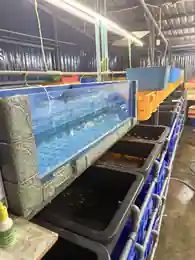
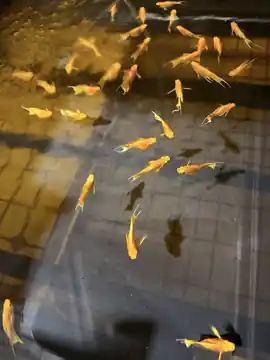
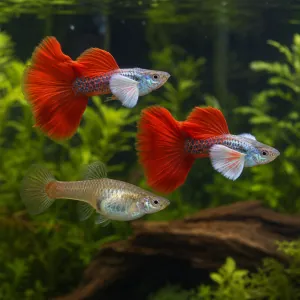
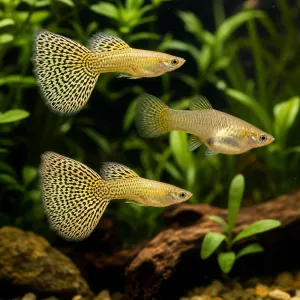
Real HiGuppy photographs
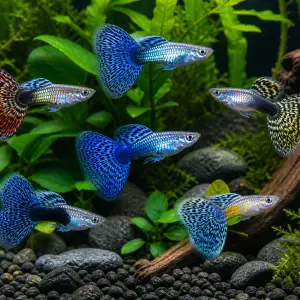
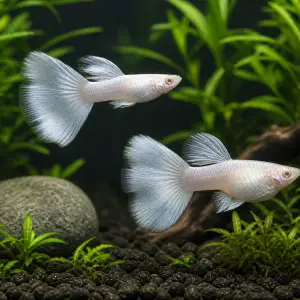
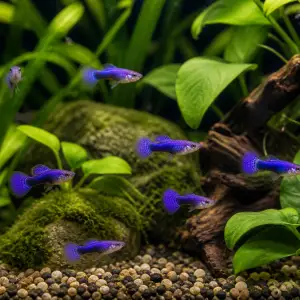
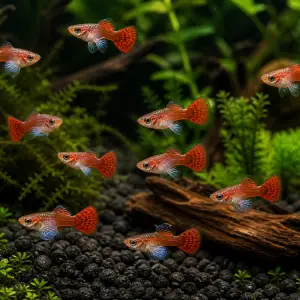
Inside the facility behind our guppy guides
These photographs show real HiGuppy holding, breeding and observation work. They document our facility and fish stock; they are not presented as the exact individual fish or strain discussed on every page.