Guppy Care Article
Overfeeding Guppies: Signs, Water Problems & Simple Fixes
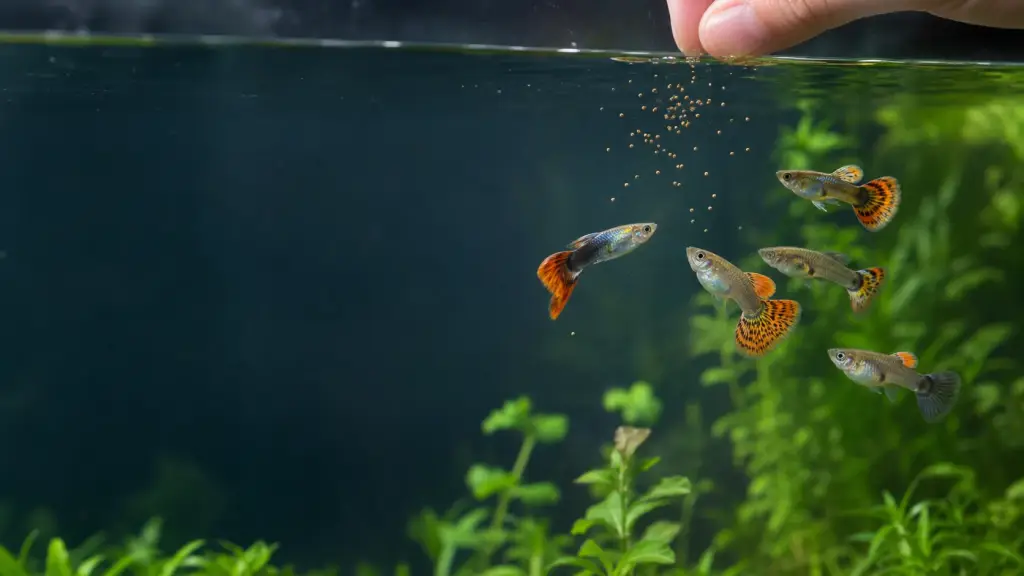
Guppies are enthusiastic feeders and often behave as if they are hungry even when they have already eaten. That makes overfeeding one of the easiest aquarium mistakes to make. The biggest risk is not simply a fish getting “too full”—it is the extra organic waste entering the tank and increasing the load on the biological filter.
Overfeeding can contribute to cloudy water, excess debris, algae, clogged media, rising ammonia, digestive discomfort, and bloating. The fix is usually better portion control plus a water-quality check, not fasting fish for an extreme length of time.
Quick answer: how do you know if you are overfeeding guppies?
Common signs include food reaching the bottom uneaten, frequent leftovers, dirty substrate, rapid filter buildup, cloudy water, increased algae, fish that repeatedly look bloated after meals, or measurable ammonia/nitrite in a tank whose filtration is struggling with the waste load. Feed smaller measured portions, remove obvious leftovers, test the water, and let the fish’s condition—not begging behavior—guide your routine.
Why overfeeding causes aquarium problems
Fish food eventually becomes waste whether it is eaten or left to decay. Guppies metabolize protein and excrete ammonia, while uneaten food and feces add more organic material for the aquarium to process. A mature biofilter converts ammonia through the nitrogen cycle, but it has limits. Sudden heavy feeding, an immature filter, a crowded tank, or disrupted biological media can push the system beyond what it can handle.
Veterinary aquarium guidance identifies overfeeding as a common contributor to elevated ammonia and recommends reducing or stopping feeding temporarily while a verified ammonia problem is corrected. The important step is to test the water rather than assume cloudy water or a bloated fish automatically means ammonia.
Signs you may be feeding too much
- Food is still visible after the fish have finished actively eating.
- Flakes or pellets regularly sink into plants or substrate.
- The substrate accumulates food debris quickly.
- Filter sponges or mechanical media clog unusually fast.
- Water becomes persistently cloudy or develops more algae after feeding increases.
- Guppies look distended after meals or pass large amounts of waste.
- Ammonia or nitrite becomes detectable, especially after a feeding increase.
Overfeeding vs a naturally eager guppy
Do not use “the fish still acts hungry” as your portion meter. Guppies may rush to the surface when they see a person because they associate movement with food. A better indicator is whether the fish maintain healthy body condition, finish appropriately sized meals, and live in stable water without persistent leftovers.
For a routine built around age and feeding frequency, see How Often to Feed Guppies and the broader Guppy Feeding Guide.
What to do if you think you overfed the tank
- Stop adding more food. Do not add another meal simply because the fish gather at the surface.
- Remove obvious leftovers. Siphon or net out uneaten food that is easy to reach rather than letting it decay.
- Test ammonia and nitrite. Clear water can still contain toxic nitrogen compounds.
- Check the filter and flow. Make sure the filter is running normally; avoid replacing all biological media at once.
- Perform an appropriate conditioned water change when water quality requires it. Match temperature reasonably and follow your normal safe water-change process.
- Resume with smaller portions. Adjust the amount, not just the number of feeding sessions.
If ammonia is detected, use Ammonia Poisoning in Guppies for the urgent checklist. For routine maintenance, see Guppy Water Change Schedule and Do Guppies Need a Filter?.
Can overfeeding make a guppy bloated?
Yes, a guppy can look temporarily fuller after eating, and excessive feeding can contribute to digestive distension. But a swollen abdomen has multiple possible causes—including pregnancy, constipation-like digestive issues, internal disease, fluid accumulation, or other health problems—so persistent swelling should not automatically be blamed on food.
If the abdomen stays enlarged or the fish develops pineconing, abnormal buoyancy, appetite loss, or other symptoms, use Bloated Guppy: Pregnancy, Overfeeding or Health Problem? to separate those possibilities.
How much should you feed?
There is no reliable universal “number of flakes” because foods differ in size and density, and guppies vary by age, size, activity, reproductive status, and tank temperature. Start with a deliberately small amount and observe. The goal is a controlled meal that is eaten without a trail of food settling throughout the aquarium.
Juveniles and growing fry may need a different schedule from adults, so avoid applying an adult routine to every life stage. For fry-specific feeding, see the Guppy Fry Feeding Schedule.
Common overfeeding mistakes
- Feeding every time the fish beg. Begging is not a nutritional measurement.
- Adding a second food before the first is finished. Variety is useful only when portions remain controlled.
- Assuming more food means faster growth or brighter color. Water quality and a balanced diet matter more than excess quantity.
- Letting food collect in dense plants. Hidden leftovers still decompose.
- Compensating for a missed meal with an oversized meal. Large catch-up feedings add unnecessary waste.
- Ignoring filtration capacity. A heavily stocked or newly cycled tank has less margin for feeding mistakes.
A simple feeding-control routine
- Use the same small scoop, pinch, or measured portion as a repeatable baseline.
- Feed while watching the fish rather than dropping food in and walking away.
- Notice where leftovers collect and reduce the next portion.
- Track body condition over time—especially thin, bullied, pregnant, or juvenile fish.
- Keep a regular water-testing and maintenance routine so feeding changes are reflected in real data.
FAQ
Can overfeeding kill guppies?
Overfeeding can contribute to dangerous water-quality deterioration, particularly ammonia problems, and can also worsen digestive issues. The risk is often the combination of excess food, waste, and inadequate filtration rather than one oversized meal by itself.
Should I skip feeding after overfeeding once?
If healthy adult fish received one oversized meal, simply stop adding more food, remove leftovers, and check the water. If ammonia or nitrite is detected, reduce feeding while correcting the environmental problem. Fry, juveniles, sick fish, and underweight fish need more individualized care.
Does overfeeding always make the water cloudy?
No. Cloudiness can have several causes, and overfeeding may occur without visible cloudy water. Water tests and the amount of uneaten food are better indicators than appearance alone.
Can overfeeding cause algae?
Excess nutrients from food and waste can contribute to algae growth, although lighting, plant balance, nitrate/phosphate availability, and maintenance also matter.
For new keepers, a stable tank and a repeatable feeding routine are more useful than trying to maximize food intake. Review the Complete Guppy Care Guide before adding more fish, and browse the HiGuppy shop only when the aquarium has enough filtration and space for the planned stock.
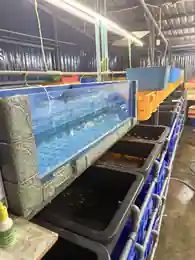
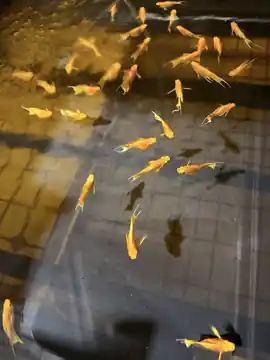
Real HiGuppy photographs
Inside the facility behind our guppy guides
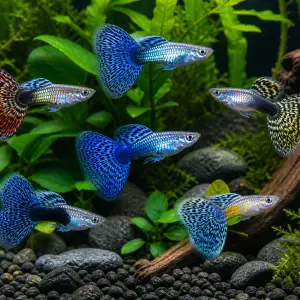
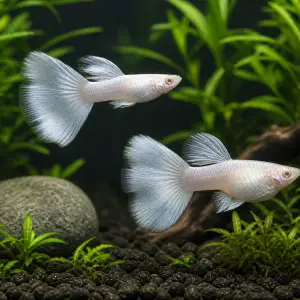
These photographs show real HiGuppy holding, breeding and observation work. They document our facility and fish stock; they are not presented as the exact individual fish or strain discussed on every page.