Guppy Care Article
Guppy Tank Lighting Schedule: How Much Light Do Guppies Need?
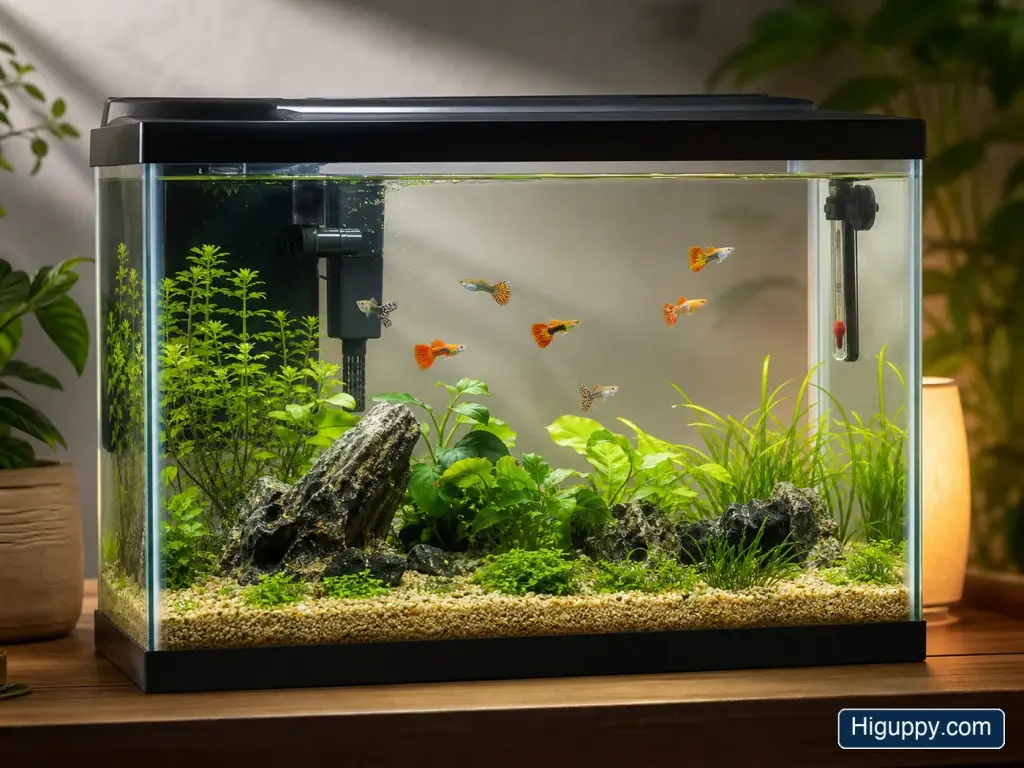
A good guppy tank lighting schedule should make the aquarium easy to view, support any live plants, and still give the fish a predictable dark period. More light is not automatically better. Long or irregular photoperiods can encourage algae and make it harder to tell whether a guppy is resting normally or reacting to stress.
Quick answer: For many home guppy tanks, about 6–8 hours of aquarium light per day is a practical starting point. Use a timer, provide a real dark period at night, and adjust gradually based on plant growth, algae, room light, and fish behavior. A planted tank may need a different photoperiod than a simple fish-only setup.
Do guppies need aquarium light?
Guppies do not need intense specialty lighting just to survive, but they benefit from a regular day–night rhythm. Light helps define daytime activity, makes feeding and observation easier, and supports live plants when the fixture has suitable output. Darkness matters too: fish show daily activity rhythms, and research in other diurnal fish models such as zebrafish shows that light–dark cycles help organize circadian behavior and night-time rest.
For a beginner tank, the goal is therefore not maximum brightness. The goal is a repeatable photoperiod with enough light for the aquarium’s plants and enough darkness for normal rest.
A simple guppy lighting schedule
| Tank type | Practical starting point | What to watch |
|---|---|---|
| Fish-only or low-light tank | About 6 hours/day | Fish behavior, room light, algae |
| Easy planted guppy tank | About 6–8 hours/day | Plant growth versus algae |
| Tank receiving strong daylight | Use less aquarium light if needed | Algae and overheating near windows |
These are starting points rather than hard biological requirements. If a tank already receives substantial indirect daylight, it may need less artificial light. If plants are struggling, changing the fixture, plant choice, nutrients, or CO₂ balance may matter more than simply extending the light period.
Why a timer is one of the easiest upgrades
A basic timer removes one of the most common sources of inconsistency. Instead of turning the light on at different times every day, choose a schedule that fits when you are usually home. For example, a light could run from late afternoon into the evening so you can observe and feed the fish, then switch off for the night.
- Keep the daily on/off time consistent.
- Avoid leaving the main aquarium light on overnight.
- Make changes in small steps rather than suddenly adding several hours.
- Let the fish experience a genuinely dim or dark resting period.
Lighting for planted guppy tanks
Live plants change the lighting equation because different species have different light demands. Easy plants commonly used with guppies—such as Java fern, Anubias, Java moss, water sprite, guppy grass and many floating plants—usually do not require an extremely long photoperiod. Start conservatively and increase only if the plants need it.
For plant selection, see our best live plants for guppies guide. If you are building the aquarium from scratch, the broader guppy tank setup guide covers filtration, heating and layout as well.
Too much light: common warning signs
The clearest practical sign of excessive lighting is often persistent algae growth, especially when the photoperiod is long and the tank also receives daylight. Fish repeatedly seeking shade can also be a reason to review brightness, although hiding has many possible causes and should not be blamed on lighting alone.
- Green film or nuisance algae increases rapidly.
- The aquarium receives direct or strong ambient sunlight in addition to the fixture.
- Guppies have little shaded cover in a very bright tank.
- The light remains on late into the night or around the clock.
If a guppy is hiding persistently, also check water quality, aggression and health rather than simply reducing the light. Our guppy hiding guide walks through those possibilities.
Does brighter light improve guppy color?
Lighting can make color easier for you to see, but it does not replace genetics, nutrition, stable water and low stress. A fish that suddenly looks pale should be evaluated in context. Check behavior, appetite, water parameters and tank-mate pressure instead of assuming the bulb is the cause. See why guppies lose color for a troubleshooting checklist.
Lighting after shipping or a major move
New arrivals are already adapting to a major environmental change. Keeping the room and aquarium lighting subdued during the initial settling period can make observation easier without adding unnecessary stimulation. Follow the seller’s arrival instructions, confirm the tank is cycled, and avoid turning the display light to maximum brightness immediately after opening the shipping box.
Before ordering fish, use our pre-purchase guppy tank checklist and new-guppy quarantine guide.
Should blue or moonlight LEDs stay on all night?
A short dim viewing period is different from illuminating the tank all night. If a blue or “moonlight” mode still keeps the aquarium visibly bright, switch it off for a substantial dark period. There is little benefit in sacrificing darkness just to keep the aquarium on display 24 hours a day.
Lighting checklist
- Start around 6–8 hours of aquarium light per day.
- Put the fixture on a timer.
- Give guppies a real dark period every night.
- Account for daylight from the room or nearby windows.
- Adjust gradually if algae or plant growth suggests the schedule is wrong.
- Provide plants or decor that create lower-light resting areas.
- Do not use lighting changes as a substitute for checking water quality or disease signs.
FAQ
How many hours of light do guppies need?
About 6–8 hours of aquarium light is a useful starting point for many home tanks, but room light, live plants and algae growth should guide adjustments.
Can I leave my guppy tank light on 24/7?
It is better to provide a regular dark period. Constant light is unnecessary and can encourage algae while disrupting a normal day–night routine.
Do guppies need darkness to sleep?
Guppies show reduced night-time activity and benefit from a consistent light–dark cycle. Keep the main aquarium light off for a substantial period every night.
Bottom line: Start with a modest, repeatable photoperiod rather than chasing an exact universal number. A timer, a dark night period and gradual adjustments based on the actual tank usually produce a more stable result than simply leaving the light on longer.
Real HiGuppy photographs
Inside the facility behind our guppy guides
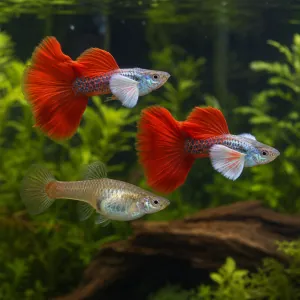
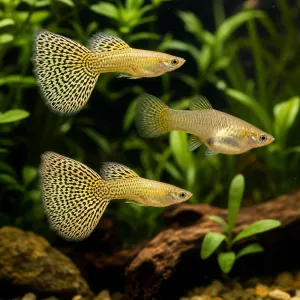
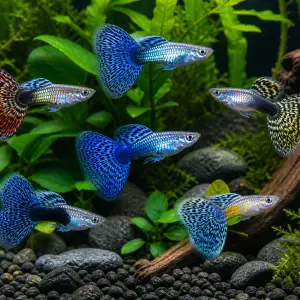
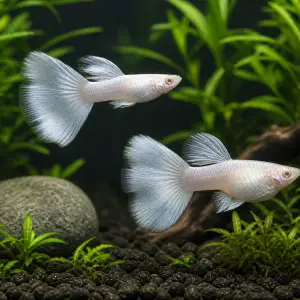
These photographs show real HiGuppy holding, breeding and observation work. They document our facility and fish stock; they are not presented as the exact individual fish or strain discussed on every page.