The HiGuppy Journal
Why Do Guppies Die After a Water Change? Causes and Fixes
Guppies that become distressed after a water change may have encountered untreated disinfectants, a temperature or chemistry change, a contaminant, or a disrupted filter. Timing alone does not establish the cause. Check water and equipment promptly, correct confirmed problems with appropriately prepared water, and seek fish-health help if breathing distress or losses continue.
A water change should make your guppy tank safer, not more dangerous. So when guppies become weak, hide, gasp, or die after a water change, it usually means something changed too suddenly. Guppies are hardy fish, but they still need stable water.
This guide breaks down the most common reasons guppies die after a water change and what to do differently next time.
Quick Answer
Guppies usually die after a water change because of chlorine or chloramine, sudden temperature change, pH shock, ammonia spikes, over-cleaning the filter, or abrupt changes in replacement-water conditions. The safest routine is smaller, consistent water changes with dechlorinated, temperature-matched water.
1. Chlorine or Chloramine Was Not Neutralized
Tap water is often treated to make it safe for people, but untreated tap water can be dangerous for fish. If new water goes into the tank without a proper conditioner, guppies may react quickly by gasping, darting, clamping fins, or becoming weak.
Always use a reliable water conditioner before or during the water change. Follow the dosage on the bottle and make sure the new water is mixed well before the fish experience it.
2. The New Water Was Too Hot or Too Cold
Temperature shock is a common beginner mistake. Even if the water looks clean, a sudden temperature difference can stress guppies badly. Match the new water as closely as possible to the aquarium temperature before adding it.
Pour slowly and avoid dumping a large amount of water directly onto the fish. A gentle refill gives guppies more time to adjust.
3. Too Much Water Was Changed at Once
Large water changes can be useful in emergencies, but they can also create sudden changes in pH, hardness, and temperature. In a normal healthy tank, consistent testing and maintenance help prevent large differences between aquarium and replacement water.
If the tank has been neglected, compare aquarium and replacement-water chemistry before correcting it. Use testing to guide maintenance and get experienced help when a large chemistry difference or serious water-quality problem is present.
4. The Filter Was Over-Cleaned
Your filter is not just a dirt trap. It also holds beneficial bacteria that help process fish waste. If you replace all filter media, scrub everything with tap water, and deep-clean the tank at the same time, you can damage the biological balance.
Rinse sponge or filter media gently in old tank water when needed. Avoid replacing everything at once unless there is a specific reason.
5. Ammonia or Nitrite Spiked After Cleaning
If the tank is not fully cycled, or if the cycle was disrupted, ammonia and nitrite can rise. Guppies may gasp at the surface, become lethargic, clamp fins, or die suddenly. Testing is the only way to know for sure.
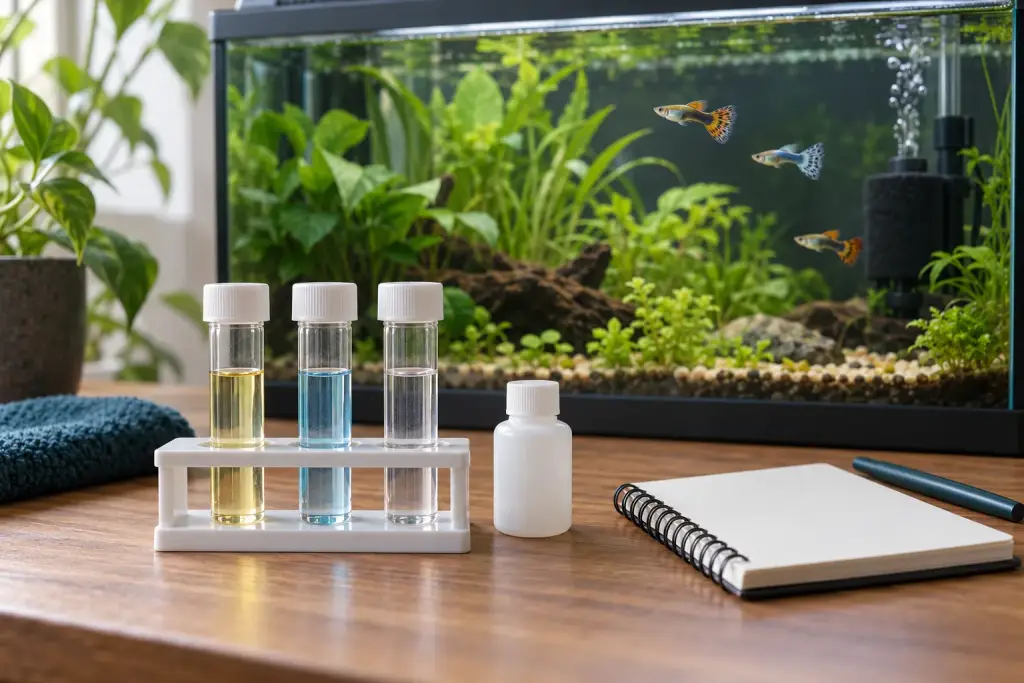
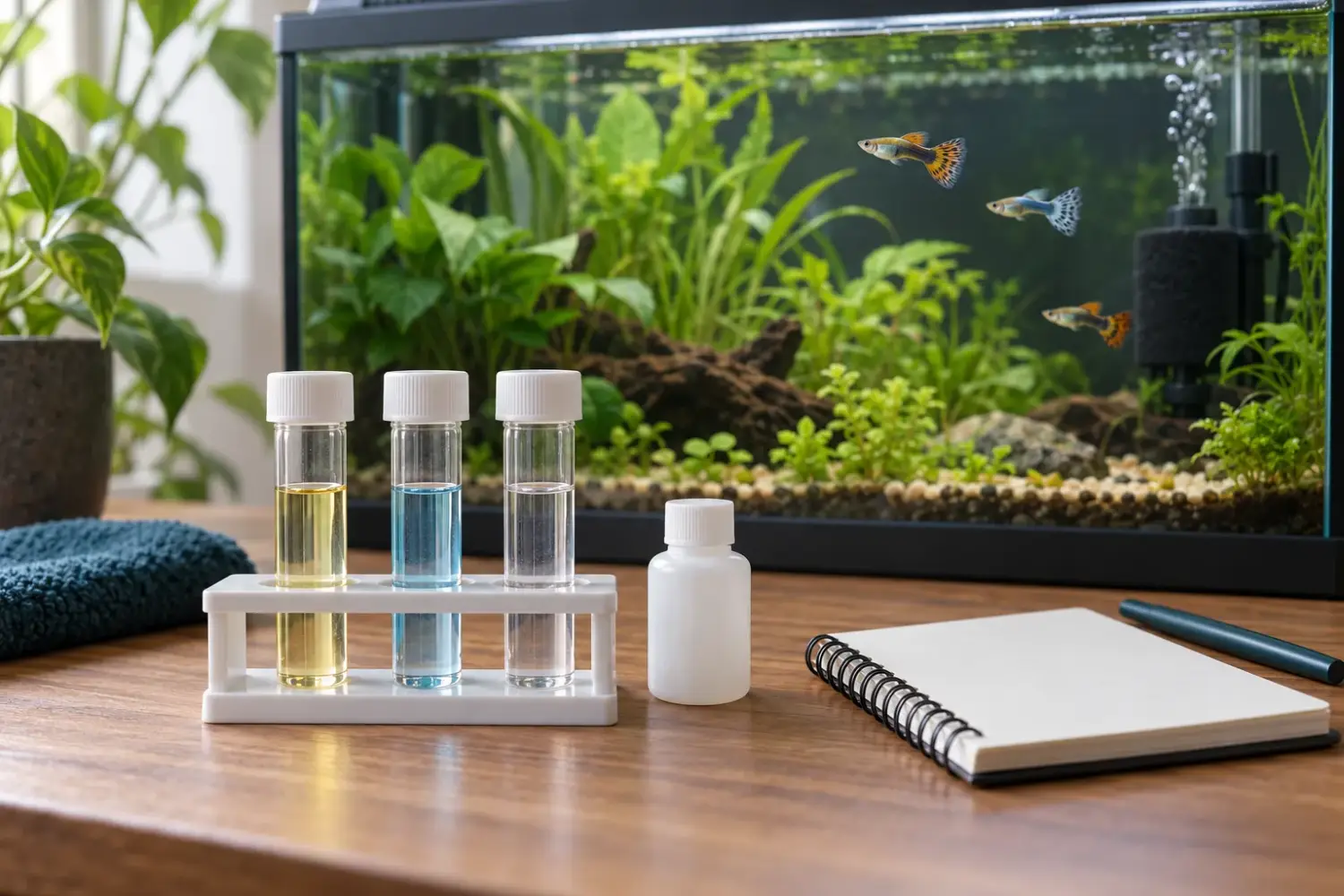
Keep a basic test kit on hand. Record actual results and units so you can compare them with previous readings. Stable water is the foundation of healthy fish.
Safe Water Change Checklist
- Prepare clean water in a bucket used only for aquarium care.
- Add water conditioner at the correct dose.
- Match the temperature to the tank.
- Change a moderate amount on a consistent schedule.
- Refill slowly to avoid shocking the fish.
- Do not deep-clean the filter and substrate at the same time.
- Test water if fish behave strangely afterward.
For a more complete routine, read Higuppy’s Guppy Water Change Guide and Guppy Tank Maintenance Schedule.
What to Do If Guppies Look Bad After a Water Change
Check the situation promptly while avoiding further abrupt temperature or chemistry changes. Check temperature, confirm conditioner was used, and test ammonia and nitrite if possible. Add aeration if fish are gasping. If you suspect untreated tap water entered the tank, dose conditioner according to product instructions.
If the fish were newly shipped, also review the Guppy Acclimation Guide. New arrivals need a gentle transition, and a rushed water change can add stress during an already sensitive period.
Measure the problem instead of blaming a percentage
The proportion of water changed does not determine safety by itself. A larger change with appropriately prepared water may be needed to address a confirmed contaminant, while even a small change with untreated water can be harmful. Compare the replacement water and aquarium temperature, disinfectant treatment, pH, and source-water history before deciding what happened.
Record how much water was replaced, when symptoms started, and whether the filter was cleaned or unplugged at the same time. Test the source water where relevant and keep the actual readings. This gives a fish-health professional useful evidence and helps prevent repeating the same exposure.
Do not delay necessary correction of confirmed ammonia, nitrite, or disinfectant exposure because you are afraid of every additional water change. Use properly conditioned, temperature-matched water, avoid abrupt chemistry changes, and retest. Persistent breathing distress, multiple affected fish, or continuing deaths need prompt professional attention.
FAQ
Can a water change kill guppies?
Yes, if the water is untreated, too different in temperature, or causes a sudden chemical change. Done correctly, water changes are essential for guppy health.
Should I change all the water in a guppy tank?
Not for normal maintenance. Full water changes can shock fish and disrupt the tank. Smaller routine changes are safer for most aquariums.
Why are my guppies gasping after a water change?
Possible causes include chlorine, temperature shock, low oxygen, ammonia, or stress. Check the basics immediately and add aeration if needed.
A healthy tank makes every new fish easier to settle in. Before ordering from Higuppy, prepare stable water and review the Quarantine & Health Guarantee.
Behind the care guides
Care begins with steady systems
Our guppy guides focus on practical routines: keep water stable, observe fish closely and allow for natural variation.

Care systems
Steady water, thoughtful care
Gentle filtration and regular observation support healthy aquarium routines.

Natural variation
Every guppy is different
Color, size and fin shape vary with strain, age and each individual fish.
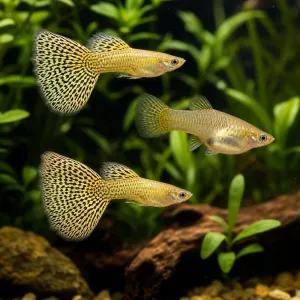
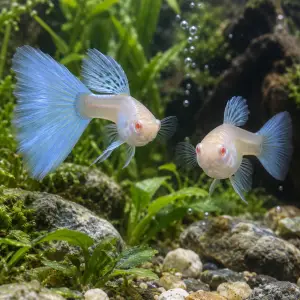
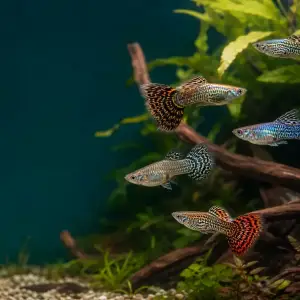
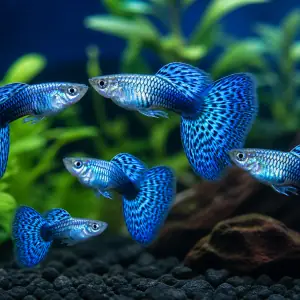
Editorial illustrations for context; they do not depict HiGuppy's exact facility or current fish stock.