The HiGuppy Journal
Guppy Popeye: Why Your Guppy’s Eye Is Bulging and What to Do
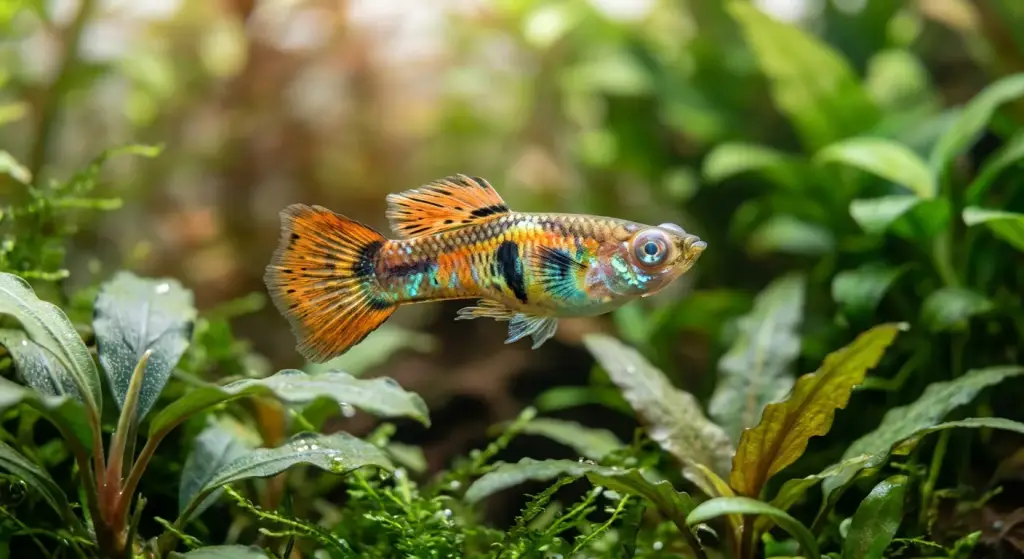
What is guppy popeye? Guppy popeye is when one or both eyes bulge out of the socket. It is a symptom, not a single disease, and it is most often linked to poor water quality, injury or infection. Start with water tests and a clean quarantine tank. For the basics, see our complete guppy care guide.
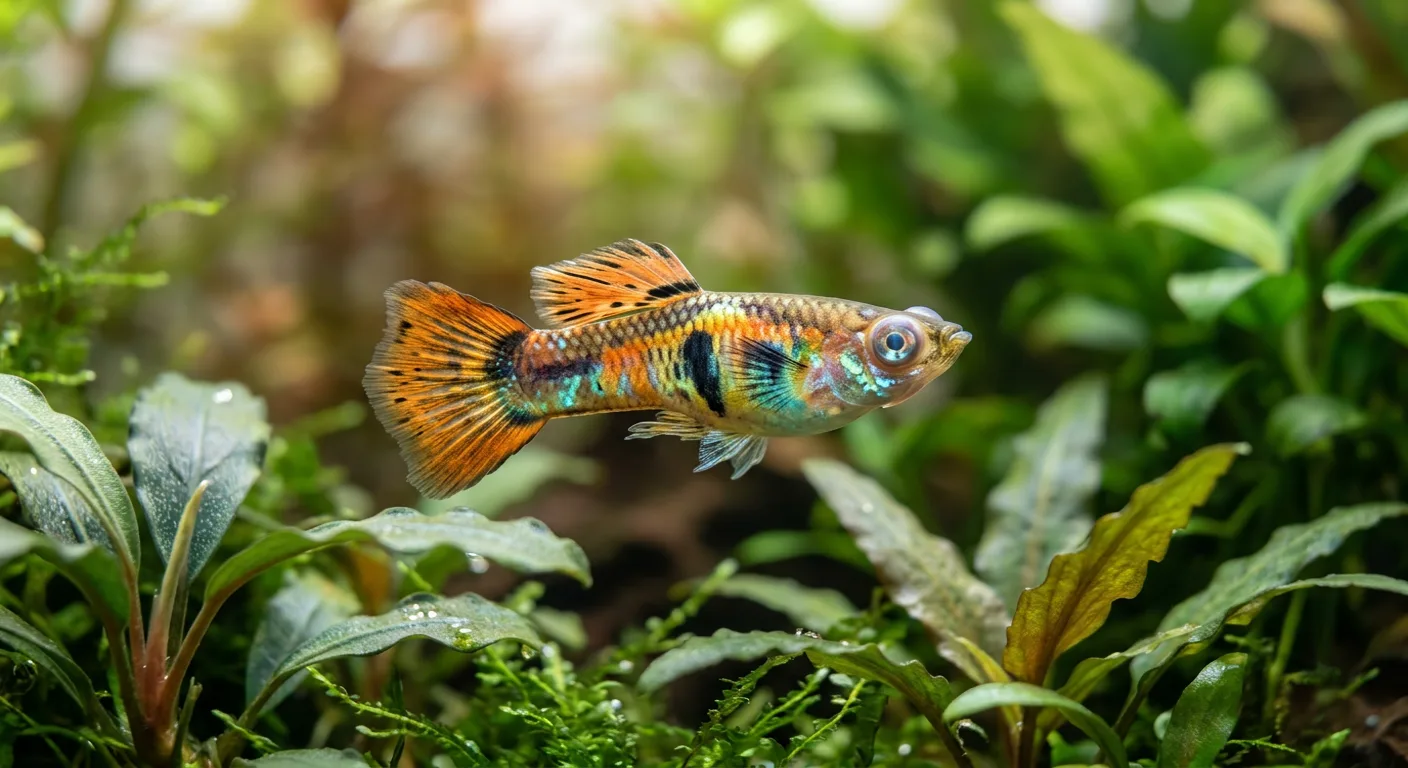
This guide explains what causes guppy popeye, how to tell the types apart, and what you can do at home. It is general hobby guidance, not veterinary advice.
What guppy popeye looks like
With guppy popeye, the eye sticks out from the head. It may look cloudy, swollen or red around the edge. Sometimes only one eye is affected, sometimes both. Compare the eyes side by side from above if you can. A normal guppy eye is flat to slightly rounded and clear.
Other signs often show up with it, such as hiding, clamped fins, less eating or a swollen belly. Our guide to clamped fins in guppies can help you read those extra signs.
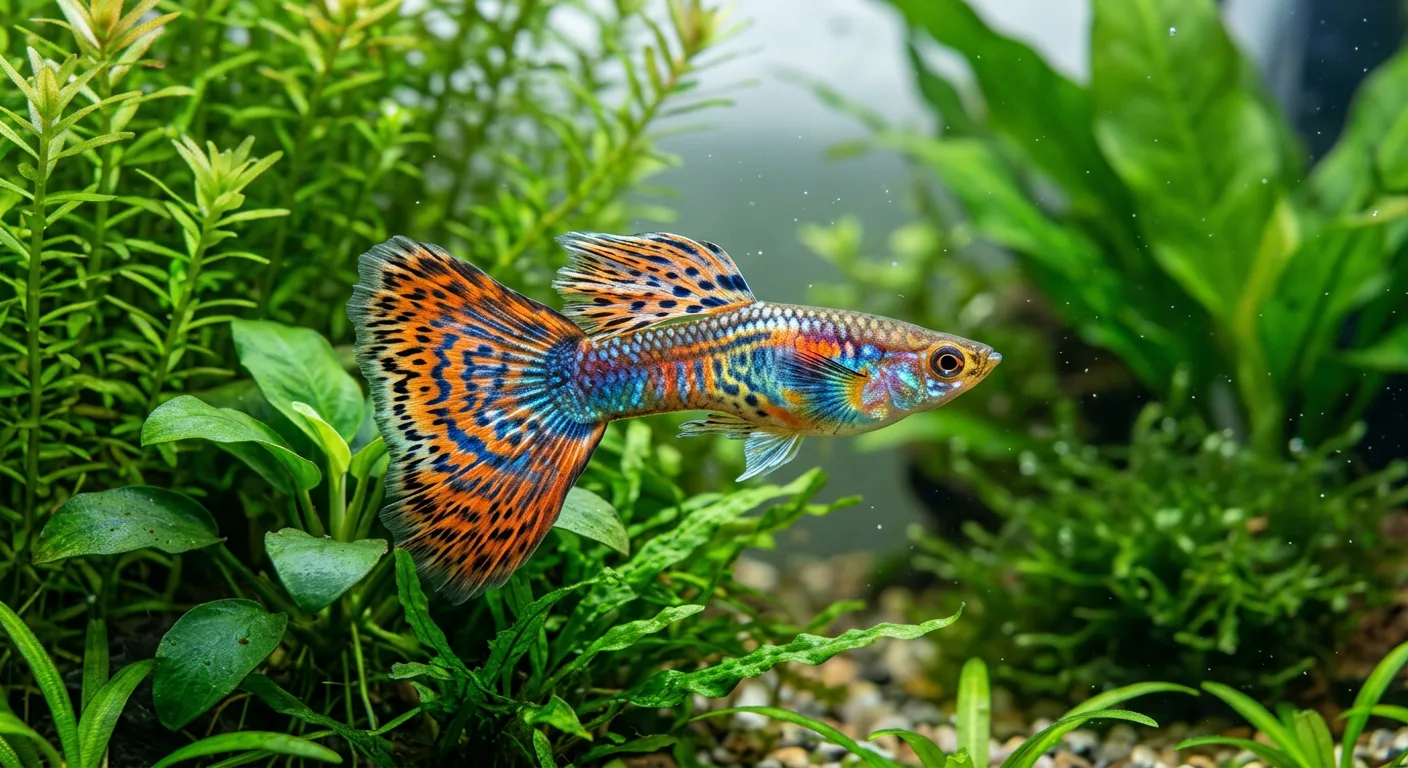
Main causes of guppy popeye
Most keepers see guppy popeye for one of a few reasons. Telling them apart is mostly about whether one eye or both are affected, and what else is going on in the tank.
| Likely cause | Usual pattern | First step |
|---|---|---|
| Poor water quality | Often both eyes, other fish stressed | Test ammonia and nitrite, do water changes |
| Injury | Often one eye only | Remove sharp decor, reduce chasing |
| Bacterial infection | One or both eyes, may spread to others | Quarantine and watch closely |
| Internal problems (such as dropsy) | Both eyes, swollen body, raised scales | Treat as serious; see dropsy guide |
If the body is swollen and the scales stick out like a pinecone, read our guppy dropsy guide, because guppy popeye can appear with it.
Water quality and guppy popeye
Dirty water is a common background factor. Ammonia and nitrite stress fish and make infections more likely. Test your water with a liquid kit and keep up with regular changes. Our ammonia poisoning in guppies article shows what to do if your readings are off.
Use a dechlorinator and match the temperature of new water to the tank. Avoid big swings, since sudden changes add stress. Many keepers aim for stable conditions rather than chasing exact numbers.
How to treat guppy popeye at home
There is no single guaranteed cure. These steps are what many hobbyists try first:
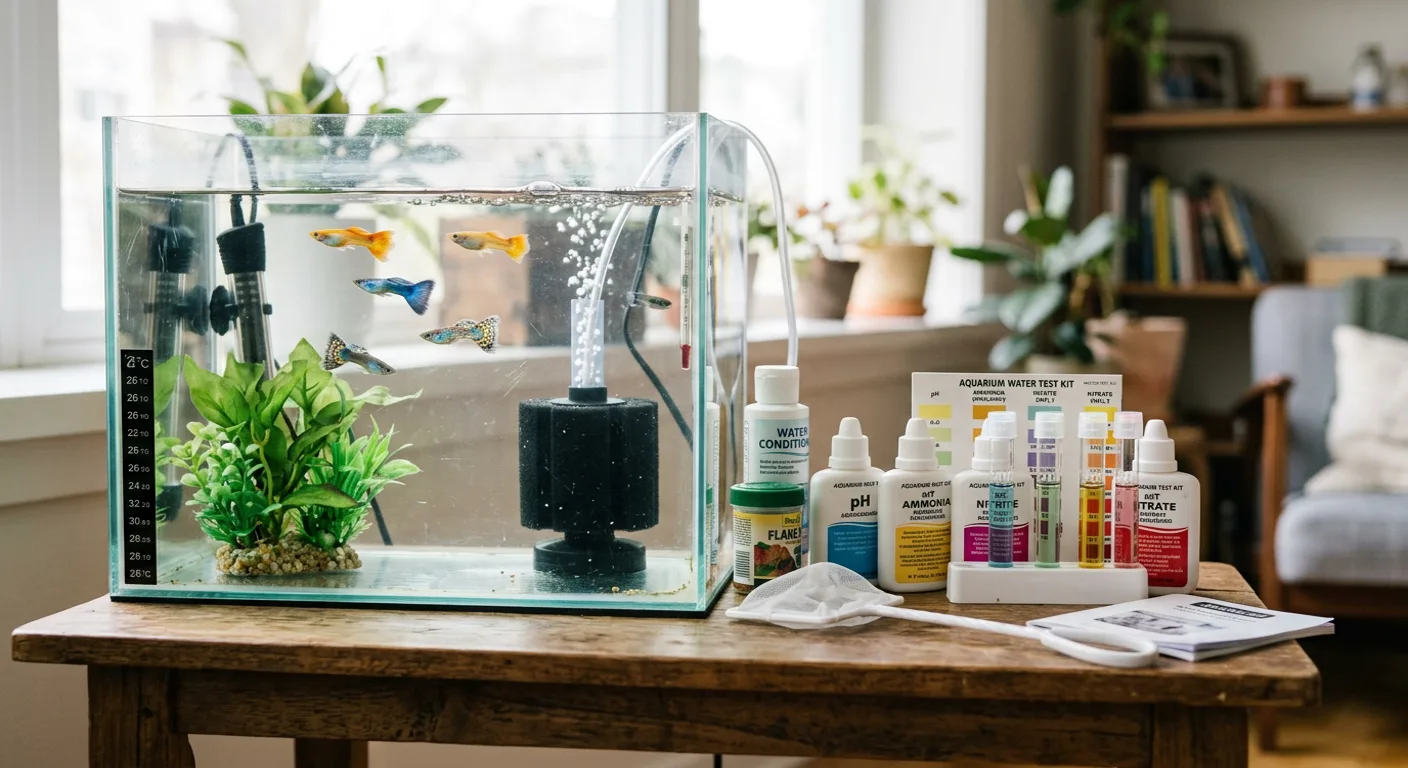
- Move the affected guppy to a small, clean quarantine or hospital tank with a gentle sponge filter.
- Test the main tank and fix any water problems with partial water changes.
- Keep the water warm and stable, and feed small portions of quality food.
- Watch for a few days. If the eye is not improving or the fish gets worse, consider asking an aquatic vet or your local fish store for advice about a suitable treatment.
Our hospital tank guide walks through setting one up. Do not add medication without reading the label, and remember some medicines can harm filter bacteria or plants.
Can guppy popeye heal?
Mild cases caused by injury or poor water sometimes improve once conditions are fixed. Recovery can be slow, and the eye may stay slightly changed even after the fish is healthy again. Cases linked to infection or dropsy are harder, and some fish do not recover. Acting early gives the best chance.
How to prevent guppy popeye
- Keep up a regular water change routine and test often.
- Do not overstock. See how many guppies per gallon for guidance.
- Remove sharp decorations and avoid aggressive tank mates.
- Quarantine new fish before adding them to your main tank.
- Feed a varied diet in small portions.
Healthy, unstressed fish are the best protection. If you want strong starter stock, browse our premium guppy pairs, and read general information on the species at Wikipedia’s guppy page.
Early signs to watch before the eye bulges
Eyes rarely change overnight without any warning. Many keepers notice smaller clues first: a guppy that hangs near the filter outflow, rubs against decor, refuses food or stays away from the group. A slight cloudiness over the eye can come before the swelling. Checking your fish for a minute each day at feeding time makes these changes easy to catch.
When you spot one of these signs, test the water right away and look at the other fish too. If several guppies look off, the cause is more likely to be the tank than a single injured animal. Our guide to why a guppy is not eating covers the appetite side of the problem.
Injury versus illness: how to tell
A fish that bumped into a rock or was nipped by a tank mate often shows swelling in just one eye. You may also see a small scratch or a missing patch of skin nearby. In that case, removing the aggressor or the sharp object matters as much as any treatment. If you suspect bullying, our guppy bullying signs article shows what to look for.
Illness tends to look different. Both eyes swell, the fish loses energy, and other symptoms appear over a few days. This pattern points toward water quality problems or an infection. Because the signs can overlap, treat guppy popeye as a warning that something in the tank needs attention, and do not rely on guessing a single cause.
Feeding and care while your guppy recovers
A sick guppy still needs good nutrition, but overfeeding fouls the water. Offer a small amount of high-quality flake or crushed pellet once or twice a day and remove leftovers after a few minutes. If the fish will not eat, do not force it. Keep the lights on a normal schedule, avoid tapping the glass and keep the tank in a calm spot.
Gentle filtration helps. A sponge filter is a good choice in a hospital tank because it moves water softly and will not pull a weak guppy against the intake. Do regular small water changes with dechlorinated water at a matching temperature, since big changes can add stress to an already weak fish.
When to remove a fish from the group
Move the affected guppy if it is being chased, if it is not eating at all, or if you think an infection could spread. In a crowded or heavily stocked tank, even a healthy fish struggles, so reducing the number of fish may be part of the fix. If the fish seems to be suffering badly with no sign of improvement after a reasonable time, many keepers consider humane euthanasia. A local aquatic vet or experienced hobbyist can explain the options.
Quick checklist for guppy popeye
| Step | What to do |
|---|---|
| 1 | Check one eye or both |
| 2 | Test ammonia, nitrite and nitrate |
| 3 | Move the fish to a quarantine tank |
| 4 | Keep water clean and stable |
| 5 | Watch daily and seek advice if worsening |
For long-term habits that keep guppies healthy, revisit the guppy care hub and our water parameters guide.
FAQ
What causes guppy popeye?
Common causes include poor water quality, eye injury, bacterial infection and internal illness such as dropsy. Often more than one factor is involved.
Is guppy popeye contagious?
The symptom itself is not contagious, but an underlying infection or bad water can affect other fish. Quarantining the sick guppy is a sensible precaution.
Can a guppy recover from a bulging eye?
Some do, especially mild cases from injury or poor water once conditions improve. Others, particularly with infection or dropsy, may not recover.
Does guppy popeye in one eye mean injury?
One swollen eye often points to injury or a local problem, while both eyes tend to suggest water quality or a wider illness. It is a hint, not a rule.
Should I use salt for guppy popeye?
Some keepers use aquarium salt in a hospital tank, but guppies and live plants vary in tolerance. Follow product directions carefully and ask an expert if unsure.
Behind the care guides
Care begins with steady systems
Our guppy guides focus on practical routines: keep water stable, observe fish closely and allow for natural variation.

Care systems
Steady water, thoughtful care
Gentle filtration and regular observation support healthy aquarium routines.

Natural variation
Every guppy is different
Color, size and fin shape vary with strain, age and each individual fish.
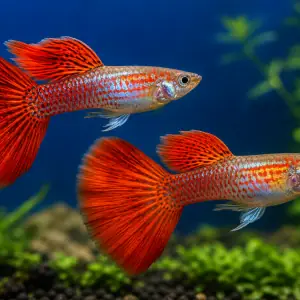
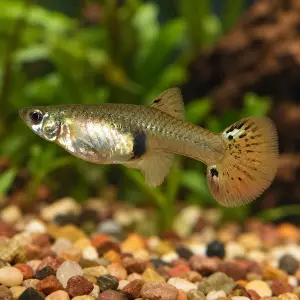
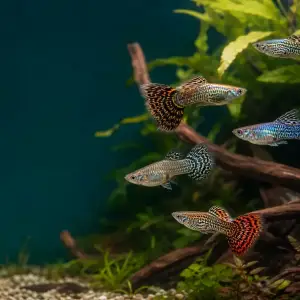
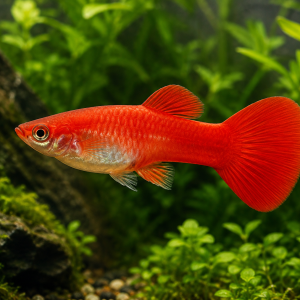
Editorial illustrations for context; they do not depict HiGuppy's exact facility or current fish stock.