Guppy Care Article
Do Guppies Jump? Why It Happens & How to Prevent It
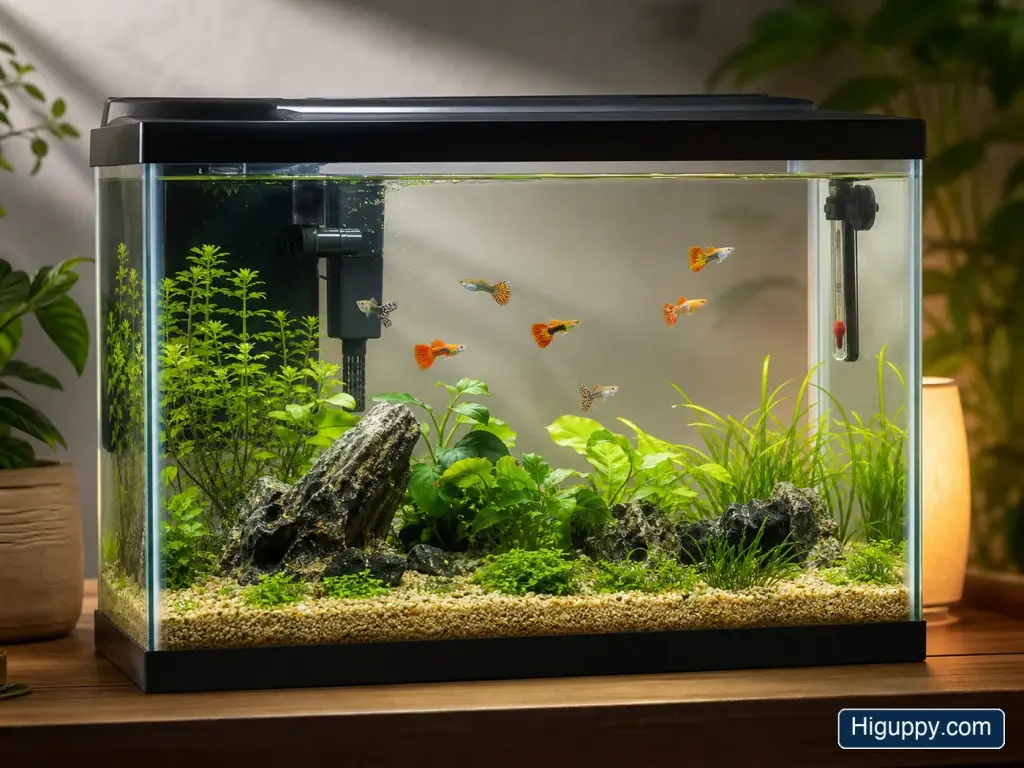
Yes, guppies can jump. Most of the time they stay safely inside the aquarium, but an open-top tank creates a real escape risk—especially when fish are startled, chased, newly introduced, or reacting to poor water conditions.
A lid is the simplest prevention, but repeated jumping should also prompt you to check the tank itself. This guide explains the common reasons guppies jump, how to make the aquarium safer, and when jumping may be a warning sign rather than a random accident.
Quick answer
Guppies can jump, so a fitted aquarium lid is recommended. Occasional darting can happen when fish are startled, but repeated jumping may be linked to bullying, new-arrival stress, unstable water quality, excessive current, sudden lighting changes, or other discomfort. Secure the tank first, then look for the cause.
Why do guppies jump out of the tank?
Jumping is not one specific disease sign. It is a behavior that can occur for several reasons, so context matters. Look at what happened immediately before the jump and whether other fish are showing abnormal behavior.
1. Startle response
Sudden movement, tapping on the glass, a net entering the tank, a door slamming, or a light turning on abruptly can trigger fast escape behavior. Healthy guppies can jump simply because they were frightened at the wrong moment near the surface.
2. Bullying, chasing, or mating pressure
Guppies are social but active fish. Persistent chasing can push a weaker fish toward corners and the surface. If one guppy is repeatedly fleeing while another follows, treat the social problem rather than assuming the jumper is simply “hyper.”
Use Guppy Bullying Signs to separate normal interaction from persistent stress.
3. Poor water quality or low oxygen
When water quality deteriorates, fish may become restless, dart, stay near the surface, or attempt to escape. Ammonia or nitrite problems, overheating, or inadequate gas exchange deserve immediate attention when jumping is accompanied by rapid breathing, gasping, clamped fins, or lethargy.
Check the Guppy Water Parameters Guide and Guppy Gasping at the Surface if you see respiratory distress.
4. New-arrival and acclimation stress
Recently shipped fish may be more reactive while they adjust to a new environment. Keep the tank calm, avoid sudden light changes, and follow the seller’s acclimation instructions rather than repeatedly handling the fish.
For HiGuppy arrivals, use the Guppy Acclimation Guide and quarantine new fish before mixing them with an established group.
5. Strong current or awkward surface flow
A strong return flow near the surface can create a zone where small fish are constantly pushed or redirected. Guppies do not require a stagnant tank, but the aquarium should include calm areas where fish can rest without fighting the current.
Compare filtration and flow options in Best Filter for Guppies and Sponge Filter for Guppy Tanks.
How to prevent guppies from jumping
- Use a fitted aquarium lid. This is the most reliable prevention.
- Cover gaps around hoses and equipment. Small fish can find surprisingly narrow openings.
- Keep the waterline slightly below the rim. This adds a little safety margin but does not replace a lid.
- Maintain stable water quality. Test ammonia and nitrite and keep routine maintenance consistent.
- Reduce persistent bullying. Add visual breaks, review stocking, and separate an aggressor or injured fish when necessary.
- Avoid sudden light changes. Use a predictable lighting routine and allow ambient room light before switching bright aquarium lights on when possible.
- Check filter flow. Make sure fish have calmer areas and are not being pushed toward the surface continuously.
For a more complete safety setup, see Best Tank Setup for Guppies, Safe Decorations for Guppy Tanks, and the Guppy Tank Lighting Schedule.
When jumping is a warning sign
| What you see | What to check |
|---|---|
| Jumping plus surface gasping | Oxygen, temperature, ammonia, nitrite, gill irritation |
| Jumping plus red or irritated gills | Water quality, chlorine/chloramine exposure, gill problems |
| One fish jumps while being chased | Bullying, sex ratio, hiding cover, stocking |
| Jumping after a water change | Temperature match, conditioner/dechlorination, sudden parameter shift |
| Jumping after moving to a new tank | Acclimation stress, lighting, water parameters, cover |
| Multiple fish suddenly darting | Immediate environmental change or water-quality problem |
If several guppies suddenly jump or dart at the same time, treat it as a tank-level problem until testing proves otherwise. Start with water quality and equipment rather than medicating the fish blindly.
What if a guppy jumps out of the tank?
If you find the fish immediately and it is still alive, return it gently to clean aquarium water with minimal handling. Dim the lights and monitor breathing, balance, fin damage, and skin injury. Then identify how it escaped and correct the opening before leaving the tank unattended.
Do not add medication automatically just because the fish was out of water. Observation, clean stable water, and preventing a second jump are the priorities unless specific injury or disease signs develop.
Do floating plants stop guppies from jumping?
Floating plants can make fish feel more secure and soften bright overhead light, but they are not a substitute for a lid. Leave enough open surface for gas exchange and feeding while using plants as cover rather than as the only escape barrier.
See Best Live Plants for Guppies for easy options.
FAQ
Do all guppies jump?
No. Many guppies never leave the water, but any open-top tank has some escape risk. A frightened or chased fish can jump even if it has never done so before.
Do guppies need a lid?
A lid is strongly recommended because it prevents accidental escapes. It is especially useful for new arrivals, breeding groups, active tanks, and homes where sudden movement around the aquarium is common.
Why did my guppy jump after a water change?
Check whether the new water was properly conditioned and close in temperature, and test the tank if the fish remains stressed. Sudden environmental changes can trigger darting or escape behavior.
Can guppies jump through small lid gaps?
Yes. Openings around filter returns, airline tubing, and feeding ports can be large enough for a small fish. Cover gaps safely without blocking ventilation or equipment operation.
Before bringing home new fish, use the Guppy Tank Setup Checklist Before Buying. When the aquarium is secure, cycled, and stable, browse the HiGuppy Shop.
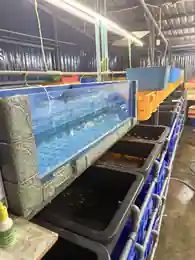
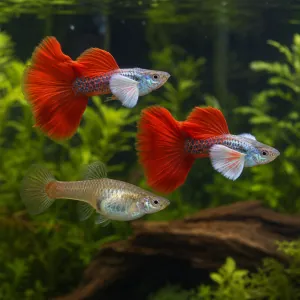
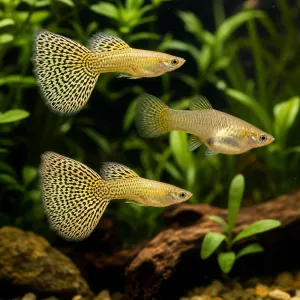
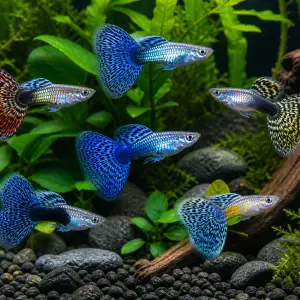
Real HiGuppy photographs
Inside the facility behind our guppy guides
These photographs show real HiGuppy holding, breeding and observation work. They document our facility and fish stock; they are not presented as the exact individual fish or strain discussed on every page.