Guppy Care Article
Why Is My Guppy Not Eating? Causes & What to Check First
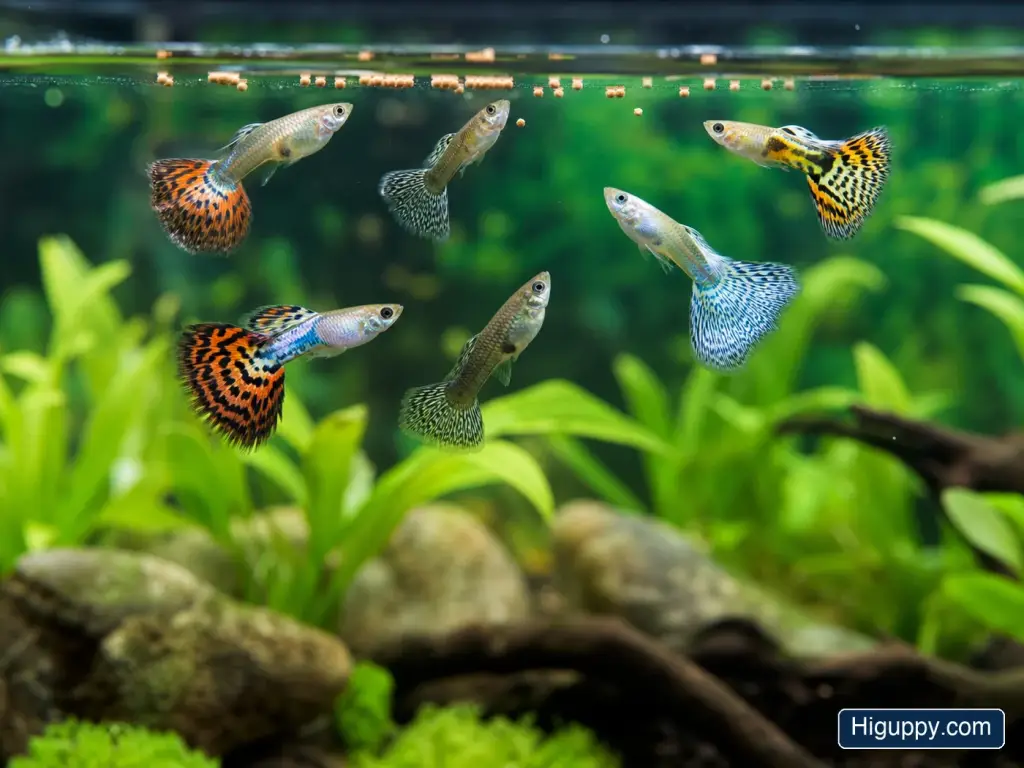
A guppy that skips food for one feeding is not automatically sick, especially after shipping or a major tank change. But persistent appetite loss matters because it can be an early sign of water-quality stress, temperature problems, bullying, digestive trouble, parasites, or another illness.
The useful question is not just “what food should I try?” It is what changed, and are there other symptoms? This guide walks through the fastest checks so you can separate a temporary adjustment from a problem that needs closer attention.
Quick answer
If your guppy is not eating, first check ammonia, nitrite, temperature, breathing, fin posture, waste, body condition, and tank-mate behavior. A newly arrived fish may simply need quiet time, but appetite loss combined with gasping, clamped fins, wasting, swelling, white spots, abnormal feces, or several fish declining at once deserves prompt investigation.
Is it normal for a new guppy not to eat?
It can be. Shipping, netting, temperature change, a new social group, unfamiliar lighting, and a different food can temporarily suppress feeding. A newly arrived guppy that is alert, breathing normally, holding its fins open, and gradually exploring the tank is less concerning than a fish that refuses food while also hiding, gasping, or becoming weak.
Give new arrivals a calm environment and follow the seller-specific handling instructions in the Guppy Acclimation Guide. Avoid repeatedly adding food to “test” the fish; leftovers can worsen water quality.
The 6 most useful checks
1. Test the water before changing the diet
If multiple guppies stop eating at the same time, suspect the environment before blaming the food. Check ammonia, nitrite, pH, and temperature. Water can look perfectly clear while still being unsafe.
Use the guppy water parameters guide. If ammonia is detected or the tank recently lost filtration, see ammonia poisoning in guppies.
2. Check temperature and breathing
Temperature affects metabolism and oxygen demand. A fish that is cold, overheated, or struggling to breathe may show little interest in food. If the guppy is repeatedly at the surface, breathing rapidly, or flaring its gills, feeding is secondary to correcting the underlying water or oxygen problem.
Compare those signs with the guppy gasping at the surface guide and our guppy temperature guide.
3. Watch for bullying and feeding competition
A timid or repeatedly chased guppy may approach food but retreat when more dominant fish arrive. Observe the tank from a distance during feeding. Look for persistent chasing, fin nipping, crowding in one corner, or one fish being excluded from open swimming areas.
Plant cover and visual breaks can help, but the real fix may be stocking or sex-ratio management rather than simply adding more decorations.
4. Check whether the food is appropriate
Food that is stale, too large, unfamiliar, or poorly suited to the fish may be ignored. Offer a very small portion of a familiar, appropriately sized food and watch whether the guppy approaches, takes food, spits it out, or ignores it entirely.
For normal feeding frequency and portion control, see how often to feed guppies and the broader Guppy Feeding Guide.
5. Look at body condition and feces
A fish that stops eating and also becomes progressively thin, develops a sunken belly, or produces persistent abnormal feces needs a different workup than a fish that simply skipped a meal after shipping. Internal parasites are one possibility, but white or stringy feces alone do not prove a parasite infection.
Use Guppy White Stringy Poop for that symptom and Internal Parasites in Guppies when weight loss or a broader parasite pattern is present.
6. Look for additional disease signs
Appetite loss becomes more significant when it appears with clamped fins, spots, lesions, swelling, abnormal buoyancy, rapid breathing, flashing, or unusual color loss. Do not choose medication from appetite loss alone; match treatment to the actual problem whenever possible.
Start with the Guppy Diseases Guide or compare a specific symptom such as clamped fins.
A simple decision table
| What you see | More likely direction | First move |
|---|---|---|
| New arrival, otherwise alert | Adjustment or shipping stress | Quiet tank, stable water, tiny meal later |
| Several fish stop eating together | Water or environmental problem | Test water and equipment |
| One fish is chased away from food | Social stress or competition | Observe hierarchy and stocking |
| Thin fish plus persistent abnormal feces | Digestive or parasite problem possible | Assess body condition and symptoms |
| Not eating plus gasping or severe lethargy | Urgent water, oxygen, gill, or disease issue | Prioritize water/respiratory checks |
What not to do
- Do not keep dumping in extra food hoping the fish will eventually eat it.
- Do not change multiple foods, medications, and water chemistry at the same time.
- Do not assume white feces automatically means parasites.
- Do not medicate the whole aquarium solely because one fish skipped a meal.
- Do not ignore water quality because the aquarium looks clean.
When to isolate a guppy
Isolation is useful when a fish is being attacked, needs close observation, or may require targeted treatment. A hospital tank should still have stable temperature, adequate oxygen, and controlled water quality; moving a weak fish into an uncycled container can create a second problem.
See our sick guppy hospital tank guide before moving or treating a fish.
FAQ
How long can a guppy go without eating?
A healthy adult can miss meals, but a fixed “safe number of days” is not a useful diagnostic rule. The reason for appetite loss matters more. Persistent refusal to eat, weight loss, or additional symptoms should be investigated.
Should I try live food if my guppy will not eat?
Not before checking water quality and health. A more attractive food may help a healthy, picky fish, but it will not correct ammonia, temperature stress, bullying, or disease.
Why is only one guppy not eating?
When the rest of the tank feeds normally, individual causes such as social stress, injury, digestive trouble, or disease become more likely. Still verify water because a vulnerable fish may show stress before others.
Sources and next steps
Aquarium-health guidance from the Merck Veterinary Manual emphasizes water-quality assessment when aquarium fish become lethargic or anorectic. For normal daily husbandry after the cause is addressed, continue with the Complete Guppy Care Guide.
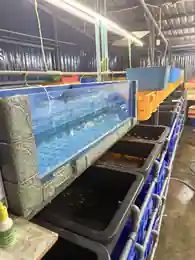
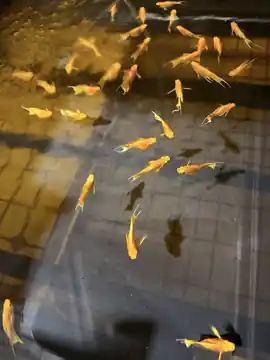
Real HiGuppy photographs
Inside the facility behind our guppy guides
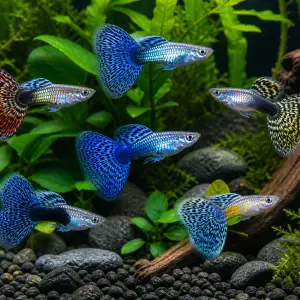
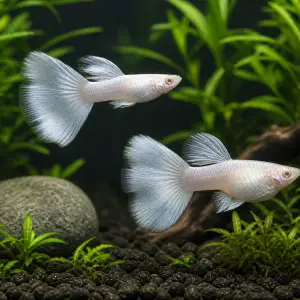
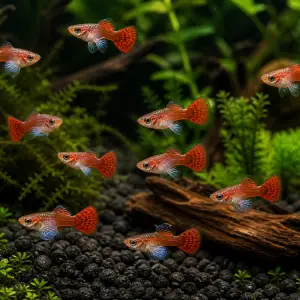
These photographs show real HiGuppy holding, breeding and observation work. They document our facility and fish stock; they are not presented as the exact individual fish or strain discussed on every page.