The HiGuppy Journal
How to Tell Male and Female Guppy Fry Apart
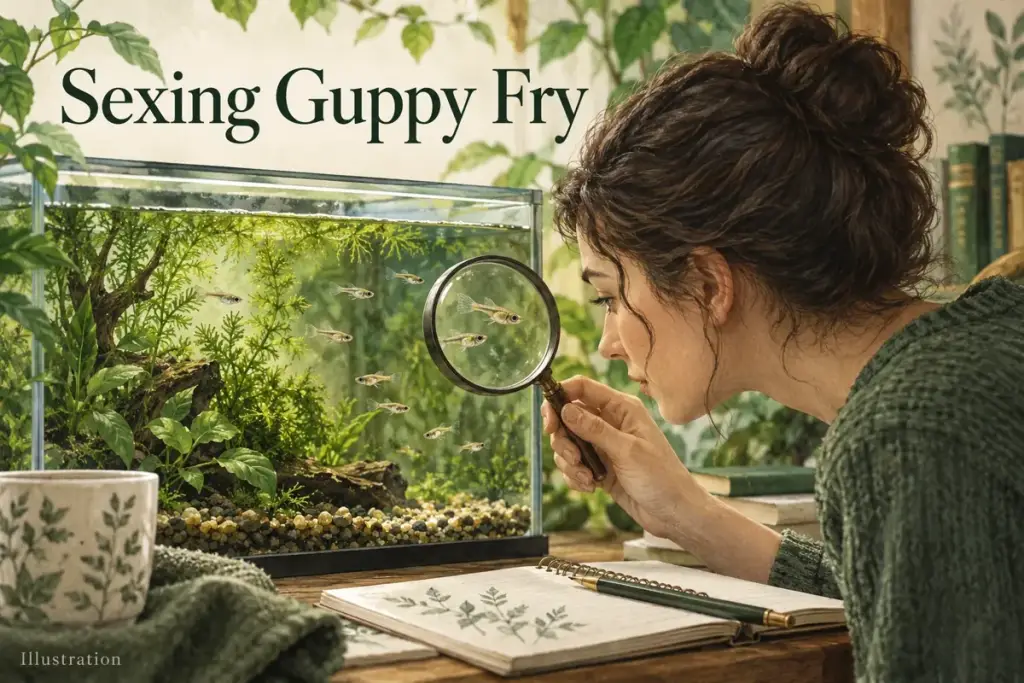
To tell male from female guppy fry, watch the anal fin as the fish develops. A male gradually forms a narrow, pointed gonopodium; a female keeps a broader, fan-shaped anal fin. Color may appear on males, and females may show a gravid spot, but neither color nor one body mark is conclusive in every strain. Growth and maturation timing vary, so check more than once.
The anal fin is most helpful when you follow the same fish over time. Color and body markings are secondary clues, while a quick glance at a newborn is rarely enough to support a breeding decision. Keeping notes makes the repeat check more reliable.
Why newborn fry are difficult to sex
Very young guppies have not developed all the differences that make adult fish easier to identify. A quick view of body shape or color can lead to a false label, especially with mixed strains, pale fish, or juveniles growing at different rates. If you are comparing adults, see the male-versus-female guppy guide; the same adult differences may not yet be obvious in fry.
Development varies between fish, so a fixed age is a poor substitute for looking at the fish itself. Use birth-date notes as context and keep an uncertain juvenile in a labeled observation group rather than guessing its sex.
Check the anal fin first
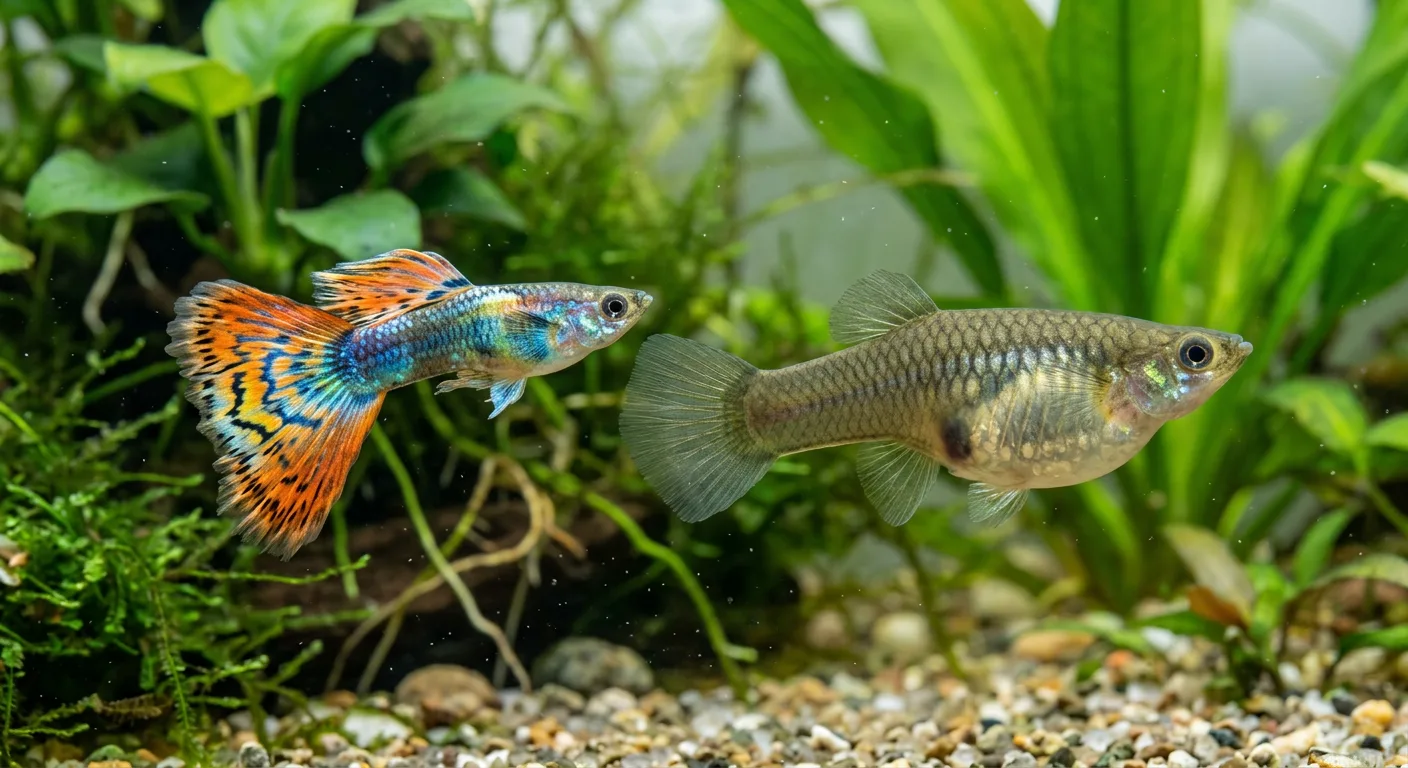
Look at the small fin on the underside of the fish, between the belly and tail. A female’s anal fin remains broad and fan-shaped. As a male develops, that fin narrows and lengthens into a gonopodium. OATA’s guppy care guidance describes the adult fin differences. A developing juvenile may not yet show a clear adult shape, so compare it over repeated observations.
Use a clear side view and good light, but avoid catching or stressing the fry just to inspect them. If the fish is moving too quickly, watch during routine feeding or take a quick reference photo from outside the tank. Compare the same individual over time. A developing fin that becomes consistently narrow and rod-like is stronger evidence than a single blurry look.
Use color and body markings as supporting clues
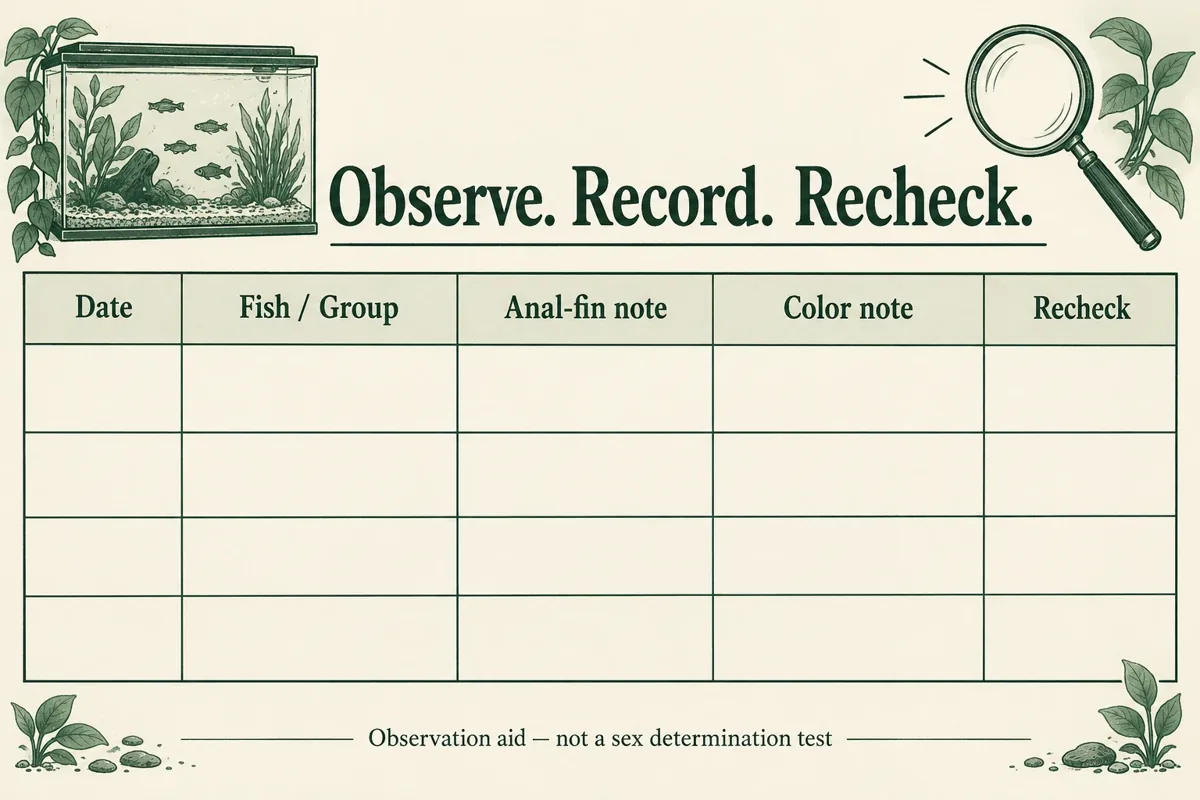
Some males begin to develop ornamental body or tail color as they mature. The location, intensity and timing vary. Record what changes on the individual fish rather than expecting every male to develop a particular color by the same week.
Color is not a stand-alone sex test. Some strains are pale or slow to show color, and individual females can also carry visible color. Likewise, a dark area near a juvenile female’s abdomen may become more noticeable, but markings can be harder to see depending on pigmentation, lighting, and the fish’s stage of development. Combine appearance with the anal-fin shape rather than treating one spot or color as proof.
Body size and fullness are also weak clues in growing fry. They can reflect age, feeding, growth rate, or individual variation. Follow a guppy growth-stage guide to understand the broader sequence of development, but use the fish’s features and repeated observations for sexing.
Recheck before you separate groups
If your reason for sexing is to prevent breeding, set up stable groups early: confirmed males, confirmed females, and a separate observation group for juveniles whose sex is uncertain. Keep uncertain fry out of the confirmed-female group while you recheck them regularly. Use the anal fin as it develops; do not wait for full adult color or a fixed age. Keep water and gentle filtration suitable for small juveniles, and plan moves to reduce handling. If you are also troubleshooting poor growth or unusual behavior, compare the full picture with common guppy fry problems rather than diagnosing from one sign.
Check the group repeatedly as features develop. If one juvenile remains uncertain, keep it in a separate observation group or continue to monitor it rather than assuming it belongs with females. Guppy females may store sperm after mating, so separating a mixed group later cannot always prevent fry from a female that has already mated; a study of prolonged guppy sperm storage documents this possibility. For a broader setup, use the guppy breeding guide and its advice on planning fish groups.
A simple sexing routine
- Note the fry’s birth group and approximate age if known.
- Check the anal fin from the side without handling the fish.
- Record color and abdominal markings as secondary clues only.
- Mark uncertain fish for another check rather than forcing a label.
- Recheck before moving fish into separate male and female groups.
- Keep up with appropriately sized food and stable water; use a fry feeding schedule and review water-parameter guidance.
FAQ
At what age can you sex guppy fry?
There is no universal age that works for every strain and setup. The anal fin becomes more informative as the male gonopodium develops, and growth conditions affect maturity. Inspect repeatedly and rely on visible features, not a calendar alone.
Is color enough to tell if a guppy fry is male?
No. Developing male color can be a helpful clue, but its timing and visibility vary. Some males develop color later, and color by itself does not confirm sex.
What is the best sign of a male guppy fry?
The strongest visible clue is a narrowing anal fin that develops into a gonopodium. During the transition, the fin may still be ambiguous, so compare it over multiple observations.
Can a female guppy fry have color?
Yes. Color patterns vary across guppies, so color alone should not decide the fish’s sex. Use the anal fin and continue checking as the juvenile develops.
Should I separate fry as soon as I can guess their sex?
Prepare suitable groups early, including a stable observation group for juveniles whose sex is unclear. Keep uncertain fish out of the confirmed-female group and recheck the anal fin as it develops. Do not wait for adult color or a fixed age; move fish into the appropriate sex group only when visible features are reliable, while minimizing handling.
Behind the care guides
Care begins with steady systems
Our guppy guides focus on practical routines: keep water stable, observe fish closely and allow for natural variation.

Care systems
Steady water, thoughtful care
Gentle filtration and regular observation support healthy aquarium routines.

Natural variation
Every guppy is different
Color, size and fin shape vary with strain, age and each individual fish.
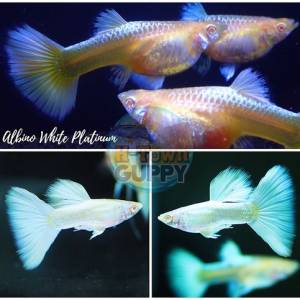
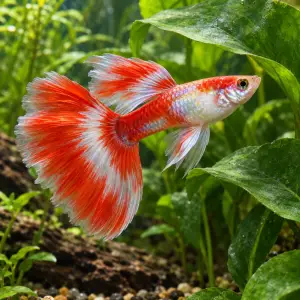
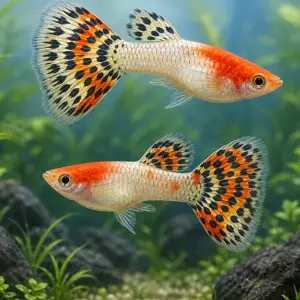
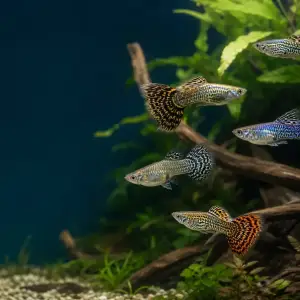
Editorial illustrations for context; they do not depict HiGuppy's exact facility or current fish stock.