The HiGuppy Journal
Why Is My Guppy Shaking? Causes and Fixes
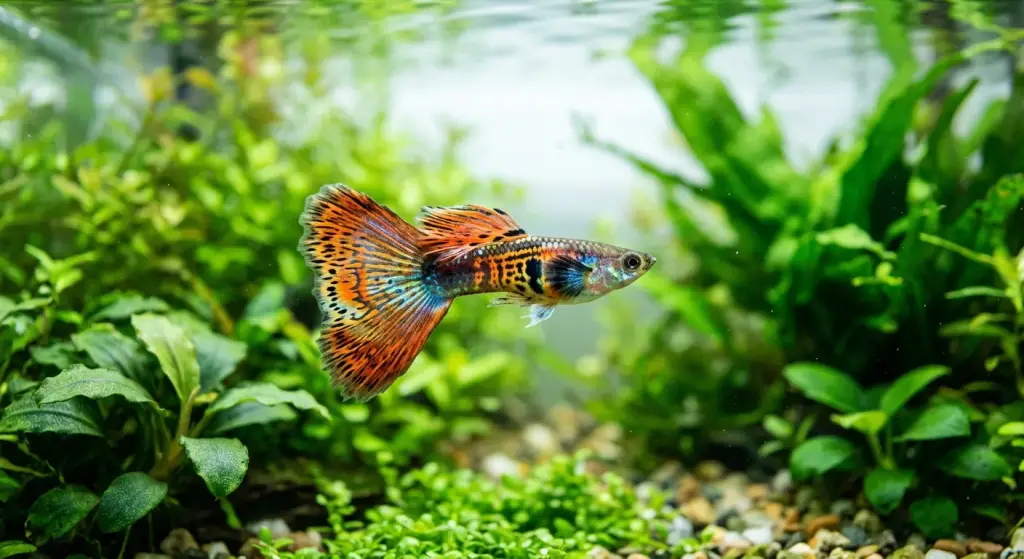
Why is my guppy shaking? A shaking guppy is most often reacting to poor water quality, a cold or swinging temperature, or stress. It can also be a harmless courtship shimmy. Start by testing the water, since our guppy care guide shows that most guppy problems begin there.
If you keep asking why is my guppy shaking, the answer depends on what else the fish is doing. This guide helps you tell normal behavior from a warning sign, and gives you a clear order of steps to fix it.
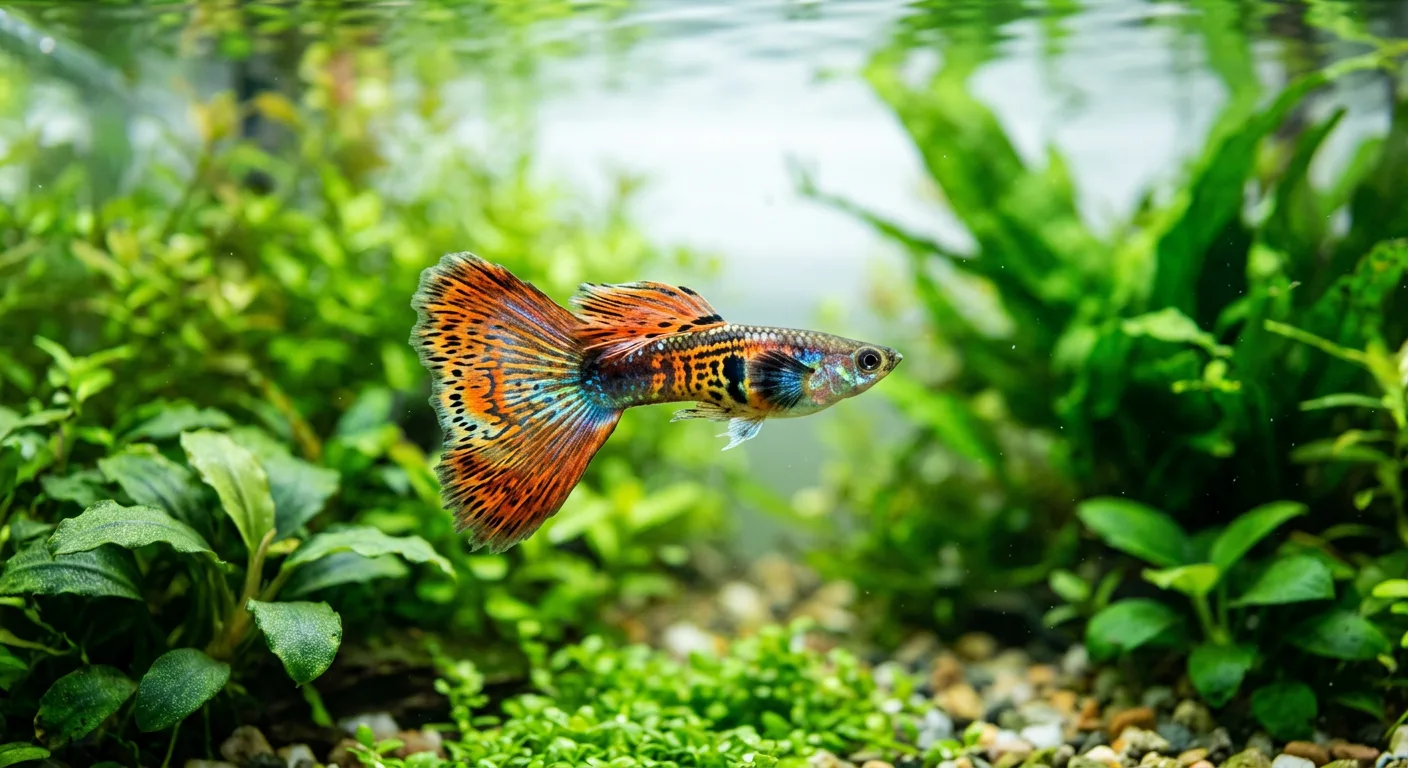
Why is my guppy shaking? The quick answer
Guppies shake, shimmy or tremble for a handful of reasons. Some are normal, and some mean the fish needs help right away. The key is to look at the whole picture: how long it lasts, whether the fish also eats, and how the other guppies act.
When people ask why is my guppy shaking, the cause usually falls into one of these groups: a courtship display, water that has gone bad, temperature stress, a new tank or new fish, or an illness. The table below sorts them so you can find your case fast.
| Cause | What you see | First thing to do |
|---|---|---|
| Courtship shimmy | Brief shaking near another guppy, fins spread | Nothing; watch that females are not harassed |
| Poor water quality | Shaking with gasping, clamped fins, low energy | Test the water and do a partial water change |
| Temperature swings | Shivering, sitting low, slow movement | Check the thermometer and steady the heater |
| New tank or new fish | Trembling and hiding after a move | Keep lights dim, leave the fish alone, keep water stable |
| Illness or parasites | Shaking plus spots, rubbing or poor appetite | Isolate the fish and watch closely |
Is it a normal guppy shimmy?
Male guppies are known for a quivering dance when they court a female. The male spreads his fins, curves his body and shakes rapidly in front of her. This is normal and usually lasts only seconds at a time.
A courtship shimmy looks purposeful. The male is facing a female, he is colorful and active, and he keeps eating. Shaking that happens alone, with no other fish nearby, is more likely a problem.
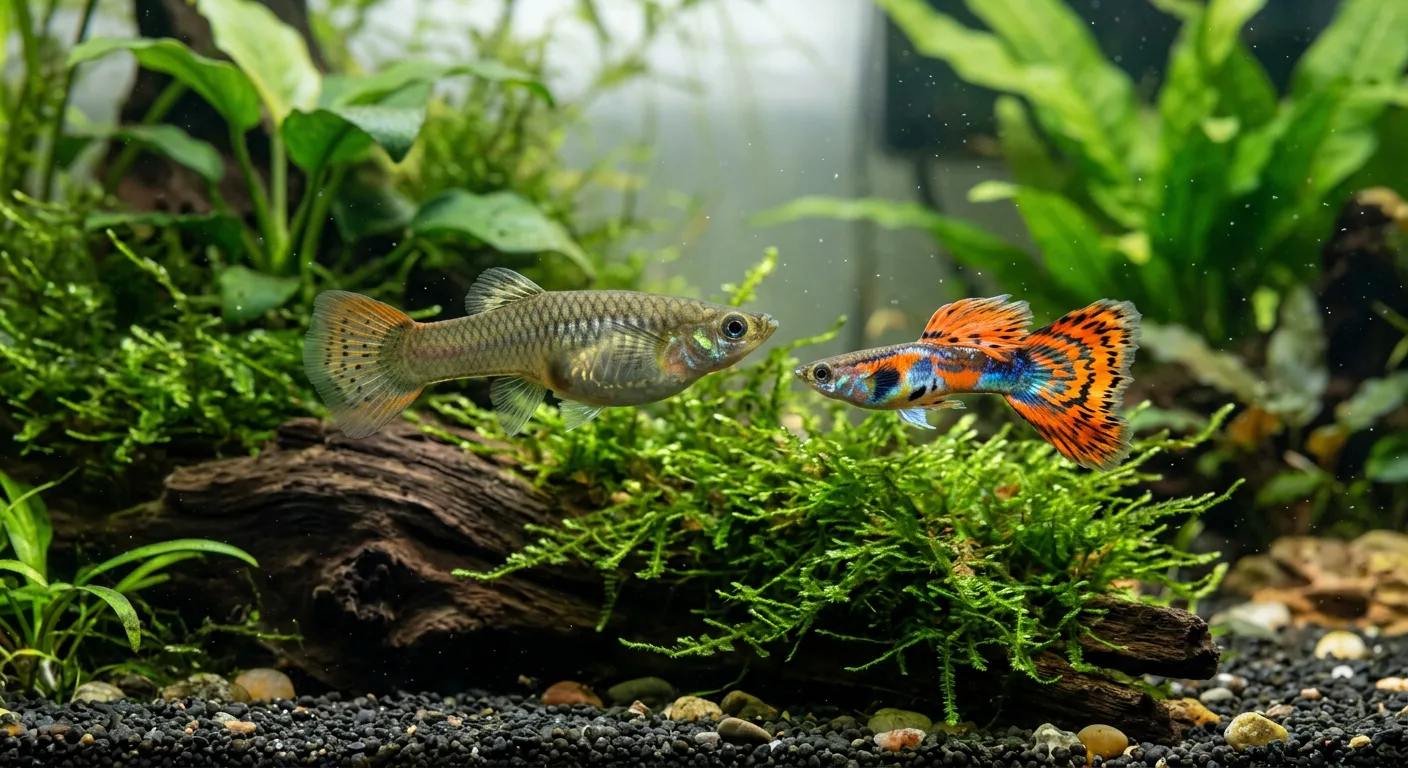
If one male is chasing a female nonstop, the female may tremble from stress. Adding more females than males, and giving plants for cover, usually calms the tank. You can read more in our guide to guppies chasing each other.
Water quality problems that make guppies shake
Dirty water is the most common reason a guppy starts to tremble. Ammonia and nitrite irritate gills and skin, and the fish may shake, gasp at the surface or hang near the filter outflow. A new tank that has not finished cycling is a frequent cause.
Test the water before you change anything else. A liquid test kit is more dependable than paper strips for ammonia and nitrite. Ammonia and nitrite should read zero in a healthy tank. Our page on ammonia poisoning in guppies explains the signs and the emergency steps.
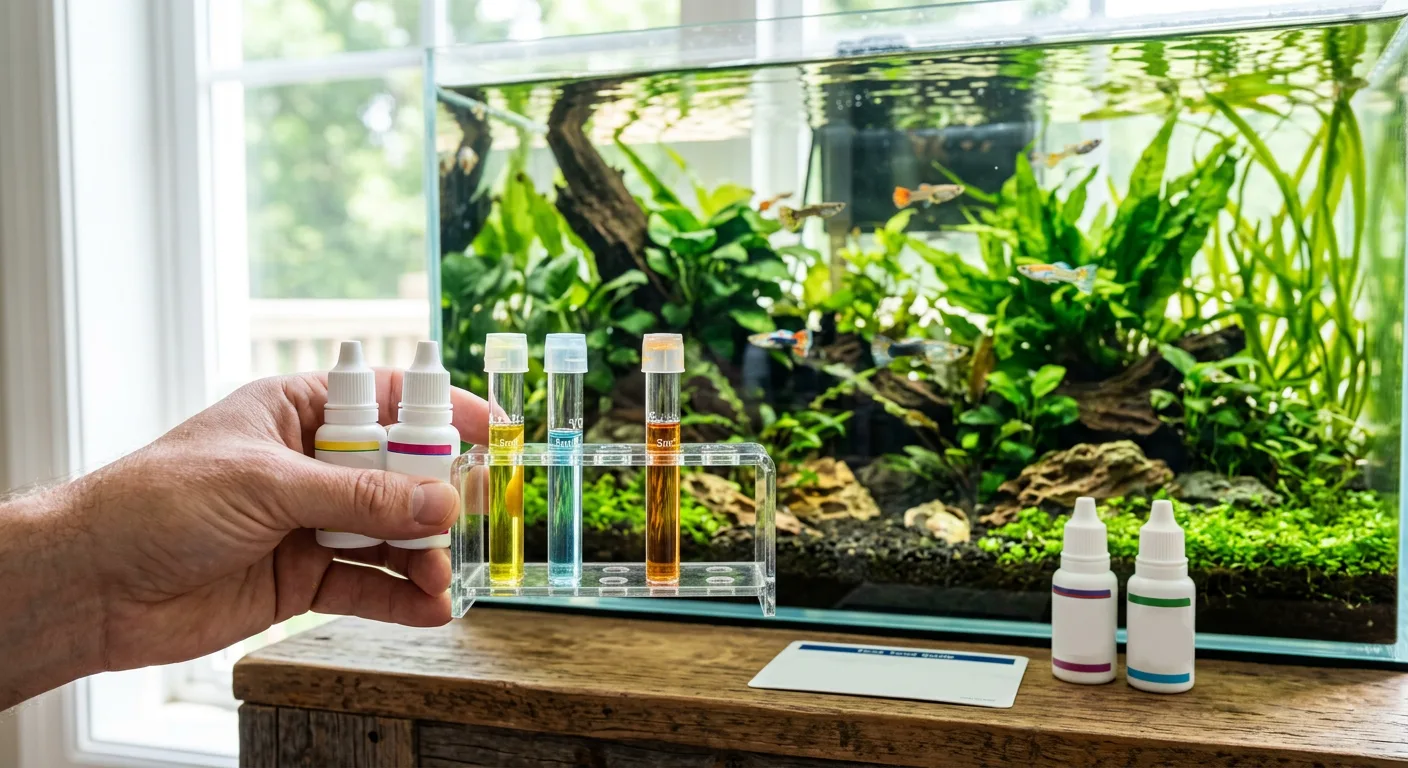
If the test shows ammonia or nitrite, do a partial water change with dechlorinated water that matches the tank temperature, and repeat it as needed until the readings drop. Do not clean the filter media with tap water, because that can wipe out the helpful bacteria. For target numbers, see the guppy water parameters guide.
Chlorine and other tap water issues
Untreated tap water can contain chlorine or chloramine, which burn gills. Always add a water conditioner. A guppy that starts shaking right after a water change is a hint that the new water was too cold, too different, or not treated.
Temperature stress and shivering
Guppies are tropical fish. A tank that runs too cold, or that swings up and down between day and night, can make them tremble and sit low in the water. Many keepers aim for a steady temperature in the mid-70s to low-80s Fahrenheit, and a steady number matters more than a perfect one.
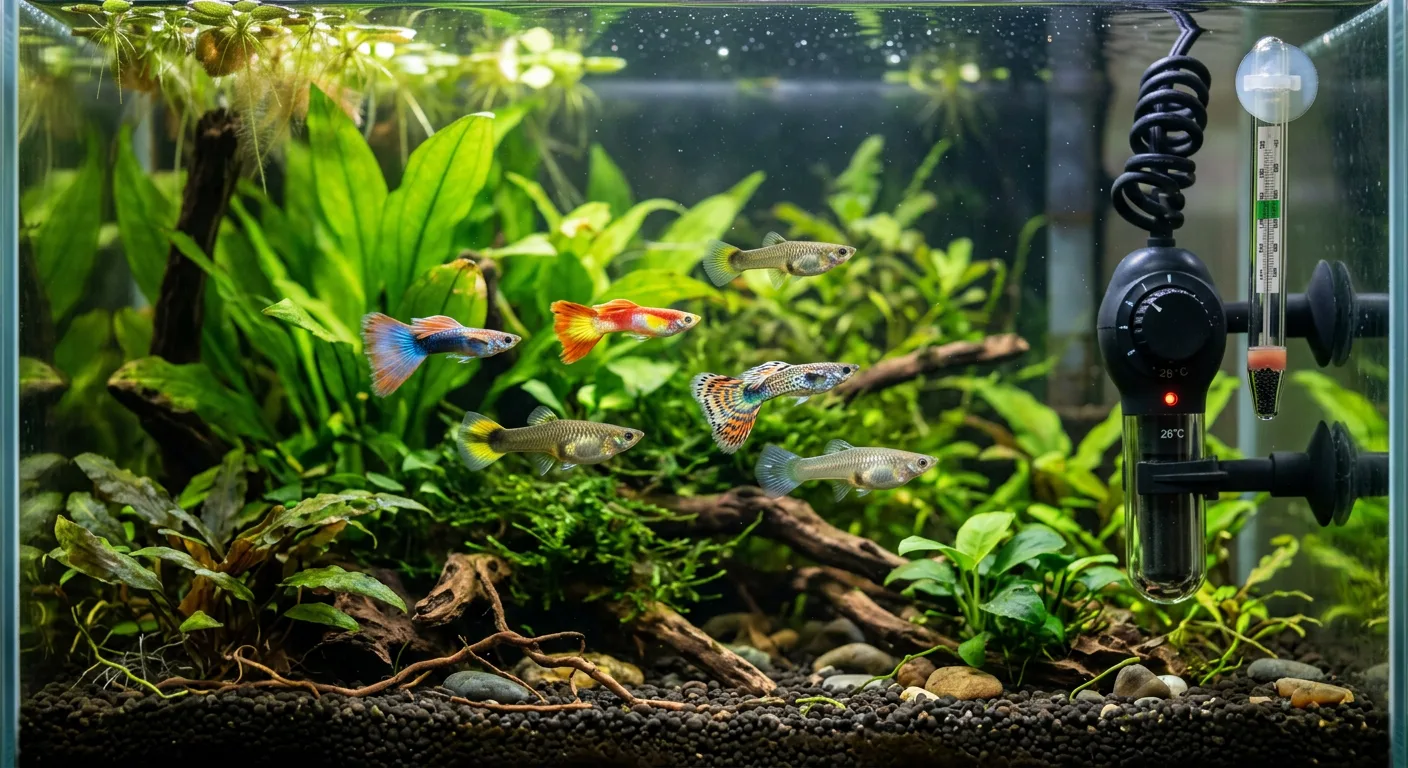
Put a thermometer in the tank and check it at different times of day. If the heater is struggling or the room gets cold at night, an adjustable heater can help. Our guppy temperature guide covers the range in more detail, and our post on whether guppies need a heater explains when you can skip one.
New fish, new tank and stress
Fresh arrivals often shake or tremble for a while. Moving to a new tank means new water, new light and new tank mates. This is common in the first hours after shipping. Dim the lights, keep the tank quiet, and avoid netting the fish again.
Acclimate slowly and keep the water stable. Our first week with new guppies page walks through what to expect, and a short quarantine keeps any illness from spreading to your other fish.
When shaking points to illness
Shaking by itself is rarely a diagnosis. Look for companion signs. White spots, rubbing against decor, torn fins, a swollen belly, or refusing food all suggest something more than stress. Fins held tight against the body are a common warning, covered in our post on guppy clamped fins.
If you suspect disease, move the fish to a separate container or hospital tank and keep the main tank water clean. Do not start medication blindly. First rule out water and temperature, because those are far more common than parasites.
What to do step by step
- Watch for a few minutes. Note whether the shaking is brief, linked to another guppy, or constant.
- Test ammonia, nitrite and nitrate. Fix any reading above zero for ammonia or nitrite first.
- Check the temperature. Make sure the heater works and the number is steady.
- Do a partial water change. Use dechlorinated water at a matching temperature.
- Look for other symptoms. Spots, rubbing or a swollen belly mean you should isolate the fish.
- Give it time. A stressed guppy often settles within a day once the cause is gone.
How to prevent a shaking guppy
Prevention is about stable conditions. Cycle the tank before adding fish, do regular small water changes, keep a heater and thermometer running, and avoid overstocking. Feed small portions so uneaten food does not foul the water.
Healthy fish from a reliable source also make a difference, since a strong starting group handles small changes better. If you want a healthy start, browse our premium guppy pairs. You can also read general background on the species at Wikipedia’s guppy page, then return to our complete guppy care resource for tank routines.
FAQ
Why is my guppy shaking but still eating?
A guppy that shakes but still eats is often showing a courtship shimmy or mild stress. Still eating is a good sign. Check the water and temperature anyway, and watch whether the shaking gets longer or starts to come with other symptoms.
Is a shaking guppy dying?
Not necessarily. Many causes are mild and fixable, such as a cold tank or a normal shimmy. It becomes serious when shaking comes with gasping, clamped fins, no appetite or lying on the bottom. Test the water right away if you see those signs.
Why is my pregnant guppy shaking?
A female close to giving birth may tremble or hide, which can be a sign of stress or labor. Provide plants for cover, keep the water clean and avoid moving her. If she has not delivered and seems weak for a long time, review water and temperature first.
Why is my guppy shaking after a water change?
Shaking after a water change usually points to a difference between old and new water, such as temperature, pH or untreated chlorine. Always use a conditioner and match the temperature. Smaller, more frequent changes are gentler than one big change.
Can I treat a shaking guppy with salt or medicine?
Do not add salt or medicine until you know the cause. Most shaking comes from water or temperature, and medication can add stress. Fix the basics first, then isolate the fish and look for symptoms if it does not improve.
Behind the care guides
Care begins with steady systems
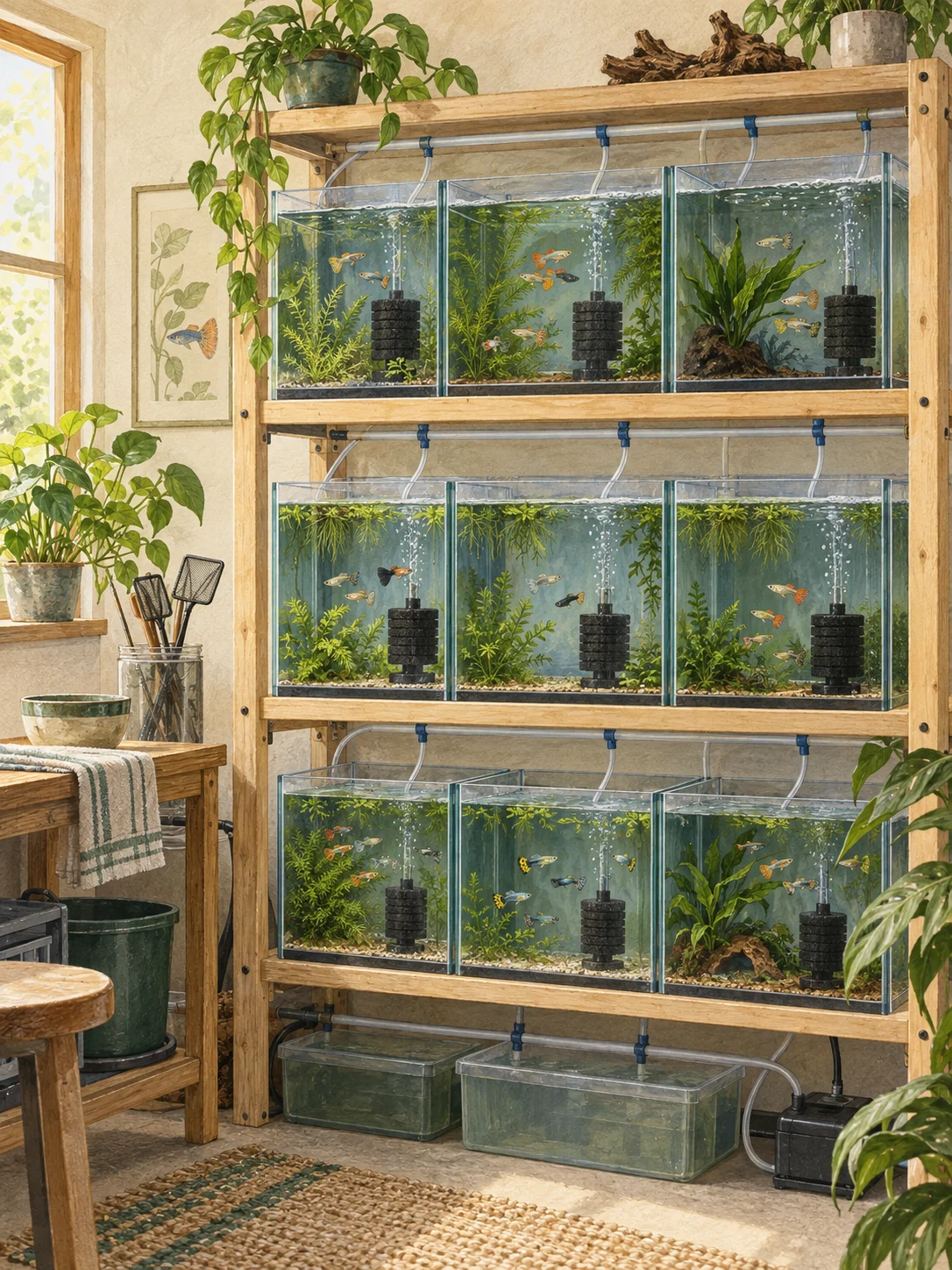
Our guppy guides focus on practical routines: keep water stable, observe fish closely and allow for natural variation.
Care systems
Steady water, thoughtful care
Gentle filtration and regular observation support healthy aquarium routines.

Natural variation
Every guppy is different
Color, size and fin shape vary with strain, age and each individual fish.
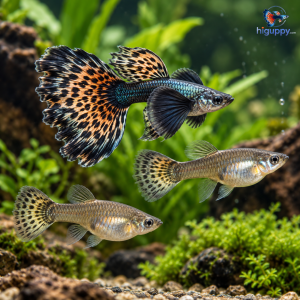
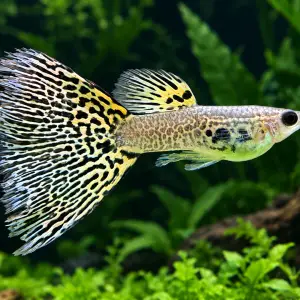
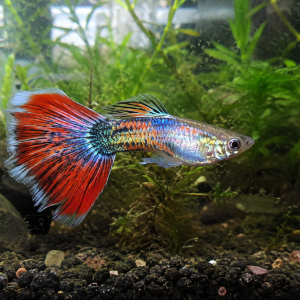
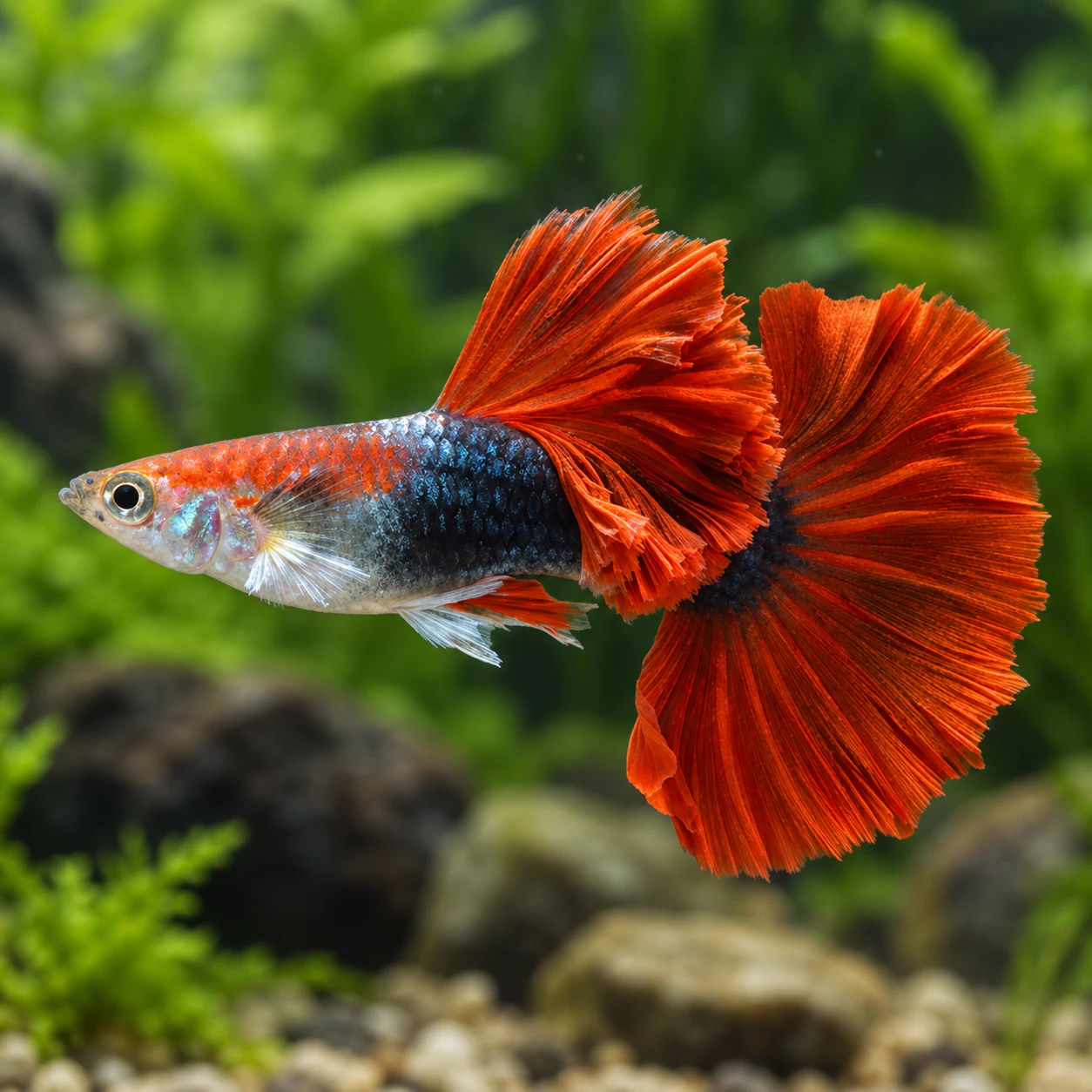
Editorial illustrations for context; they do not depict HiGuppy's exact facility or current fish stock.