The HiGuppy Journal
Why Are My Guppy Fry Disappearing? 7 Checks
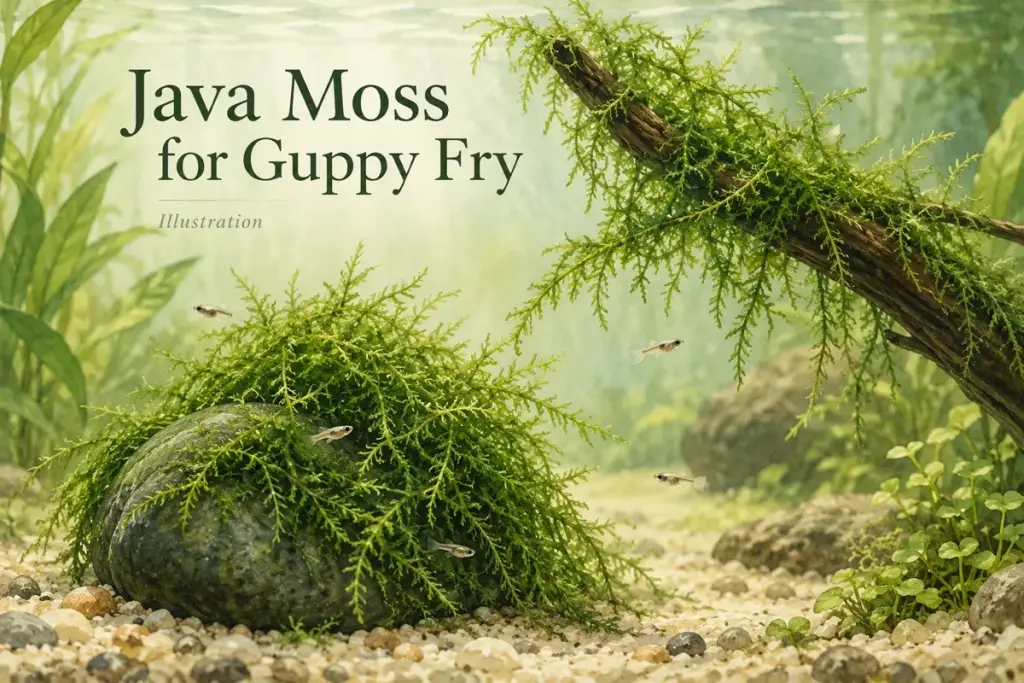
Guppy fry may appear to disappear because they are hiding in plants, being eaten by adult fish or tankmates, entering an unprotected filter intake, or dying unnoticed. Missing fish do not prove any one cause. First observe without disturbing the tank, check hiding places and filtration safely, test ammonia and nitrite, and compare counts at similar feeding times over several days.
You spotted a group of baby guppies yesterday, but now the aquarium looks empty. The key question is whether the fry are unseen, trapped, eaten or actually dead. Unlike a guide about confirmed fry deaths, this article starts with missing fish and a safe method for investigating, then explains what to adjust. A single visible count is rarely exact in a planted aquarium, so avoid blaming a particular fish or purchasing medication before you have evidence.
Start here: the six most useful clues
| Observation | Possible explanation | First sensible action |
|---|---|---|
| Fry emerge at feeding but disappear into moss | They may be hiding, not missing | Watch near floating roots and moss at a consistent time without rearranging plants |
| Fry disappear soon after birth with adults present | Adults or other fish may have eaten exposed newborns | Watch for predation and increase fry-safe refuge |
| A few fry vanish near a powerful unprotected filter | Intake suction or strong current may be involved | Inspect intake safely with power isolated and fit a suitable guard |
| The group becomes thinner or less active over several days | Feeding access or poor water may be involved | Observe eating, test ammonia/nitrite and temperature |
| Fry seem missing right after cleaning or transfer | They may be hiding in removed plants, a bucket or equipment | Inspect materials carefully without squeezing or chasing fish |
| Nobody saw the birth or knows how many fry were born | The starting count may be an estimate | Use a repeatable observation log instead of inferring a death rate |
These are possibilities, not proof. One tank can have more than one factor at once. For example, sparse cover may expose fry to adults, while excess food also worsens water quality.
A calm 10-minute search before changing the tank
- 1. Observe quietly. Watch the surface, the underside of floating plants and the edges of equipment without tapping the glass or chasing fish.
- 2. Offer a tiny fry-sized meal. Note whether little fish emerge from moss or roots. Remove uneaten food.
- 3. Inspect safe hiding spaces. Look around plant clumps, the sponge and corners with a gentle light. Do not pull all the plants out just to get an exact count.
- 4. Examine the filter safely. If there is an open intake, turn off or unplug the relevant motor before opening equipment, following the manufacturer’s instructions. Check gently for any live fry, then restore proper water flow.
- 5. Check water tests. Record ammonia, nitrite, temperature and nitrate trends, particularly if surviving fry gasp, rest oddly or refuse food.
- 6. Record the count and context. Note what you actually saw and recheck at the next similar feeding time before making large changes.
If you do find fry in a filter housing, gently transfer them into a safe established environment. Never dismantle an energized filter, run a pump dry, or leave biological media without circulation for a prolonged time. Fixing an intake hazard is better than repeatedly searching the same equipment after losses.
Reason 1: adult guppies or tankmates may eat fry
Guppies are livebearers, but adults do not reliably guard their newborns. An adult guppy of either sex may treat a tiny moving fry as food, and some community fish may opportunistically eat newborn guppies even when they are peaceful with adult fish. Predation is plausible when the visible fry count drops sharply after birth in a tank with few hiding places.
Research on hatchery guppies has documented cannibalism by adults. This supports predation as a real risk, but the absence of bodies does not identify the predator in your particular aquarium. A useful response is to provide dense plant refuge or a safe separate rearing system, not to punish adults or assume that one fish must be removed.
Our Do Guppies Eat Their Babies? guide covers the behavior in detail. Feeding adults appropriately is part of good care, but it cannot guarantee that every adult will ignore fry.
Reason 2: the babies are still in Java moss or floating roots
Tiny fry can shelter deep inside Java moss, under floating roots, along plant stems or beside filter sponges. They may only emerge when the aquarium is calm or a fine-sized meal is offered. An apparent disappearance therefore sometimes reflects limited visibility rather than an actual loss.
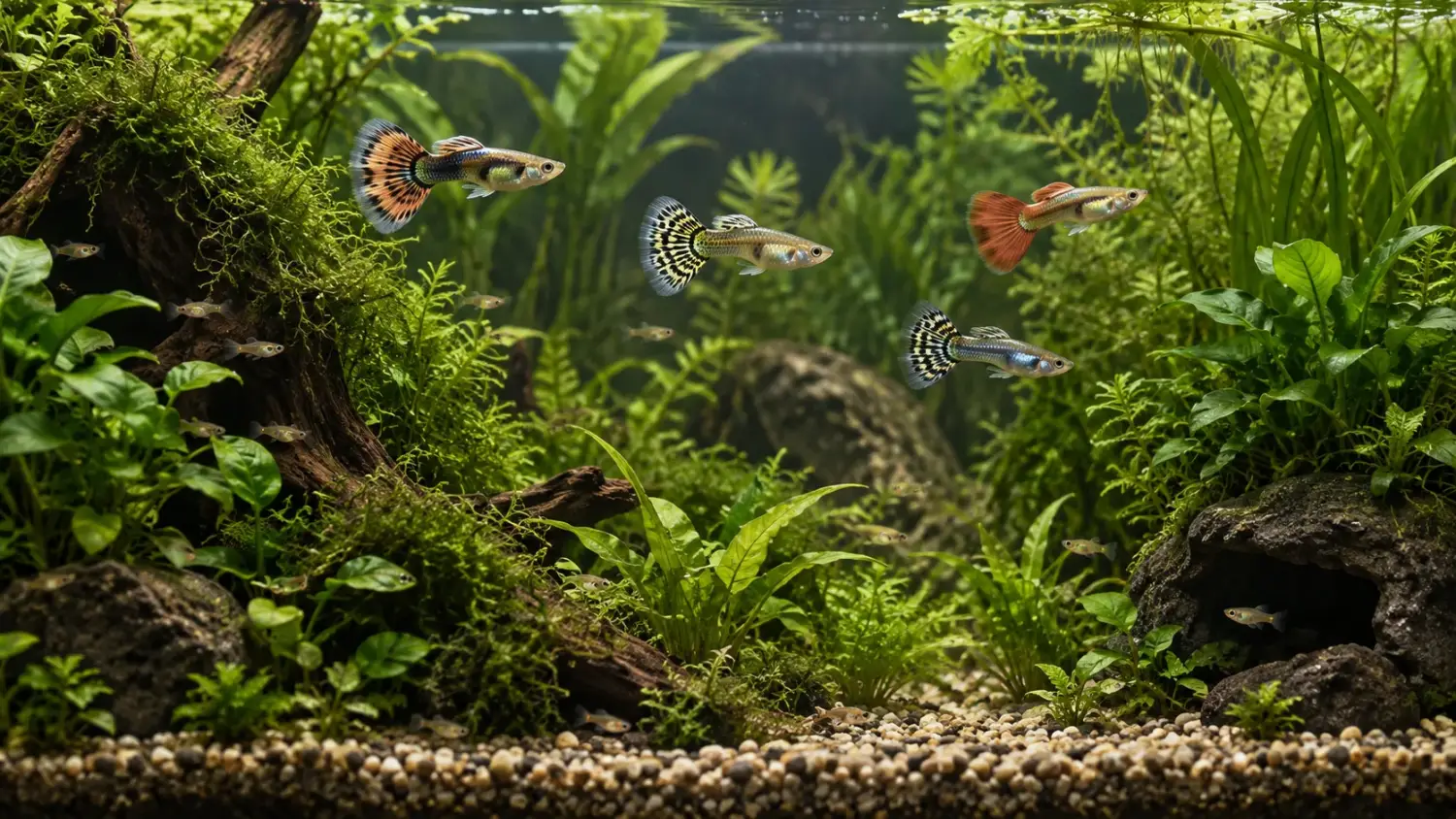
Rather than uprooting all moss, watch one small area at a time. Cover must still be maintained so decaying plants and trapped food do not build up. Our Java moss guide and floating plants guide explain how to keep useful cover while preserving a healthy aquarium.
Reason 3: fry may be trapped at a filter intake
Some hang-on-back, canister or internal pump intakes have openings that are harmless to adult fish but risky for newborns. Small fry can be pinned to an exposed intake or pulled into a chamber, and very strong flow can make it harder for them to remain in shelter. A filter being present does not prove it caused a disappearance; check the actual design and what happened.
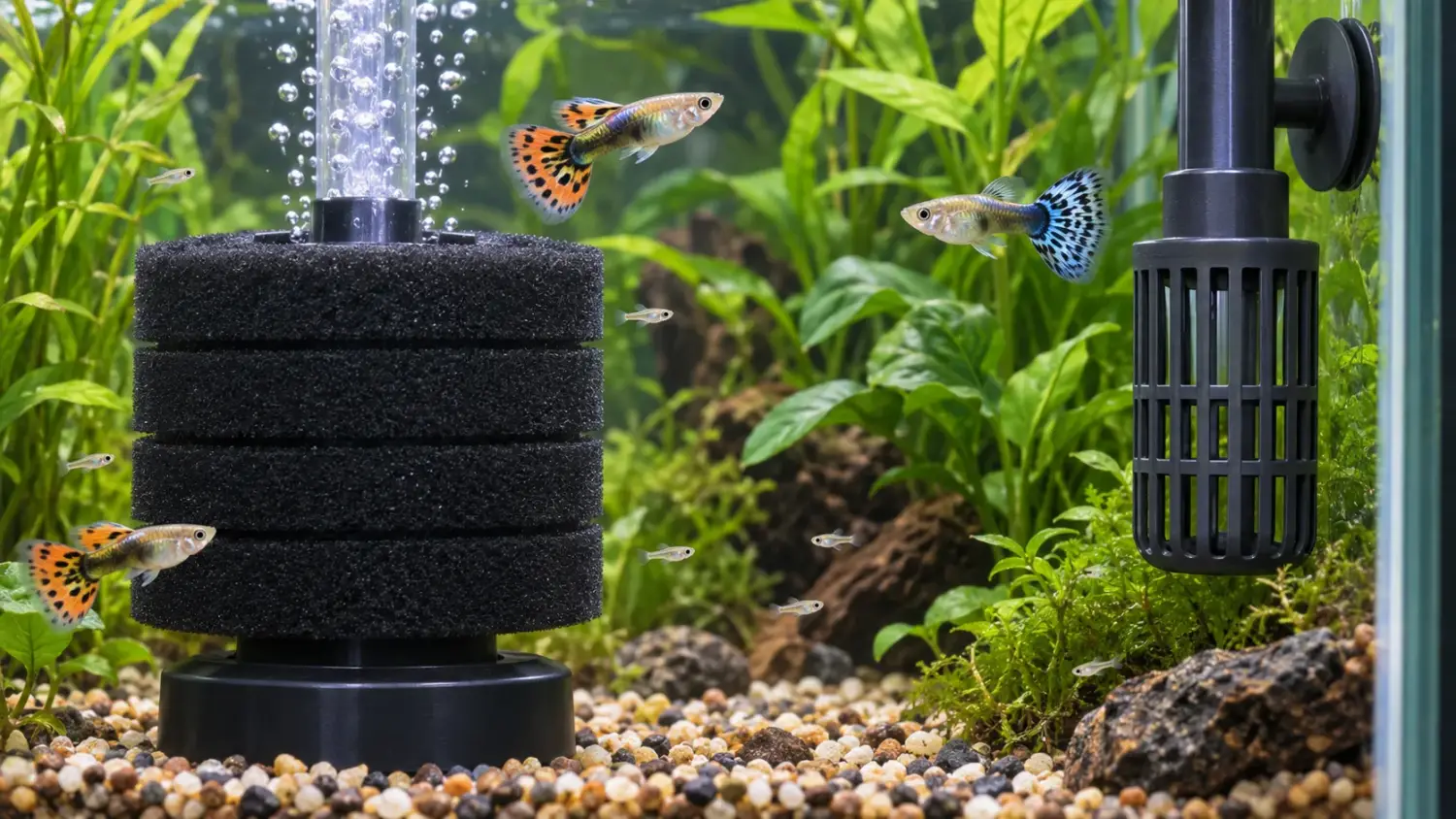
A mature sponge filter is often a practical option for fry because it provides gentle water movement and filtration without exposed suction slots. See Sponge Filters for Guppy Tanks for setup and cleaning. Before inspecting a powered pump, isolate the power safely and follow the manufacturer’s guidance. Do not leave a filter off for hours or block its flow completely.
Reason 4: water-quality problems can cause unseen deaths
A poor water environment can kill fry before you notice them missing. Check surviving fish for unusual breathing, listlessness, clamped fins or difficulty swimming. Those signs may indicate an urgent husbandry or health problem, but they are not a diagnosis of any specific disease.
| Water or equipment check | Expected condition | If it is not right |
|---|---|---|
| Ammonia | 0 ppm in a mature, cycled tank | Check filter and waste, make suitable treated and temperature-matched partial changes |
| Nitrite | 0 ppm | Investigate biological filtration and take corrective water-quality action |
| Temperature | Stable and suitable for guppies, often around 24–26°C | Check heater, thermometer and sudden changes |
| Nitrate | Low enough for the stocking and tap-water baseline | Track trends and adjust food/water-change routine |
| Aeration and flow | Normal swimming and breathing, not constant exhaustion | Assess surface movement and filter performance without creating excessive current |
In a cycled aquarium, changes should be matched to the problem rather than blindly changing large volumes of mismatched water. See Why Are My Guppy Fry Dying? for the health-focused pathway. That guide covers observed losses; here the key step is to establish whether there truly was a loss at all.
Reason 5: newborns may not be getting appropriate food
Fry can lose out when adults eat all the food before tiny fish reach it. Offer finely crushed high-quality flakes, a suitable fry food or freshly hatched baby brine shrimp when appropriate. Use several small feedings rather than one huge amount, and confirm the smallest fry can actually swallow the food. Remove leftovers because accumulating waste makes water quality worse.
The fry feeding schedule covers portions and changes with age. Feeding more adult-sized flakes is not a reliable way to rescue small fry that cannot compete or eat them.
Reason 6: cleaning and transfers may displace small fry
Fry can hide in trimmed moss, a siphon tube, filter media or a temporary collection bucket during cleaning. If the visible count changes right after a water change or plant-trimming session, inspect materials gently before disposing of them. Sudden temperature and water-chemistry differences can also stress newly transferred fish.
- Before siphoning: use a controlled small siphon and check that fry are not drawn into the tube.
- While trimming moss: inspect the clump for tiny fish without squeezing it.
- Before moving fry: prepare a mature receiving tank with suitable water conditions.
- After maintenance: verify that the filter is operating normally and no fish are trapped.
If you need a separate system, use the grow-out tank setup guide and gentle fry water-change guide. A freshly filled uncycled bowl can be more dangerous than an established aquarium.
Reason 7: you never had an exact starting count
If you did not see the entire birth, you may not know how many fry the female produced. Some newborns may have stayed hidden from the first moment, while others may already have been lost. A count like “around twenty” should be recorded as an estimate, not a precise baseline for survival percentages.
Try counting only visible fry at a similar feeding time and note where the fish usually appear. Avoid chasing and netting every fry to force an exact census. Repeated observations are more useful than one stressful search.
Seven-day observation log for fry you cannot find
| When | Record | Why it helps |
|---|---|---|
| First observed birth | Date, approximate visible count, adult tankmates, filter type, shelter | Documents baseline as an estimate |
| First feeding | Number seen, food size, plant hiding zones | Can reveal fry that were simply concealed |
| Next morning | Visible count, observed predation, any fish safely located in accessible filter spaces | Helps choose what to investigate first |
| Days 2–3 | Ammonia, nitrite, temperature, feeding, behavior | Connects gradual losses with husbandry conditions |
| Days 4–7 | Visible sizes, growth, stocking and filter-flow changes | Supports better long-term planning |
A log cannot prove exactly where an unseen fish went, but it reduces guessing. If visible numbers rebound during feeding, a visibility problem was likely part of the story. If numbers fall alongside bad water readings or abnormal breathing, focus on water and welfare.
What to improve first for future broods
- Make the intake fry-safe: protect openings or use a mature sponge filter that meets the tank’s needs.
- Add maintainable cover: moss, fine-leaved plants or floating roots, while leaving access for feeding and cleaning.
- Offer tiny appropriate foods: verify fry can swallow and compete for them.
- Maintain consistent water: test ammonia, nitrite and temperature instead of relying on a blind schedule.
- Separate responsibly: use an established grow-out tank if you wish to save more fry, not an uncycled temporary bowl.
- Plan adult capacity: guppies reproduce readily and saved juveniles need space and appropriate homes.
No community tank arrangement can promise 100% survival. If your aim is to raise many fry, invest in a separate mature system. Avoid overcrowding or buying more breeders before you can care for the offspring.
When to seek help instead of continuing to count
If surviving fry are persistently gasping, unable to swim normally, dying in groups or showing obvious injury, treat this as a potential water or health problem. Check conditions promptly and seek appropriate aquatic-animal health guidance for serious signs. Do not start broad medication merely because fish are missing and you cannot find a body.
For general longer-term care, see Raising Guppy Fry, and for an evidence-focused discussion of adults eating young see Guppies Eating Their Babies.
Frequently asked questions
Can guppy fry hide for days?
Yes. Fry can be hard to see in moss, roots, and other shelter, especially when small or disturbed. Observe quietly during feeding rather than dismantling the tank.
Do adult guppies eat their own babies?
They can. Adults may opportunistically eat newborn fry, but a missing count without observing predation does not prove which fish ate them.
Can guppy fry be sucked into a filter?
Yes, an exposed intake may trap fry. Mature sponge filters and appropriate intake guards reduce risk. Disconnect power before safely opening equipment.
Why did all my guppy fry disappear overnight?
Possible causes include hiding, predation, unsafe filtration, actual losses or an inaccurate first count. Check calmly, inspect equipment and test water before concluding all died.
Should I put missing fry into a breeder box?
Only if they are found and you have a suitable short-term plan. Small boxes have limitations; an established fry-safe grow-out tank is generally better for long-term raising.
How can I count baby guppies in a planted tank?
Use repeatable visible counts at the same feeding time, observe several hiding zones, and record that the total is approximate. Avoid chasing or moving every fry.
What if surviving fry are sick while others disappear?
Test ammonia, nitrite, temperature, filter operation and feeding. Address measurable water problems and seek appropriate fish-health guidance for severe ongoing signs.
Sources and further reading
For guppy shelter and fry-safe filtration, see Aquarium Co-Op’s guppy care guide. For general guppy water quality and fish care, see OATA: How to Look After Guppies and Mollies. For peer-reviewed context on adult cannibalism see Barki and colleagues, Aquaculture Research, DOI: 10.1111/are.12129. These sources establish general risks, not the cause of any individual missing brood. Related HiGuppy guidance: confirmed fry losses and adult predation.
Behind the care guides
Care begins with steady systems
Our guppy guides focus on practical routines: keep water stable, observe fish closely and allow for natural variation.

Care systems
Steady water, thoughtful care
Gentle filtration and regular observation support healthy aquarium routines.

Natural variation
Every guppy is different
Color, size and fin shape vary with strain, age and each individual fish.
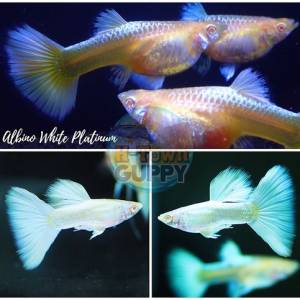
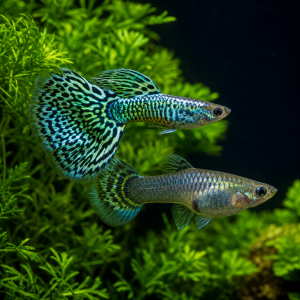
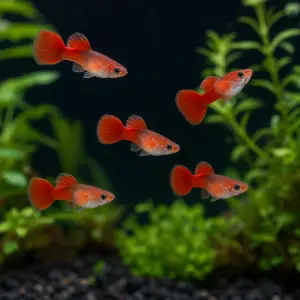
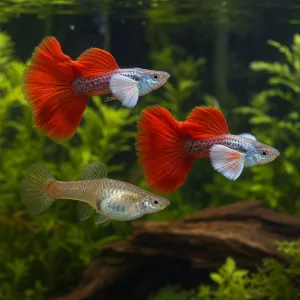
Editorial illustrations for context; they do not depict HiGuppy's exact facility or current fish stock.