Guppy Care Article
Skinny Guppy: Why Your Guppy Looks Thin & What to Check
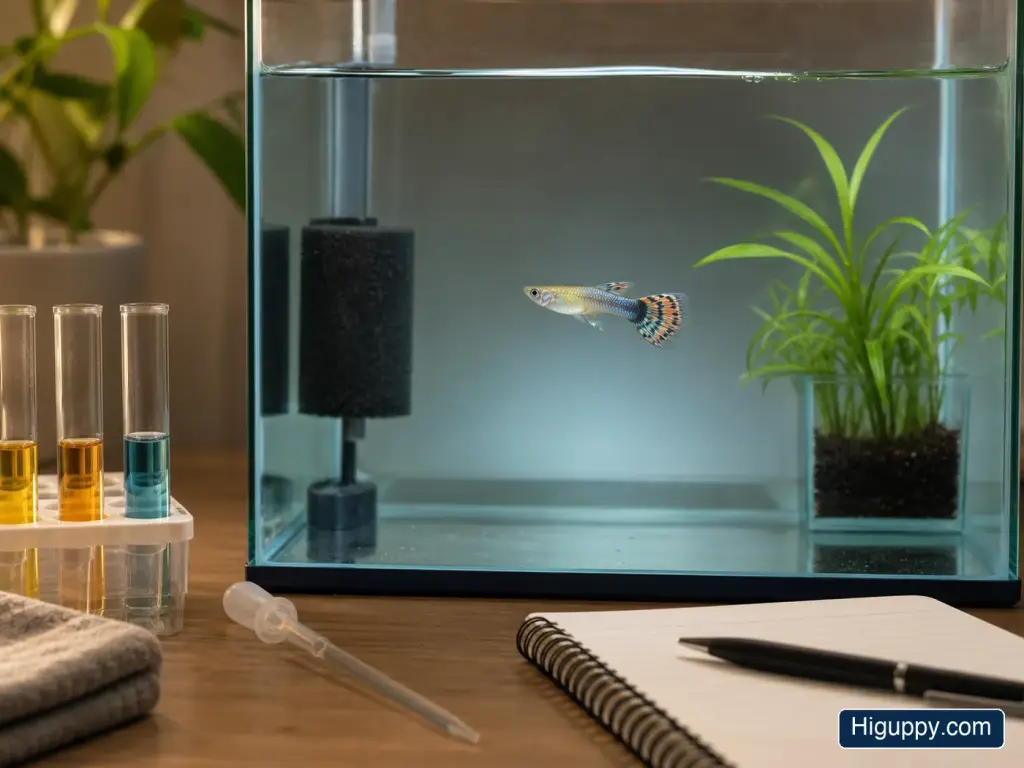
A skinny guppy is a symptom, not a diagnosis. Some fish are simply smaller or naturally leaner, but a guppy that is getting thinner over days or weeks deserves a closer look. The useful clues are appetite, access to food, feces, breathing, swimming, social pressure, and whether other fish in the tank are losing condition too.
This guide focuses on a calm, evidence-based troubleshooting order: rule out husbandry problems first, then look for disease patterns that justify isolation or professional diagnosis.
Quick Answer
If your guppy looks thin, first watch it eat. Then test water, check whether tank mates block it from food, compare its body shape with older photos, and look for additional signs such as a sunken belly, white/stringy feces, rapid breathing, clamped fins, ulcers, or visible worms. Internal parasites are one possible cause of weight loss, but they are not the only cause.
When Is a Guppy “Too Skinny”?
Body shape varies by sex, age, strain, pregnancy history, and genetics. A better warning sign than one snapshot is progressive loss of body condition: the belly becomes noticeably hollow, the back looks sharper, the head seems proportionally large, or the fish keeps eating but continues to lose mass.
Compare the fish with its own previous appearance rather than only with another guppy. A healthy male may naturally look slimmer than a mature female.
Common Reasons a Guppy Gets Thin
1. It is not getting enough food
In a busy community tank, a timid or weakened guppy may reach the food too late. Watch one full feeding from the side of the aquarium. Confirm that the fish actually swallows food rather than approaching and backing away.
If appetite is poor, use our guppy not eating guide. If the fish eats but remains thin, continue down the checklist instead of simply adding more food.
2. Bullying or competition
A guppy that is chased away from the feeding zone can gradually lose condition. Look for hiding, torn fins, repeated pursuit, or one fish staying at the edge of the group. See guppy bullying signs for stocking and separation options.
3. Stress after shipping or a major tank change
New arrivals may eat lightly while they settle. Short-term appetite reduction is not automatically disease, but continued weight loss should not be ignored. Keep water stable and follow the HiGuppy acclimation guide and quarantine guide for new fish.
4. Poor water quality or temperature instability
Ammonia, nitrite, low oxygen, and abrupt temperature changes can suppress appetite and increase stress. Test the tank before assuming parasites. Our guppy water parameters guide explains what to monitor, while the temperature guide covers stability.
5. Internal parasites or other disease
Some intestinal parasites and other internal diseases can cause wasting, poor growth, or weight loss. The pattern matters. Red thread-like worms protruding from the vent, persistent wasting despite eating, abnormal feces, or multiple affected fish make a disease investigation more important.
Do not diagnose parasites from thinness alone. Read Internal Parasites in Guppies and Guppy White Stringy Poop for the differences between symptoms and a more specific parasite pattern.
6. Chronic illness, injury, aging, or poor genetics
Long-term disease, mouth injury, deformity, repeated pregnancies, advanced age, or weak genetics can also reduce body condition. If the fish is deteriorating despite good water and reliable feeding, isolate it for observation and consider an aquatic veterinarian or experienced fish-health professional.
Skinny Guppy Troubleshooting Table
| What you see | More likely direction | Next check |
|---|---|---|
| Thin but active, rushes to food | Competition, ration, chronic issue | Confirm intake; watch body condition over time |
| Thin and not eating | Stress, water problem, illness | Water test, breathing, fins, lesions |
| Thin despite eating well | Parasites or chronic internal disease possible | Feces, vent, isolate, seek diagnosis |
| Thin with fast breathing | Water/oxygen/gill issue possible | Ammonia, nitrite, aeration, gills |
| Only one fish is thin and chased | Social competition | Observe feeding and bullying |
| Several fish are losing weight | Shared husbandry or infectious cause | Water, diet, quarantine history |
What to Do First: 6-Step Checklist
- Test the water. Check ammonia and nitrite first, then review temperature and recent maintenance.
- Watch a full feeding. Verify that the thin guppy gets food and can swallow it.
- Check social pressure. Look for chasing, fin damage, hiding, or one fish monopolizing food.
- Inspect the whole fish. Note belly shape, feces, vent, skin, fins, eyes, breathing, and swimming.
- Compare over time. A daily photo from the side can make gradual weight loss easier to recognize.
- Isolate when warranted. If the fish is weak, being attacked, or shows concerning disease signs, use a simple hospital tank for observation.
Should You Feed a Skinny Guppy More?
Only if food intake is actually the problem. Repeatedly adding extra food can worsen water quality and does not treat parasites or chronic disease. Offer small, high-quality meals the fish can finish, and use a diet appropriate for guppies. See Best Food for Guppies and How Often to Feed Guppies.
When to Treat the Situation as Urgent
Act more quickly when weight loss is combined with severe lethargy, inability to eat, rapid breathing, raised scales, ulcers, major fin damage, loss of balance, or several fish declining together. Start with water quality and isolation rather than adding multiple medications at once.
The Guppy Diseases Guide can help you compare symptom clusters.
FAQ
Can a skinny guppy recover?
Yes, depending on the cause and how early it is corrected. A fish that is active, eating, and only mildly underconditioned generally has a better outlook than one that is severely wasted and weak.
Does a skinny guppy always have parasites?
No. Missed food, bullying, water problems, shipping stress, chronic disease, injury, age, and genetics can all contribute to a thin appearance.
Should I separate a skinny guppy?
Separate it when it is being bullied, cannot compete for food, is very weak, or shows signs that may indicate contagious disease. A hospital tank makes feeding and observation easier.
Why is my guppy skinny but still eating?
First confirm that it is actually consuming enough food. If it is eating normally yet continues to lose condition, parasites or another chronic health problem become more important possibilities and a more specific diagnosis is useful.
Reference
Merck Veterinary Manual notes that aquarium-fish weight loss can occur with several parasitic conditions and that diagnosis relies on the overall clinical picture rather than one symptom alone: Parasitic Diseases of Fish.
For broader husbandry, start with the Complete Guppy Care Guide. If you are adding new fish, review current HiGuppy guppies only after the aquarium and quarantine plan are ready.
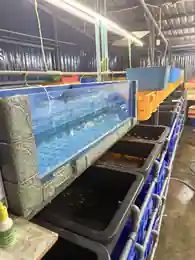
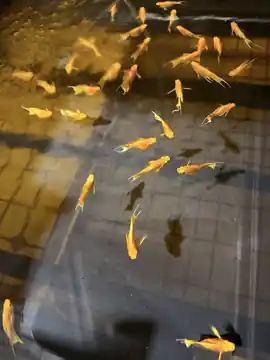
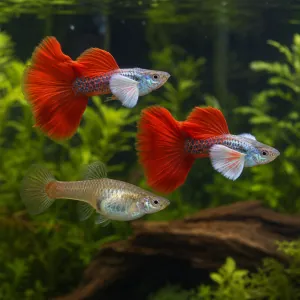
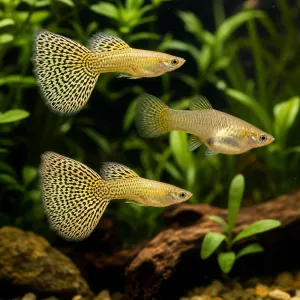
Real HiGuppy photographs
Inside the facility behind our guppy guides
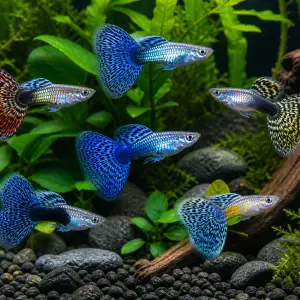
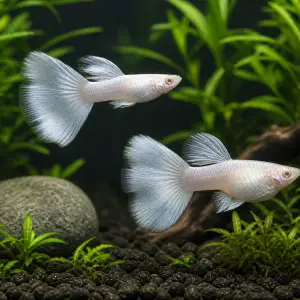
These photographs show real HiGuppy holding, breeding and observation work. They document our facility and fish stock; they are not presented as the exact individual fish or strain discussed on every page.