The HiGuppy Journal
Best Tank Setup for Guppies: Filter, Plants, Heater & More
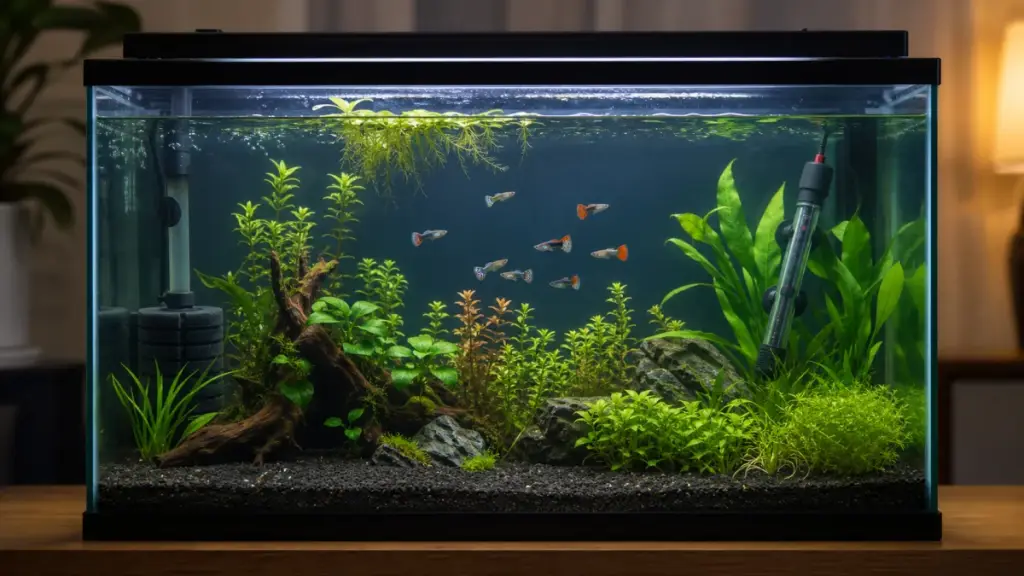
Quick answer: The best tank setup for guppies starts with a properly cycled, filtered aquarium of at least about 45 L (12 US gallons), following OATA’s general reference; many beginners find a 20 US gallon tank easier to maintain. Use a sponge or hang-on-back filter, a heater, suitable plants and gentle lighting, with partial water changes guided by testing. Stable temperature around 74–78°F (23–26°C) and zero ammonia/nitrite matter more than decorative extras.
Guppies are adaptable, but the tank around them should not be an afterthought. The best tank setup for guppies reduces stress, makes maintenance easier, and gives you room to grow as a keeper. Whether this is your first aquarium or a dedicated breeding tank, the same principles apply: filtration, heat stability, hiding places, and realistic stocking.
For daily care basics, start with How to Care for Guppies. For water targets, use our Guppy Water Parameters Guide. If you are working with a 10-gallon tank specifically, see How Many Guppies in a 10 Gallon Tank.
The Best Tank Setup for Guppies: Checklist
- For a small group, about 45 L (12 US gal) or more under OATA general guidance; 20 US gallons offers more room for many beginners
- Filter rated for tank volume or slightly above
- Adjustable heater with separate thermometer
- Dechlorinator and liquid test kit
- Substrate optional; bare bottom works for quarantine
- Live plants or soft decorations for cover
- Net, bucket, and siphon for water changes
Choosing the Right Tank Size
Tank size is the biggest decision in the best tank setup for guppies: for a small guppy group, OATA recommends an aquarium of at least 45 L (about 12 US gallons); 10 US gallons is about 38 L and falls below that reference. Appropriate capacity also depends on adult fish size and number, sexes, tank footprint, mature filtration, breeding and fry. A 20 US gallon tank is more forgiving because water parameters change more slowly. More volume means fewer emergency spikes when feeding increases, fry appear, or maintenance slips by a day.
| Tank Size | Best Use | Notes |
|---|---|---|
| About 12 US gal (45 L) or larger | Small group with a mature filter | OATA general starting reference; match the actual fish number, footprint, filtration and expected fry. |
| 20 gallon | Mixed group or beginner display | Strong balance of space and maintenance. |
| 29-40 gallon | Breeding colony or community | Room for plants, fry cover, and tank mates. |
Filtration for Guppy Tanks
Filtration anchors the best tank setup for guppies: guppies do not need extreme flow. Hang-on-back filters are popular because they provide mechanical and biological filtration with easy maintenance. Sponge filters are excellent for fry tanks, quarantine setups, and breeding boxes because they are gentle and fry-safe.
Whatever filter you choose, never replace all biological media at once. Rinse sponges in removed tank water during maintenance. A clogged prefilter can reduce flow and waste processing capacity, so check intake sponges regularly.
Heater and Temperature Stability
Heat stability is essential to the best tank setup for guppies: most US homes benefit from a heater set around 74-78°F. Place the heater near flow but not in a dead zone. Use a separate thermometer to verify the heater display. Keep the tank away from windows, AC vents, and doors that cause rapid temperature swings.
Warning: Sudden temperature drops after water changes are a common stress trigger. Match replacement water temperature to tank water before adding it.
Substrate, Plants, and Decor
Substrate is optional in the best tank setup for guppies. Gravel or sand works well in display tanks. Bare-bottom tanks are easier to clean in quarantine or fry grow-outs. Live plants such as guppy grass, java moss, anacharis, and hornwort provide cover and help with nitrate uptake.
Avoid sharp decor that can tear flowing fins on fancy males. Break up open swimming space with plants so females can escape constant male attention in mixed tanks.
Lighting and Daily Routine
Moderate lighting 8-10 hours per day is enough for the best tank setup for guppies. If you use live plants, match light intensity to plant needs. For newly shipped fish, dim lighting for the first day reduces stress while they settle.
The best tank setup for guppies stays stable through a simple weekly routine: test water, change 20-30% if nitrate trends up, rinse mechanical media lightly, and observe fish behavior. Consistency beats occasional deep cleaning marathons.
Frequently Asked Questions
Do guppies need an air pump?
Not always if surface agitation from the filter is adequate. Extra aeration helps during heat waves, heavy stocking, or when treating fish in quarantine.
Is sand or gravel better for guppies?
Both work. Choose based on plant goals and cleaning preference. Fine sand can compact if not maintained; gravel is easier to vacuum.
Can I keep guppies without plants?
Yes, but plants improve cover, reduce stress, and help water quality. Even a few easy stems make a difference.
What filter flow is too strong?
If long-finned males struggle to swim or constantly hide from current, reduce flow with a sponge prefilter or baffle outlet.
How long should I cycle before adding guppies?
A cycled tank has an established biological filter that can process the expected waste load, with ammonia and nitrite consistently returning to zero after an ammonia source. A single zero reading in freshly filled water does not prove cycling, and nitrate presence alone is not a pass test. Verify through repeated tests, add fish gradually and continue monitoring after stocking.
Should I use a lid?
A lid reduces evaporation and jump risk. Guppies occasionally jump, especially when stressed or startled.
Is a sponge filter enough for a display tank?
For lightly stocked tanks, yes. Heavily stocked or planted display tanks often benefit from hang-on-back or canister filtration as well.
Can I put guppies in a new tank immediately?
Only if the tank is fully cycled. Otherwise fish waste will spike ammonia and nitrite to dangerous levels.
What is the best tank setup for guppies for a beginner?
A cycled 20-gallon tank with a gentle filter, heater, and live plants is the best tank setup for guppies; the larger volume stays stable while you learn.
Need healthy guppies for your new setup? Browse the HiGuppy shop and review our Guppy Care Guide before ordering.
For the step-by-step readiness pathway, continue to the Guppy Tank Setup Guide.
Behind the care guides
Care begins with steady systems
Our guppy guides focus on practical routines: keep water stable, observe fish closely and allow for natural variation.
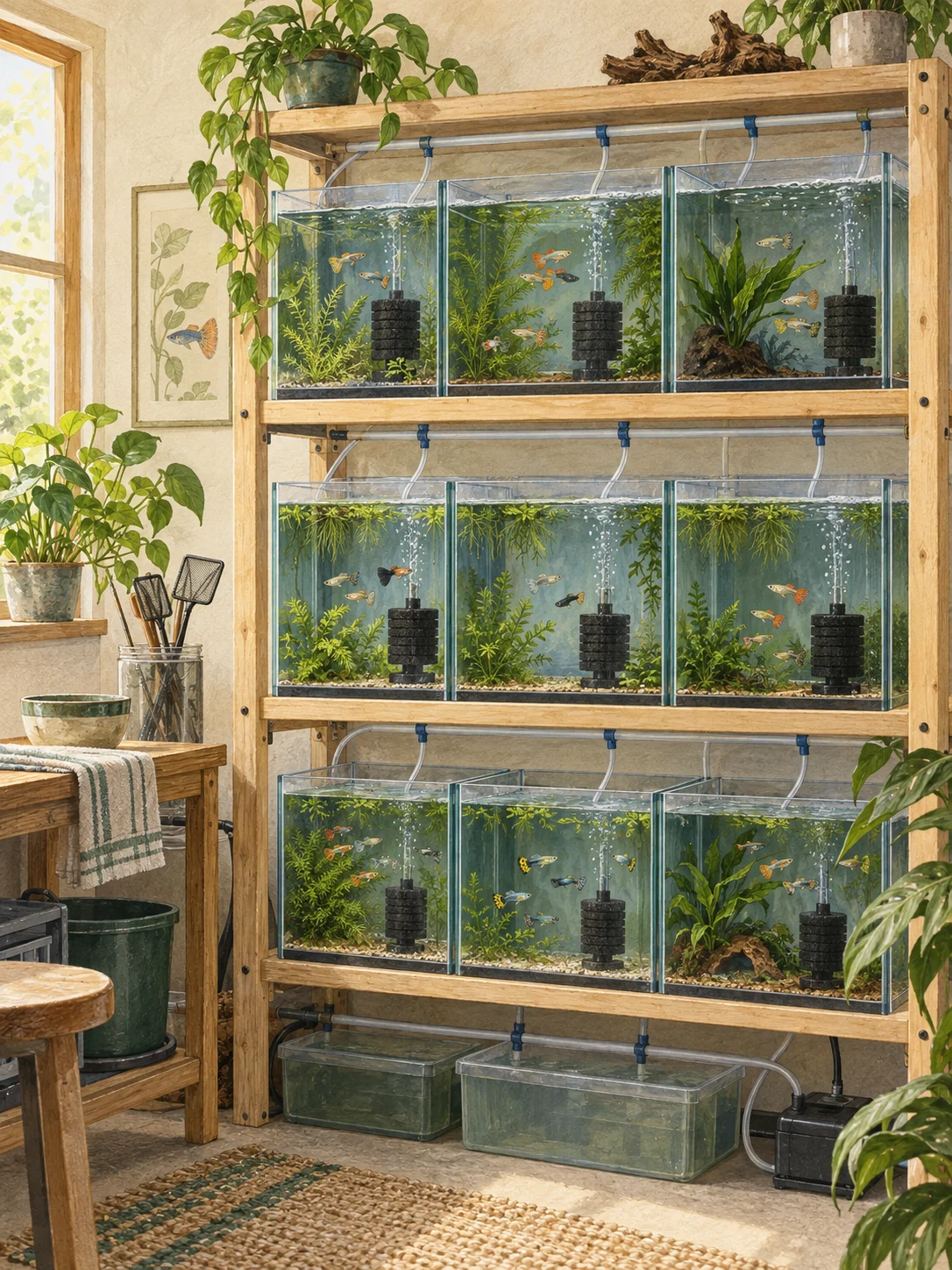
Care systems
Steady water, thoughtful care
Gentle filtration and regular observation support healthy aquarium routines.
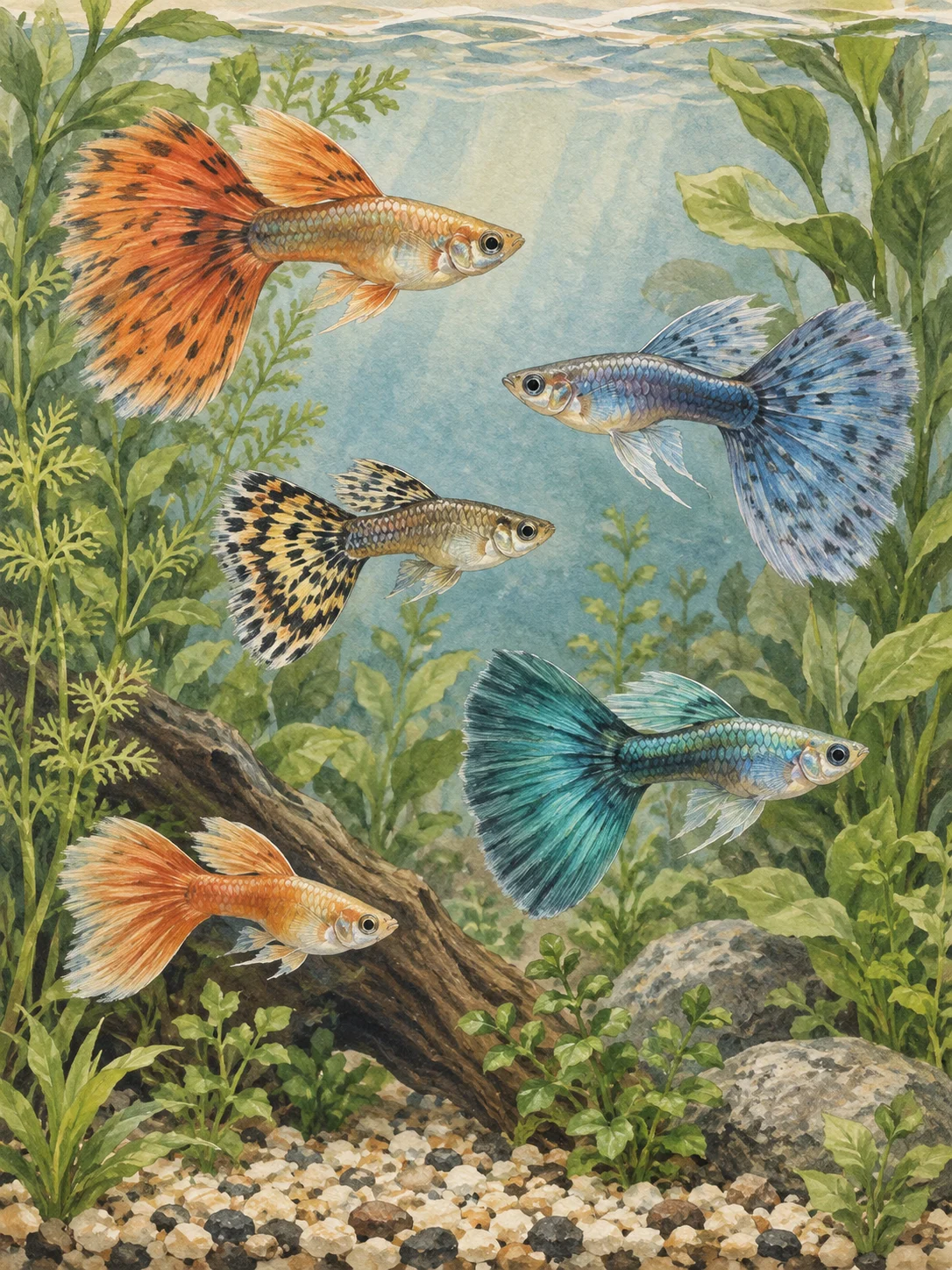
Natural variation
Every guppy is different
Color, size and fin shape vary with strain, age and each individual fish.
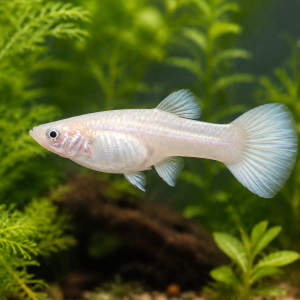
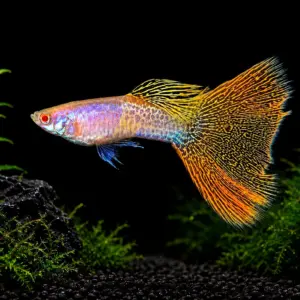
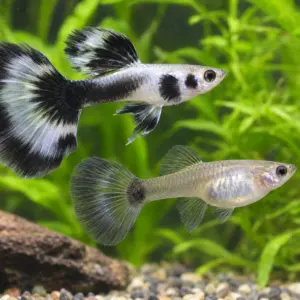
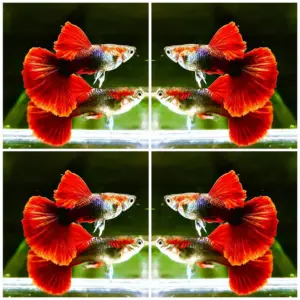
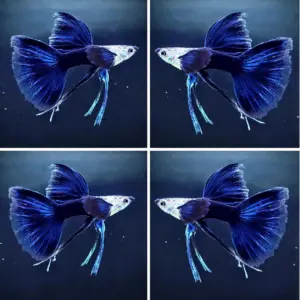
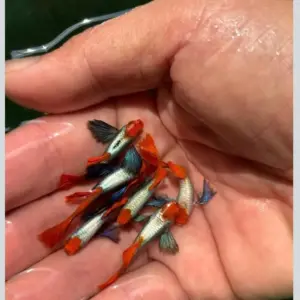
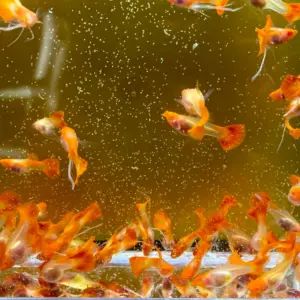
Editorial illustrations for context; they do not depict HiGuppy's exact facility or current fish stock.