The HiGuppy Journal
How to Choose Healthy Guppy Fish: Online & In-Store Tips

Quick answer: How to choose healthy guppy fish: look beyond color, whether you are buying online or in a store. Review recent photos or video of the actual fish—or confirm when images are representative—and look for balanced swimming, open fins, clear eyes and steady breathing. Ask about the group’s condition, diet, water readings, observation process, strain and sex, shipping plan, and written arrival terms. Photos help screen a listing, but they cannot guarantee a fish’s health.
Guppies are often chosen for their color and tail patterns, but appearance alone does not tell you how a fish is behaving or what conditions it has been kept in. A useful buying decision combines several clues: the fish’s movement and body condition, what can be seen in its tank or current images, the seller’s answers, and your own plan for receiving new fish.
This guide covers both online and in-store checks. For a broader buying workflow, read 10 Tips for Buying Guppies. If you plan to buy from HiGuppy, review our shipping policy, live-arrival terms, and fish-quality information before checkout.
How to Choose Healthy Guppy Fish: First Checks
Look for a pattern over time rather than judging one frozen moment. A guppy that swims with control, holds its position without struggling, and behaves similarly to its healthy tankmates is generally a more reassuring sight than a fish that repeatedly loses balance, stays isolated, or appears unable to swim normally.
Check swimming, breathing, and response
- Swimming: Movement should look coordinated. Notice whether the fish can turn and hold its place in the water without repeated rolling, sinking, or uncontrolled darting.
- Breathing: Watch for steady gill movement. Repeated surface gasping or unusually rapid breathing is a reason to ask more questions about the fish and its system.
- Response: If the seller can show feeding, ask whether the fish has been eating normally. One feeding moment is useful context, but it is not a health test by itself.
Look at fins, eyes, scales, and body condition
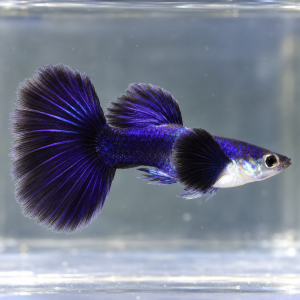
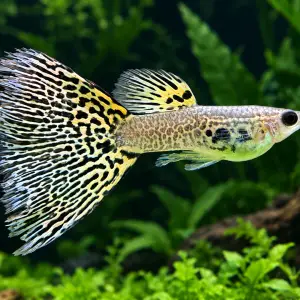
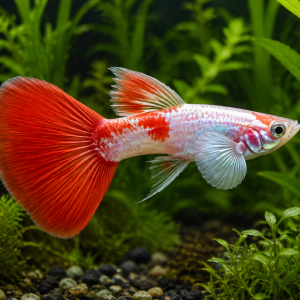
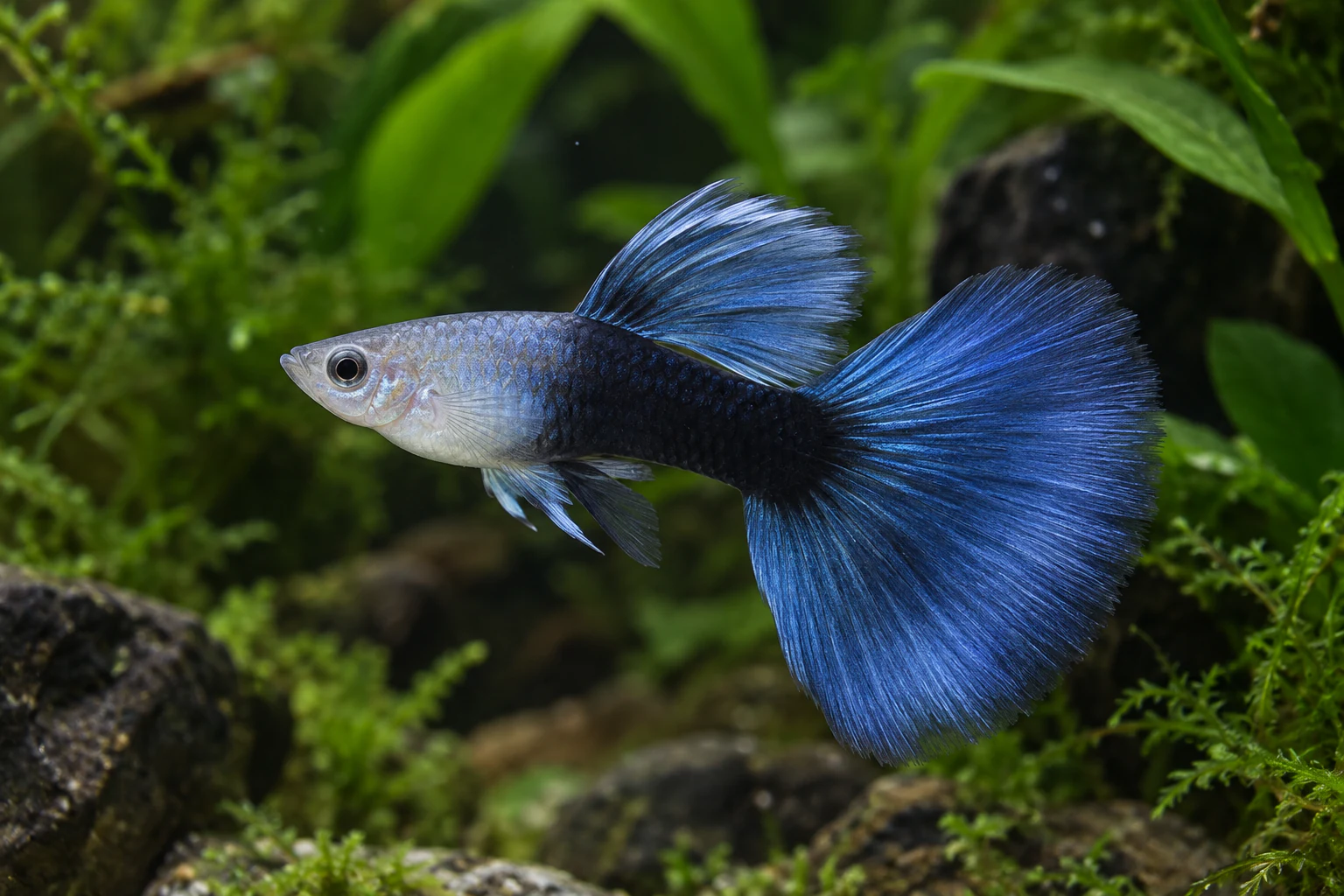
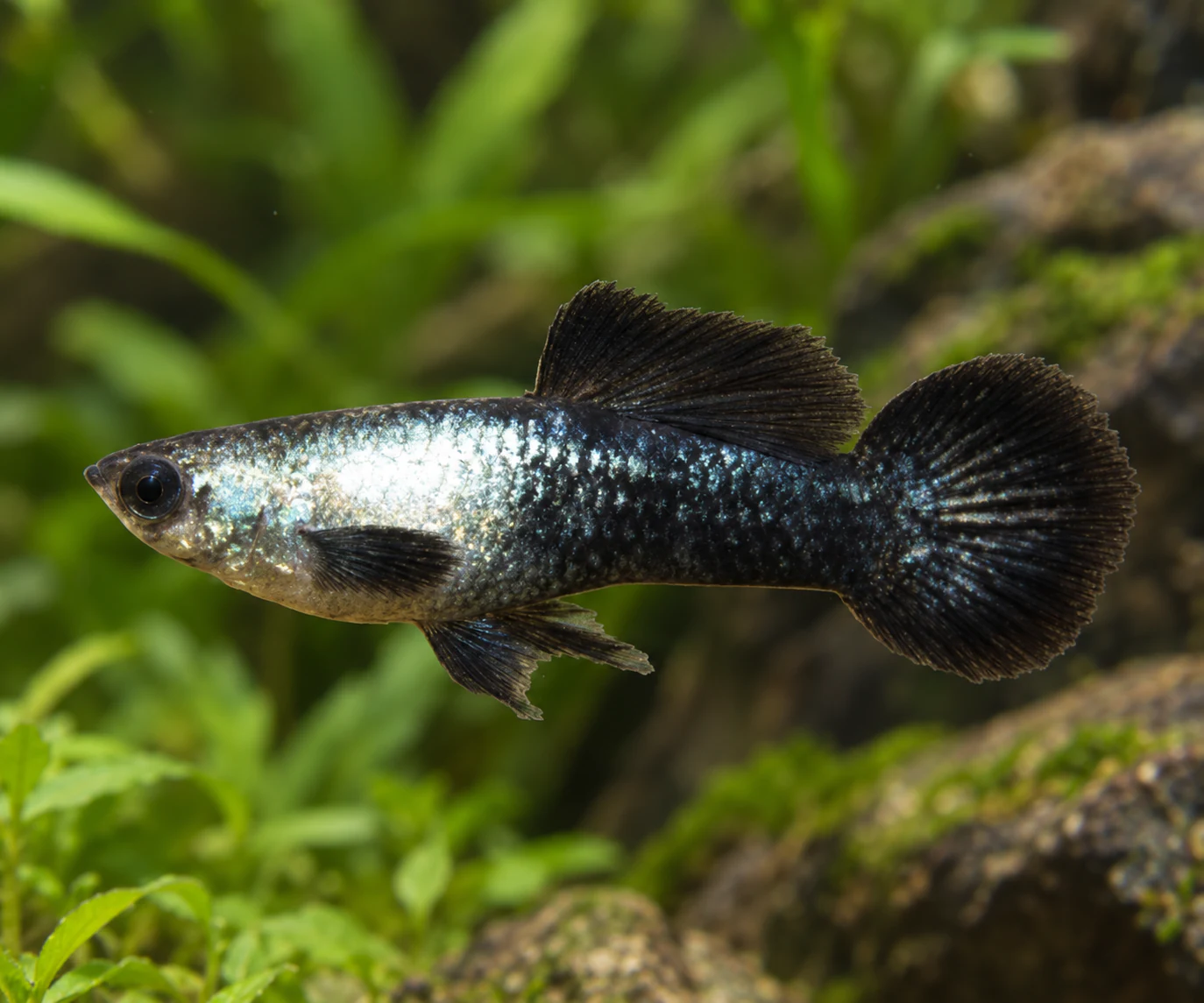
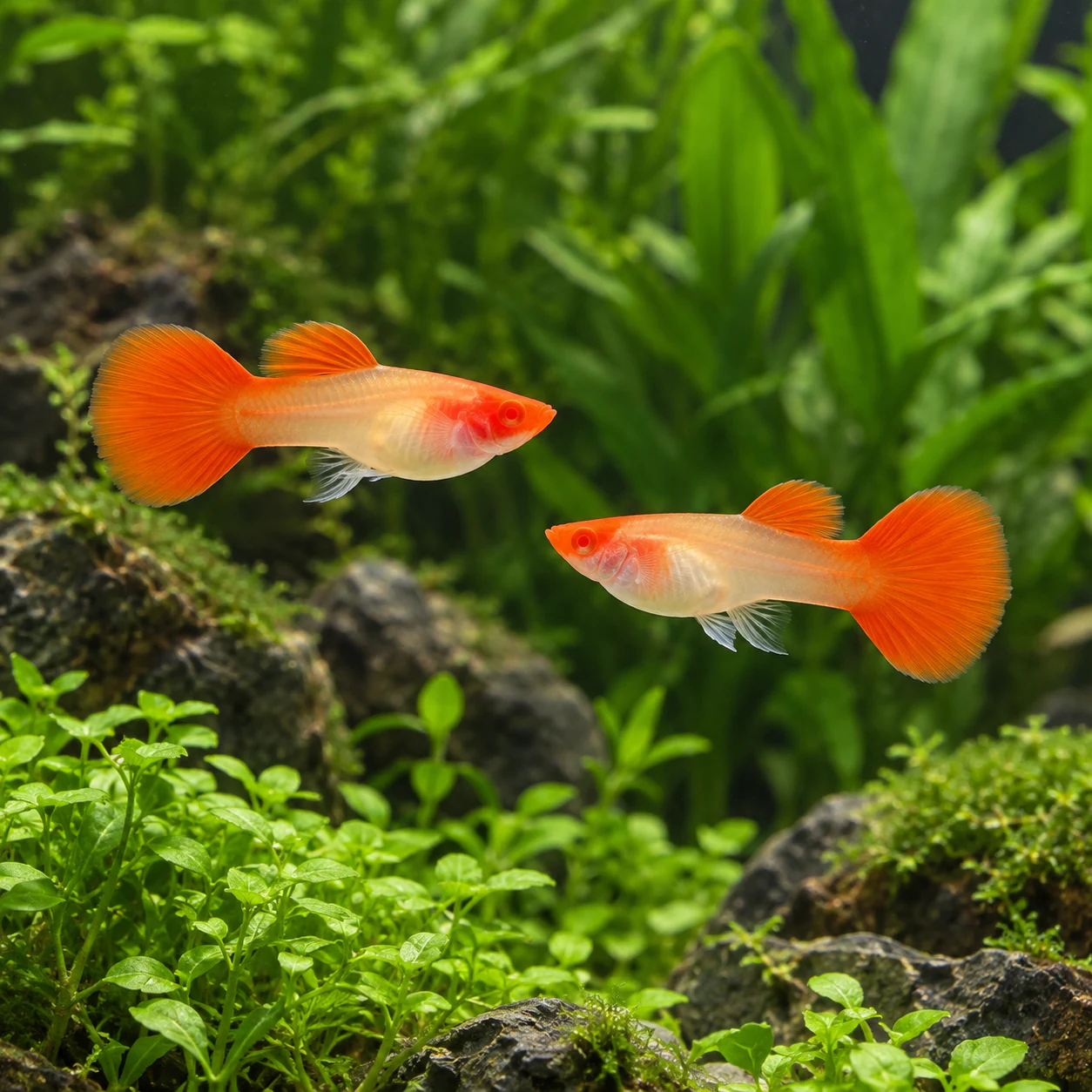
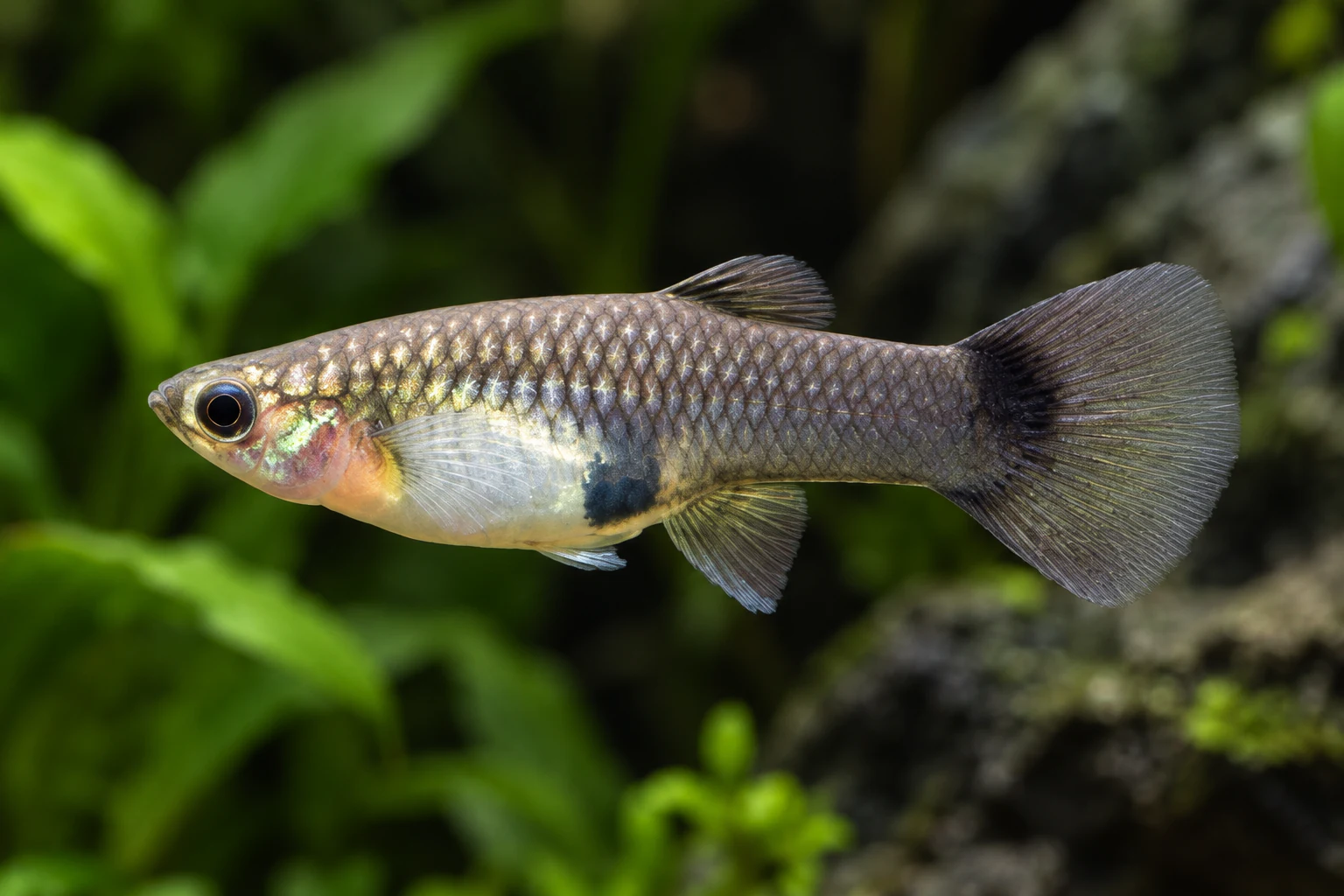
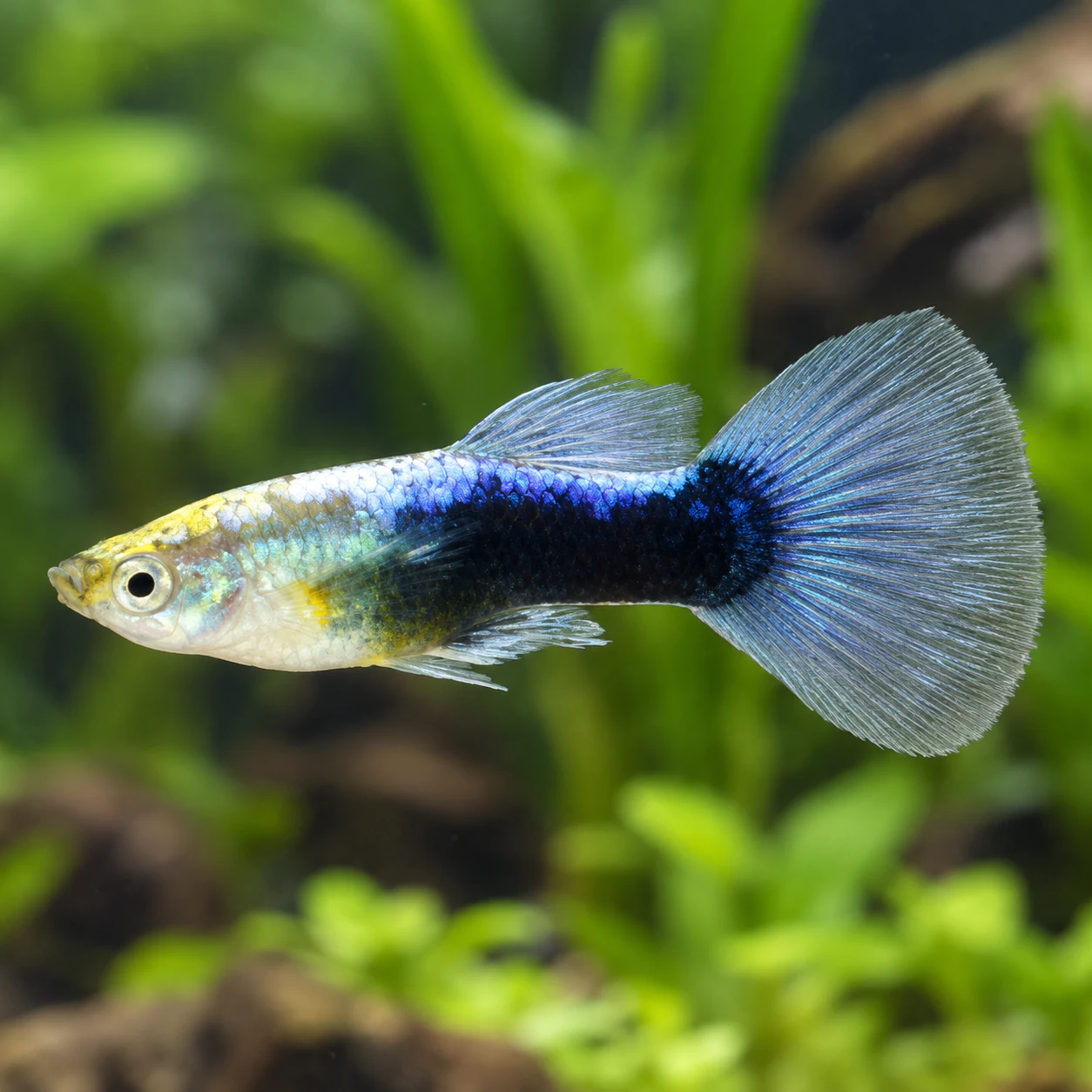
Look for clear eyes, intact scales, and fins that are not visibly torn or held tightly against the body. The outline of a healthy fish varies with age, sex, pregnancy, and strain, so compare like with like rather than expecting every guppy to have the same shape. Color also varies with strain, sex, age, lighting, and stress; use it alongside behavior and body condition instead of treating brightness as a health score.
Warning Signs That Deserve a Pause
Visible signs can have more than one cause, and a photograph cannot diagnose disease. Treat the following as reasons to pause, ask the seller for context, or choose a different fish or source:
- Fins held tightly against the body, repeated loss of balance, or difficulty swimming with the group.
- Repeated gasping near the surface, unusually fast breathing, or fish sitting apart from the group for long periods.
- Repeated rubbing or flashing against décor, or visible white spots, fuzzy growths, wounds, or missing scales.
- Markedly poor body condition or a change in appearance that the seller cannot explain with age, sex, strain, lighting, or recent handling.
- Several fish in the same tank showing similar unusual behavior or visible changes.
If most fish in a shared tank look unwell, do not select the one fish that looks better and assume it has no exposure. Ask about the group or skip that system. Signs can be subtle, and fish may carry problems without obvious symptoms, so normal-looking photos should never be treated as a disease-free guarantee.
How to Evaluate an Online Guppy Listing
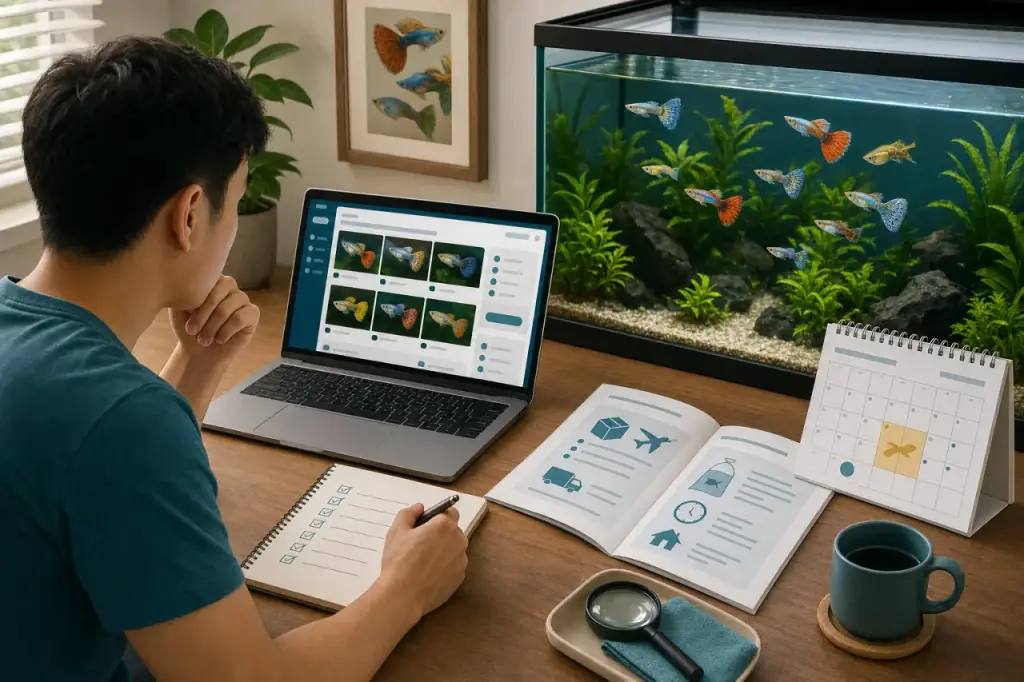
Online buyers cannot watch a fish in person before checkout, so the listing and seller conversation matter more. Start by checking whether the photos show the exact fish or a representative example. If that is unclear, ask. A current side view, a view of the full tail, or a short video of the fish swimming may answer questions that a tightly cropped glamour photo cannot.
Check that the description matches the fish being offered: strain or pattern, approximate size or age, sex when it can be identified, number of fish, and what will be included. Young guppies may still be developing color and pattern, and sex can be harder to confirm at smaller sizes. Ask the seller to explain any uncertainty rather than relying on a label or photo alone.
Also look for a clear view of the broader group or system when available. A listing image can be staged, cropped, or taken under lighting that changes how color appears. Reviews and ratings add context, but they do not replace clear, current answers about the fish and the shipment.
Questions to Ask Before You Buy
A trustworthy seller should be willing to answer practical questions without promising that every fish is perfect. Ask questions that help you understand what you are buying and how to receive it:
- Are these photos of the exact fish, the current group, or representative stock?
- What water conditions and temperature are the fish currently kept in? Can you share recent readings that help me plan acclimation?
- What are the fish eating, and have they been observed feeding recently?
- How long have these fish been in the current system, and what does your observation or quarantine process involve?
- What strain, size, and sex are confirmed? What is still uncertain, especially for juveniles?
- How are the fish packed and shipped, and what happens if weather or a carrier delay affects dispatch?
- What is the written live-arrival policy, including its reporting window, required evidence, and buyer responsibilities?
Clear answers are more useful than broad claims such as “perfect,” “disease-free,” or “guaranteed breeder.” A seller’s quarantine or observation routine can reduce risk and provide useful information, but it cannot rule out every hidden condition. Read the exact terms before paying, and check that the seller ships to your location.
Buying Online vs. Buying In Store
At a local fish store
You can watch the fish move and inspect the tank directly. Look at the whole group and the surrounding system, not only the individual you hope to buy. Ask how long the fish have been at the store, what they are eating, and whether the staff can confirm sex and strain. A nearby seller may also be easier to revisit for advice, although availability and care practices vary from store to store.
From an online seller
Online listings can offer more strain choices and access to specialized breeders, but you depend on accurate descriptions, current images, careful packing, and a clear support process. Shipping adds handling and travel, so confirm the dispatch plan, possible weather holds, delivery expectations, and the live-arrival policy before placing an order. Neither option is automatically better; the quality of the fish, seller transparency, and your preparation all matter.
Prepare Your Aquarium Before Delivery
Have a suitable, cycled receiving aquarium ready before ordering. Check that filtration and aeration are working, the temperature is stable, and your water tests show that the system is ready for additional fish. If you already keep fish, set up a separate quarantine aquarium and separate equipment where practical. Adding new fish gradually helps avoid overloading a system that is still adjusting.
Read the seller’s delivery instructions and keep the relevant order and policy details easy to find. Make sure someone can receive the package promptly during the expected delivery window. If there is a concern on arrival, follow the seller’s stated process and take the requested photos or other evidence before discarding packaging.
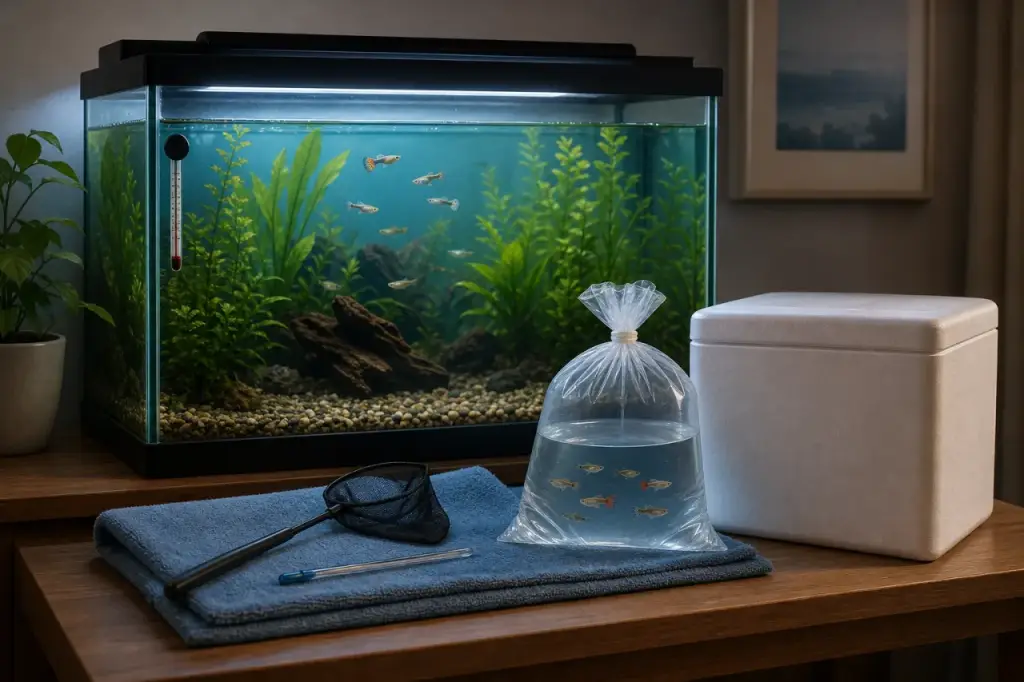
When the fish arrive, follow the seller’s acclimation guidance and avoid making sudden changes to chase a number from another system. See our step-by-step guppy acclimation guide. If you order from HiGuppy, read our shipping policy and live-arrival terms before checkout.
Quarantine and Observe New Guppies
Keep new guppies in a separate, cycled quarantine system before introducing them to established fish. Use separate nets and siphons when practical, avoid moving water between tanks, and observe swimming, breathing, appetite, body condition, and water quality over time. The right observation period depends on source history, fish condition, group behavior, water stability, and any signs that need follow-up; a single fixed number of days cannot fit every situation.
Quarantine is a risk-reduction step, not a guarantee that every hidden problem has been excluded. Seller-side observation also cannot replace your own receiving routine. For more detail, see HiGuppy’s quarantine and observation process and our complete guppy care guide.
Frequently Asked Questions
How can I tell if an online guppy is healthy?
Look for current images or video, coordinated swimming, open fins, clear eyes, steady breathing, and a seller who can answer specific questions about the fish and its group. These clues help you screen a listing, but no photo or short video can guarantee health.
Should I ask for a photo of the exact guppy?
Yes, when individual selection is part of the listing. Ask whether the image shows the exact fish or representative stock. If exact selection is unavailable, a current group photo or short swimming video can still help you understand what is being offered.
Does a bright color mean a guppy is healthy?
No. Color varies by strain, sex, age, lighting, and stress. Give more weight to controlled swimming, breathing, fin and body condition, and the seller’s information than to brightness alone.
Are juvenile guppies a good choice for beginners?
They can be, but their color and pattern may still be developing, and sex may be harder to confirm. Ask the seller what is known and decide whether those uncertainties fit your plans.
What if one fish in the tank looks unwell?
Ask about the group and the system rather than choosing another fish from the same tank without more information. If several fish show similar signs, it is sensible to pause and shop elsewhere.
Which water details should I ask the seller for?
Ask for the current temperature and any available recent readings for the water the fish are kept in. Use that information to plan a careful transition, and test your own aquarium before adding new fish. Avoid sudden changes just to make one number match.
Do I need to quarantine guppies from a reputable seller?
Quarantine is still recommended. Your aquarium has its own fish, water, and equipment, and even healthy-looking animals may have conditions that are not immediately visible. Keep new arrivals separate and observe them before introduction.
What should I do if a shipment arrives with a concern?
Follow the seller’s written arrival policy promptly. Check what photos, timing, and other information it requires, and contact the seller through the stated support channel. Policy windows and terms vary, so read them before ordering.
Further Reading
For general guppy health and care guidance, see the OATA care sheet for guppies and mollies. The University of Florida IFAS guide to responsible aquarium-fish ownership discusses preparation, water quality, acclimation, and quarantine. These are general references; seek qualified fish-health advice for persistent or severe concerns.
When you are ready to compare current fish, browse HiGuppy’s guppies and review the listing details that matter to your aquarium before ordering.
Behind the care guides
Care begins with steady systems
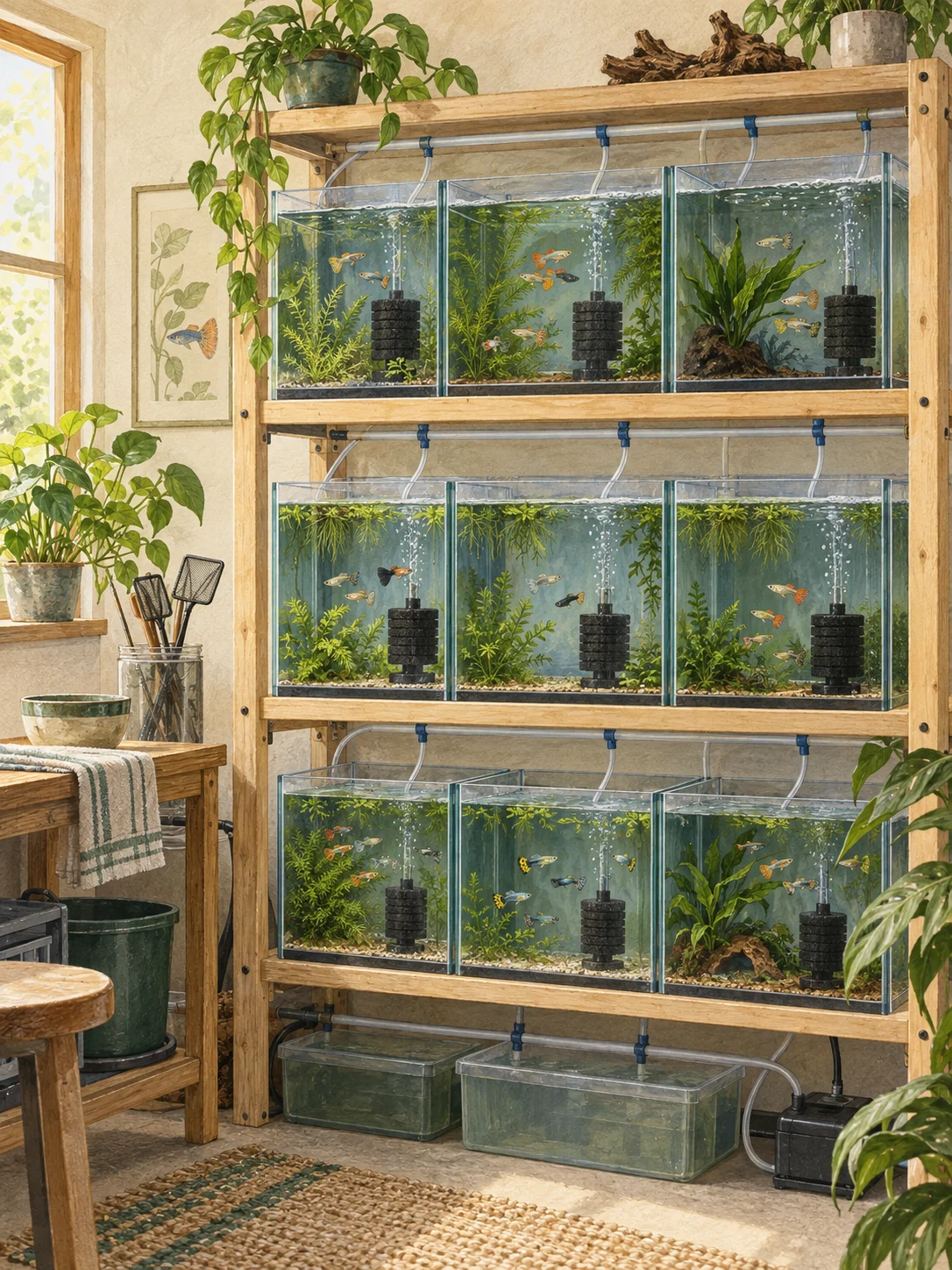
Our guppy guides focus on practical routines: keep water stable, observe fish closely and allow for natural variation.
Care systems
Steady water, thoughtful care
Gentle filtration and regular observation support healthy aquarium routines.
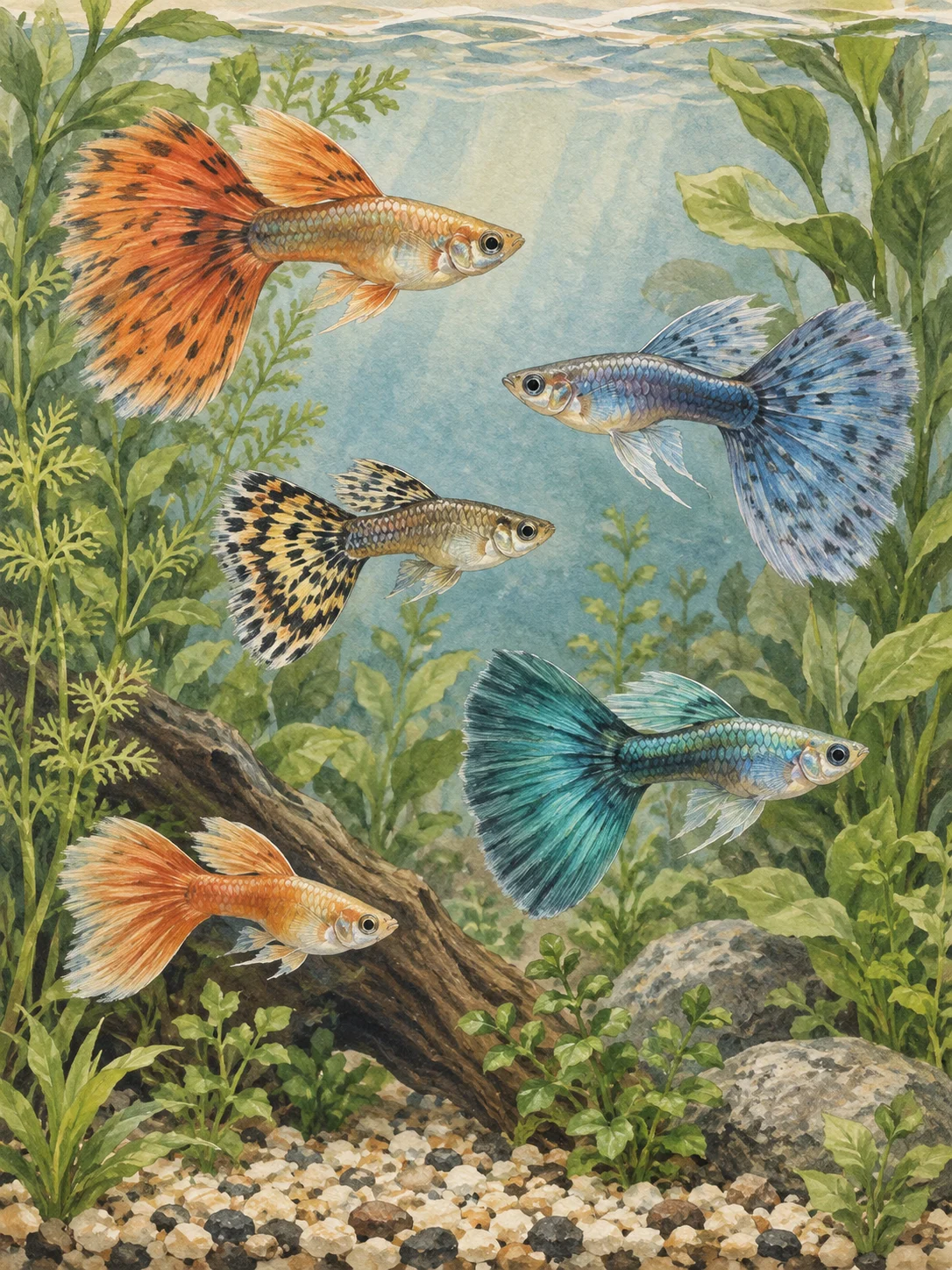
Natural variation
Every guppy is different
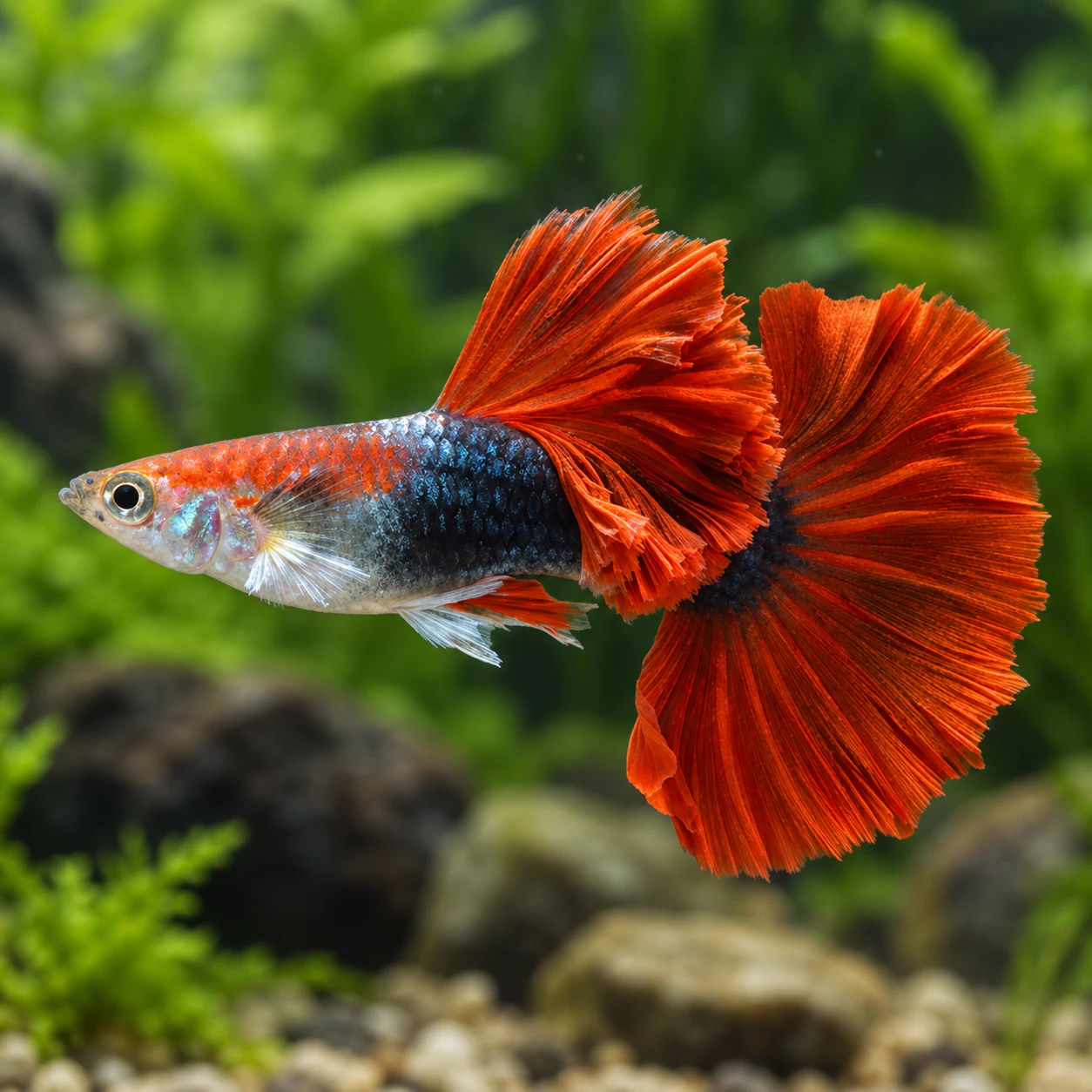
Color, size and fin shape vary with strain, age and each individual fish.
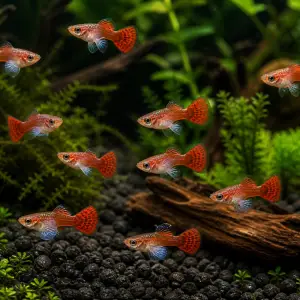
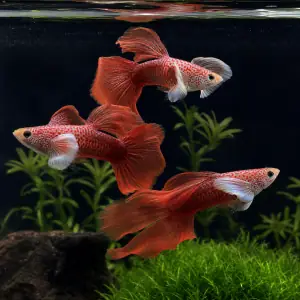
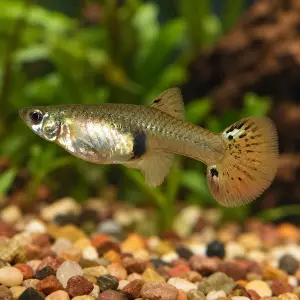
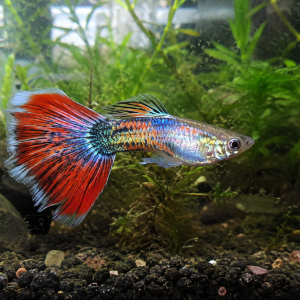
Editorial illustrations for context; they do not depict HiGuppy's exact facility or current fish stock.