The HiGuppy Journal
Guppy Quarantine Log: What to Record During Observation
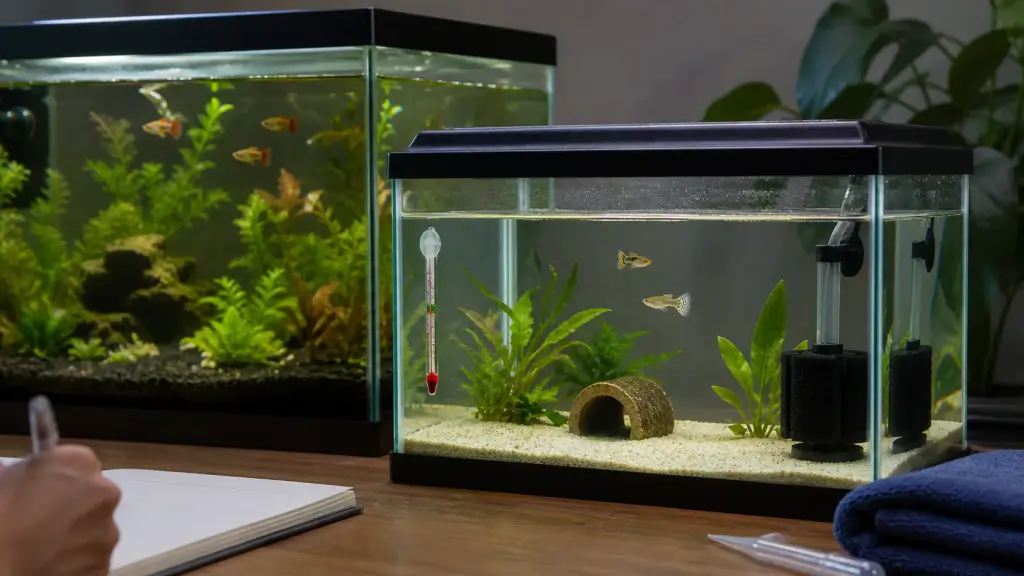
A good guppy quarantine log turns daily observations into a clear record. Write down water-test results, behavior, feeding, visible changes and equipment use in the same format each day. This helps you notice trends, communicate clearly with a qualified fish veterinarian if a fish becomes seriously unwell, and decide when more observation is needed without relying on memory.
This is an observation and record-keeping guide, not a treatment protocol. Keep quarantined fish physically separate from established aquarium fish, use dedicated equipment, and follow current professional guidance before making health decisions. The Merck Veterinary Manual: Quarantine and Biosecurity recommends separate equipment and handling quarantined animals separately from other animals.
What to record every day
Use one row or one dated entry for each observation. Consistency matters more than writing a long report. Record the following details at roughly the same time each day:
- Date and time: Note when the observation took place.
- Water tests: Record the result for every test you performed, including the unit shown by the test method. Do not write only “fine” or “normal.”
- Behavior: Describe swimming, resting, hiding, rubbing, surface activity, interaction with other fish and response to movement near the aquarium.
- Appetite: Record whether food was accepted, ignored or only partly eaten. Note uneaten food rather than guessing how much was consumed.
- Visible appearance: Note changes to body shape, fins, skin, eyes, coloration or breathing effort. Use neutral descriptions instead of diagnosing a disease.
- Water and equipment notes: Record anything that changed, such as filter maintenance, water replacement, a loose airline or equipment moved between aquariums.
- Action taken: Write down what you did, when you did it and what you observed afterward.
Simple guppy quarantine log template
Copy this checklist into a notebook or spreadsheet. Leave a field blank only when it was not checked, and explain why in the notes column.
| Field | What to write |
|---|---|
| Date and time | Exact observation time |
| Water tests | Test name, result, unit and any unusual reading |
| Swimming and position | Active, resting, hiding, surface or bottom; describe what you saw |
| Breathing | Appears steady or changed; note unusual effort without assigning a diagnosis |
| Feeding | Accepted, partly accepted or refused; note leftovers |
| Appearance | Fins, skin, eyes, body condition and other visible changes |
| Equipment | Filter, aeration, heater or other equipment observations |
| Separation check | Dedicated net, bucket and siphon remained separate from other tanks |
| Action and follow-up | What changed, what was done and what to check next |
How to record water tests usefully
Write the actual number or result from the test instead of interpreting it immediately. Include the test name, unit and time. If the result looks unexpected, repeat the test according to the product instructions and record both readings rather than silently replacing the first one.
Water quality should be considered alongside behavior and feeding. The RSPCA guidance on aquarium water quality explains that biological filtration helps process fish waste and that ammonia and nitrite testing is important while filtration becomes established. It also cautions against over-cleaning filter media because beneficial bacteria can be removed. Your log should therefore include any filter cleaning or media change, not just the test results.
Do not copy a target number from a general article and assume it applies to every guppy or aquarium. Record the result, look for a change from previous entries, and consider the aquarium’s own established conditions. If water quality changes unexpectedly or fish show serious symptoms, seek advice from a qualified fish veterinarian.
Behavior and feeding: describe, do not diagnose
Behavior notes are most helpful when they are specific. “Less active than yesterday” is more useful than “looks sick.” Add details such as whether the fish responds to food, stays in one area, separates from other fish, or shows a new swimming pattern.
For feeding, record the food offered only if it helps identify a change, along with whether it was eaten and whether leftovers remained. Avoid increasing food simply because a fish refused one feeding. A single observation is less informative than a consistent pattern across several entries.
For appearance, use observable language: “fin held close to body,” “new pale area noticed,” or “eyes appear different from previous entry.” Do not turn a visual note into a diagnosis. Photos taken from a similar angle and distance can support your private records, but the written description should remain understandable without them.
Equipment separation checklist
Quarantine records should include biosecurity, not only fish observations. Mark each item as checked:
- Net used only for the quarantine aquarium.
- Bucket used only for the quarantine aquarium.
- Siphon or hose kept separate from equipment used with established fish.
- Hands and handling sequence considered before moving between aquariums.
- Any cleaning or disinfection action recorded with its date.
- Equipment stored separately after use.
Merck Veterinary Manual guidance also notes that quarantined animals should be handled after contact with other animals has finished for the day. A simple “handling order” note in your log can help prevent accidental cross-use of equipment.
Weekly review: look for trends
At the end of each week, review the entries instead of judging one isolated reading. Ask:
- Are water-test results stable, changing or repeatedly unexpected?
- Has feeding behavior changed compared with earlier entries?
- Is the fish’s activity or appearance consistently different?
- Were any equipment or maintenance changes made before the change appeared?
- Did any item used in quarantine come into contact with another aquarium?
Keep the review factual. The purpose is to identify a pattern and preserve useful information for professional advice, not to confirm a self-made diagnosis. If a fish is severely distressed, deteriorating, or showing serious symptoms, contact a qualified fish veterinarian promptly.
Keep the log with your aquarium records
Save the completed log with your aquarium notes and label it with the fish or quarantine aquarium concerned. A consistent record is also useful when comparing future arrivals or checking whether a change followed a maintenance event. For related water-management reading, see the Guppy Water Parameters Guide and the Guppy Water Change Guide.
When you need additional aquarium resources, browse the HiGuppy shop. Keep the quarantine log practical: record what you measured, what you saw, what changed and what needs professional follow-up.
Behind the care guides
Care begins with steady systems
Our guppy guides focus on practical routines: keep water stable, observe fish closely and allow for natural variation.
Care systems
Steady water, thoughtful care
Gentle filtration and regular observation support healthy aquarium routines.
Natural variation
Every guppy is different
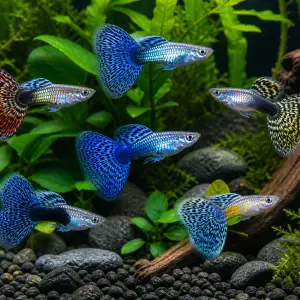
Color, size and fin shape vary with strain, age and each individual fish.
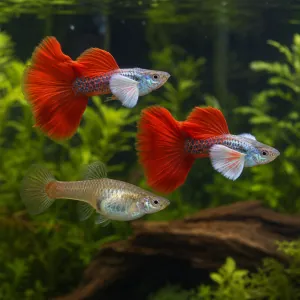
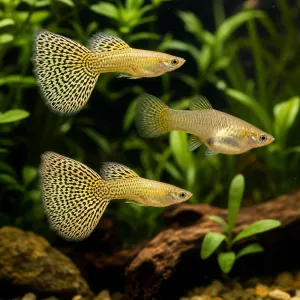
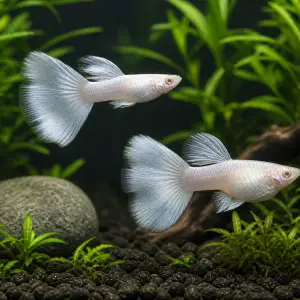
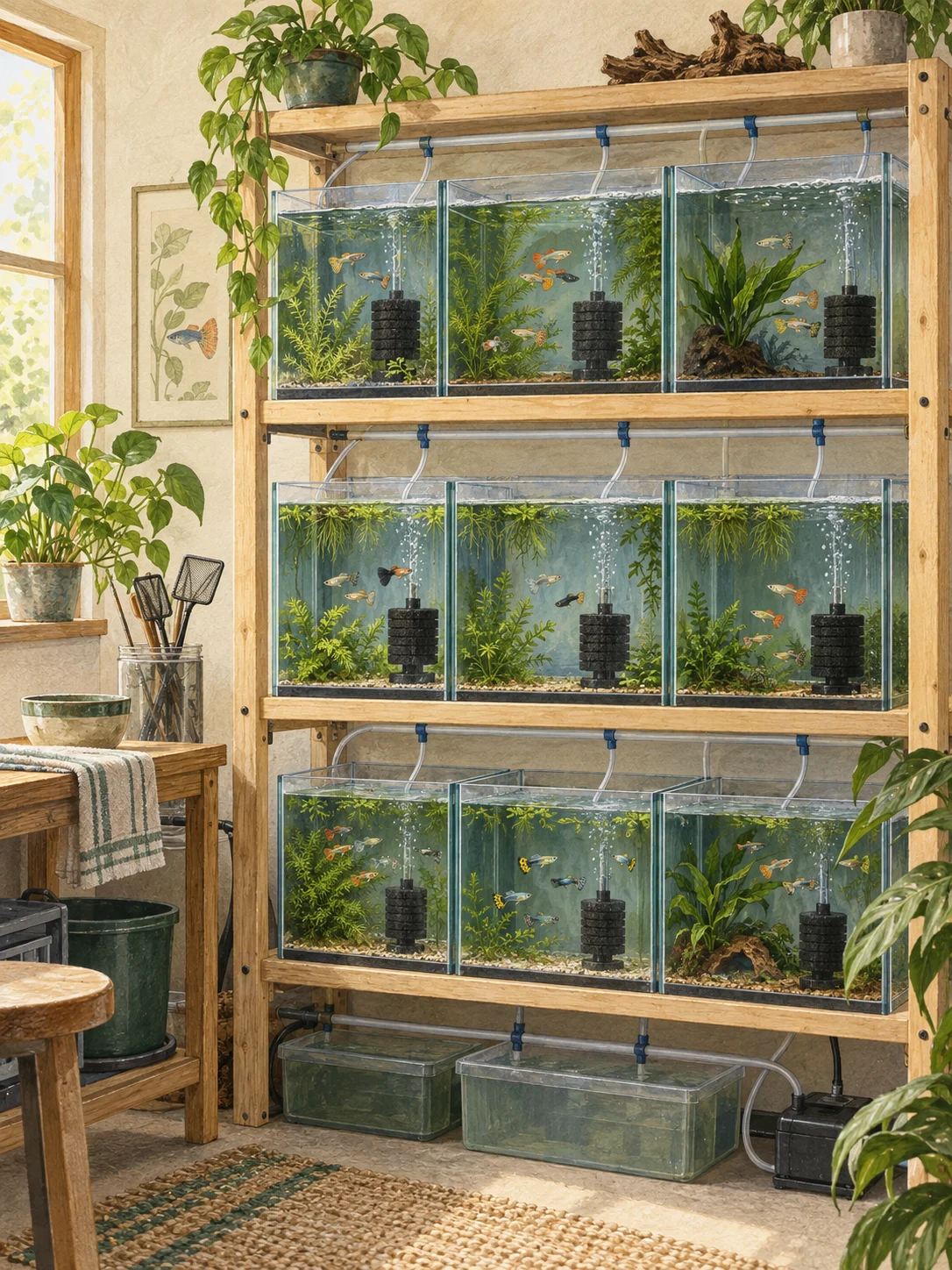
Editorial illustrations for context; they do not depict HiGuppy's exact facility or current fish stock.