The HiGuppy Journal
Guppy Tank Power Outage: An Emergency Care Guide
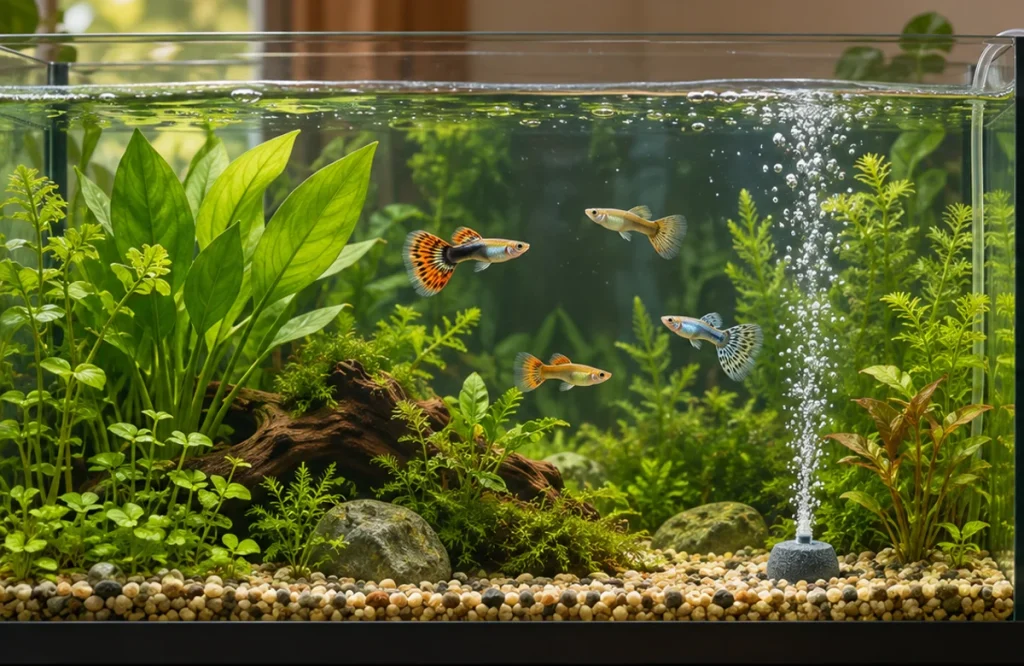
A power outage can turn a familiar guppy aquarium into an unfamiliar problem: the filter stops, the heater switches off, and the water surface becomes still. A prepared response focuses on the fish and the water, rather than trying to restore every piece of equipment at once.
During a guppy tank power outage, prioritize safe aeration, monitor water temperature and fish behavior, and keep filter media wet and oxygenated where practical. Reduce feeding while filtration is interrupted. When power returns, inspect equipment, restart the filter safely, and test the water over the following days. The urgency varies with stocking, temperature, tank size and the length of the outage.
First steps when the power goes out
- Check that everyone is safe and avoid touching wet electrical equipment or damaged cords.
- Note the time, water temperature, fish behavior and which equipment has stopped.
- Start a battery-powered aquarium air pump if available. Confirm that bubbles are moving the water surface.
- Keep a thermometer visible and reduce rapid room-temperature changes.
- Pause feeding while you assess the situation, and keep conditioned replacement water and a water test kit ready.
- Check the filter and heater manufacturer’s instructions before handling or restarting them.
There is no reliable universal number of hours a guppy tank can go without electricity. A crowded warm aquarium can become stressful sooner than a lightly stocked, cooler one. Watch the actual tank and prepare for an outage that lasts longer than expected.
Why a power outage affects a guppy aquarium
Filters move water and support beneficial microorganisms that process waste. Heaters help hold a stable temperature. Air pumps or filter returns disturb the surface, encouraging gas exchange. When these stop together, oxygen availability, temperature and water quality can change at the same time. Fish still produce waste, and uneaten food adds to the load.
Plants can be useful in a healthy aquarium, but they are not a guaranteed emergency oxygen supply. Conditions change between light and darkness. Treat the aquarium as a complete system and watch the fish rather than assuming plants alone will solve an outage.
Keep the water moving and observe your guppies
A battery-operated air pump with airline tubing and an air stone or sponge filter is a practical item to prepare in advance. Test it before an emergency, keep spare batteries or a charged power source, and place the pump according to the manufacturer’s instructions. Use an appropriate check valve or safe positioning to reduce the risk of water siphoning back into the pump.
If you do not have a pump, gently scoop aquarium water with a clean, soap-free container and pour it back to create surface movement. Avoid splashing fish, disturbing substrate or cooling the water unnecessarily. This is a temporary manual measure, not an unattended replacement for a pump. Repeat as needed while seeking a more reliable aeration option.
Watch for persistent rapid breathing, gasping at the surface, unusual inactivity or several fish behaving differently at once. These signs can have more than one cause; they are a reason to check aeration and water conditions promptly, not a diagnosis. If fish are in obvious distress or conditions keep worsening, contact an aquatic veterinarian or experienced local fish professional.
Manage temperature without sudden changes
Read the thermometer periodically and compare the temperature with the normal range maintained for your fish. In a cold room, a blanket around the sides of the aquarium can slow heat loss; leave enough space for air exchange and monitoring. In hot weather, shade the tank from direct sunlight and improve room ventilation when safe. Check frequently: insulation can also trap unwanted heat.
Avoid pouring hot water directly into the aquarium, using an open flame near the tank, or making abrupt temperature corrections. If an extended outage threatens the fish, plan a safe alternative location or appropriately sized backup power rather than relying on guesswork. Never run a fuel-burning generator indoors or in an enclosed space.
Protect the filter and its biological media
Filter media holds microorganisms that help process fish waste. During an extended stop, stagnant conditions can harm that biological filtration. Keep media wet and, where practical, in moving, oxygenated aquarium water. A battery air pump in a clean container holding tank water can help; follow the filter maker’s instructions and keep different media and their order organized.
Before restarting a filter that has been sitting stagnant, inspect it and follow its manual. If the water inside is dirty or smells foul, do not simply discharge it into the tank. Gently rinse debris from reusable media in removed aquarium water when needed; avoid replacing all established media at once or washing it in untreated tap water. Different filter designs have different priming and restart requirements.
Even if the filter starts again, its biological capacity may have been affected. Test for ammonia and nitrite after the outage and over the following days, especially after a prolonged interruption. If either is detected, respond with appropriately conditioned, temperature-matched partial water changes and seek qualified advice for persistent readings. Do not assume a clear tank is automatically safe.
Feeding and water changes during an outage
For a short interruption, pausing food reduces waste while the filter is offline. For a longer outage, fish age and condition matter: fry and fish with special needs may need a different plan from healthy adults. Ask a qualified aquatic professional for advice rather than applying a long fasting rule to every tank. When feeding resumes, offer small amounts and remove uneaten food.
Have a clean container, water conditioner and test kit available. If tests or an experienced professional indicate a partial water change is needed, use appropriately conditioned replacement water close to the aquarium temperature. Avoid an unnecessary large or sudden change, and do not add chemicals or medication just because the power failed.
Make a plan for a long or recurring outage
Start by finding out whether the outage affects only your home or the wider neighborhood. Use your utility’s official outage information if available, but treat restoration estimates as estimates. Write down when the power stopped and check the aquarium regularly. A charged phone and flashlight let you observe the tank without depending on mains electricity.
Decide in advance who can check the aquarium if you are away and where supplies are stored. Show that person how to turn on the backup air pump, read the thermometer and recognize a loose airline. Leave the care instructions next to the tank. For a long outage, discuss a suitable temporary location with a knowledgeable aquarium keeper before conditions become critical. Moving fish introduces stress and temperature and water-chemistry differences, so it should be planned carefully rather than rushed.
For recurring outages, test your backup under realistic conditions: run the air pump, observe its flow and note the battery manufacturer’s expected runtime. Replace old batteries and keep the pump above water or use the correct check valve as directed. A backup that worked last year may need fresh batteries today. Make sure any temporary container is clean, fish-safe, covered against jumping and has appropriate aeration.
Keep a short log of temperature, test results and notable behavior. Recording both the time and the reading helps you notice trends and describe the situation to a professional. If several fish suddenly deteriorate, do not wait for the next planned check: assess aeration and water quality promptly and get advice. An emergency kit is useful only if everyone who may care for the tank knows where it is and how to use it.
When the electricity returns: a restart checklist
- Check electrical safety. Dry hands, inspect cords and plugs, and keep water away from outlets. If equipment is damaged, leave it disconnected and get help.
- Inspect the filter. Handle stagnant water and media as described above; prime and restart according to the manufacturer.
- Check the heater. Verify it is submerged to the required level and follow the manual before switching it on. Let the temperature return gradually.
- Confirm flow and aeration. Watch the outlet, air stone and fish. A humming pump does not necessarily mean water is flowing properly.
- Test and record. Check temperature, ammonia and nitrite; repeat over subsequent days if filtration was interrupted for a significant period or fish behavior changes.
- Resume the routine gradually. Feed lightly, remove leftovers and monitor the aquarium rather than making several major changes at once.
Build a simple emergency kit before the next outage
Keep a battery air pump, compatible batteries or a charged power source, spare airline and air stone, a check valve, a thermometer, a flashlight, water conditioner, a test kit, a clean bucket and a siphon together. Include the instructions for your equipment and the phone number of a local aquatic professional. Label the supplies and test the pump periodically.
If you use a battery backup or generator, check its rated load and runtime for the equipment you intend to connect. A heater can draw substantially more power than an air pump, so do not assume one backup will run everything. Follow electrical safety instructions and keep every power source dry.
Frequently asked questions
How long can guppies survive without a filter?
There is no dependable fixed time. Stocking, temperature, water quality, feeding and aeration all influence conditions. Provide surface movement, observe the fish and test the water rather than relying on a countdown.
Does a battery air pump replace the aquarium filter?
It helps move water and supports gas exchange, but an air stone alone does not provide the same waste-processing capacity as an established filter. An established sponge filter driven by the pump may provide both movement and some biological filtration when operated correctly.
Should I feed guppies during a power outage?
Pause feeding initially to limit waste. For a prolonged interruption, consider the age and condition of the fish and ask for expert advice, especially for fry. Restart with small portions when conditions permit.
Can I leave filter media in the stopped filter?
Conditions in a closed, stagnant filter can deteriorate. During a long outage, keeping media wet and oxygenated in aquarium water may help. Check your filter manufacturer’s guidance and inspect the filter before restarting.
Can I use a blanket around the aquarium?
In a cool room, insulating the sides can slow heat loss. Keep access for observation and gas exchange, and monitor the thermometer. Remove insulation if it traps too much heat.
What should I test after power returns?
Start with temperature, ammonia and nitrite, then repeat as needed over the following days. Test sooner if fish appear distressed or the filter was stagnant. Interpret results alongside the tank’s normal readings and seek help when needed.
Will my aquarium cycle always crash after an outage?
Not necessarily. The effect depends on the filter, conditions and duration. A working pump after power returns does not prove the biological filter is fully recovered, so monitor readings and behavior.
For more preparation, explore our guide to guppy air pumps and choosing a guppy filter. A simple, tested plan makes it easier to respond calmly when an outage happens.
Behind the care guides
Care begins with steady systems
Our guppy guides focus on practical routines: keep water stable, observe fish closely and allow for natural variation.

Care systems
Steady water, thoughtful care
Gentle filtration and regular observation support healthy aquarium routines.

Natural variation
Every guppy is different
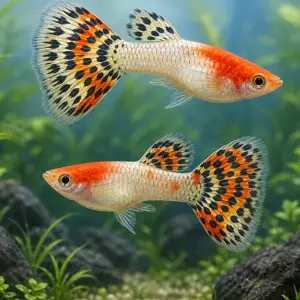
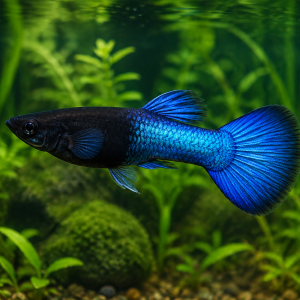
Color, size and fin shape vary with strain, age and each individual fish.
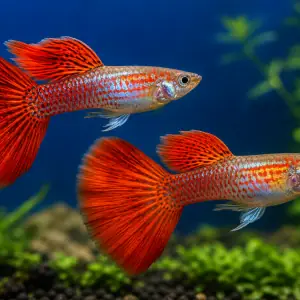
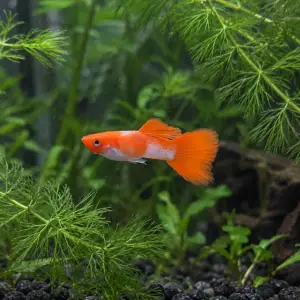
Editorial illustrations for context; they do not depict HiGuppy's exact facility or current fish stock.