The HiGuppy Journal
How Big Do Guppies Get? Adult Size, Growth and Tank Needs
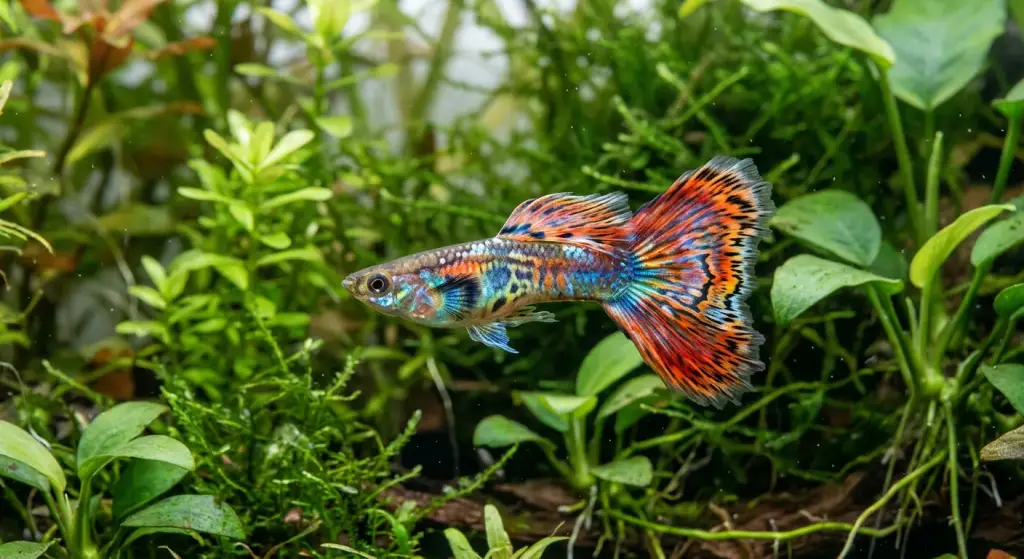
How big do guppies get? Most adult guppies stay small: males usually reach about 1 to 1.5 inches (2.5 to 4 cm) in body length, while females are larger, often around 2 to 2.5 inches (5 to 6 cm). Tail length is extra, and size varies by strain, diet and tank. For the full basics, see our complete guppy care guide.
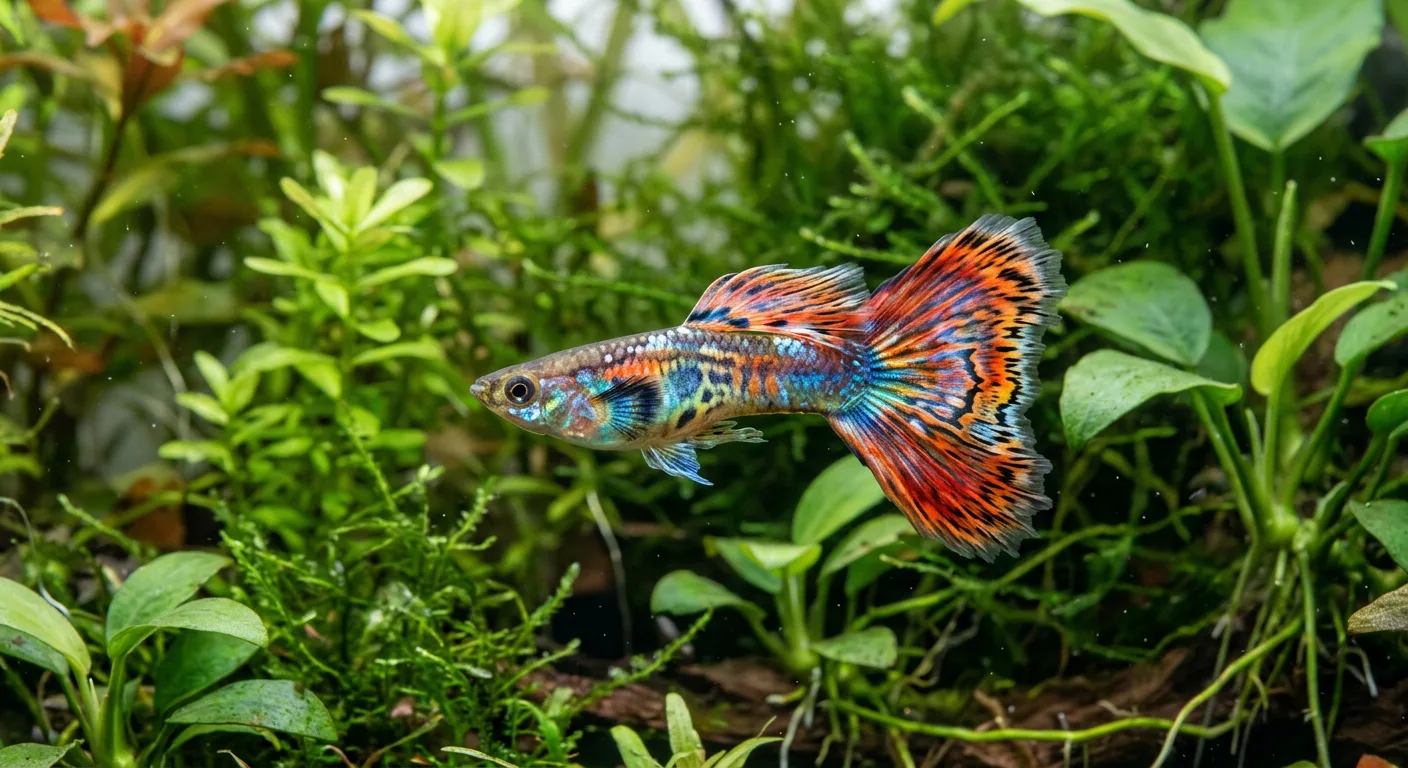
Knowing the adult size helps you plan tank space, pick tank mates and judge whether a young fish is growing normally. The numbers below are typical hobby ranges, not guarantees, since individual fish differ.
How big do guppies get on average?
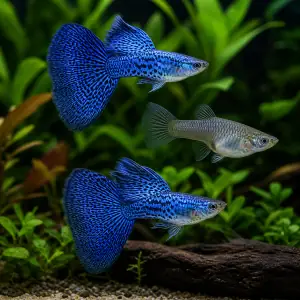
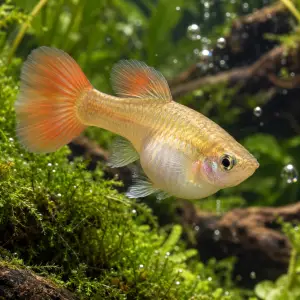
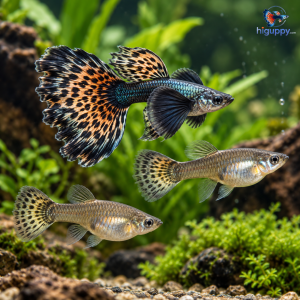
Guppies are one of the smaller popular aquarium fish. Wikipedia’s page on the guppy describes a clear size difference between the sexes, and keepers see the same thing in home tanks. Females grow noticeably bigger and rounder, especially when carrying fry. Males stay slim and put their energy into color and tail.
| Fish | Typical adult body length | Notes |
|---|---|---|
| Male guppy | About 1 to 1.5 in (2.5 to 4 cm) | Tail adds extra length |
| Female guppy | About 2 to 2.5 in (5 to 6 cm) | Rounder body, no big tail |
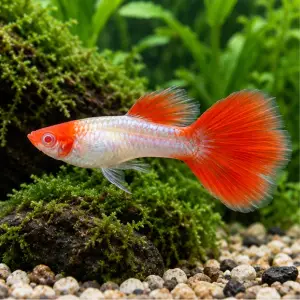
| Large-tail fancy male | Body similar, tail can look much larger | Depends on strain |
Male vs female guppy size
If you are unsure which is which, size is the first clue. Females are bigger with a gravid spot near the belly, and males are smaller with a gonopodium and brighter pattern. Our male vs female guppy guide shows the other differences.
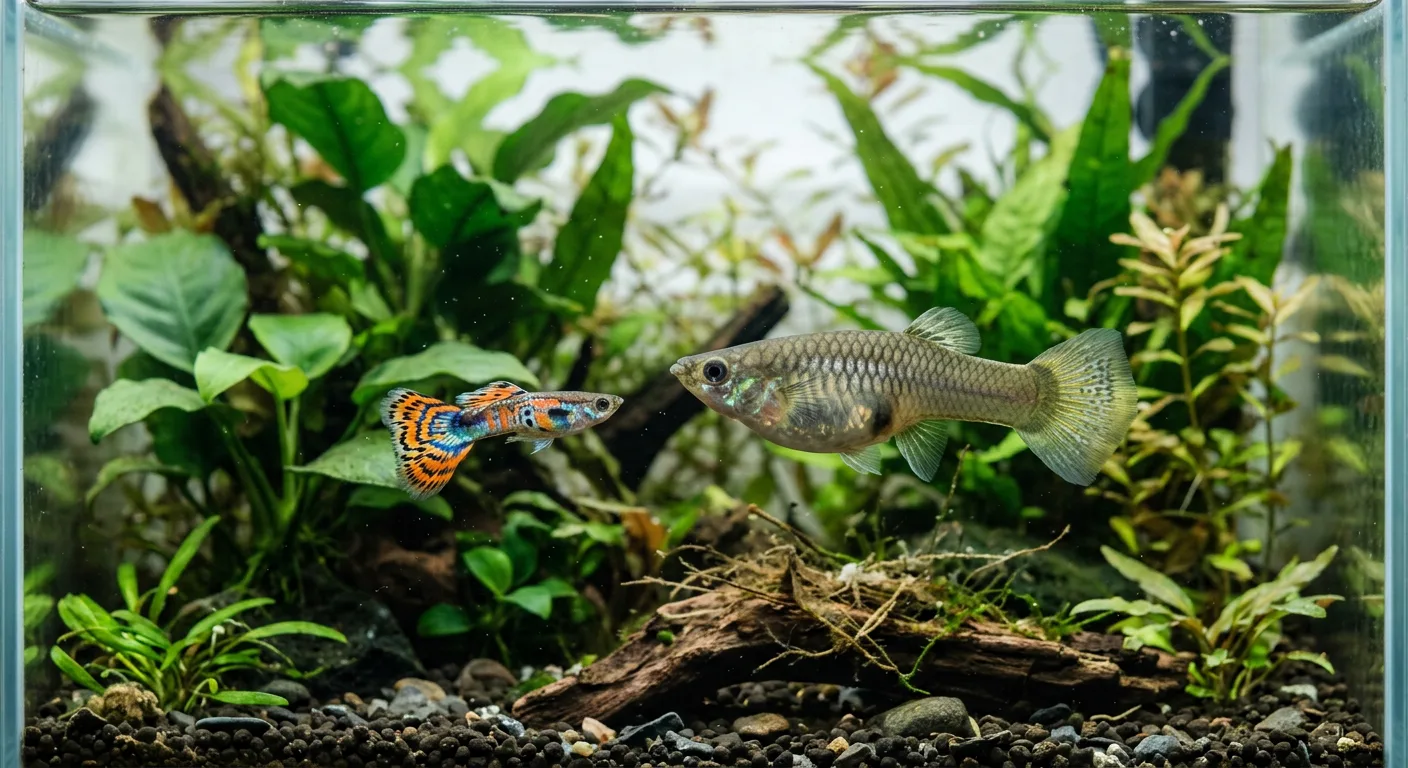
This is why many keepers buy a few females for every male. Larger females also tend to carry bigger broods, which is covered in how many babies guppies have.
How fast do guppies grow?
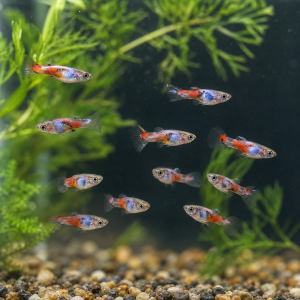
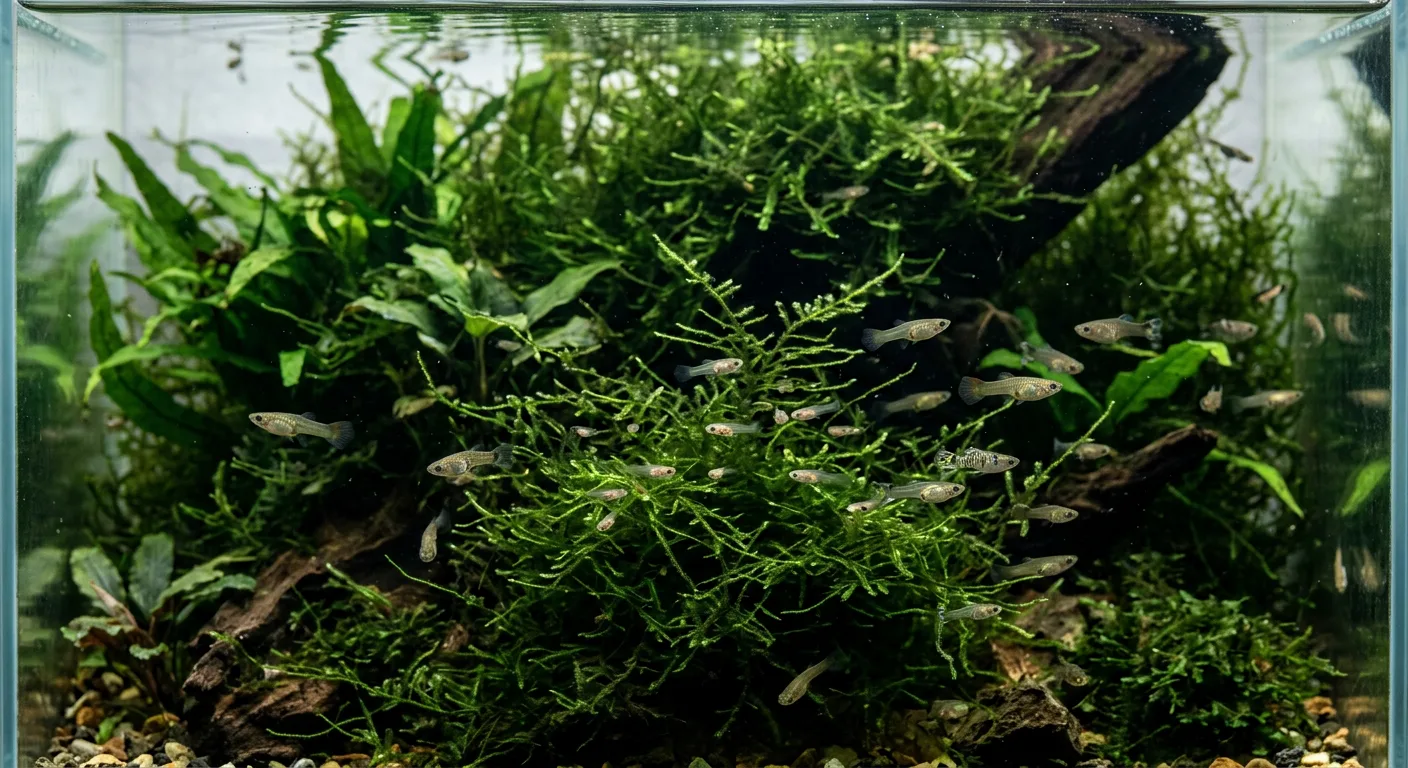
Fry start tiny, often well under half an inch, and grow quickly with good food and clean water. Many reach near adult size in a few months, though the pace varies. Males usually color up first and stop growing sooner, while females keep filling out. Our guppy growth stages page walks through each phase.
What affects how big guppies get?
Several things can change the final size of a guppy:
- Genetics: the strain and the parents matter most.
- Food: small, frequent meals of quality food support steady growth.
- Space: crowded tanks often produce stunted fish.
- Water quality: poor water slows growth and stresses fish.
- Temperature: stable, suitable warmth supports normal development.
Stunting is not always reversible, so start fry on a good routine. See the guppy fry feeding schedule for ideas.
What tank size fits full-grown guppies?
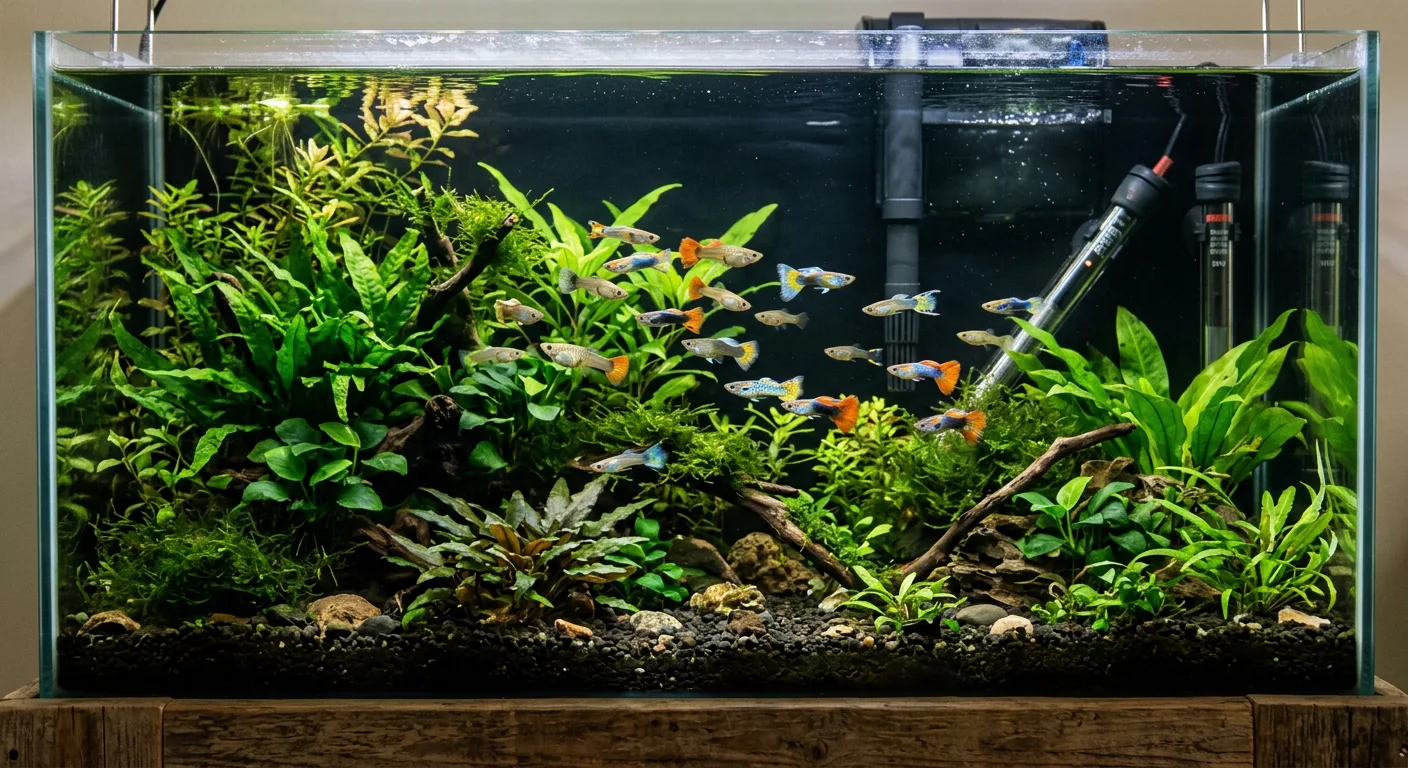
Because adults are small, guppies suit modest tanks, but they still need room to swim and room for fry growth. A 10 gallon tank is a common starting point for a small group, and more space gives you a calmer tank with easier water care. Read how many guppies per gallon before you decide on numbers.
Choosing healthy guppies that grow well
Start with fish that are active, eat well and show no damaged fins. If you want known stock, browse our male guppies to see adult colors and tails, or pick a pair or trio to watch the size difference yourself. When you are ready to set up, revisit the guppy care guide for feeding and water tips.
FAQ
How big do guppies get in a tank?
Males commonly reach about 1 to 1.5 inches in body length and females about 2 to 2.5 inches, though results vary by strain and care.
Are female guppies bigger than males?
Yes. Females are usually noticeably larger and rounder, while males stay smaller with larger, showier tails.
How long does it take for a guppy to reach full size?
Many reach close to adult size within a few months, but growth speed depends on food, space and water quality.
Why is my guppy so small?
It may be young, a male, or stunted from crowding, poor food or dirty water. Check tank conditions and feeding first.
Do guppies keep growing their whole life?
Growth slows a lot in adulthood. Females may keep getting a bit bigger, while males mostly stop and just develop their tails.
Behind the care guides
Care begins with steady systems
Our guppy guides focus on practical routines: keep water stable, observe fish closely and allow for natural variation.

Care systems
Steady water, thoughtful care
Gentle filtration and regular observation support healthy aquarium routines.

Natural variation
Every guppy is different
Color, size and fin shape vary with strain, age and each individual fish.
Editorial illustrations for context; they do not depict HiGuppy's exact facility or current fish stock.