The HiGuppy Journal
What Is a Moscow Guppy? Colors, Care and Breeding
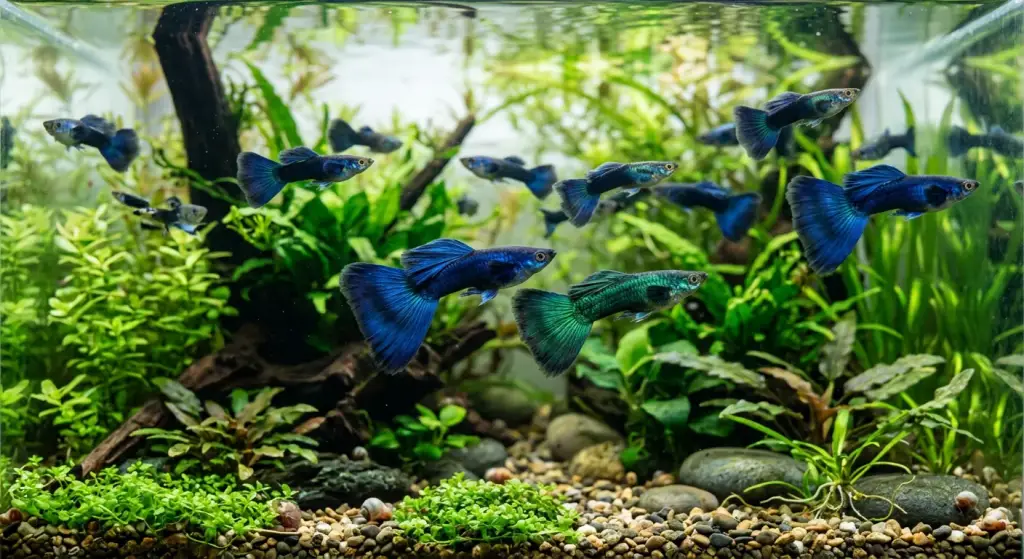
What is a Moscow guppy? A Moscow guppy is a strain bred for a solid, even color across the body and the tail, such as deep blue, emerald green or black. The name is usually linked to Russian breeding programs. They are as easy to keep as any other fancy guppy, and our guppy care guide covers the basics that apply to them.
If you have seen a guppy that looks like it was dipped in a single color, this guide explains what makes a Moscow guppy different, the common color types, how to care for them and how to keep the color strong when you breed them.
What is a Moscow guppy? The short version
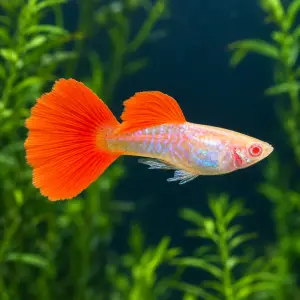
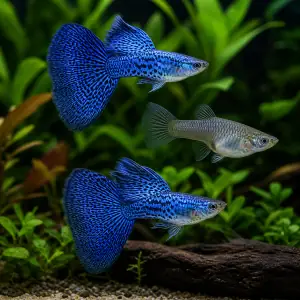
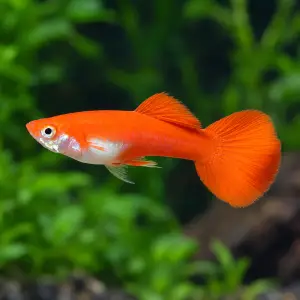
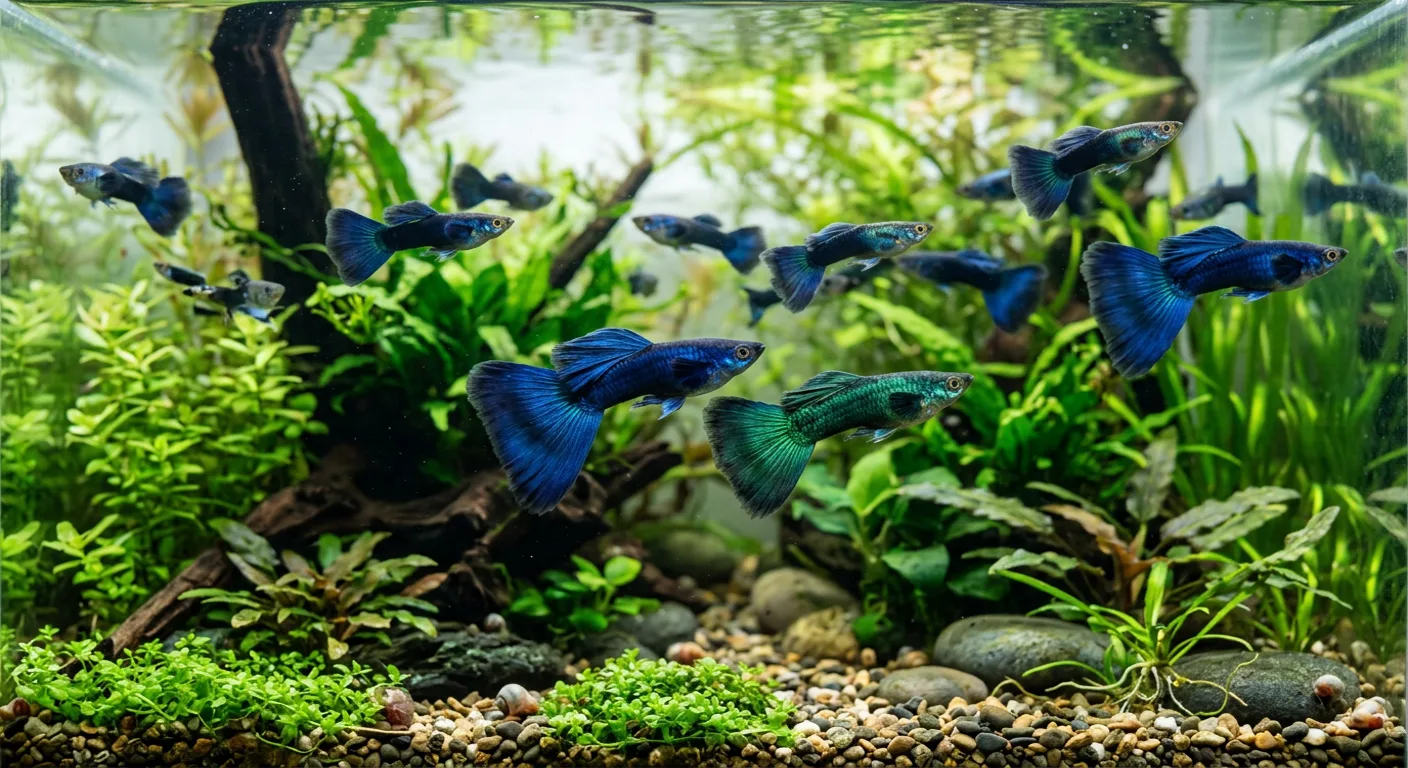
So, what is a Moscow guppy in practice? It is a variety defined by color uniformity. Most fancy guppies mix several colors or patterns on the body and tail. A Moscow guppy aims for one rich color over the whole fish, often with a glossy or metallic finish and a wide, full tail.
The strain is not a different species. It is the same common guppy, Poecilia reticulata, selected over many generations for solid color. Because the look depends on careful selection, quality can vary from one breeder to another.
Moscow guppy colors you will see
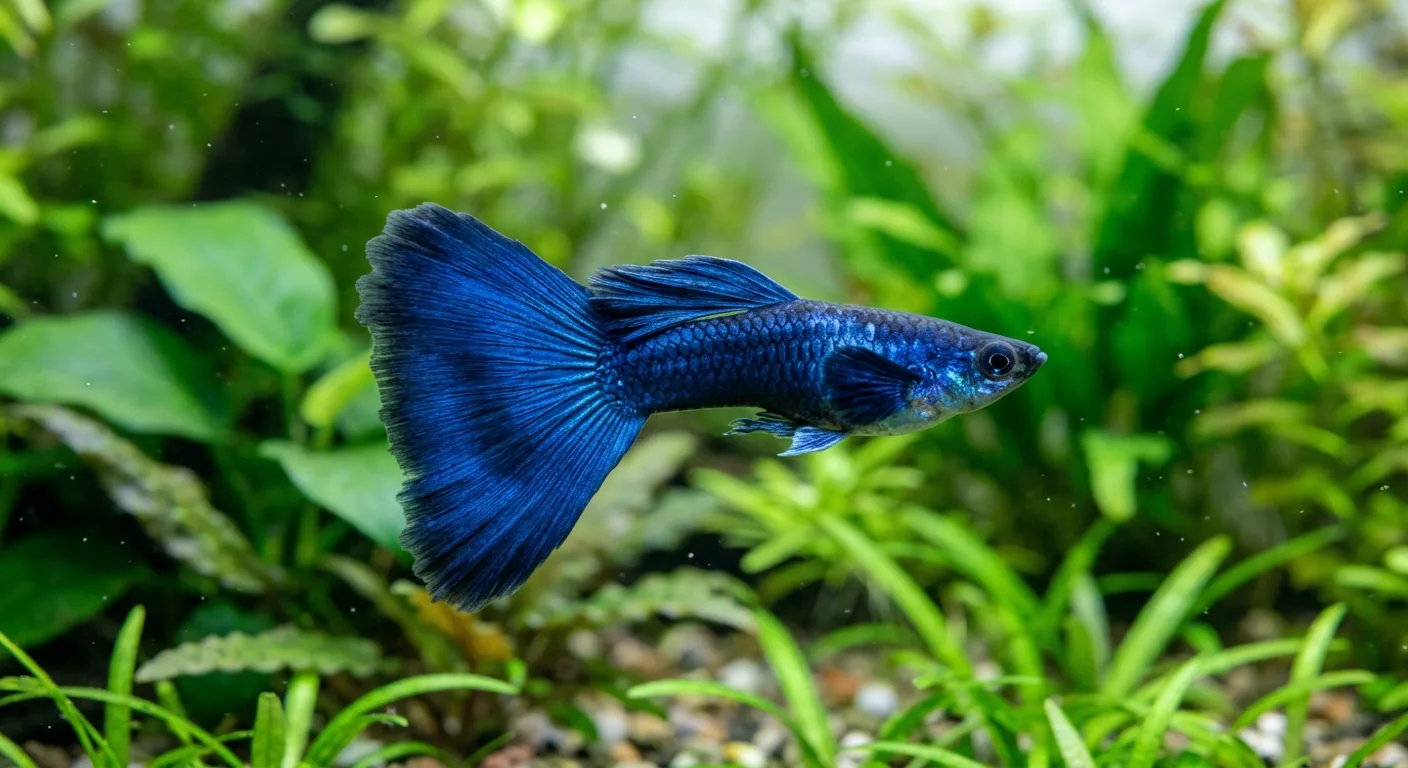
Names differ between sellers, but the most common colors are easy to recognize. Use the table below as a rough guide, and always judge the fish itself rather than the label.
| Color type | What to look for | Notes |
|---|---|---|
| Blue | Deep, even blue body and tail | Often the most sought after |
| Green | Emerald to teal sheen | Color can look different under different lights |
| Black | Dark body with a dark tail | Looks dramatic against green plants |
| Red | Strong red tail, darker body | Look for a clean, even tail |
| Mixed or “neon” | Two tones that shift in the light | Less uniform, so check the photos |
Males show the strongest color and the biggest tails. Females are usually duller and larger in the body, which is normal for guppies in general. If you are not sure how to tell them apart, read male vs female guppy.
How Moscow guppies differ from other fancy guppies
Solid color instead of pattern
Many popular strains are known for patterns such as mosaic, snakeskin or grass. Moscow guppies skip the pattern and focus on a single color. If you like patterns, see our guide to guppy pattern types for comparison.
Tail shape is a separate trait
Color and tail shape are separate traits. A Moscow guppy may have a delta, fan or other tail shape. Our guppy tail types guide shows the main shapes, so you can pick the combination you like.
Similar care, higher expectations
Care is the same as for other fancy guppies. The difference is that a solid-color fish shows stress and poor diet more clearly. Faded or patchy color is an early sign that something is off.
Moscow guppy care basics
Many beginners ask what is a Moscow guppy going to need that a regular guppy does not. The honest answer is very little, just a little more attention to water quality and diet.
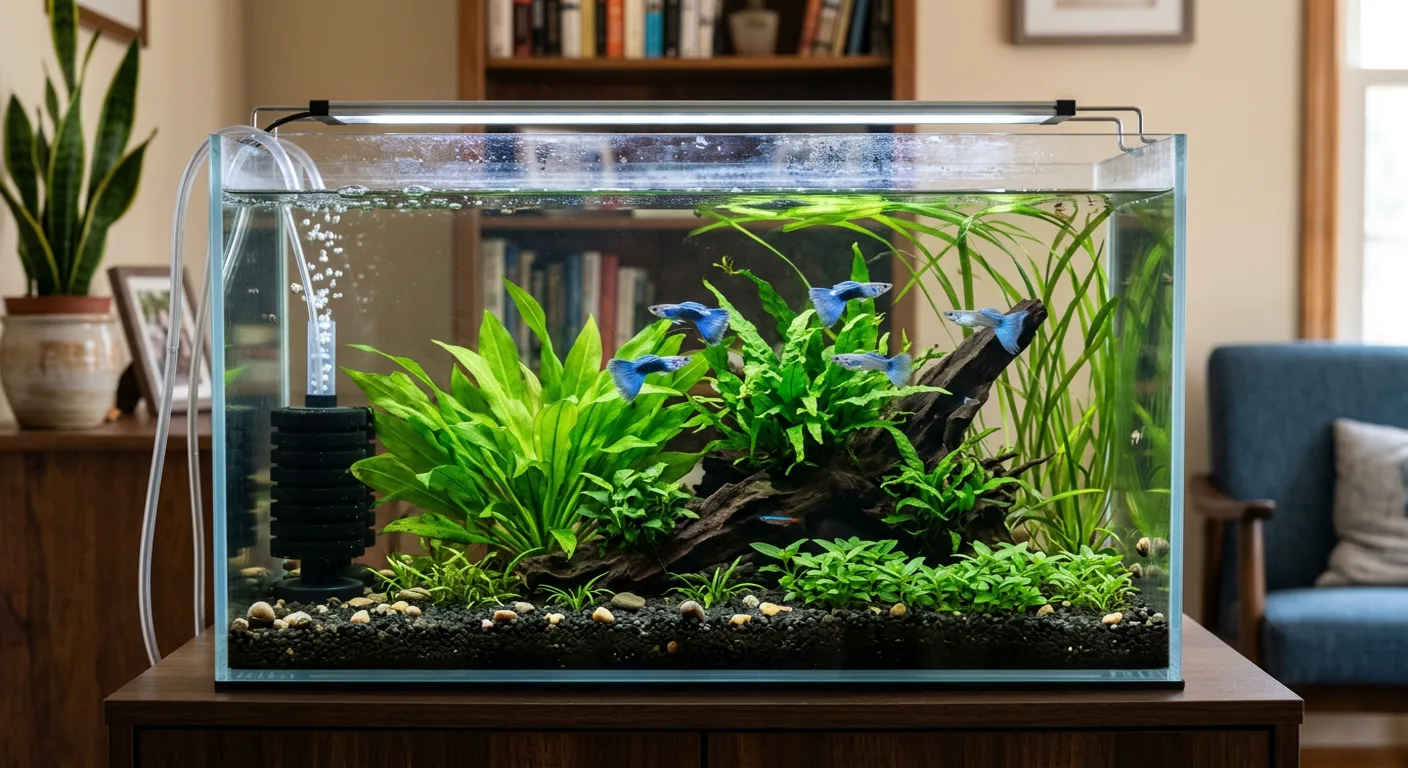
Moscow guppies do well in the same kind of tank that suits any guppy. A planted, gently filtered aquarium with stable water is the goal.
| Care factor | Suggested approach |
|---|---|
| Tank size | 10 gallons works for a small group; 20 gallons is easier to keep stable |
| Temperature | Warm tropical range, kept steady |
| Filtration | Gentle flow; a sponge filter is a good fit |
| Plants | Live plants for cover and algae control |
| Group | More females than males to spread out chasing |
For setup details, see our best tank setup for guppies. Water values matter too, and the guppy water parameters guide explains what to aim for.
When new fish arrive, give them time to settle. Our quarantine guide explains a safe routine before you add them to an existing tank.
Feeding for deep, even color
Color comes from genetics first, but diet and water quality decide how well it shows. Feed a quality flake or micro pellet once or twice a day in small amounts, and add frozen or live foods a few times a week. Foods with plant matter such as spirulina support a healthy look. Our article on the best food for guppy color and growth goes deeper.
Avoid overfeeding. Dirty water dulls any fish, and solid-color strains look flat quickly when the tank is poorly kept. Regular partial water changes are the simplest way to keep color bright.
Breeding Moscow guppies and keeping the color solid
Guppies breed easily, but keeping a strain true takes some discipline. The usual approach is to pick the fish with the most even color and healthiest tails and breed from those only. Fry that come out patchy or pale can be kept as pets but should not be used for breeding if you want to hold the line.
- Keep one color type in each breeding group so the lines stay clean.
- Choose parents with strong, even color and no deformities.
- Do not breed from sick or weak fish.
- Raise fry with plenty of food and clean water so they reach full size.
Mixing a Moscow guppy with a patterned strain will usually produce a mix of looks in the next generation, so expect surprises. Learn the basics in how to breed guppies before you start.
How to choose a good Moscow guppy
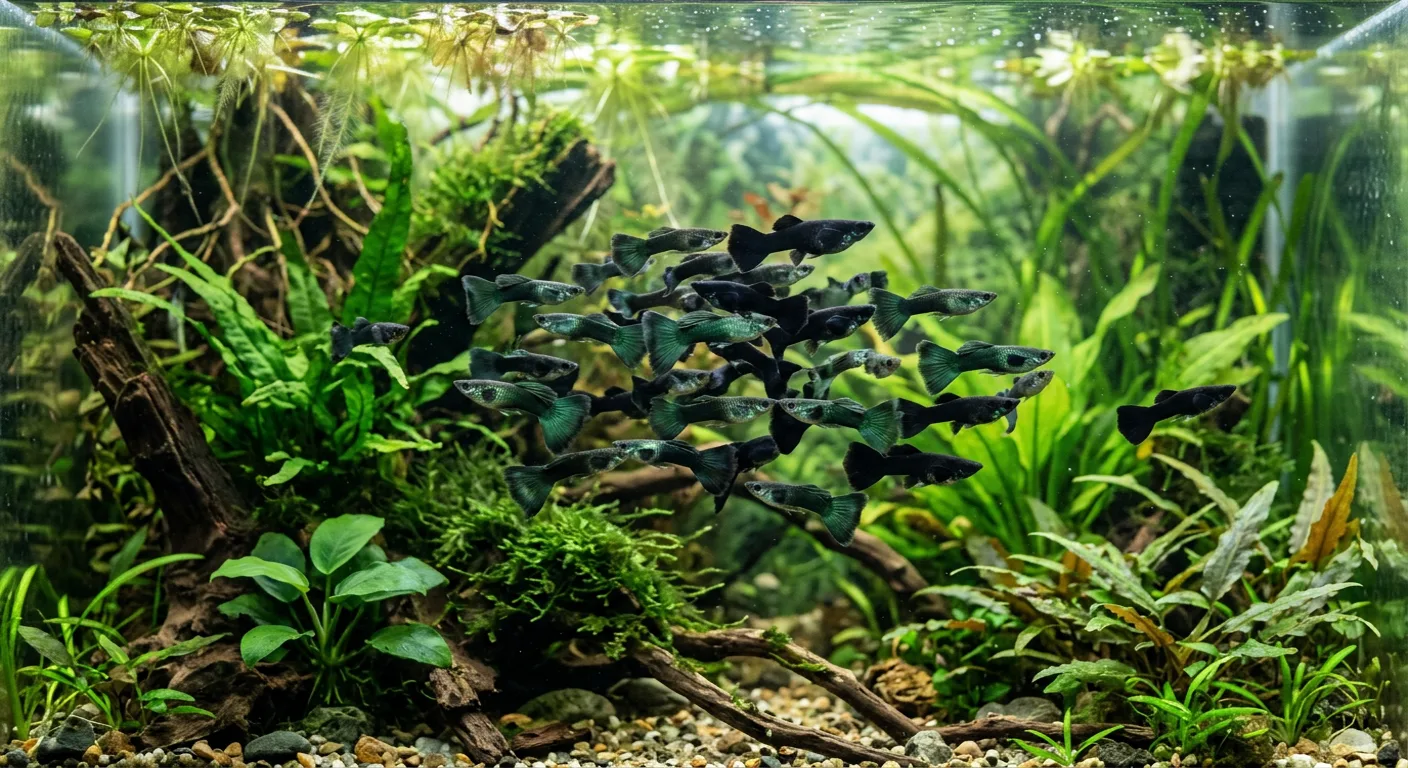
Knowing what is a Moscow guppy at its best helps you spot weak fish. The color should look rich and even from the head to the end of the tail, and the fish should look lively rather than tired.
When you buy, look at the whole fish, not just the best angle in a photo. A good Moscow guppy has these features:
- Even color without large pale patches
- Clear, undamaged fins and a full tail
- Active swimming and a good appetite
- Clean body with no spots, fuzz or clamped fins
Price often reflects color quality, tail shape and breeder reputation. Compare similar fish before you decide. You can browse our male guppies range to see current color options and sizes.
Common mistakes with solid-color guppies
Even people who already know what is a Moscow guppy can slip up when they start keeping or breeding them, so watch for these points.
The most common mistake is judging a fish by one photo. Lighting can make a blue look green or a dark fish look black. Another mistake is keeping too many males together, which leads to chasing and torn fins. A third is expecting every fry to match its parents. Even in a good line, only some offspring will have the same depth of color.
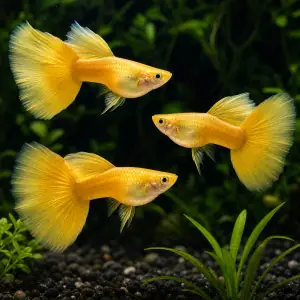
If you want another striking solid-looking strain to compare, read what is a full gold guppy.
Final thoughts on the Moscow guppy
A Moscow guppy is a solid-color fancy guppy that rewards good care with a deep, even finish. It is not harder to keep than other guppies, but it shows poor water and diet more quickly. For background on the species, see the Guppy article on Wikipedia, and for everything else, return to our complete guppy care resource.
FAQ
What is a Moscow guppy?
A Moscow guppy is a fancy guppy strain bred for a solid, even color on the body and tail, commonly blue, green or black.
Are Moscow guppies hard to keep?
No. They need the same care as other guppies: stable warm water, gentle filtration, small regular meals and regular water changes.
Why is my Moscow guppy losing color?
Common causes are stress, poor water quality, a weak diet or illness. Test the water, do a partial change and review feeding first.
Can Moscow guppies live with other guppies?
Yes, they can share a tank with other guppies. Just remember that breeding them with other strains will mix up the colors in the fry.
Do Moscow guppies breed true?
Not automatically. Careful selection of parents with even color helps, but some fry will vary, so choose breeders carefully.
Behind the care guides
Care begins with steady systems
Our guppy guides focus on practical routines: keep water stable, observe fish closely and allow for natural variation.

Care systems
Steady water, thoughtful care
Gentle filtration and regular observation support healthy aquarium routines.

Natural variation
Every guppy is different
Color, size and fin shape vary with strain, age and each individual fish.
Editorial illustrations for context; they do not depict HiGuppy's exact facility or current fish stock.