The HiGuppy Journal
Floating Plants for Guppies: Benefits, Shade and Fry Cover
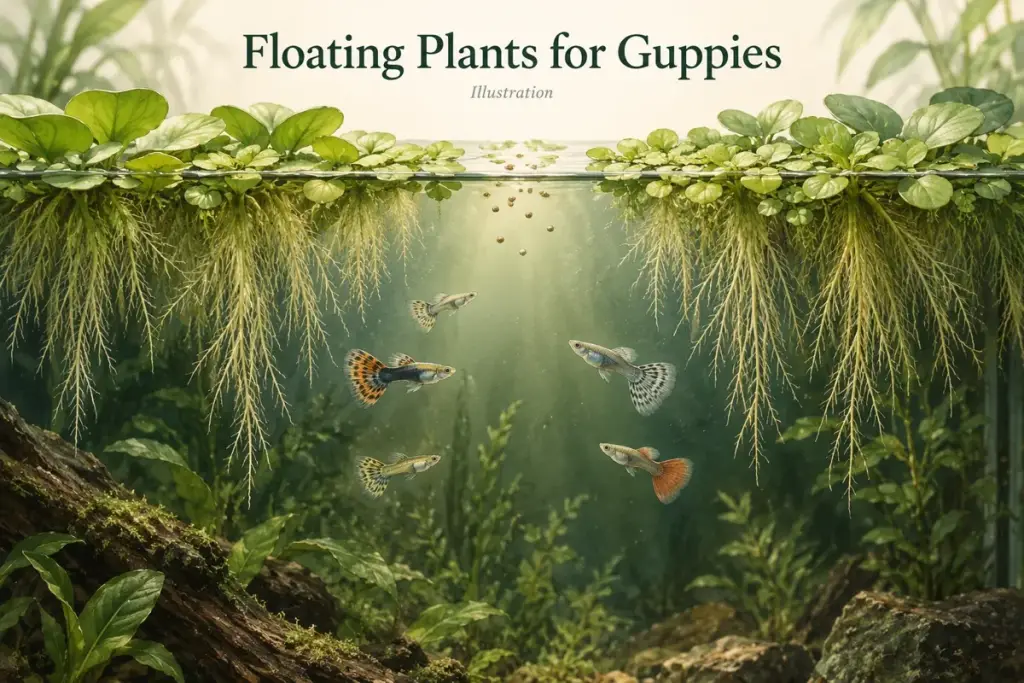
Floating plants can add shade and hiding places to a guppy aquarium, especially around the surface where fry may shelter among roots. Keep some open water for feeding and surface movement, and thin growth before it covers the tank. Floating plants can soften bright light, but they do not replace filtration, water changes, or a balanced algae-control routine.
A small patch is easier to manage than a complete surface mat. Choose a species you can identify, check its care needs, and look at how your filter moves water before adding it. The goal is useful cover without losing access to the fish or the equipment.
What floating plants add to a guppy tank
The roots and leaves can make the upper part of the aquarium feel less exposed. Guppies may swim under the cover, while fry can use the dangling roots as places to retreat. The effect depends on plant density and the aquarium layout, so keep a clear view and observe whether the fish still come out to feed.
Floating growth also shades the water beneath it. Shading can reduce the light that reaches surfaces below, but results depend on the tank and do not guarantee algae control.
Aqueon’s livebearer aquarium guide also describes plant cover as a useful refuge for newborn fry and females. For other plant choices and layouts, compare our best live plants for guppies and planted guppy tank setup guides.
Choose a floater that fits your equipment
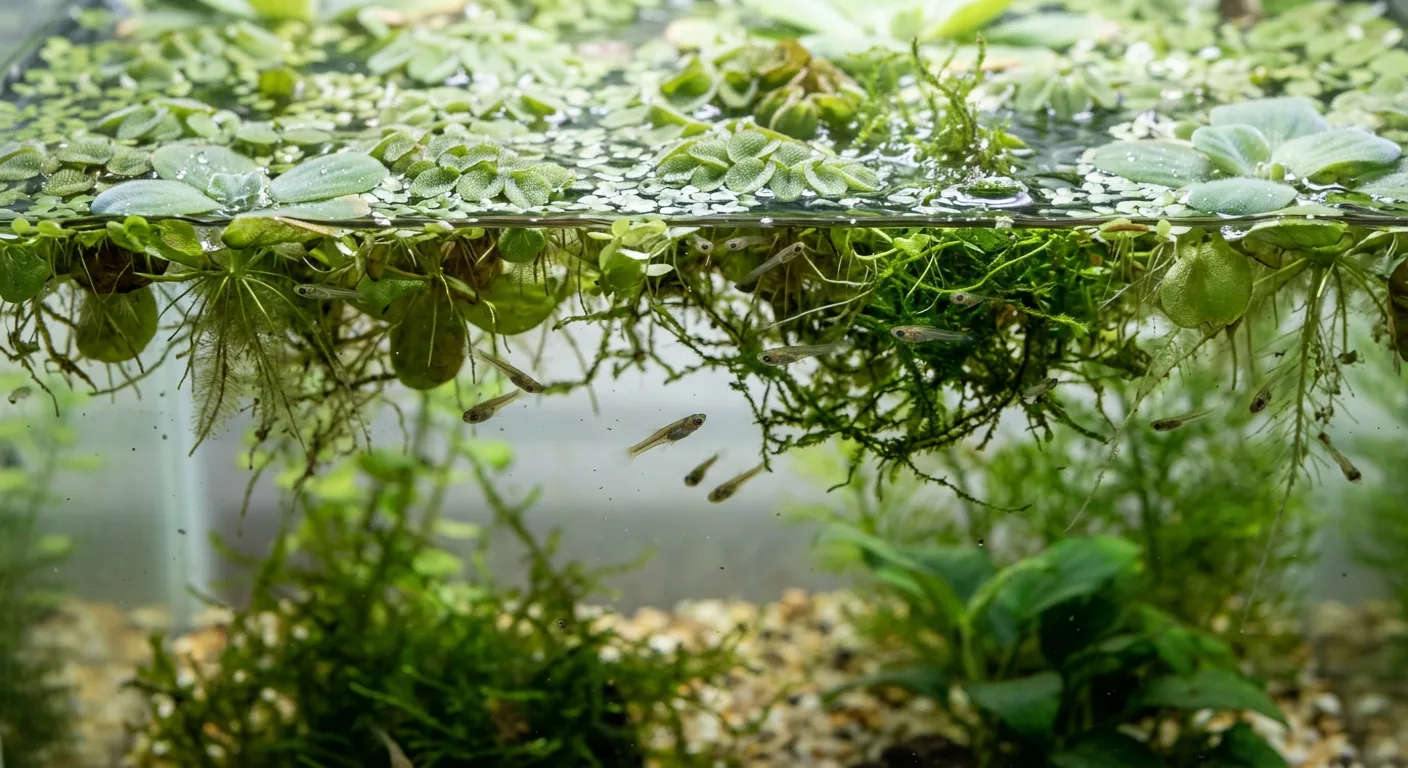
Salvinia is one example of a floating plant used in aquariums. Local shops may also sell other floating species, but names and care needs differ. Check the botanical name or a trusted plant profile, and ask whether the plant needs special light, calm surface conditions, or frequent thinning.
Look at your filter outlet before selecting a plant. A strong stream can push floaters into one corner or keep their leaves wet, while a very still surface may collect a film. Aquarium Co-Op explains in its sponge-filter circulation guide that water moving across the surface supports gas exchange, and its circulation attachment can move floating plants aside to create a larger open area. Use that principle to leave a visible path of open water.
Do not cover the filter intake or let roots tangle around it. Keep equipment accessible so you can check flow and clean the intake during ordinary maintenance. If the plants keep blocking the outlet, reduce the amount or adjust the layout rather than reducing circulation without understanding the effect.
Start small and keep open surface space
Begin with a modest amount of healthy plant material. Spread it across a section of the surface rather than sealing the entire top. Leave an open area near the filter outlet, a clear feeding spot, and enough room to see fish behavior. There is no universal percentage of surface coverage that fits every aquarium; tank shape, flow, plant size, and stocking all matter.
A simple corral made from aquarium-safe tubing can keep floating plants out of the intake and create a stable opening. Make sure the barrier has no sharp edges or gaps where fish can become trapped. If you use no corral, check where the plants drift over several days and adjust them as needed.
Trim and remove excess growth routinely
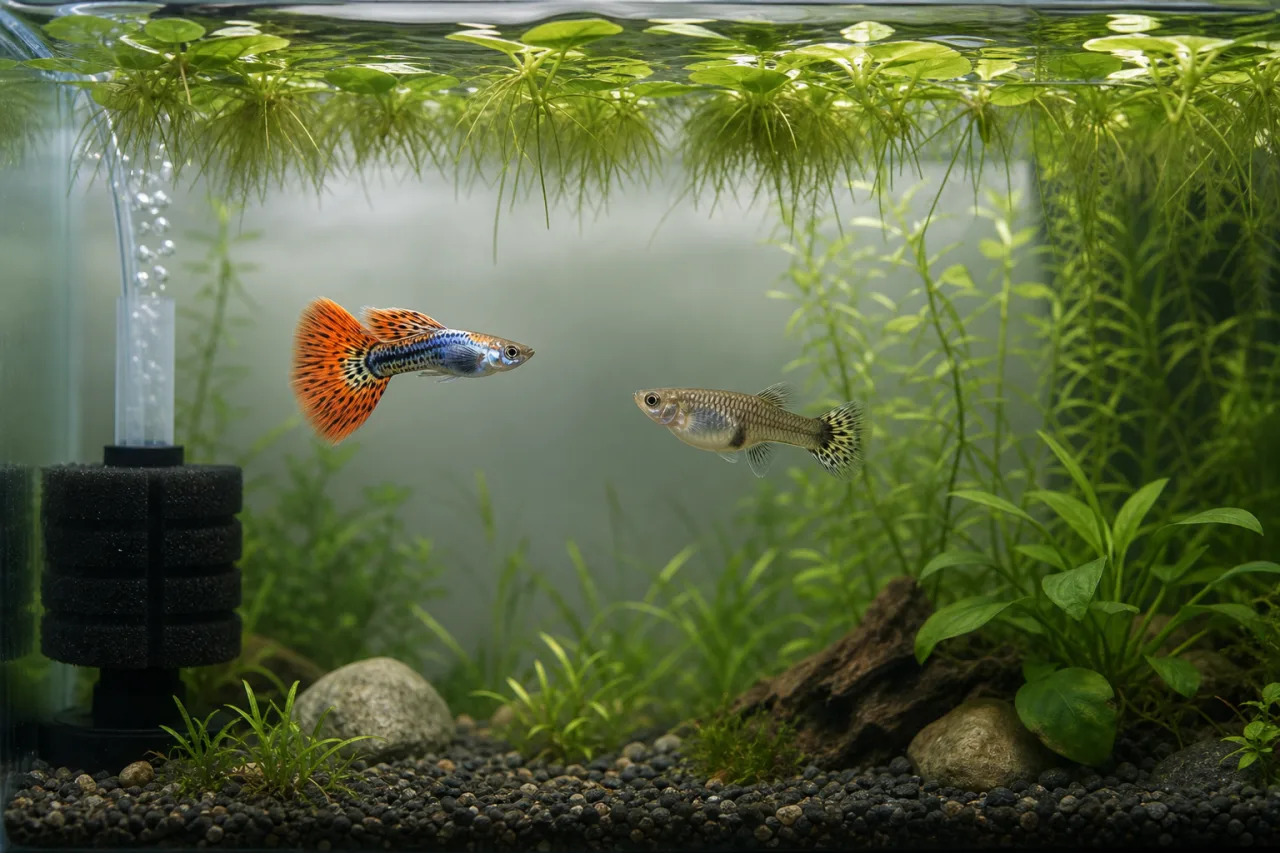
Floating plants often reproduce quickly when conditions suit them. Thin the patch whenever it starts to overlap most of the surface, block light from plants below, or crowd the filter’s outlet. Remove excess with a clean net or by hand, then discard it responsibly. Do not leave a thick layer of dead leaves to decay in the tank. Check local guidance before obtaining or sharing aquatic plants, and never release aquarium plants into natural waterways or drains. The University of Connecticut’s aquatic-plant disposal guidance warns aquarium owners against dumping plants into natural systems; use local waste guidance for trimmings.
During water changes, lift a portion of the plants to check for hidden waste and inspect their roots for decay. Keep enough healthy growth to retain the cover you want, but avoid treating the plant as a permanent fixture that must never be thinned. A smaller patch that stays clean and contained is easier to manage.
If you keep fry, look into the roots before removing a large clump. Fry can be difficult to see among plant roots. Move the plant gently and keep a separate fry plan in mind; our raising guppy fry guide covers grow-out and feeding considerations.
Floating plants and algae control
Shade can change how much light reaches surfaces below, but algae depends on more than light alone. Feeding, fish waste, water changes, plant growth, source water, and the aquarium’s age all affect what grows. If algae increases, review the full routine instead of adding more floaters and expecting a quick fix.
Use a timer for consistent lighting and keep feeding portions measured. Remove visible algae when it is easy to reach and maintain routine water care. Our Guppy Tank Lighting Schedule can help you plan the light cycle. Keep filter flow and surface agitation adequate for the fish; Aquarium Co-Op notes that surface movement helps oxygen exchange and can move floaters aside to preserve open water.
If the lower plants begin to stretch or lose light, thin the floaters before changing several other things at once. Make one adjustment, observe the aquarium, and then decide whether more light, a smaller floating patch, or another layout change is needed.
Use plants as cover, not as a fry guarantee
A floating root curtain can give fry more places to hide, but adults can still reach them. It does not replace a protected filter intake, feeding plan, or a separate grow-out aquarium when you intend to raise fry. Aqueon notes that guppies may eat their young and that newborns may need separate rearing to improve protection.
For an adult display aquarium, floating plants can offer a softer surface and shaded area. For a breeding project, plan for the number of fish, equipment, and ongoing care before relying on plants alone. The sponge filter guide covers one option for fry-conscious filtration.
A quick floating-plant check
- Confirm the plant identity and care needs before introducing it.
- Start with a small patch and leave open surface water.
- Keep roots and leaves clear of the filter intake and outlet.
- Thin excess growth before it blocks feeding, light, or circulation.
- Inspect roots and look for fry before removing a large section.
- Continue routine filtration, water care, and algae checks.
Frequently Asked Questions
Do guppies like floating plants?
Many guppies use plant cover as shelter, and floating roots can create a quieter area near the surface. Individual fish and tank layouts differ, so keep open swimming and feeding space and observe how your guppies use the cover.
Are floating plants good for guppy fry?
They can offer places for fry to hide among roots, but they do not prevent adult fish from reaching every fry. Use them as one part of a fry-care plan that includes suitable feeding and protected filtration.
Can floating plants block oxygen?
A dense surface mat can reduce the area of open water and limit visible surface movement. Keep a clear area near the filter outlet and maintain circulation suitable for the fish. Do not let plants cover the entire surface by default.
Do floating plants stop algae?
They may shade parts of the aquarium, and some species can compete for light and nutrients. They do not guarantee algae control. Review light duration, feeding, maintenance, and water conditions if growth becomes excessive.
How often should I thin floating plants?
Thin them when they crowd most of the surface, obstruct equipment, block light below, or make it hard to feed and observe fish. Growth varies by tank, so use visible conditions rather than a fixed weekly schedule.
Behind the care guides
Care begins with steady systems
Our guppy guides focus on practical routines: keep water stable, observe fish closely and allow for natural variation.
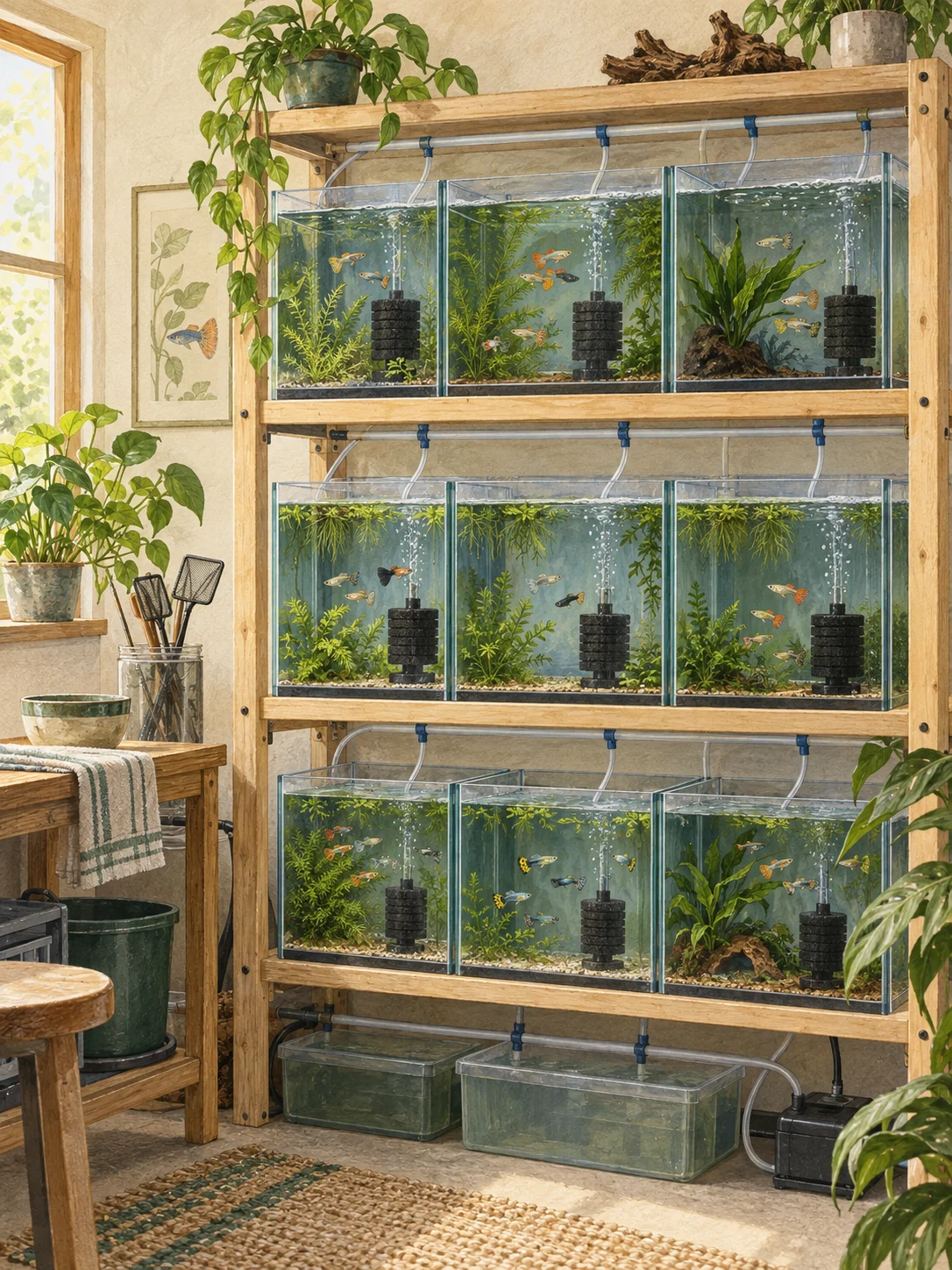
Care systems
Steady water, thoughtful care
Gentle filtration and regular observation support healthy aquarium routines.
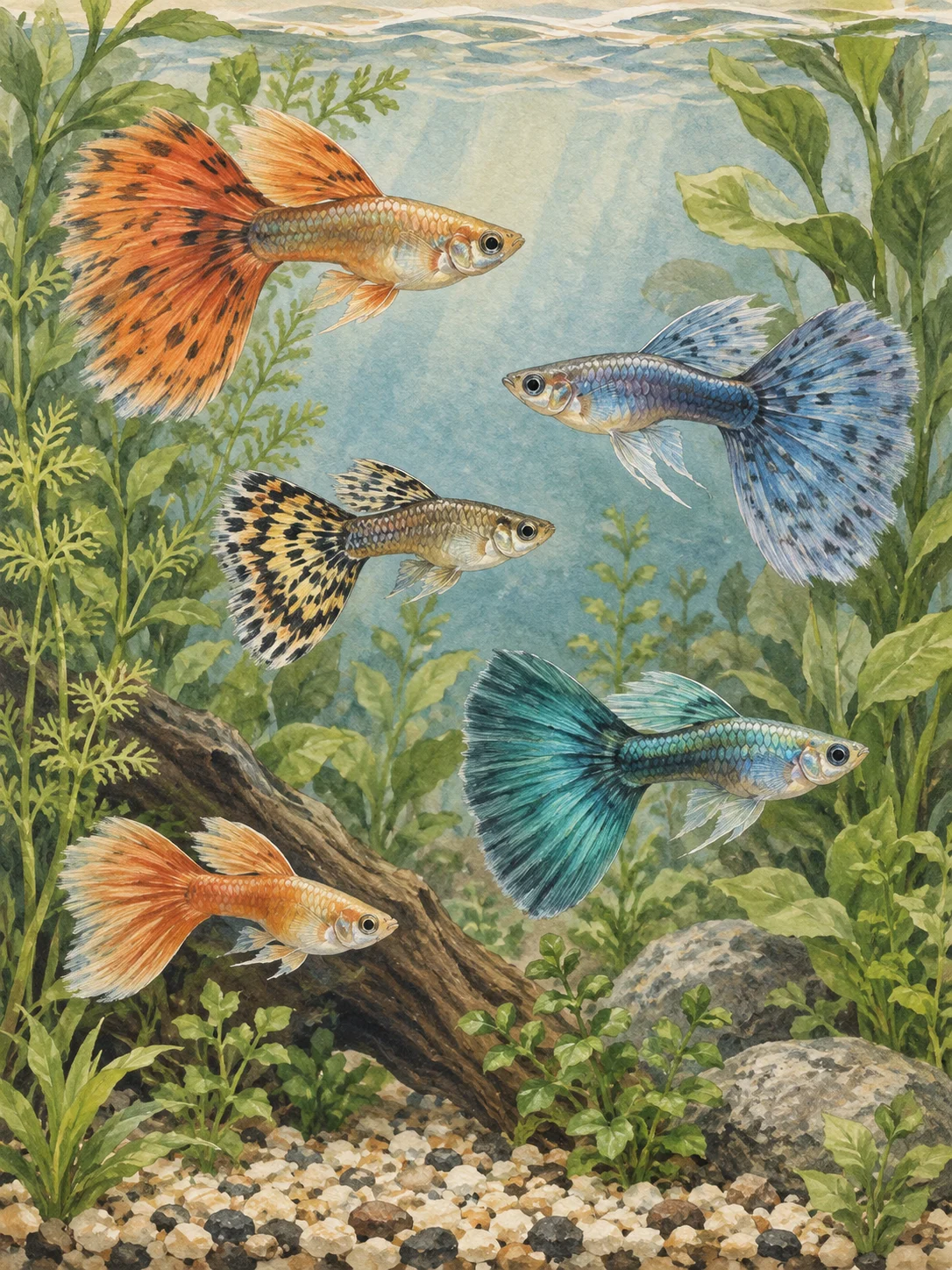
Natural variation
Every guppy is different
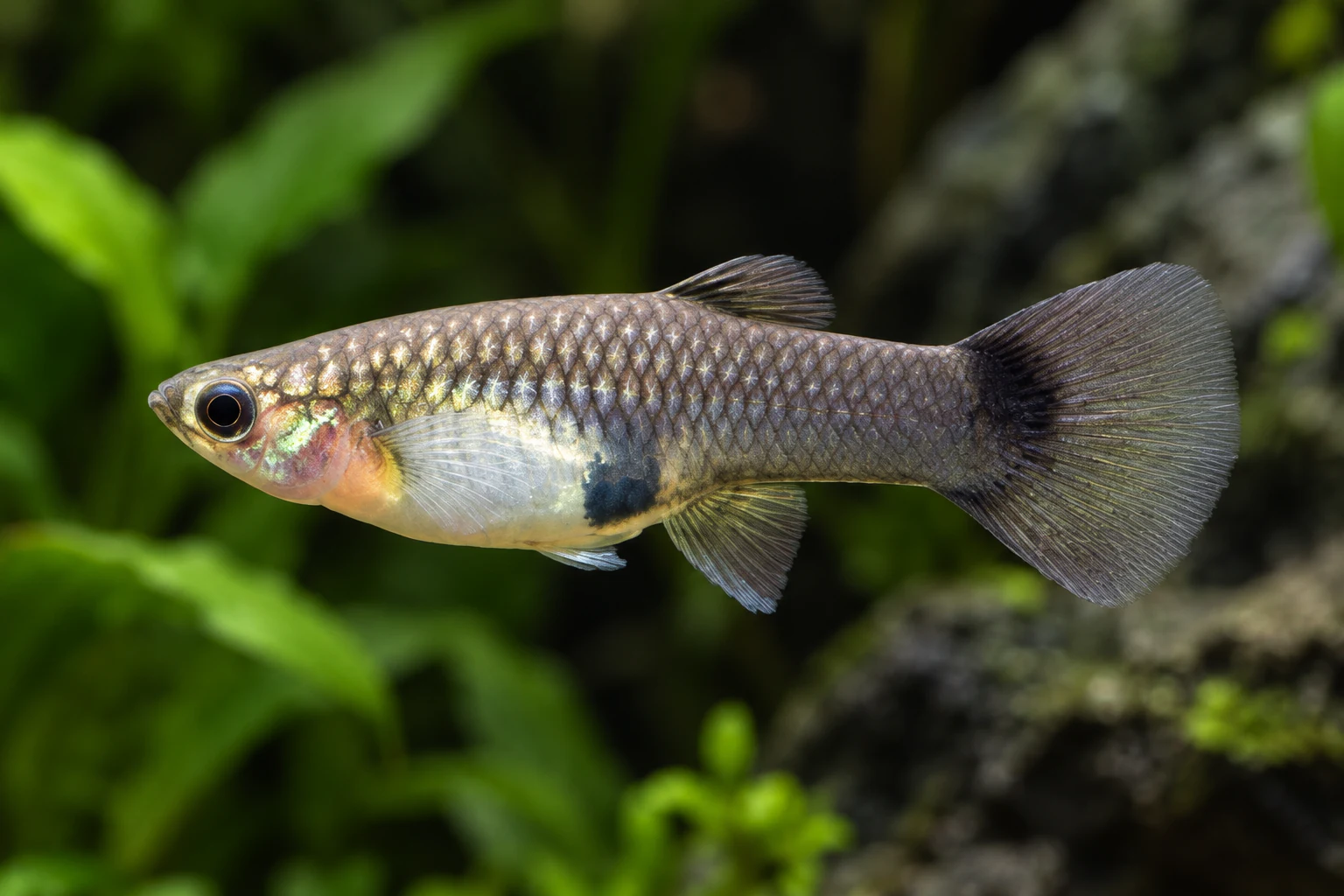
Color, size and fin shape vary with strain, age and each individual fish.
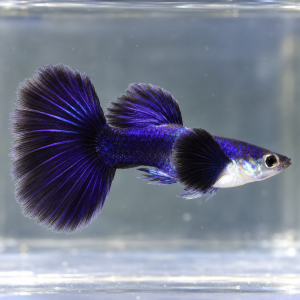
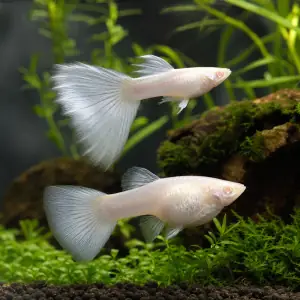
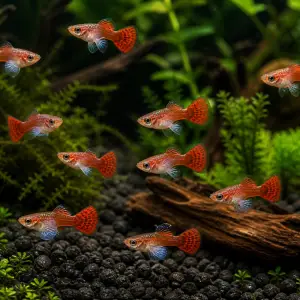
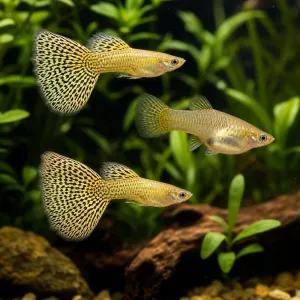
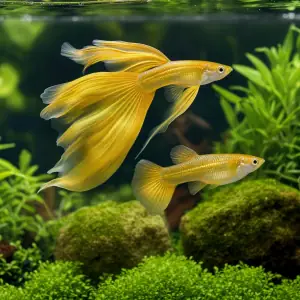
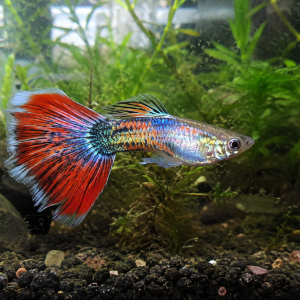
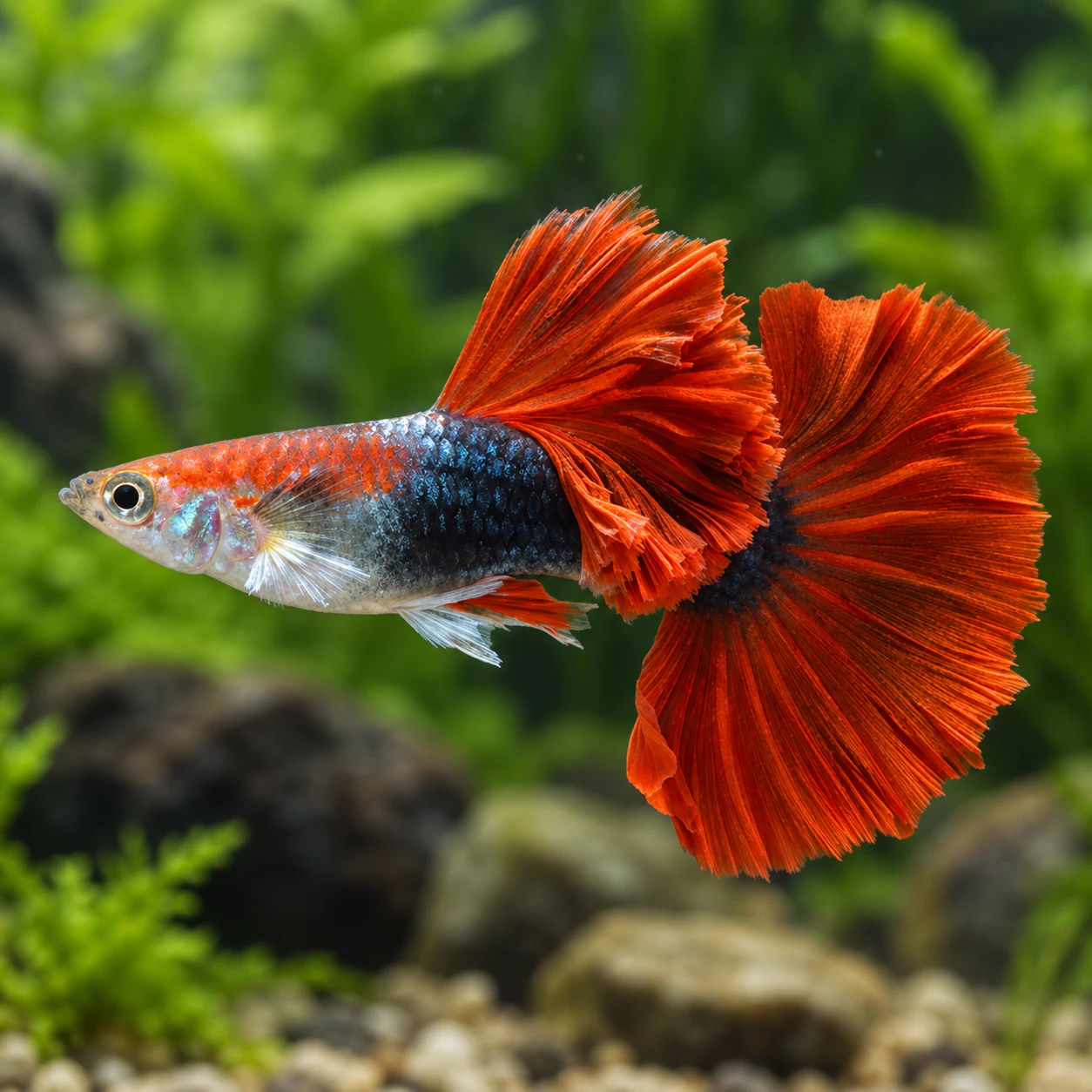
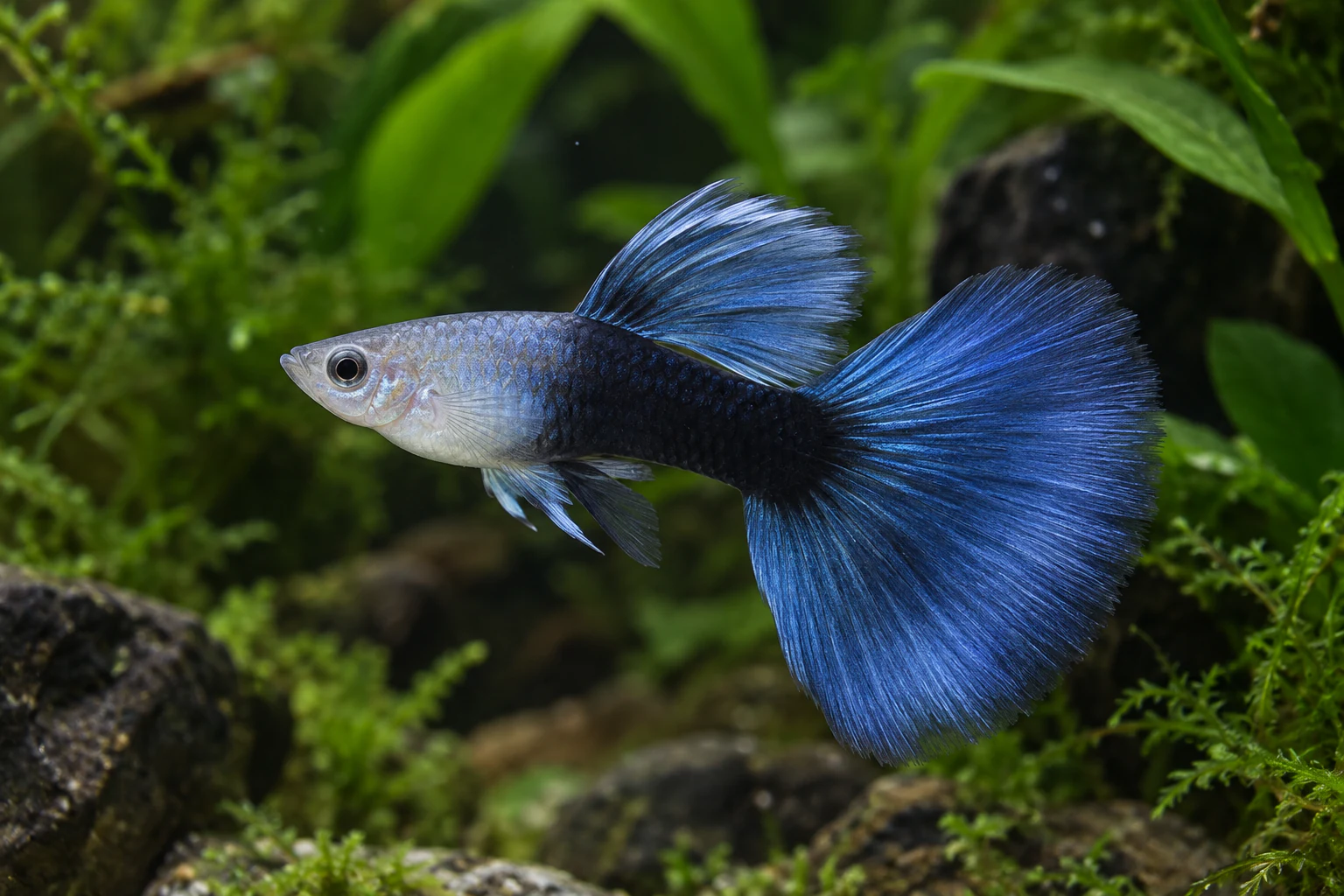
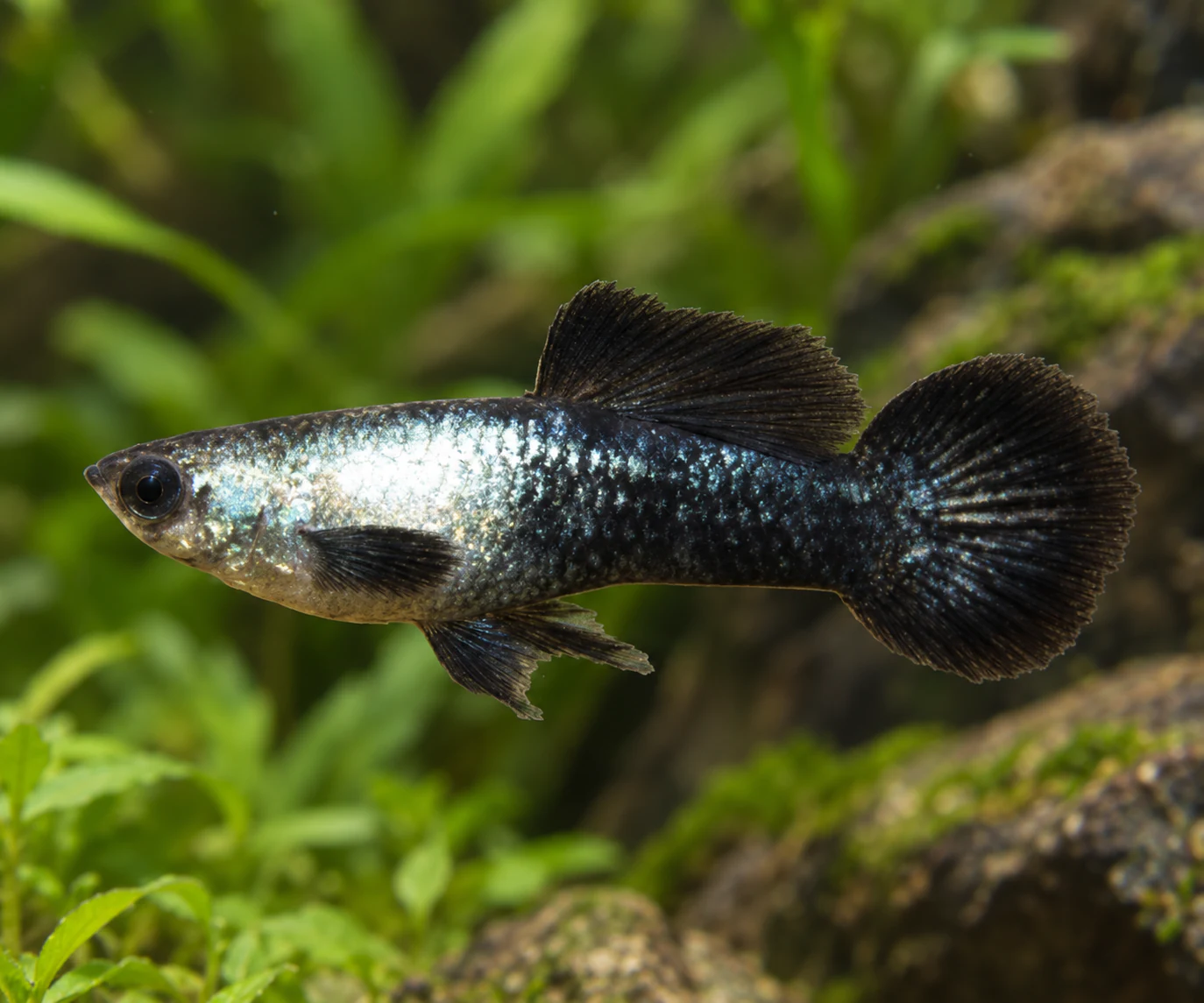
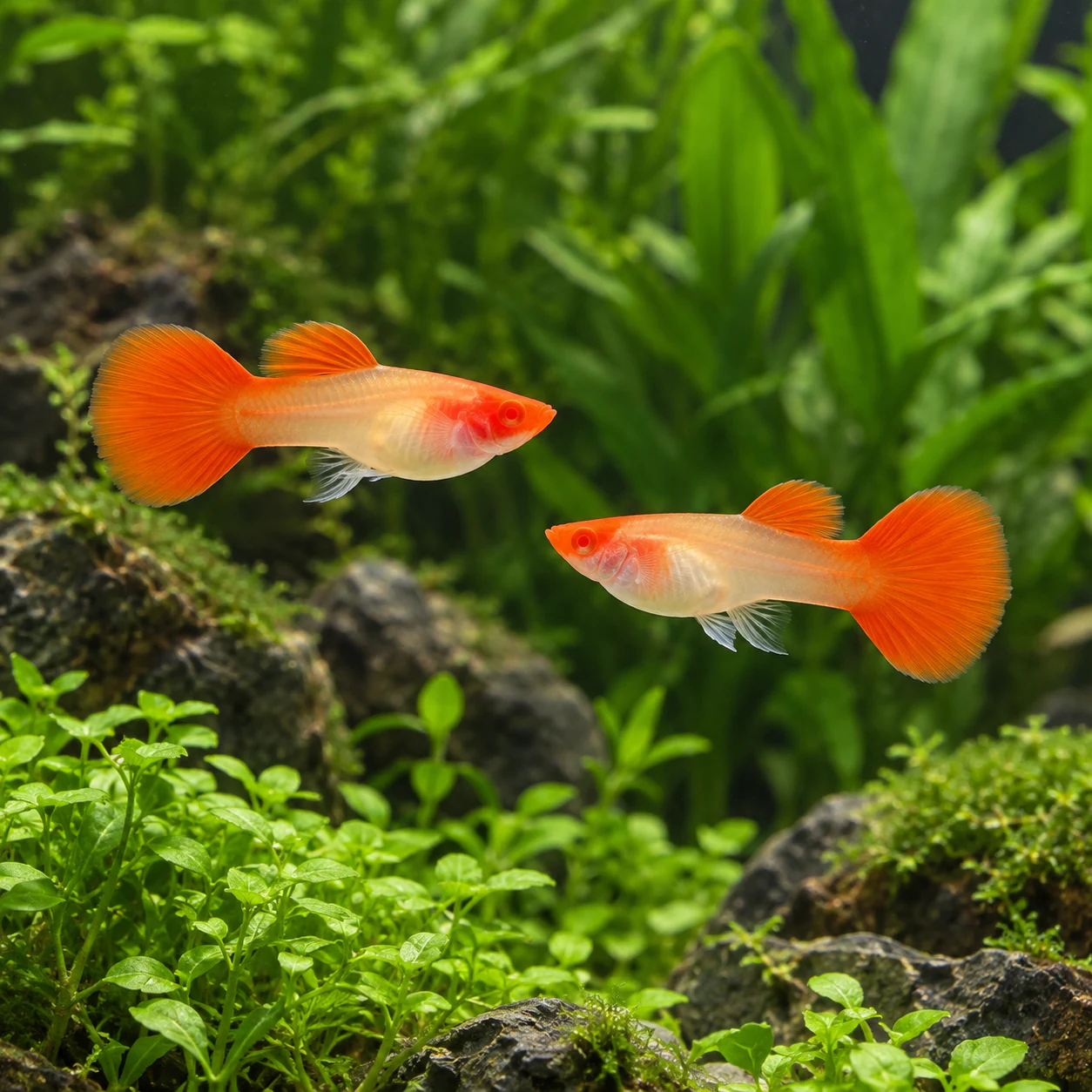
Editorial illustrations for context; they do not depict HiGuppy's exact facility or current fish stock.