The HiGuppy Journal
Guppy Color Enhancement Guide: Food, Light and Low-Stress Care
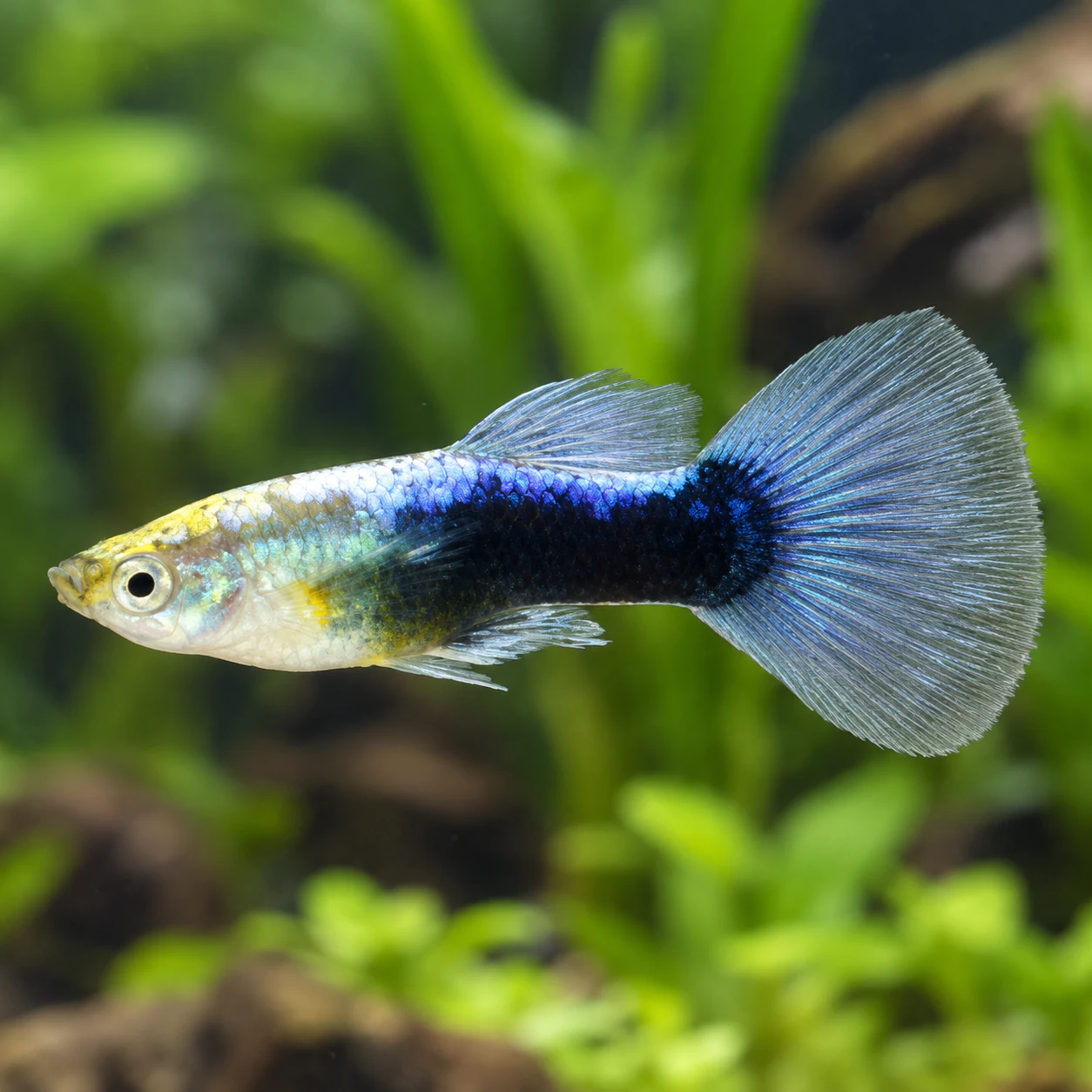
Guppy color depends on inherited traits, maturity, nutrition, health, and how light reaches the fish. Support natural color with a suitable complete diet, stable water, a regular day-night cycle, and low-stress housing. Color foods cannot create a new strain pattern, and sudden fading with behavior changes calls for a water and health check.
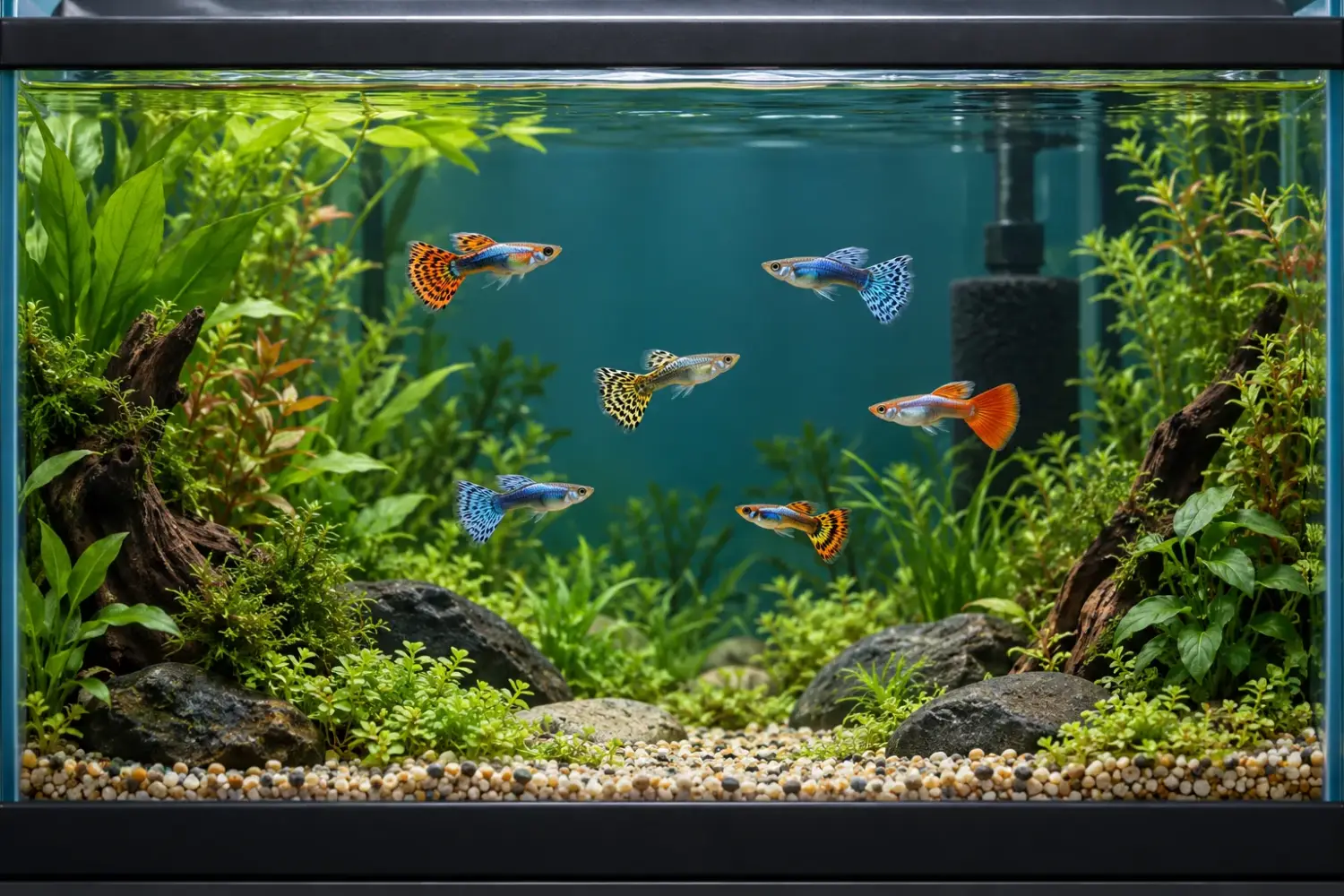
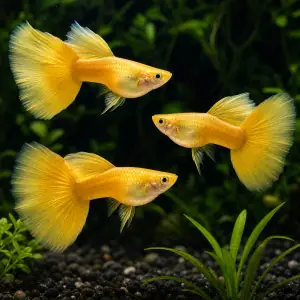
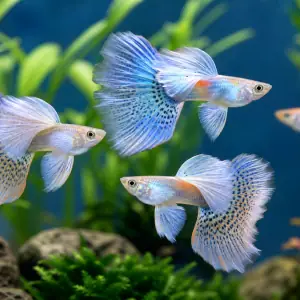
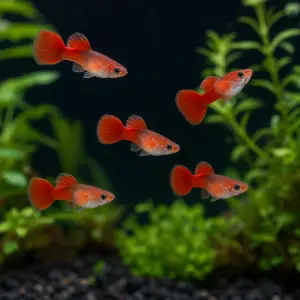
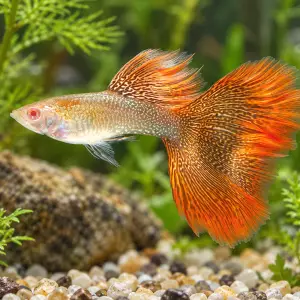
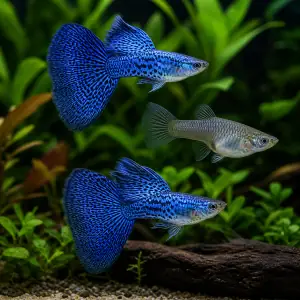
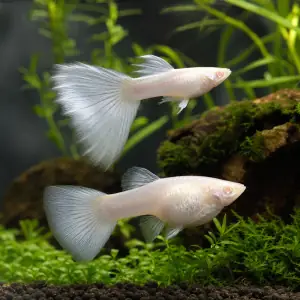
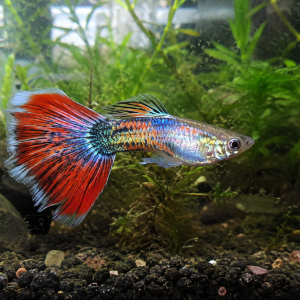
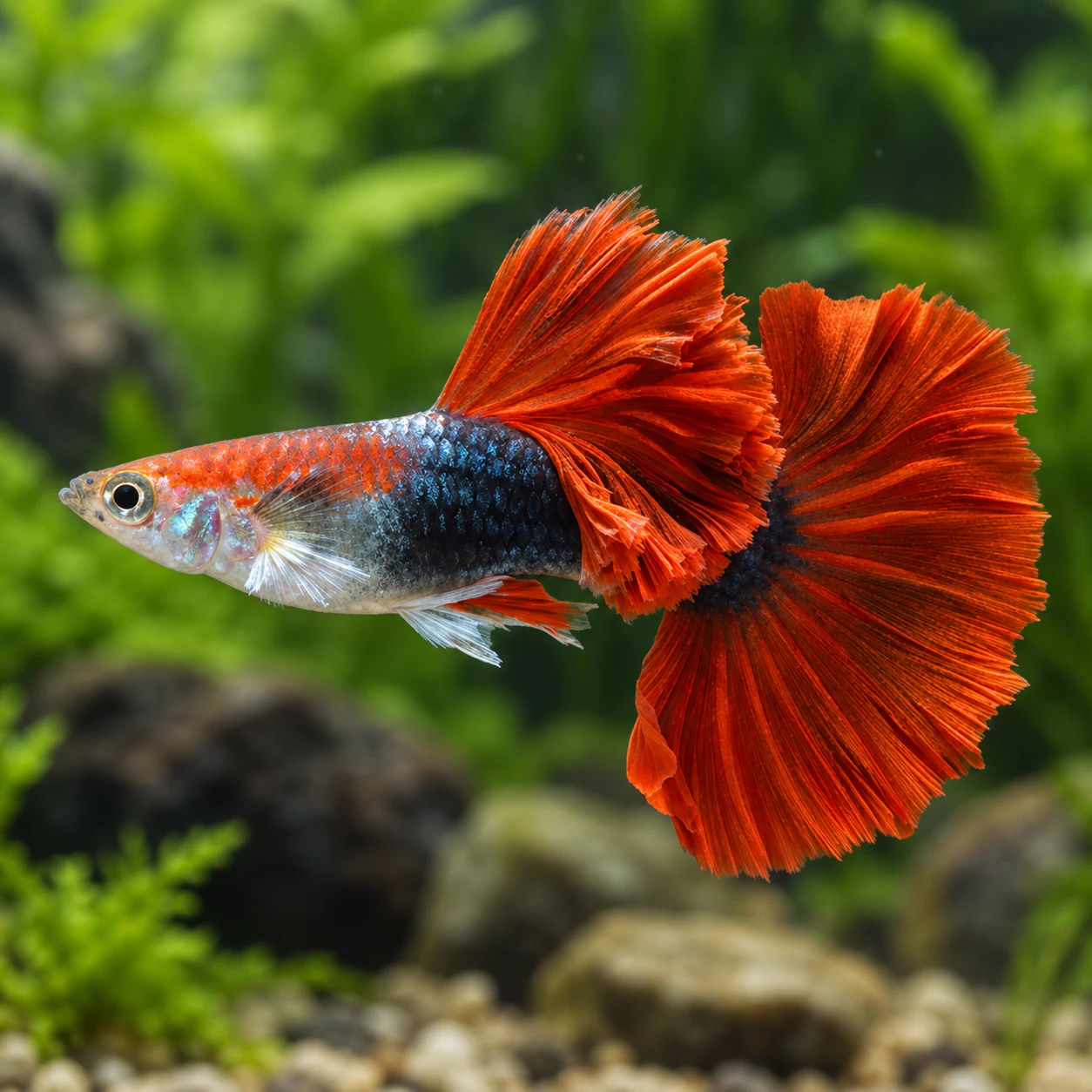
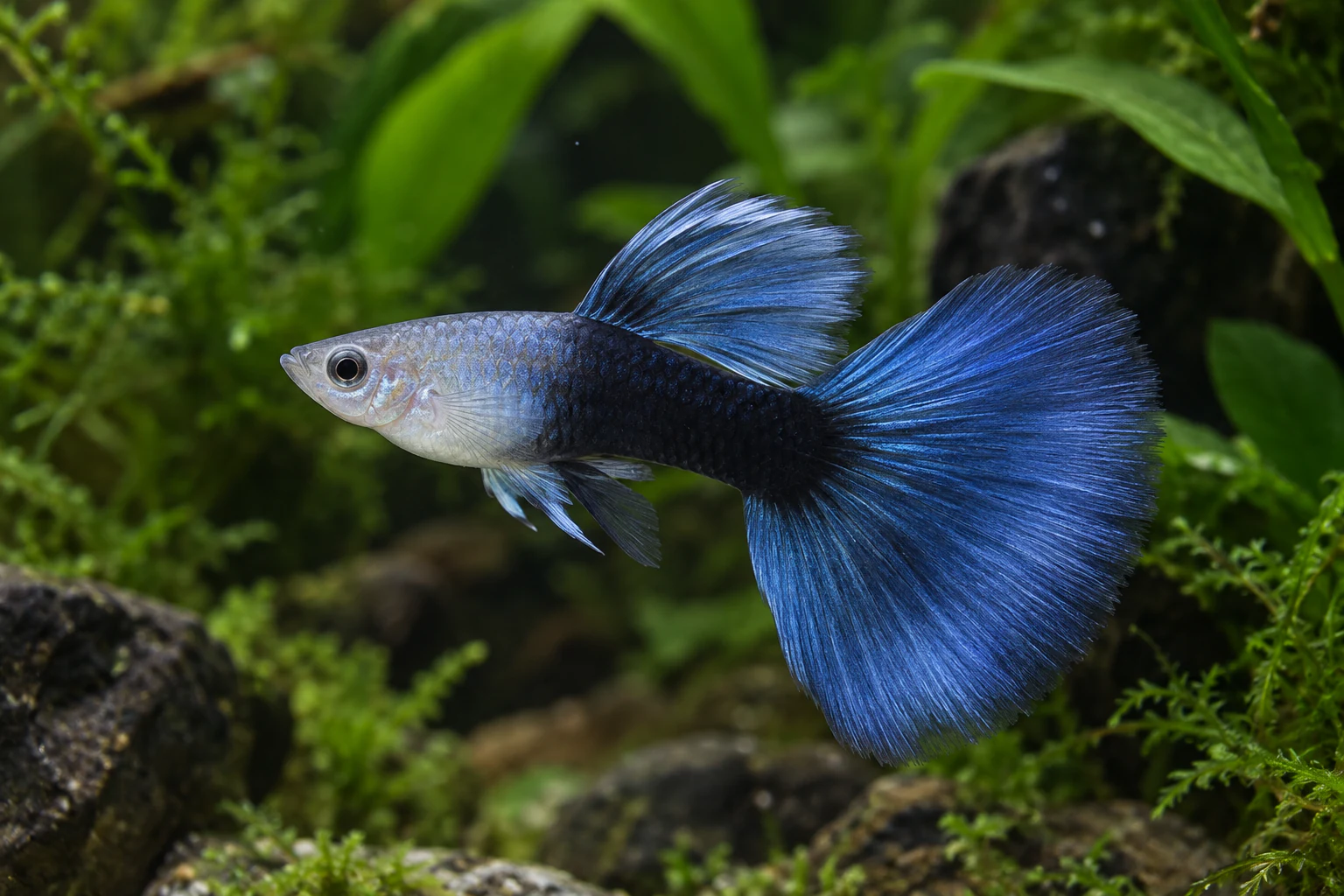
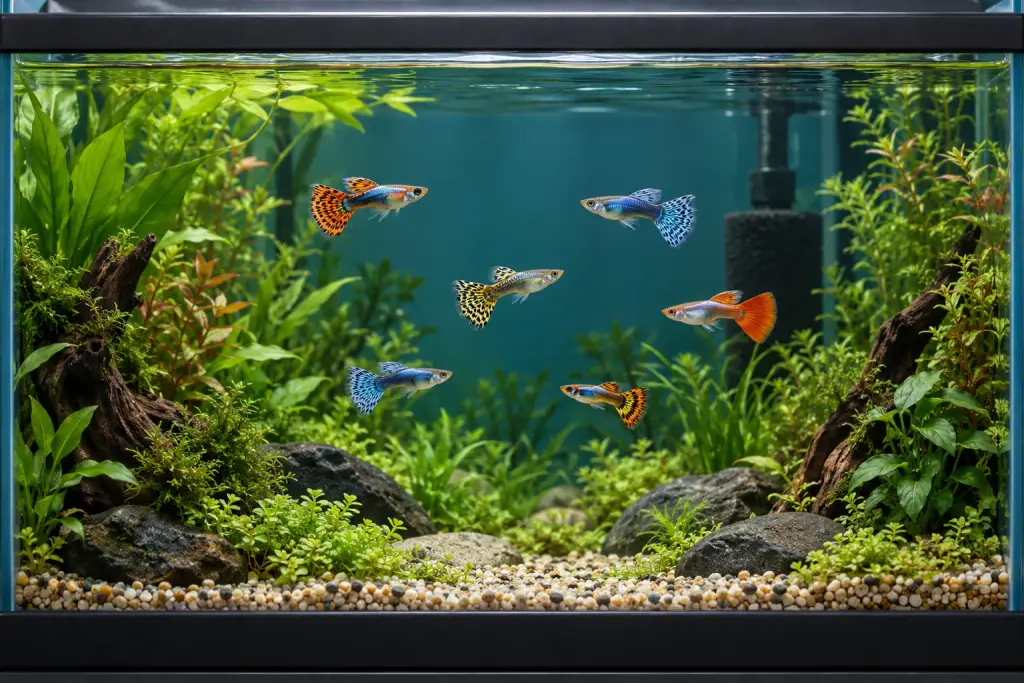
Color is one of the biggest reasons people fall in love with guppies. Males can show bright reds, blues, yellows, metallic tones, lace patterns, and dramatic tails. But color is not created by one magic food or one special light.
To bring out strong color, you need to support the fish from multiple angles: genetics, diet, water quality, lighting, maturity, and low stress. When these pieces work together, guppies look more active, confident, and vibrant.
Color Boost Checklist
- Start with strong genetics.
- Feed a varied, quality diet.
- Keep water clean and stable.
- Use consistent aquarium lighting.
- Reduce stress and chasing.
- Give young guppies time to mature.
Genetics Set the Foundation
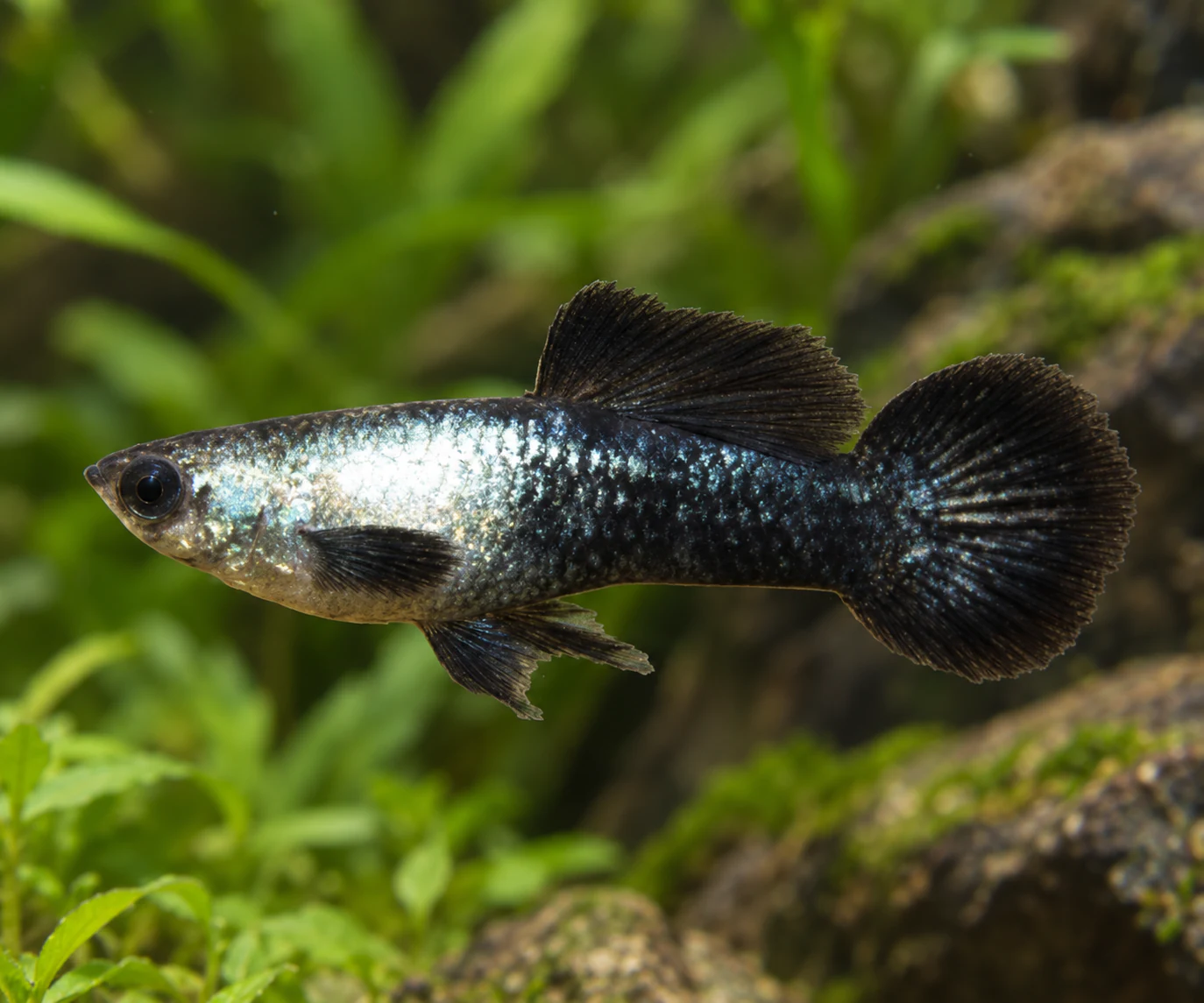
Food and care can help guppies display their potential, but genetics decide the base pattern and color quality. Specific color and pattern traits depend on the parent stock; a named strain does not guarantee the color or health of every individual.
Ask for clear, representative photos and realistic expectations about the fish you are considering. Good care after arrival protects that potential and helps the fish continue developing.
HiGuppy Tip
Color enhancement should be natural. Focus on better care, not shortcuts that stress fish or damage water quality.
Best Foods for Guppy Color
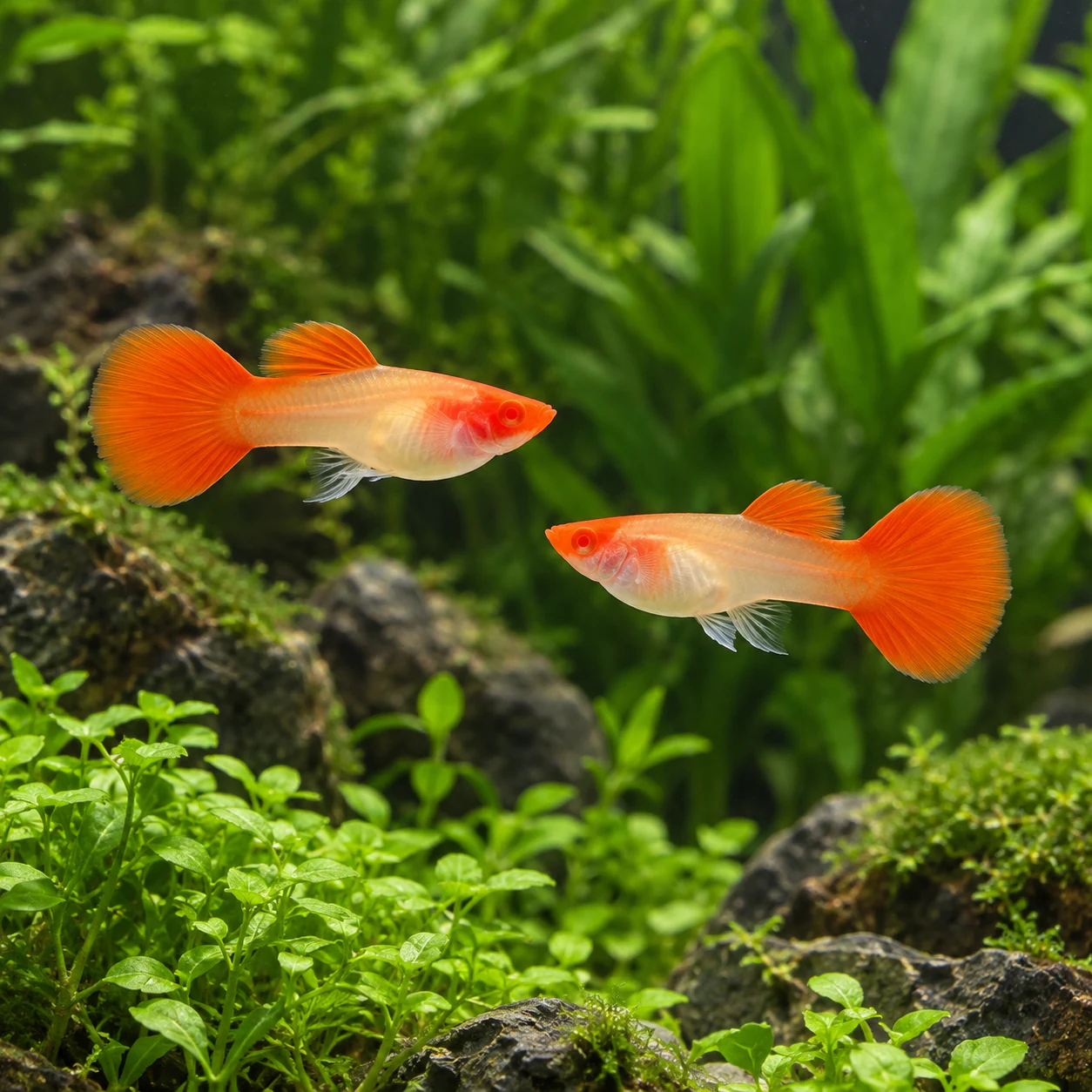
A varied diet helps guppies show stronger condition. Look for quality staple foods and occasional treats that include natural color-supporting ingredients such as spirulina, krill, shrimp meal, and carotenoid-rich sources.
Do not overfeed color foods. More food does not automatically mean more color. Overfeeding creates waste, and poor water can make fish look dull even if the food is expensive.
| Color Support | Helpful Source | How to Use |
|---|---|---|
| Red and orange tones | Carotenoid-rich foods | Use as part of a varied diet. |
| Overall condition | Quality flakes or pellets | Daily staple in small portions. |
| Visible color display | Clean water and lighting | Keep water stable and use suitable viewing light. |
| Growth and energy | Protein treats | Offer occasionally, not excessively. |
Lighting Makes Color Easier to See
A good aquarium light helps reveal color, especially metallic and patterned guppies. Use a consistent day-night schedule and avoid leaving lights on all day. Too much light can increase algae and stress fish if they have no shade.
Plants, floating cover, and darker backgrounds can also make guppy colors stand out. The goal is a balanced display, not harsh lighting that makes the tank uncomfortable.
Stress Can Make Guppies Look Dull
Guppies often lose brightness when stressed by shipping, bullying, poor water, fast current, or sudden changes. New arrivals may look pale at first and color up after settling into stable conditions.
If your guppy suddenly looks dull, check behavior and water quality before assuming it needs more color food.
Color Mistakes to Avoid
- Expecting food to replace genetics.
- Overfeeding color-enhancing foods.
- Using lights too long every day.
- Ignoring stress after shipping.
- Keeping colorful males in aggressive or overcrowded tanks.
Final Thoughts
The best way to improve guppy color is to combine strong genetics with clean water, balanced food, steady light, and low-stress care. Be patient, especially with young fish and new arrivals. A healthy guppy in a stable tank will usually show better color over time.
Check progress without changing several things at once
Choose one normal viewing time and photograph the fish under the same light and camera settings. Metallic colors can look different when a fish turns, and a phone’s automatic processing may change saturation between shots. A photo under a new lamp is not proof that the fish developed more pigment.
Keep a short record of the staple food, feeding response, lighting schedule, and water readings. If you change food, use an appropriate complete diet and observe acceptance before making another change. Never add extra meals simply because a package promises color. A tank with uneaten food needs portion correction, even if the fish appear eager.
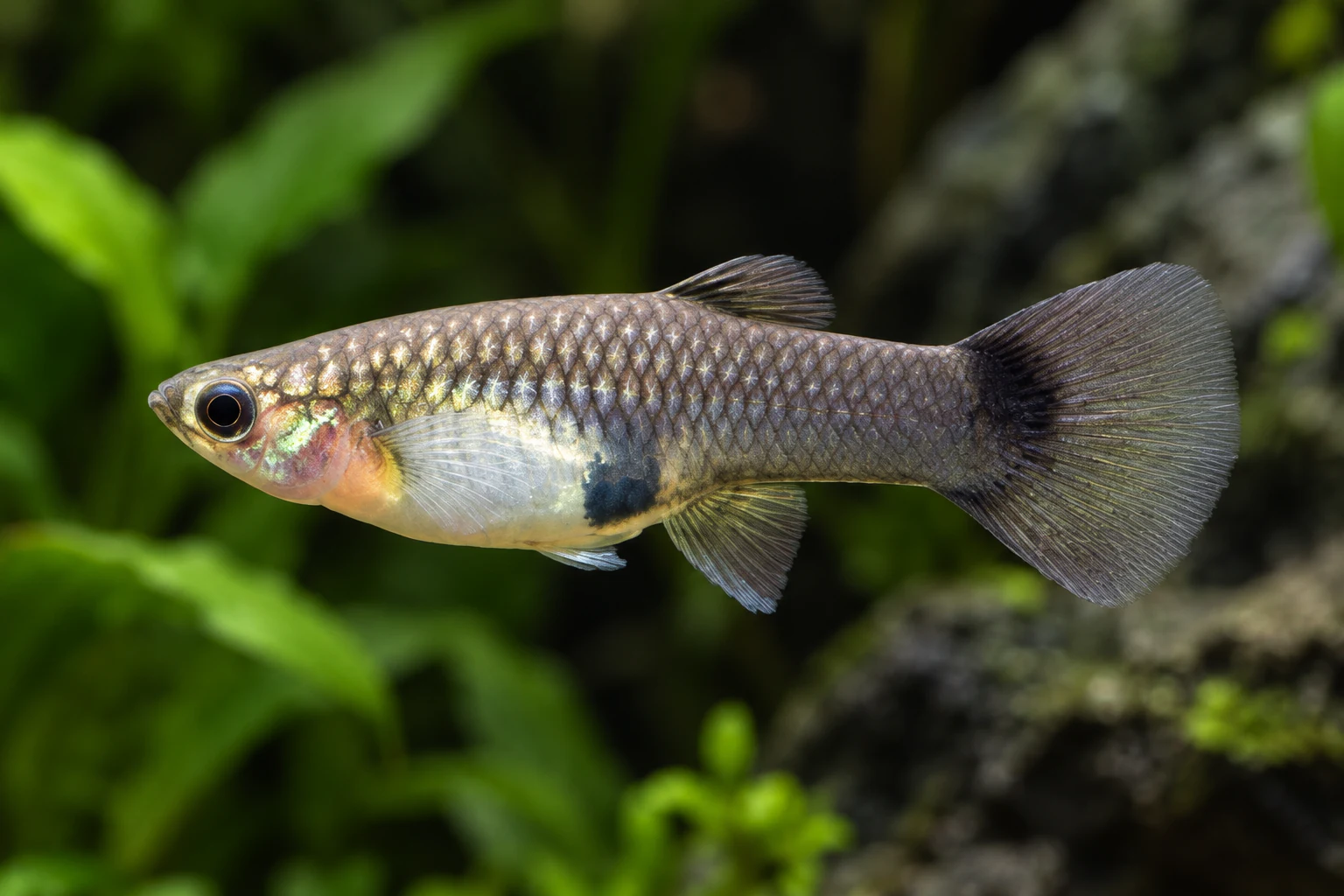
Expect young fish to develop at different rates. Compare growth and activity alongside color, and avoid promising that a dull juvenile will become a particular shade. Female guppies and different strains also have different natural displays. Good care supports the fish you have; it cannot guarantee a seller’s ideal photograph.
Separate a display question from a health change
A healthy fish that looks different under another light presents a different question from a fish that suddenly fades, clamps its fins, or stops eating. For the second situation, review why guppies lose color and check water and behavior promptly. Do not wait for a color food to solve a health problem.
Use the guppy food guide to compare staple options and the lighting guide to maintain a consistent day-night routine. Choose a comfortable aquarium first, then evaluate the display under ordinary viewing conditions.
FAQ: Guppy Color Enhancement
What makes guppies more colorful?
Genetics, clean water, low stress, quality food, maturity, and good lighting all help guppies show stronger color.
Can food change a guppy’s color?
Food can support natural color, but it cannot create traits the fish does not genetically have.
Why did my guppy lose color after shipping?
Shipping stress can make guppies look pale. Many fish regain color after resting in clean, stable water.
Behind the care guides
Care begins with steady systems
Our guppy guides focus on practical routines: keep water stable, observe fish closely and allow for natural variation.
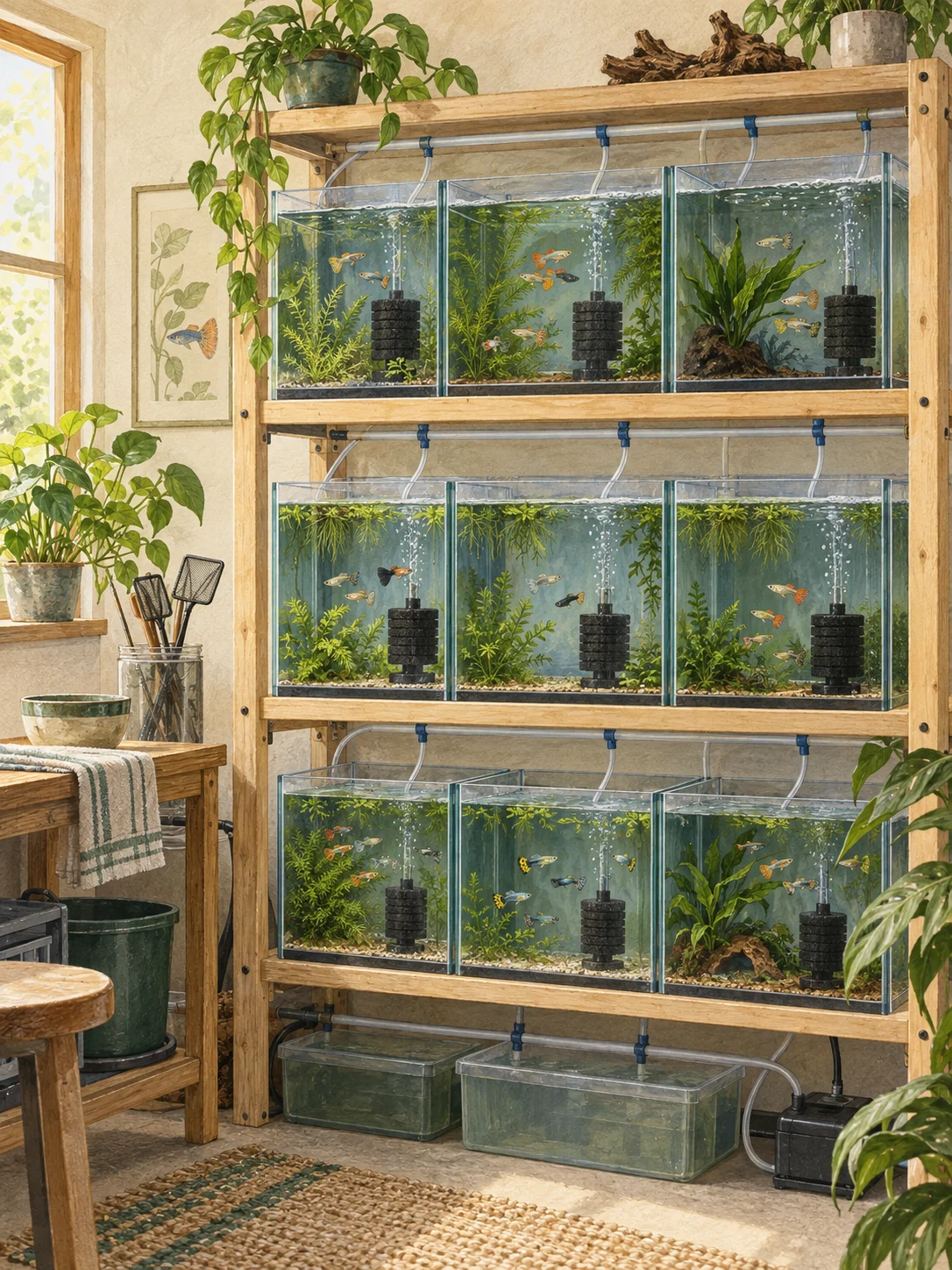
Care systems
Steady water, thoughtful care
Gentle filtration and regular observation support healthy aquarium routines.
Natural variation
Every guppy is different
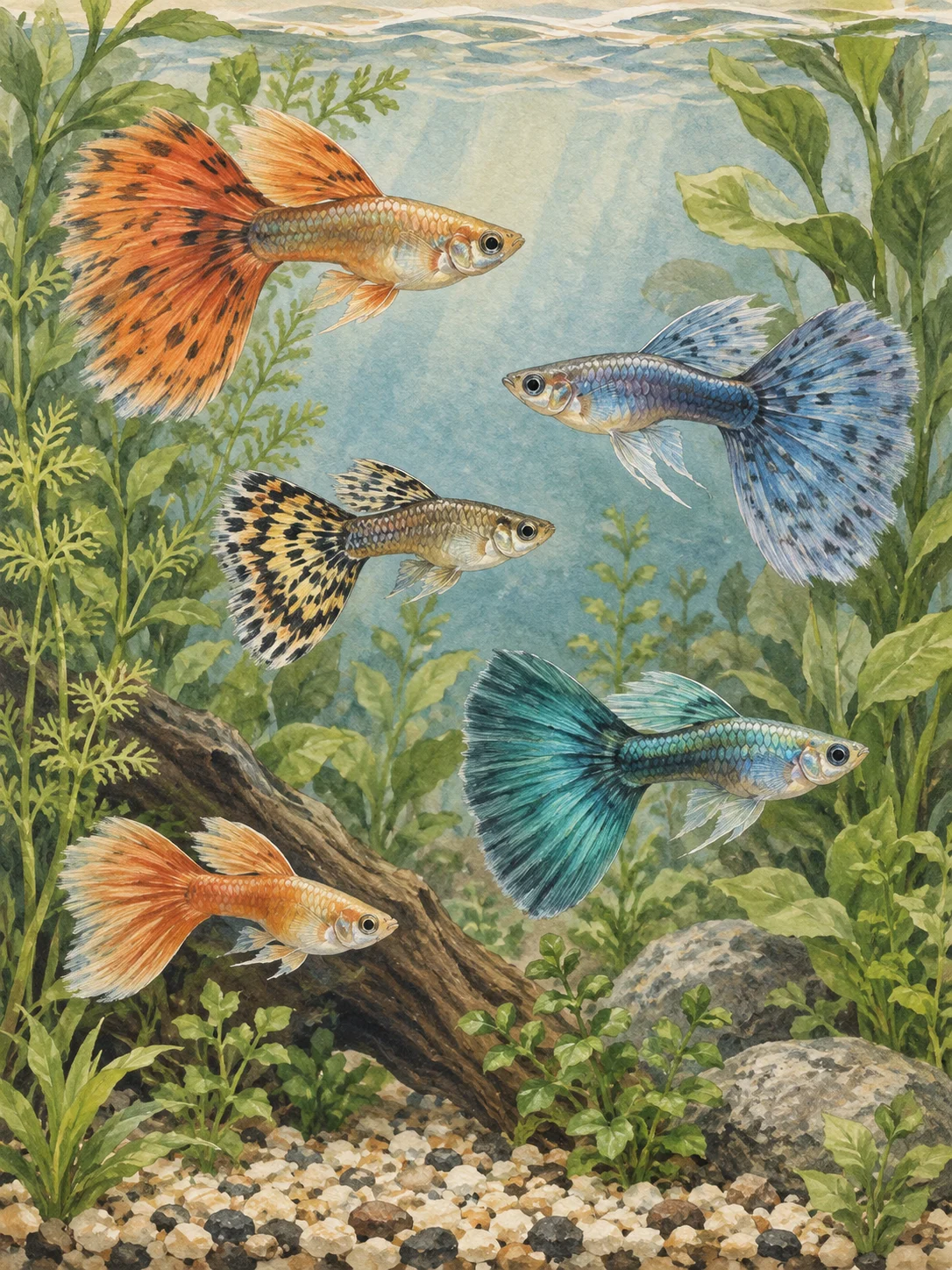
Color, size and fin shape vary with strain, age and each individual fish.
Editorial illustrations for context; they do not depict HiGuppy's exact facility or current fish stock.