The HiGuppy Journal
Guppy Heat Packs & Cold Weather Shipping: Safe Live Fish Delivery Guide
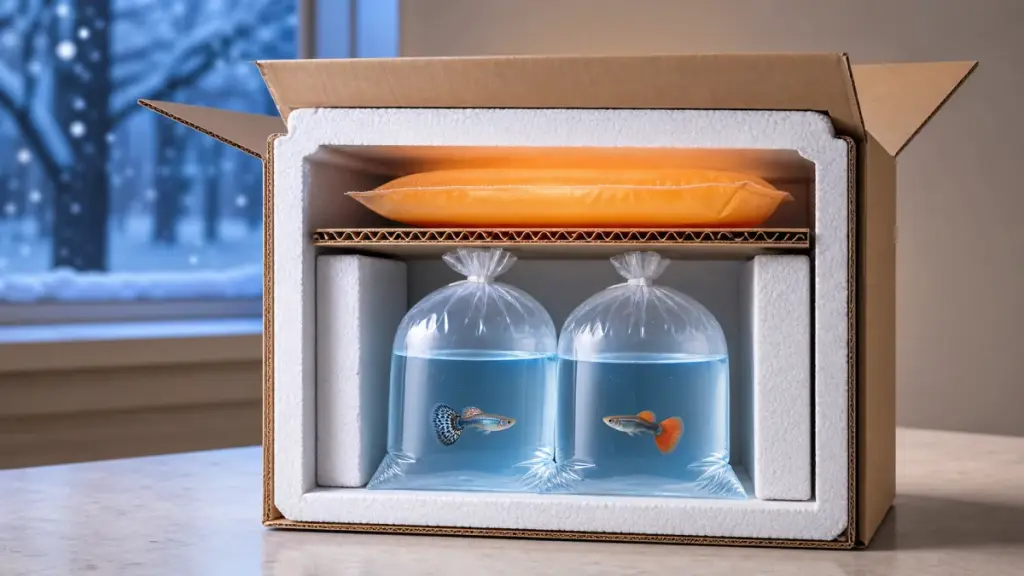
Guppy heat packs are only one part of cold-weather shipping. A safe shipment depends on the full system: healthy fish, proper fasting before shipping, clean bag water, oxygen, insulation, heat-pack placement, carrier timing, weather planning, and a buyer who is ready to receive the package quickly.
Guppies are hardy tropical livebearers, but they still react poorly to sudden temperature swings. When the weather gets cold, a well-packed shipment should slow heat loss, protect the fish from direct cold exposure, and reduce stress from the moment the box leaves the seller until the fish are acclimated at home. This guide explains how heat packs work, when they are useful, what buyers should do before delivery day, and how to prepare your aquarium so new guppies have the best possible start.
For background on transport temperature, oxygen and water quality, see UF/IFAS guidance on preparing ornamental fish for shipping. Actual packing and dispatch decisions depend on the fish, weather, route and confirmed order terms.
Quick Answer: Do Guppies Need Heat Packs for Shipping?
Guppies may need heat packs when outside temperatures are low enough that the package could become too cold in transit. Heat packs are usually placed outside the fish bag, inside an insulated shipping box, where they help maintain a safer temperature around the bag. They should not touch the fish bag directly, and they should be chosen based on weather, route, box size and shipping duration.
The safest cold-weather shipping plan is not “more heat at any cost.” Too much heat, poor ventilation, direct contact with the bag, or shipping during extreme weather can also create risk. The goal is controlled, buffered warmth — not overheating the fish.
| Shipping factor | Why it matters |
|---|---|
| Insulated box | Slows heat loss and protects fish from outside temperature swings |
| Correct heat pack | Helps maintain warmth during cold transit windows |
| Proper placement | Prevents overheating or direct heat contact with the fish bag |
| Fast shipping | Reduces time in the box and lowers stress |
| Weather check | Helps avoid dangerous cold snaps, storms and carrier delays |
| Prompt delivery pickup | Prevents the box from sitting outside in freezing temperatures |
Table of Contents
- How heat packs work
- When heat packs are useful
- The full cold-weather packing system
- Buyer checklist before delivery
- How to receive and acclimate shipped guppies
- Common cold-weather shipping mistakes
- FAQ
How Heat Packs Work in Live Guppy Shipping
Most shipping heat packs used for live fish are air-activated. Once opened and exposed to oxygen, they begin producing heat slowly. This is why sellers activate them before closing the box and why heat-pack placement matters. A heat pack needs some airflow to work, but the fish bag also needs protection from direct heat.
A heat pack is not designed to “cook” the package or warm cold fish back up quickly. It is used as part of an insulated shipping system to reduce heat loss over time. Think of it as a controlled support tool, not a replacement for proper weather planning.
Why direct contact is risky
Heat packs can become much warmer than the air inside the box. If a heat pack touches the fish bag directly, one side of the bag may become too warm while the rest of the water remains cooler. That uneven heat can stress fish. Good packing uses separation — such as insulation, paper, cardboard, or box placement — so the heat spreads more gently.
Why insulation matters
Without insulation, a heat pack loses effectiveness quickly because outside cold can pull heat away from the package. Insulated foam boxes or insulated liners help create a more stable environment. In cold weather, insulation is often just as important as the heat pack itself.
When Should Heat Packs Be Used for Guppies?
Heat packs are useful when the package may travel through cold areas, sit in cold warehouses, ride in cold delivery vehicles, or arrive in a region where outdoor temperatures are low. Sellers usually look at the origin temperature, destination temperature, overnight lows, route risk, shipping method, and expected delivery window.
There is no single temperature number that works for every shipment because shipping routes are not identical. A package can leave a mild area, pass through a cold hub, and arrive somewhere warmer. The reverse can also happen. That is why experienced live-fish sellers monitor both the destination and the transit conditions whenever possible.
Cold but manageable weather
When weather is cool but not extreme, heat packs and insulation can help keep the box within a safer range. This is the most common cold-weather shipping situation. The box is packed to reduce temperature loss, and the buyer should be ready to bring the package indoors immediately.
Extreme cold or storms
During severe cold snaps, winter storms, ice events, or major carrier delays, the safest choice may be to delay shipping. A delayed shipment is much better than forcing fish into unsafe transit conditions. Live animals should be shipped with patience, not rushed because of a calendar date.
Warm destination but cold route
Sometimes the destination looks safe, but the route may still pass through colder hubs. This is why tracking, shipping speed, and seller experience matter. A package is exposed to more than just the final delivery temperature.
The Full Cold-Weather Guppy Shipping System
A good cold-weather shipment is built in layers. Every layer reduces risk. If one part of the system is weak, the fish may still arrive stressed even if a heat pack was included.
1. Healthy fish before shipping
Shipping starts before the box is packed. Healthy guppies handle transit better than weak or stressed fish. Sellers should avoid shipping fish that look thin, clamped, injured, heavily stressed, or recently sick. Strong fish, clean holding water, and proper pre-shipping preparation are the foundation of live-arrival success.
2. Fasting before shipping
Many live-fish sellers fast fish before shipping so the bag water stays cleaner in transit. Less waste in the bag means lower ammonia pressure and better water quality while the fish are boxed. This is especially important when shipping takes overnight or longer.
3. Clean water and oxygen in the bag
Fish are usually shipped with a controlled amount of water and air or oxygen above it. The fish need enough water for comfort and dilution, but the bag also needs gas space. More water is not always better if it reduces the available oxygen area or makes the package harder to insulate properly.
4. Double bagging or secure bagging
Secure bagging protects against leaks. Many sellers use double bags, rounded corners, or careful bag placement to reduce the chance of fish becoming trapped in sharp corners. The bag should be sealed well and cushioned inside the box so it does not slide around too much.
5. Insulated shipping box
The insulated box is the temperature buffer. It protects against direct cold exposure and slows temperature changes. In cold-weather shipping, the box should be sized carefully: too much empty space can make temperature control harder, while too little space can reduce airflow and cushioning.
6. Heat-pack placement
The heat pack should be separated from the fish bag and placed where it can warm the air around the package without direct contact. Many shippers place it near the top or side of the box with a barrier between the heat pack and the bag. Placement depends on box design, outside temperature, and shipment duration.
7. Fast shipping and tracking
Fast shipping matters because time in the box is one of the biggest stress factors. Tracking also matters because buyers need to know when the package is arriving. During winter, a box left outside for even a short time can cool quickly, especially in windy or freezing conditions.
Buyer Checklist Before Your Guppies Arrive
The buyer plays a major role in cold-weather live fish shipping. Even a well-packed box can struggle if it sits outside, if the tank is not ready, or if the fish are rushed through acclimation. Before delivery day, prepare the aquarium and your schedule.
Before placing the order
- Check your local daytime and overnight temperatures.
- Review the seller’s shipping schedule and live-arrival policy.
- Ask questions before ordering if your area is experiencing severe cold.
- Make sure your tank is cycled, heated and stable.
- Have a quarantine tank ready if you already own fish.
Before delivery day
- Track the package closely.
- Arrange for someone to receive the box promptly.
- Keep the aquarium lights dim or off before arrival.
- Prepare a clean net, bucket, thermometer and water conditioner.
- Do not plan a major water change right when the fish arrive unless needed.
If your weather becomes unsafe after ordering, contact the seller. In many cases, delaying shipment is the most responsible option. Fish health should come before speed.
How to Receive and Acclimate Guppies in Cold Weather
When the package arrives, bring it indoors immediately. Do not leave it on the porch, in a mailbox, in a cold garage, or near a drafty door. Open the box carefully and inspect the fish without shaking the bags.
- Bring the box inside right away. Temperature stability starts as soon as you receive the package.
- Turn off or dim aquarium lights. Low light helps reduce stress.
- Inspect the fish calmly. Some guppies may look pale after shipping and color up later.
- Float the sealed bag if needed. This helps equalize temperature gradually.
- Do not pour shipping water into the display tank. Transfer fish gently after acclimation.
- Keep the first day quiet. Avoid bright light, heavy feeding or unnecessary handling.
Follow the seller’s included acclimation instructions because live-arrival policies can depend on them. If the bag water is very cold, move slowly and avoid sudden changes. If fish are stressed, prioritize stable temperature, clean water and low light.
Should you feed guppies right after shipping?
It is usually better to wait until the fish have settled. A tiny amount of food later in the day or the next day is safer than a large feeding immediately after arrival. Shipping stress can slow digestion, and uneaten food can quickly affect water quality.
Heat Packs vs Cold Packs: What Is the Difference?
Heat packs are used for cold-weather shipments. Cold packs are used when hot weather creates overheating risk. Both are temperature tools, but they solve opposite problems. The right choice depends on the weather, the route and the expected transit conditions.
Never assume every shipment needs a heat pack or every summer shipment needs a cold pack. The safest live fish shipping plan is based on the actual weather and transit risk. Too much heat can be as dangerous as too much cold.
Why Sellers May Delay Cold-Weather Shipping
Responsible sellers may delay shipping during dangerous weather. This can feel inconvenient, but it protects the fish and the buyer. Winter storms, freezing temperatures, holidays, carrier backlogs and regional delays can all increase risk. A delayed shipment often means the seller is trying to ship at the safest available window, not ignoring the order.
Buyers should also avoid ordering live fish if they know they cannot receive the package promptly. Cold-weather shipping works best when seller and buyer coordinate well.
How HiGuppy Approaches Cold-Weather Guppy Shipping
At HiGuppy, the goal is to help live guppies arrive as safely as possible by matching packing choices to real shipping conditions. Cold-weather shipping is handled with care because guppies are living animals, not ordinary merchandise. Depending on the situation, that may mean using insulation, adding heat support, choosing a safer shipping window, or communicating with the buyer if the weather looks risky.
Before ordering, make sure your tank is ready. The safest shipping box still needs a safe aquarium waiting at the destination. A cycled, heated, stable tank gives new guppies the best chance to recover from transit and settle in quickly.
Common Cold-Weather Shipping Mistakes
Using a heat pack without insulation
A heat pack alone cannot overcome poor packaging. Insulation slows temperature change and helps the heat pack work more effectively.
Letting the heat pack touch the fish bag
Direct contact can create hot spots. The heat pack should be separated from the bag so warmth spreads more evenly.
Shipping during extreme weather
Some weather is simply too risky. Severe cold, storms and expected carrier delays may call for postponement.
Leaving the package outside
This is one of the easiest mistakes to avoid. Bring the box indoors as soon as it arrives. If you cannot be home, consider pickup options or rescheduling when possible.
Adding fish to an uncycled tank
Shipping is already stressful. Adding fish to a new, unstable or uncycled tank adds another layer of stress. Prepare the aquarium before the fish ship.
FAQ: Guppy Heat Packs and Cold-Weather Shipping
Can guppies survive cold-weather shipping?
Yes, guppies can be shipped during cooler weather when packing, insulation, heat support, shipping speed and delivery timing are handled properly. Extreme cold or carrier delays can still create risk, so sellers may delay shipping when conditions are unsafe.
Does every winter shipment need a heat pack?
Not always. The decision depends on temperature, route, box size, shipping duration and seller judgment. Heat packs are helpful in many cold-weather situations, but they must be used correctly.
Can a heat pack overheat live guppies?
Yes. Too much heat, direct contact with the bag, poor spacing or the wrong pack choice can create overheating risk. That is why heat-pack placement and insulation design matter.
What should I do if my guppies arrive cold?
Bring the package indoors, keep lights low, and acclimate slowly according to the seller’s instructions. Avoid sudden temperature changes. If there is a live-arrival concern, document the condition immediately and contact the seller according to their policy.
Should I choose hold-for-pickup in winter?
Hold-for-pickup can be helpful in some situations because it may reduce time sitting outside on a cold porch. Whether it is best depends on carrier options, local weather, pickup timing and the seller’s shipping method.
How long should I wait before feeding shipped guppies?
Many keepers wait until the fish have had time to settle, then feed a very small amount. Avoid heavy feeding immediately after shipping because stressed fish may not eat normally and extra food can affect water quality.
For HiGuppy international live-fish orders, fish ship from Vietnam to a professional transshipper before the buyer leg; review the Shipping Policy and Live Arrival / DOA Policy before choosing a delivery date.
Final Thoughts
Heat packs are useful for shipping guppies in cold weather, but they are only one part of the safety plan. The best results come from the full system: healthy fish, clean packing water, oxygen, secure bags, insulation, correct heat-pack placement, fast shipping, weather awareness and prompt delivery pickup.
If you are planning to buy live guppies online during colder months, prepare your tank first, watch the weather, and communicate with the seller if conditions look risky. A little patience can make the difference between a stressful shipment and a smooth arrival.
Behind the care guides
Care begins with steady systems
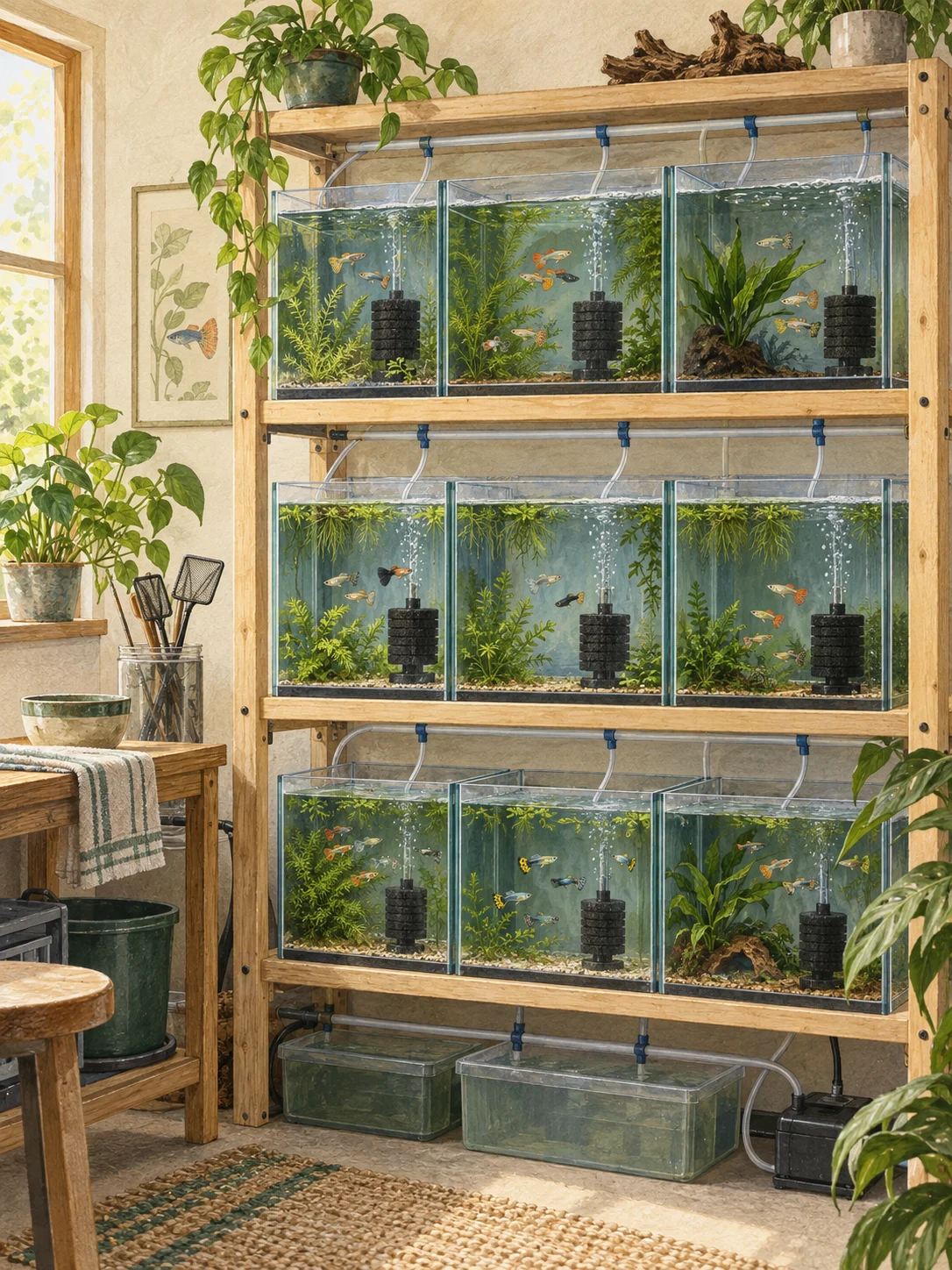
Our guppy guides focus on practical routines: keep water stable, observe fish closely and allow for natural variation.
Care systems
Steady water, thoughtful care
Gentle filtration and regular observation support healthy aquarium routines.

Natural variation
Every guppy is different
Color, size and fin shape vary with strain, age and each individual fish.
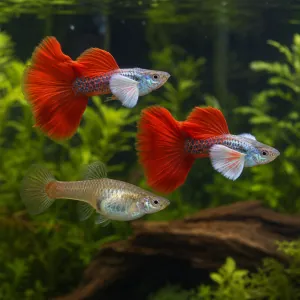
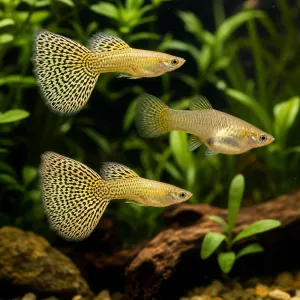
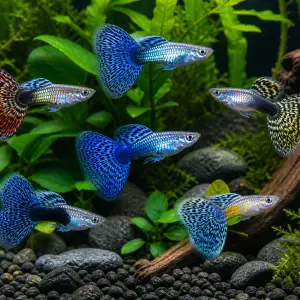
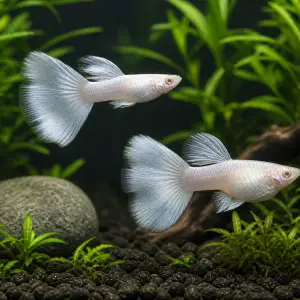
Editorial illustrations for context; they do not depict HiGuppy's exact facility or current fish stock.