The HiGuppy Journal
Can Guppies Live With Otocinclus? 7 Expert Tank Mate Tips
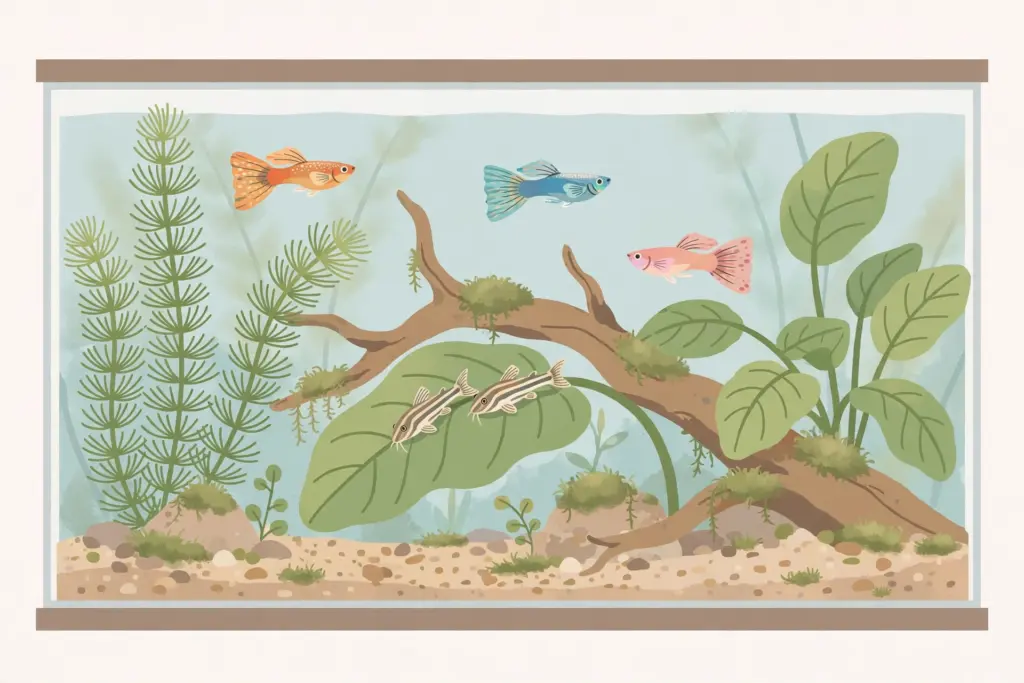
Quick answer: Yes, guppies and otocinclus make an excellent community tank pairing. Both are peaceful, share similar water preferences, and occupy different parts of the tank — guppies swim in open water while otos graze algae on leaves, glass, and driftwood. Keep otos in a group of at least six, in a mature tank of 10 gallons or more, with supplemental feeding so they never go hungry.
If you have ever watched a tiny otocinclus catfish work its way along a plant leaf, you have probably wondered whether these gentle algae eaters could share a tank with your guppies. So, can guppies live with otocinclus? They absolutely can, and when the setup is right, the pairing is one of the most rewarding combinations in the freshwater hobby: guppies bring colour and movement to the upper water, while otocinclus quietly keep algae in check along the surfaces. Neither species nips fins or competes aggressively for food — exactly what you want in a peaceful community aquarium.
That said, otocinclus are not a “set and forget” cleanup crew. They are sensitive, social fish, and most problems people blame on guppies are really problems with the tank: too new, too small, too clean, or too unstable. This guide covers tank size, water, feeding, and acclimation, so your guppies and otos can thrive together for years.
Can Guppies Live With Otocinclus? Why This Pairing Works So Well
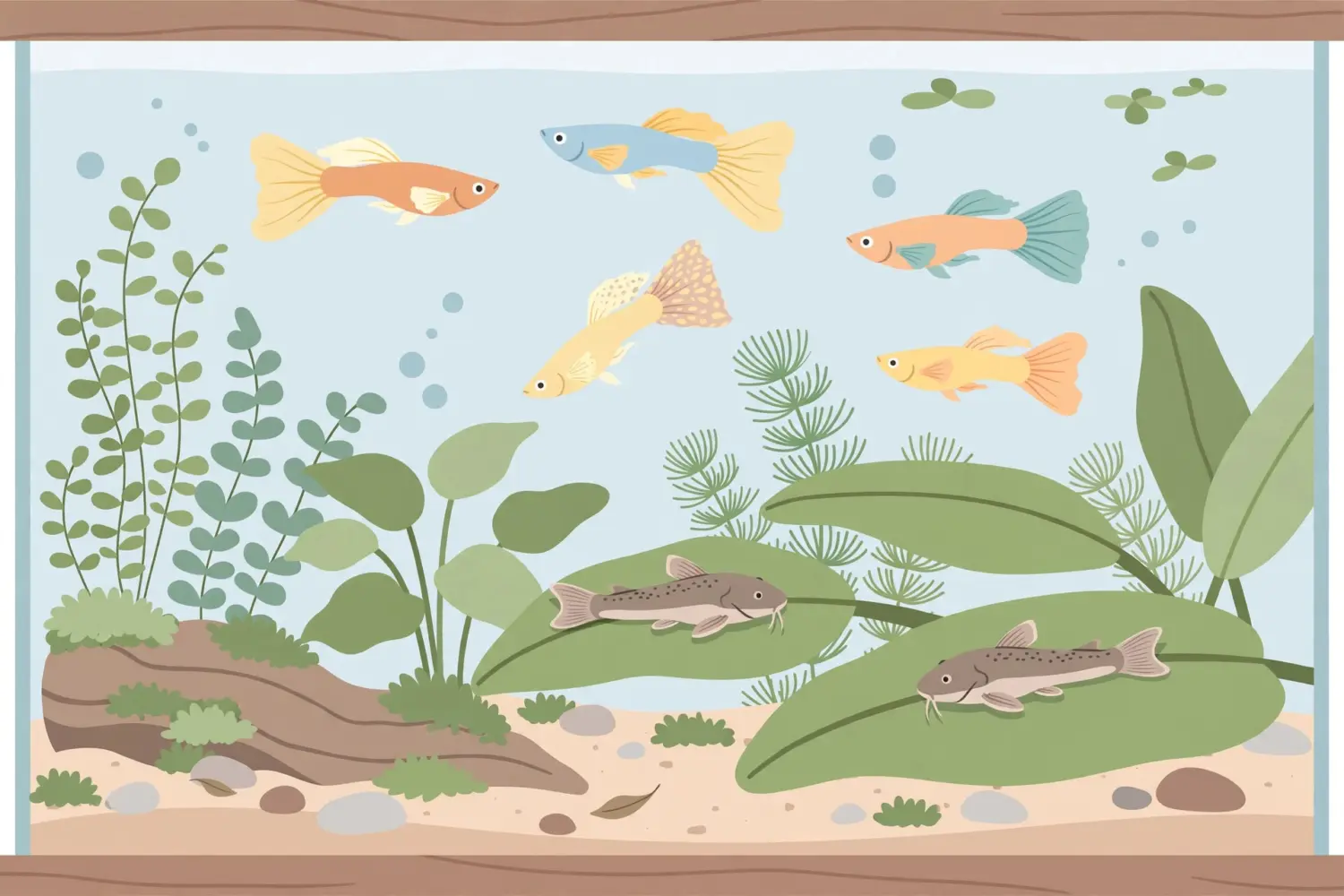
The reason guppies and otocinclus get along is simple: they barely interact, and when they do, it is peaceful. Guppies swim in the surface and mid-water, displaying, courting, and picking at flakes. Otocinclus spend most of the day suctioned to a leaf, driftwood, or the glass, rasping soft green algae and biofilm. Different zones, different foods, different temperaments.
Temperament is the first thing to check with any tank mate, and this is where the pairing shines. Guppies are peaceful, and otocinclus are famously non-aggressive — no fin nipping, no territory fights, no competition. A male guppy may chase another male, but he will ignore an oto completely. Otos are so docile that boisterous tank mates can stress them; guppies are lively but not bullies, making them one of the safest companions an oto can have. Our guide to the best tank mates for guppies covers other peaceful options for a broader community.
Water preferences line up well, too. Guppies prefer 72–82°F and pH 6.8–7.8; otocinclus prefer 72–79°F and pH 6.8–7.5 — a comfortable shared window of 72–79°F and pH 6.8–7.5, easy to maintain in a heated, planted tank. Both need ammonia and nitrite at 0 ppm and nitrate below 40 ppm, so the same water-change routine serves both.
The one real difference is hardiness. Guppies are adaptable and forgiving of beginner mistakes; otocinclus are sensitive to sudden chemistry changes, need a mature tank with established biofilm, and decline quickly if underfed. The pairing works — but you are keeping the tank to the oto’s standards, and the guppies will be happy with that.
Otocinclus at a Glance: What You Are Actually Keeping
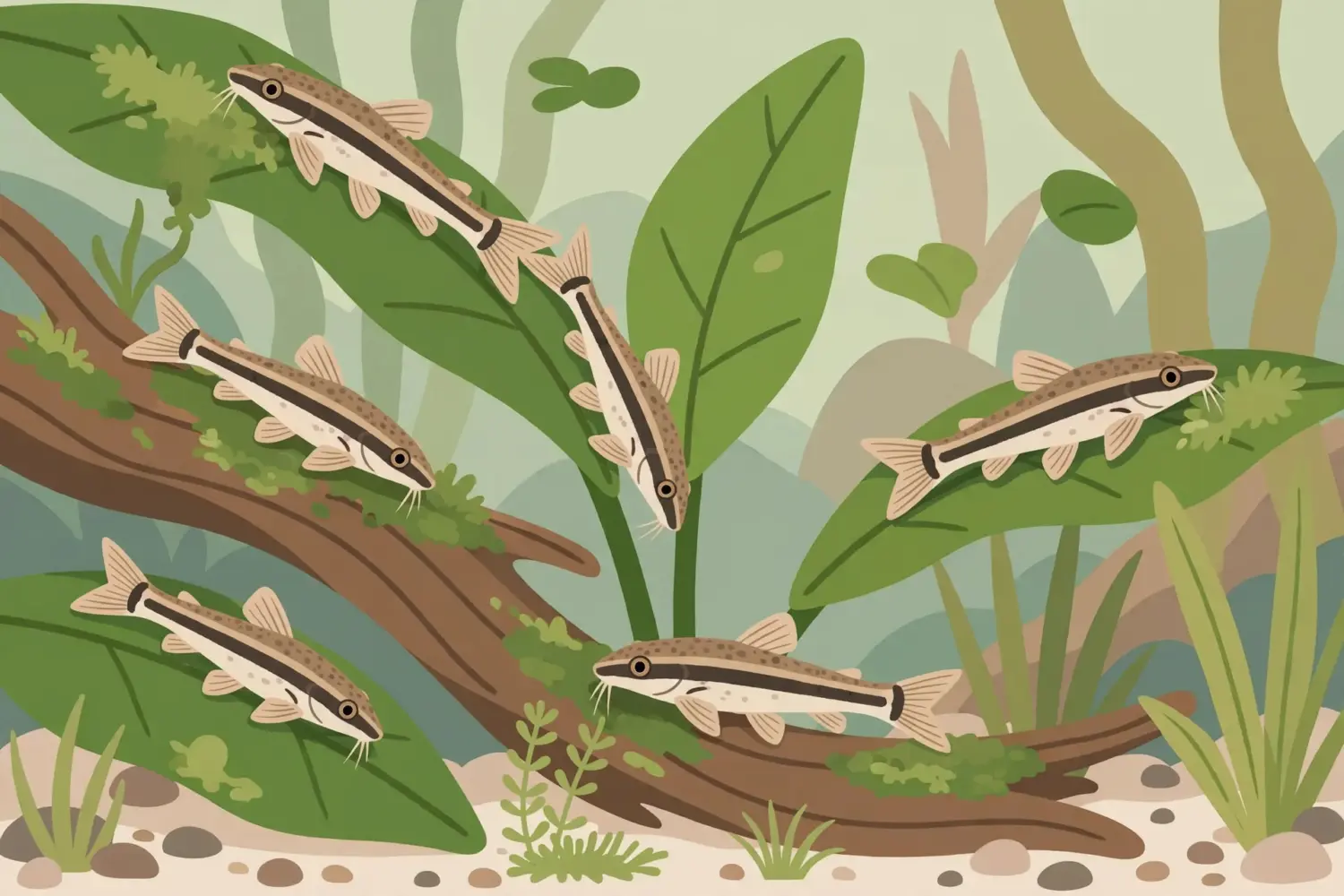
Otocinclus, often shortened to “otos,” are small South American catfish, with Otocinclus vittatus and Otocinclus affinis the most common in the trade. They grow to only about 1.5–2 inches (4–5 cm), making them one of the smallest algae-eating catfish available. Their sucker mouth lets them cling to smooth surfaces while they scrape off algae and biofilm — a job they do almost constantly during daylight hours.
Unlike many catfish, otos are schooling fish. In the wild they live in large groups, and in the aquarium they should be kept in groups of at least six — eight to ten is ideal in a larger tank. A single oto kept alone is a stressed oto: it will hide, eat less, and fade in colour. A group of six or more is visibly bolder, grazing out in the open and resting together on the same leaf. If your tank can only hold two or three otos, wait until you can house a proper group — the social need is not optional.
Otos are also almost entirely wild-caught, which matters more than most keepers realise. They go through capture, holding, and shipping before reaching your local shop, and many arrive underfed or carrying internal parasites — which is why otos have a reputation for dying in the first few weeks. Buy from a reputable shop, choose plump, active fish with full bellies, and quarantine new arrivals separately for at least 30 days as a general baseline; longer may be needed based on species, source and health concerns. For Otocinclus, consult an aquatic veterinarian or qualified aquarist about a species-appropriate quarantine setup. Quarantine reduces exposure risk but does not guarantee disease-free fish.
| Trait | Otocinclus | Guppy |
|---|---|---|
| Adult size | 1.5–2 inches (4–5 cm) | 1.5–2.5 inches (4–6 cm) |
| Temperament | Peaceful, shy, schooling | Peaceful, active, social |
| Minimum group | 6+ (8–10 ideal) | 3+ (1 male to 2–3 females) |
| Temperature | 72–79°F (22–26°C) | 72–82°F (22–28°C) |
| pH range | 6.8–7.5 | 6.8–7.8 |
| Tank zone | Glass, leaves, driftwood | Surface and mid-water |
| Main diet | Soft algae, biofilm, vegetables | Flakes, small live and frozen foods |
| Minimum tank size | 10 gallons (20 better) | 10 gallons |
Tank Size and Setup: Give Both Species Room to Thrive
The absolute minimum tank for guppies with otocinclus is 10 gallons, but 20 gallons is genuinely better — and for this pairing, the extra volume is a safety margin, not a luxury. A 20-gallon long tank gives otos more grazing surface, more stable water parameters, and more room for the group of six they need. It also dilutes waste from a fast-breeding guppy colony.
Filtration should be gentle but effective. A sponge filter is an excellent choice: it provides biological filtration, will not suck up guppy fry, and creates the gentle flow both species prefer. A hang-on-back filter with a sponge over the intake works well too — just avoid a powerful current that pins otos to the glass or exhausts guppies.
What matters far more than substrate is what sits on top of it: plants, driftwood, and smooth rocks. Otos need surfaces covered in biofilm and soft algae, and broad-leafed plants like Anubias, Java fern, and Amazon swords are perfect grazing stations. Driftwood is doubly useful — it grows biofilm and gives otos a favourite resting spot. Our guide to the best live plants for guppies covers the hardy species that suit this setup.
Moderate lighting encourages the soft green algae and biofilm otos feed on, without triggering an algae explosion — aim for 6–8 hours a day. And one non-negotiable rule: never add otocinclus to a brand-new tank. They need a mature, established aquarium, ideally running for at least two to three months, with a healthy layer of biofilm on the glass, plants, and hardscape. A sterile, freshly cycled tank has nothing for them to eat, and starvation is the number one killer of otos in new setups.
Water Parameters: The Shared Window That Keeps Both Healthy
Getting water parameters right is straightforward, because the two species overlap so neatly. Keep the temperature between 72–79°F — comfortably inside the guppy range of 72–82°F and matching the oto range exactly. A reliable heater set to around 75–76°F is a good middle ground, and avoid letting the temperature swing: otos are far more sensitive to sudden changes than guppies are.
pH should sit between 6.8 and 7.5. Most tap water falls somewhere in this range — stability matters far more than the exact value, so do not chase a perfect number. Ammonia and nitrite must stay at zero; both are toxic, and otos will show stress before guppies do. Nitrate should stay below 40 ppm, and lower is better — aim for under 20 ppm with weekly water changes of 25–30%.
Change 25% weekly rather than 50% monthly: smaller, more frequent changes keep parameters stable and avoid the sudden shifts otos hate. Always match the new water’s temperature to the tank, and use a dechlorinator every time — chlorine and chloramine damage the delicate gills of both species, but otos are particularly vulnerable. Gentle surface agitation keeps the tank well oxygenated; if otos dart to the surface for air, check your filtration.
Feeding Otocinclus: The Part Most Keepers Get Wrong
Here is the hard truth about otocinclus: they will not survive on tank algae alone in most home aquariums. A healthy planted tank produces some algae and biofilm, but rarely enough to sustain six hungry otos — a spotless, algae-free tank is a starving oto tank. The single most common cause of oto deaths is starvation: the fish gradually loses weight, its belly hollows out, and one morning it is simply gone — and because otos are small and shy, many keepers never notice until it is too late.
Supplemental feeding is therefore not optional; it is the core of oto care. Blanched zucchini (courgette) is the classic oto food: slice it into thin rounds, blanch for a minute or two until soft, cool it, and weigh it down in the tank, removing any uneaten portion after 24 hours. Blanched cucumber, spinach, and green beans are also accepted. Algae wafers are the other staple — drop one or two in after lights-out, when otos are most active and guppies are less likely to steal them.
Watch your otos’ bellies. A healthy, well-fed oto has a gently rounded belly; a sunken, pinched belly is a warning sign that it is not getting enough food. If you see sunken bellies, increase supplemental feeding immediately. Some keepers grow algae on smooth rocks in a sunny windowsill jar and rotate them into the tank — a simple way to guarantee natural food. Repashy gel foods formulated for grazing fish are another excellent option.
What otos will not do is eat every kind of algae. They happily rasp soft green algae, diatoms, and biofilm, but they do not eat black beard algae, and they will not touch long, tough hair algae. If you are buying otos to solve a black beard algae problem, you will be disappointed — and the otos will be hungry. They are a supplement to good tank maintenance, not a replacement for it.
Temperament and Other Tank Mates: Keeping the Peace
Guppies and otos are both peaceful, but peace in a community tank is a two-way street. A large, boisterous group of guppies can still stress shy otos if the tank lacks hiding places — so give the otos cover. Dense plants, driftwood tangles, and broad leaves create the shaded retreats otos need to feel safe, and they will venture out to graze far more confidently when shelter is nearby. Open swimming space for the guppies and planted, sheltered edges for the otos makes both species comfortable.
Adding other tank mates is possible, but choose carefully. Rasboras are peaceful schooling fish that occupy the mid-water and leave otos alone — our guide on whether guppies can live with rasboras walks through that pairing. Small Corydoras also work well, and cherry shrimp are excellent companions. Avoid fin-nipping species like tiger barbs, aggressive cichlids, and large or predatory fish. For a full picture, see our guide to can guppies live with zebra danios, another peaceful pairing with similar needs.
Guppy fry are safe with otos. Otos have tiny mouths designed for scraping algae, and they pose no threat to newborn fry — unlike some larger “algae eaters” that can become opportunistic. One fish to never confuse with otocinclus is the Chinese algae eater: it grows large, becomes territorial and aggressive with age, and can damage the slime coats of slow-moving fish. Check the species carefully before buying any fish labelled simply as an “algae eater.”
How to Introduce Otocinclus to a Guppy Tank: Acclimation Steps
How you introduce otos matters as much as where you put them. Because they are wild-caught and often stressed from shipping, a slow, gentle acclimation is essential:
- Quarantine first. Use a separate, stable setup with dedicated equipment for at least 30 days as a general baseline; longer may be appropriate based on species, source and health concerns. Monitor appetite and body condition, but do not diagnose or medicate from signs alone; seek an aquatic veterinarian or qualified fish-health professional if an oto appears unwell.
- Float the bag. Float the sealed bag in the main tank for 15–20 minutes so the temperature equalises.
- Drip acclimate. Over 45–60 minutes, slowly add tank water to the bag or bucket — a drip line or a cup every few minutes works. Otos are sensitive to sudden chemistry changes, so never rush this step.
- Net, do not pour. Gently net the otos into the tank and discard the shop water. Never pour shop water into your aquarium.
- Dim the lights. Keep the lights off or dimmed for the first few hours so the otos can explore without stress, and add a blanched zucchini round near their hiding spot so they find food quickly.
- Watch for the first week. Check daily that every oto is grazing and has a rounded belly, offer supplemental food every day, and do a small water change midweek to keep parameters stable.
Do not be alarmed if your otos hide for the first day or two — that is normal. Look for grazing within 24–48 hours: an oto suctioned to the glass or a leaf, tail wiggling gently as it feeds. If one stays hidden, motionless, and thin after several days, offer food directly beside it and check your water parameters. For authoritative species information, Seriously Fish profiles Otocinclus vittatus in detail.
Frequently Asked Questions
Can guppies live with otocinclus in a 10-gallon tank?
Yes — can guppies live with otocinclus in a 10-gallon tank? A 10-gallon tank is the minimum for a small group of guppies and six otos, provided the tank is mature, well-filtered, and the otos get supplemental food. A 20-gallon tank is better in almost every way, though: more grazing surface, more stable parameters, and more room for the group.
How many otocinclus should I keep with guppies?
Keep at least six otocinclus — eight to ten is ideal in a 20-gallon or larger tank. A group of six or more is bolder, eats better, and shows far less stress than a pair or a trio. Never keep a single oto on its own.
Will otocinclus eat guppy fry?
No. Otocinclus have tiny sucker mouths built for scraping algae and biofilm, and they pose no threat to guppy fry. They are one of the safest tank mates for a breeding tank, and they share the planted cover fry need to survive.
Do otocinclus need algae wafers if my tank has algae?
Yes — offer algae wafers and blanched vegetables two to three times a week. Most tanks do not grow enough algae to sustain a group of six otos, and a spotless tank is a hungry tank. Watch their bellies: rounded means well-fed, sunken means feed more.
The Bottom Line
Guppies and otocinclus are a natural fit: peaceful temperaments, overlapping water needs, different tank zones, and complementary diets. The pairing works best in a mature, planted 20-gallon tank, with a group of at least six otos, gentle filtration, and supplemental vegetables and algae wafers treated as essential. Get those fundamentals right, and your tank will largely take care of its own algae while your guppies put on a show up top.
Behind the care guides
Care begins with steady systems
Our guppy guides focus on practical routines: keep water stable, observe fish closely and allow for natural variation.
Care systems
Steady water, thoughtful care
Gentle filtration and regular observation support healthy aquarium routines.
Natural variation
Every guppy is different
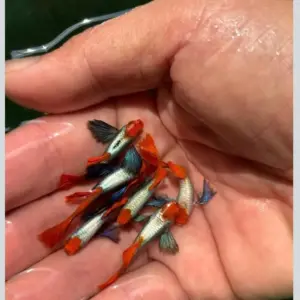
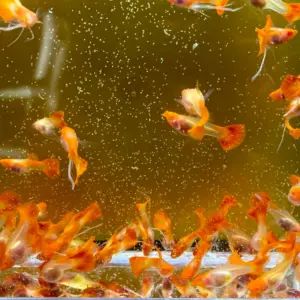
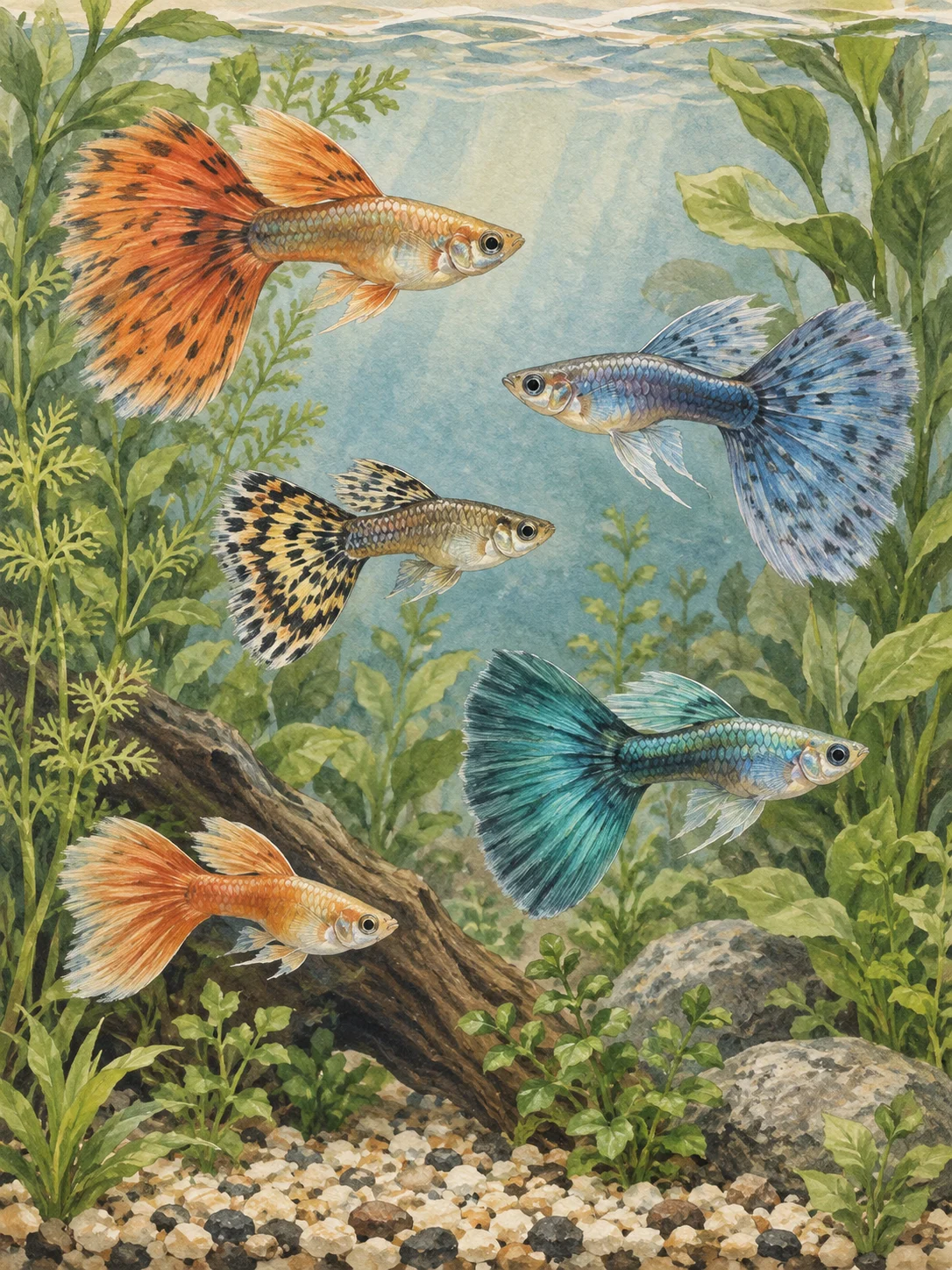
Color, size and fin shape vary with strain, age and each individual fish.
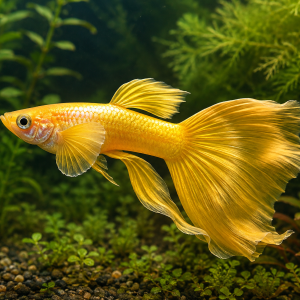
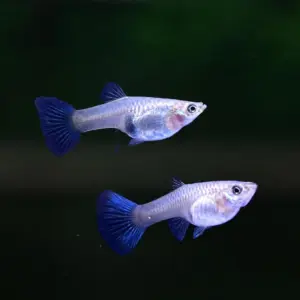
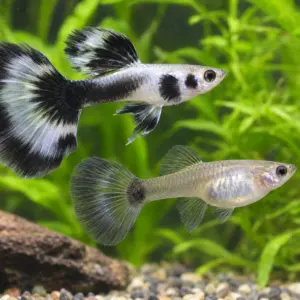
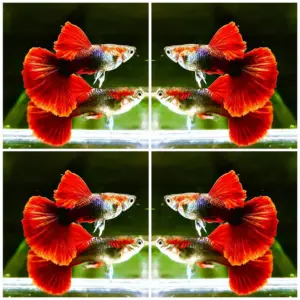
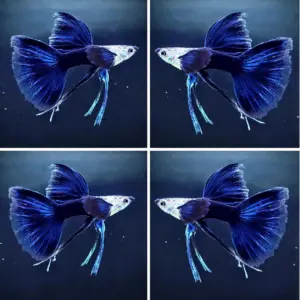
Editorial illustrations for context; they do not depict HiGuppy's exact facility or current fish stock.