The HiGuppy Journal
Guppy Arrival Day Checklist: Inspect, Acclimate, Quarantine
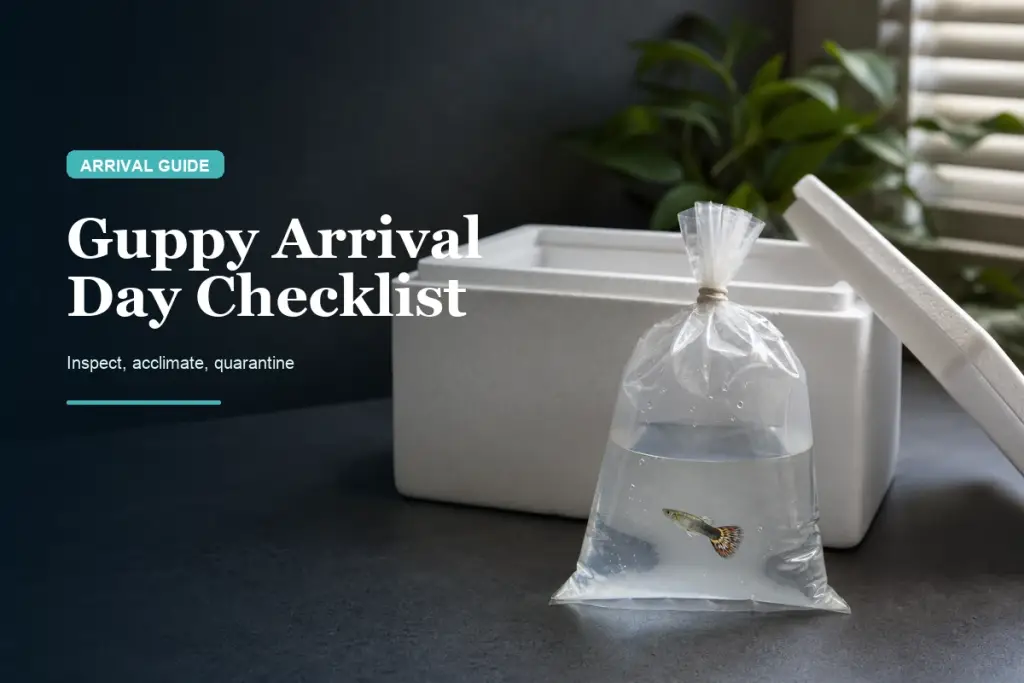
What to do when guppies arrive: confirm which shipping leg you are receiving, bring the shipment into the prepared receiving area, inspect and document it promptly, and follow the instructions for that leg. Keep the order and tracking details together. HiGuppy’s international handoff to a professional transshipper is separate from the transshipper’s later domestic delivery to the buyer.
This is an arrival-day organization checklist, not a replacement for the step-by-step acclimation guide. Use it to make sure the right person, information and prepared aquarium are ready before a live-fish shipment arrives. Keep the current instructions for the actual order open rather than relying on a screenshot of an older policy.
Before delivery: prepare one receiving record
- Order number, purchaser name and the expected fish or lot descriptions.
- The tracking reference for the shipment being received—not only the earlier international reference.
- Name and contact details of the person arranging this leg.
- Who will physically receive and inspect the shipment, plus a backup contact.
- The applicable arrival policy and a place to record the inspection time.
- Prepared aquarium or holding-system labels that match the expected fish groups.
For HiGuppy orders, review the Vietnam-to-transshipper shipping route. The professional transshipper receives the international shipment and arranges a separate domestic leg. Share relevant contacts before arrival so nobody has to work out the handoff responsibilities while a package is waiting.
Prepare the receiving area, not just the tank
Arrange a clear, stable area for checking the package and recording its condition. Have the current order details, phone or camera, and the receiving instructions within reach. Confirm that the aquarium or holding setup is ready using the care guide; arrival day is not the time to begin planning an unprepared system.
Check the expected format carefully. A pair, breeder trio and fry pack are different order descriptions. Record the format and quantity from the confirmed listing or written order, and do not substitute a general category description for the details of your own purchase. For larger orders, label the receiving systems before opening the shipment.
What to Do When Guppies Arrive: Inspect and Record
Note the actual receipt time and the relevant tracking status. Compare the shipment identifier with the order record, inspect the packaging and inspect the bags before altering anything. Record visible issues clearly without assuming that every quiet fish is deceased or diagnosing a condition from a photograph.
- Receipt or inspection date and time, including the time zone when different parties are involved.
- The shipment reference and the bag or lot identifier, where supplied.
- A clear view of any affected fish and its original bag.
- Package condition, visible damage or leaks, and the relevant label.
- Who completed the inspection and which receiving system will be used.
Keep observations factual: what you saw, when you saw it, and which bag or group was involved. Avoid describing an unverified cause as a certainty. This makes both practical support and any later review easier to follow.
At the professional transshipper: use the international policy
Under the current HiGuppy international Live Arrival / DOA policy, the two-hour evidence window starts when the professional transshipper physically inspects and verifies the international shipment. Required evidence includes the affected fish in the original unopened shipping bag, the shipment identification and the inspection information. Send the claim promptly to the published email address, hello@higuppy.com.
Do not assume that a carrier investigation or an informal message extends the evidence window. Read the current policy for the exact requirements and applicable exclusions. Keep the necessary materials until the review instructions say they are no longer needed; submitting a claim is not itself confirmation of a refund or replacement.
At the final buyer: use the domestic receiving instructions
The transshipper-to-buyer delivery has its own receiving contact, tracking and arrival terms. Check those with the professional transshipper. The final domestic delivery does not restart the HiGuppy international inspection window. Keep the domestic shipment record with the international reference so the overall order remains understandable.
If that leg is delayed or the tracking record is unclear, use the delayed live-fish shipment checklist to identify the responsible contact and send a complete update. Do not request a pickup, address change or another reroute without confirmation from the party arranging the affected delivery.
After inspection: follow the care instructions and keep groups identifiable
For live fish, follow the current acclimation instructions and any order-specific guidance. Do not improvise a new transfer method simply because arrival has been stressful. Keep handling purposeful and avoid repeatedly moving fish between containers to obtain more photographs.
After transfer, record which group entered which prepared system. Keep any observation or quarantine plan separate from the initial shipping inspection. The new-guppy quarantine guide provides further preparation guidance; acclimation and longer-term observation are different parts of the process.
A compact arrival log
Use this reusable format: “Order [number]; receiving leg [international/domestic]; tracking [reference]; receiver [name]; received [date/time/time zone]; inspected [date/time]; bag or lot [identifier]; observation [factual description]; evidence sent [time/channel]; receiving system [label]; next instruction [confirmed action].” Leave unknown details marked as unknown rather than filling gaps with a guess.
Common arrival-day questions
Should I open every bag before recording a concern?
Read the policy for the leg you are receiving first. HiGuppy’s international claim process requires the affected fish to be documented in the original unopened bag. Complete the required record promptly while following the applicable care instructions for the rest of the shipment.
Does the checklist replace an acclimation method?
No. It organizes receiving, evidence and communication. Use the linked acclimation guide for the transfer process and seek specific support when those instructions do not fit an observed problem.
Who should receive my message?
For the HiGuppy international handoff, use the published HiGuppy contact channels and the DOA email process when applicable. For the later domestic shipment, start with the professional transshipper’s receiving and support instructions.
Behind the care guides
Care begins with steady systems
Our guppy guides focus on practical routines: keep water stable, observe fish closely and allow for natural variation.
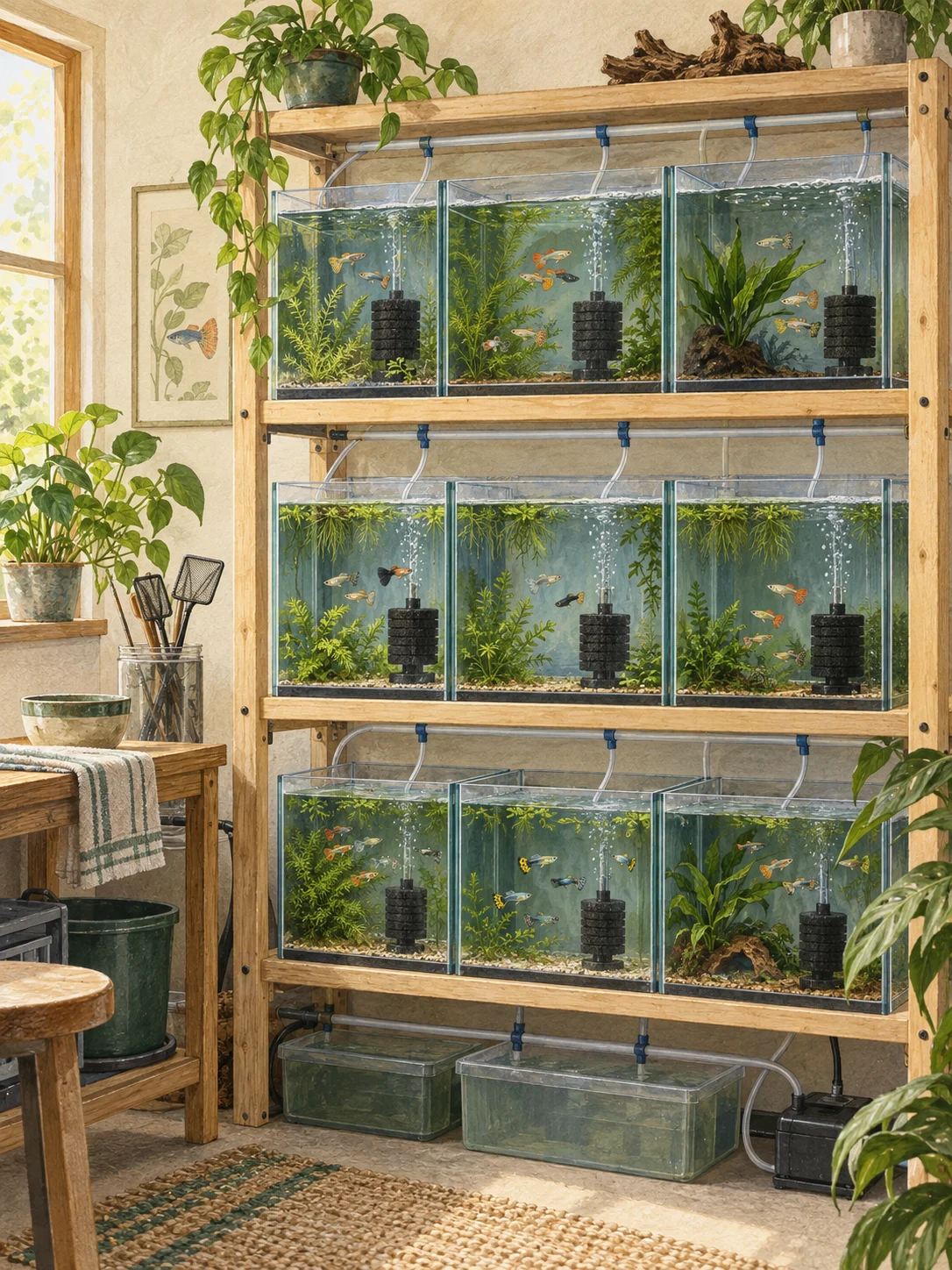
Care systems
Steady water, thoughtful care
Gentle filtration and regular observation support healthy aquarium routines.

Natural variation
Every guppy is different
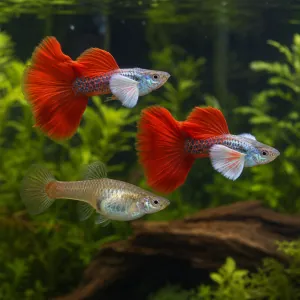
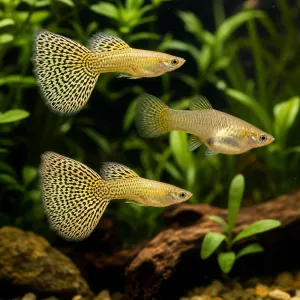
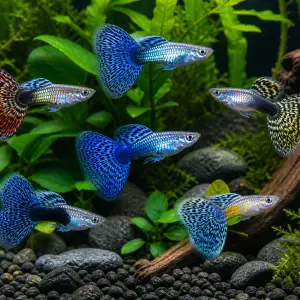
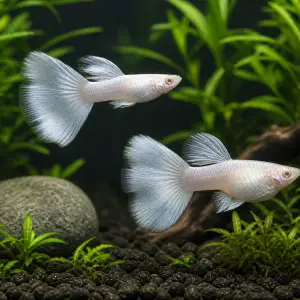
Color, size and fin shape vary with strain, age and each individual fish.
Editorial illustrations for context; they do not depict HiGuppy's exact facility or current fish stock.