The HiGuppy Journal
Female Guppy Care: Stress, Feeding and Fry Planning
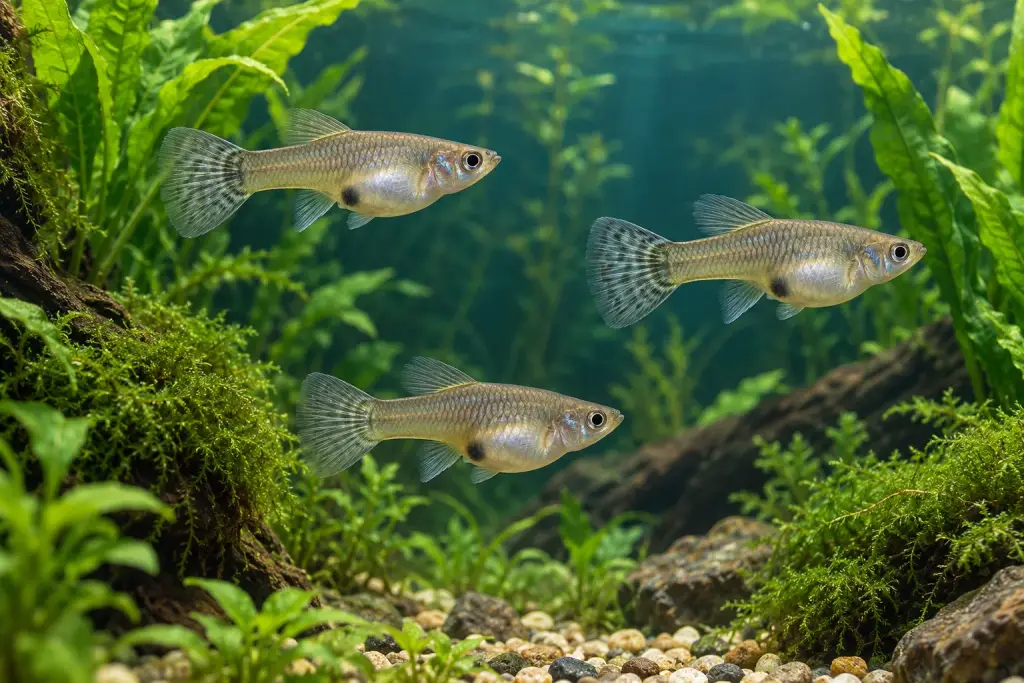
Female guppies need a cycled aquarium, stable water, appropriate food, open swimming room and places to escape persistent attention. Observe feeding, body condition and behavior rather than assuming every rounded belly or hiding episode is pregnancy. If males are present, plan for fry; females with prior mating exposure may also give birth after males are removed.
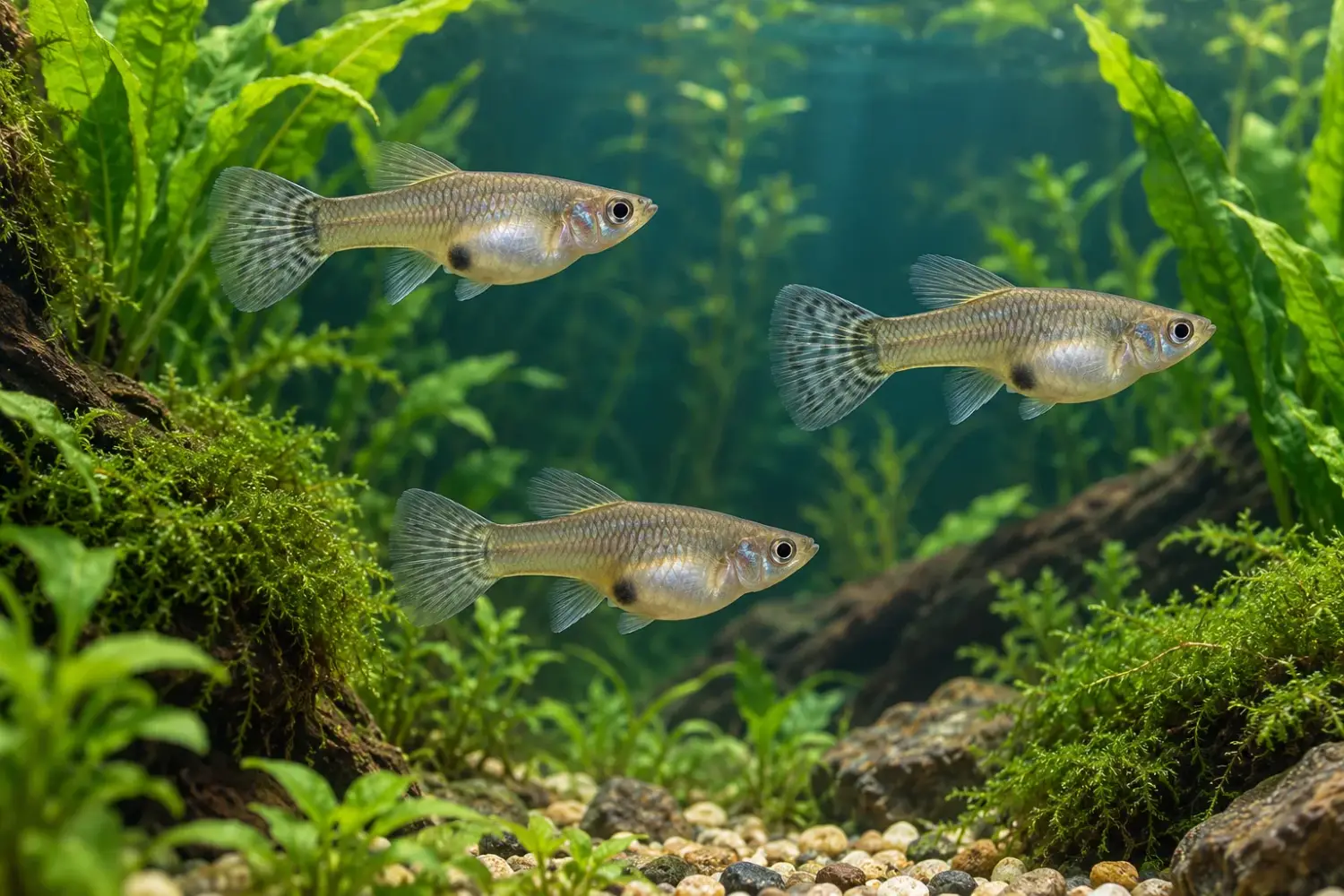
Good female care starts before a planned pairing. A female is not simply an addition to a colorful male group: she needs access to food, room to move and a safe resting area. This guide focuses on adult female welfare. Use the guppy pregnancy guide for a separate look at pregnancy observations.
Confirm sex without relying on color
Adult females generally have a broad, fan-shaped anal fin, while males have a narrow modified fin called a gonopodium. Body size, color and the dark area near the rear abdomen can support an assessment, but they should not replace a clear fin view. Young fish may be difficult to identify confidently.
Observe from outside the glass in ordinary light instead of repeatedly catching the fish. Male versus female guppies explains the visible differences. If a juvenile remains uncertain, keep it in suitable observation housing rather than adding it to a breeding group on a color-only guess.
Make room for retreat and feeding access
Provide plants or safe decor that interrupt lines of sight while leaving an open swimming area. A female should be able to move away from another fish without becoming trapped against a filter or corner. Arrange cover so you can still inspect the group and remove waste during maintenance.
Watch a complete feeding rather than assuming every fish gets a share. Distribute appropriate small portions where the group can reach them, and check whether one female repeatedly hangs back. Adding more food without addressing exclusion can leave waste in the aquarium while the targeted fish still goes hungry.
Respond to persistent chasing
Male courtship can become a welfare problem when a female cannot rest or feed. Review the whole group, footprint, cover and water conditions. Keeping more females than males is commonly advised for mixed groups, but a ratio does not guarantee calm behavior. Do not add fish automatically to solve chasing in a tank that is already crowded.
Use the male-to-female ratio guide as planning context and judge the actual fish. Persistent hiding, repeated cornering, injury or loss of feeding access warrants action. Rearranging safe cover may help; if a fish remains unsafe, separate the aggressor or affected fish into suitable prepared housing instead of waiting for injury.
Keep water and food consistent
Test water regularly and when behavior changes. Check temperature, filter operation, ammonia and nitrite, along with the wider maintenance record. Clear water does not establish safety. Use the water-parameter guide to interpret the setup and prepare conditioned replacement water before cleaning.
Offer an appropriate varied diet in portions the fish can finish, then remove leftovers. A potentially pregnant female does not need unrestricted feeding, and extra food can raise the waste load. Track appetite and body condition over time rather than using belly size alone as a feeding target.
Prepare for fry without confining a female unnecessarily
When males and females share a tank, plan for offspring before you pair them. Prepare fry cover, appropriately sized food, protected filtration and realistic space for growing juveniles. Decide where additional fish can go if your current system reaches its capacity.
A female that mated earlier may store sperm, so a female-only aquarium can still produce fry. A separation date does not establish an exact birth date or number of future broods. Keep that uncertainty in your plan rather than assuming a newly bought female will never reproduce.
Avoid repeatedly chasing or moving a female because you think birth is close. Small breeder boxes can limit swimming space and water circulation and are not a general substitute for a suitable tank. If separation is needed, prepare the destination and compare its water conditions first. The breeding tank setup guide covers preparation.
When a female needs closer observation
Hiding, a swollen abdomen, clamped fins or poor appetite can have several causes. Start with water readings, recent introductions, feeding access and chasing. A rounded body alone does not diagnose pregnancy, and rapid breathing or loss of balance deserves attention regardless of whether the fish might be pregnant.
If a fish is injured, persistently targeted or needs health assessment, a prepared observation or hospital setup may make care easier. Keep filtration and temperature suitable and avoid unnecessary repeated moves. Seek qualified aquatic health advice for severe or continuing problems; do not medicate the whole tank solely because one female looks different.
New-female care checklist
Before introducing a female, confirm the receiving tank is ready, observe her separately, record prior male exposure if known, and plan for unexpected fry. Quarantine guidance explains the introduction stage. After introduction, check her feeding access, swimming, fins and use of cover, then record changes so you can distinguish a trend from a single observation.
Frequently asked questions
Can female guppies live without males?
Yes. They do not need a male in the aquarium. Prior mating still matters because stored sperm can lead to later fry. Monitor group behavior and stocking as you would in any guppy aquarium.
Is a hiding female always about to give birth?
No. Hiding can relate to chasing, a new environment, water conditions or a health concern. Review the whole aquarium and other signs before treating it as a pregnancy clue.
Should I feed a pregnant female more?
Make sure she can reach a suitable balanced diet, but do not feed without limit. Use appetite, body condition, leftovers and water quality to adjust portions. Preparation and steady care matter more than making the belly larger.
Behind the care guides
Care begins with steady systems
Our guppy guides focus on practical routines: keep water stable, observe fish closely and allow for natural variation.

Care systems
Steady water, thoughtful care
Gentle filtration and regular observation support healthy aquarium routines.

Natural variation
Every guppy is different
Color, size and fin shape vary with strain, age and each individual fish.
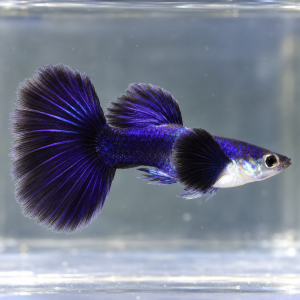
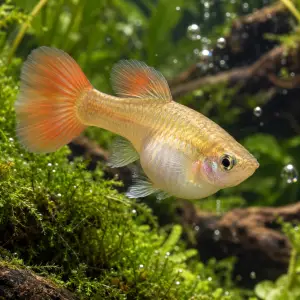
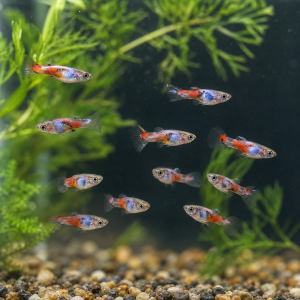
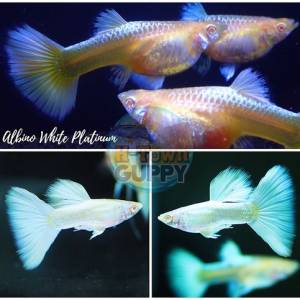
Editorial illustrations for context; they do not depict HiGuppy's exact facility or current fish stock.