The HiGuppy Journal
How Live Guppies Are Packed for Shipping: 5 Steps
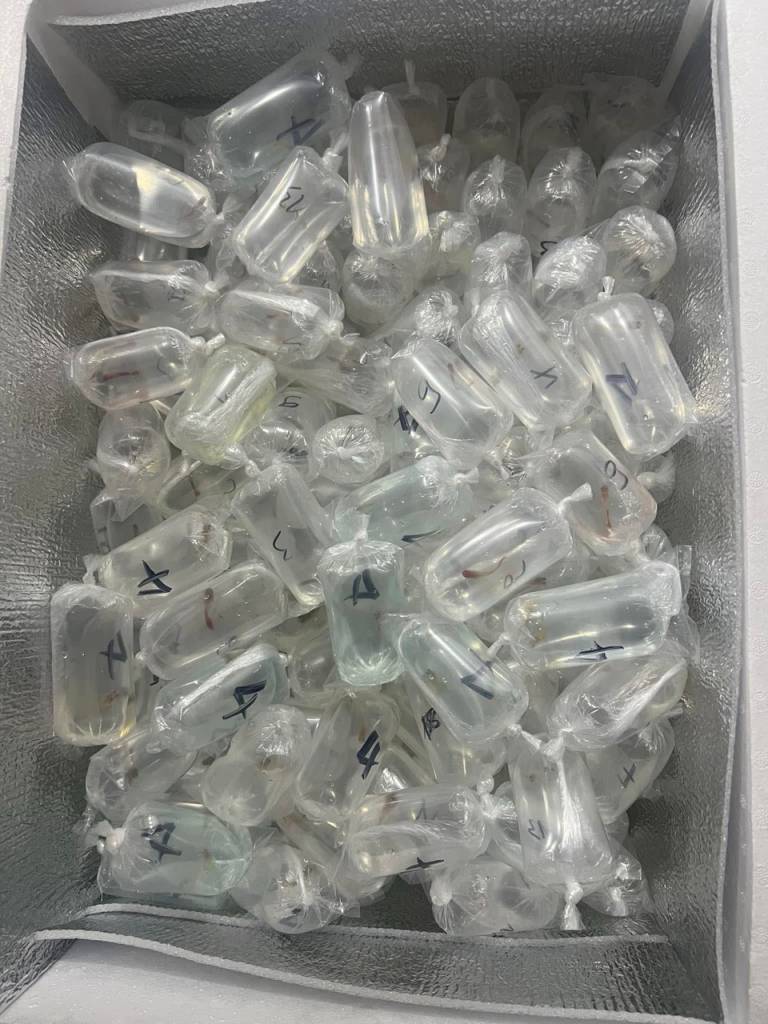
Live guppies are generally packed for shipping in secure fish-transport bags holding suitable water and an appropriate gas space, then arranged inside insulated protective boxes. At HiGuppy, packing also involves checking the fish and order, grouping and identifying bags, planning for weather, and confirming the carrier handoff. Bag quantities, temperature materials and timing depend on the particular fish and route.
The important question is not simply whether a box contains oxygen or foam. It is whether the fish, sealed bags, protective packaging, temperature conditions and receiving arrangements fit the entire journey. HiGuppy’s official packing-process page documents its five-step workflow with real packing examples. This article explains why those steps matter and what buyers should check. Photos show examples, not a promise that every order receives an identical box or bag layout.
How HiGuppy packs live guppies: the five-step workflow
HiGuppy describes a consistent decision process rather than one rigid packing recipe. A small fry pack, a few breeding pairs and a larger mixed-strain order can require different bag counts and box arrangements. The official How We Pack Live Guppies for Shipping page explains these stages:
- Confirm fish and order. Match the current order description, format and quantity; observe fish condition and route readiness before pack-out.
- Prepare transport bags. Group the fish into bag arrangements suited to fish size, format and expected journey rather than applying one fixed density.
- Seal and identify groups. Close bags securely and identify relevant strains, quantities or lot groups for packing and transshipper receipt.
- Arrange the insulated shipping box. Place the protected bags inside suitable insulation and minimize avoidable shifting during handling.
- Recheck weather and handoff. Confirm the current route and carrier conditions; dispatch can be held or rescheduled if the planned trip is unsuitable.
These are HiGuppy’s published workflow headings and objectives. They are not proof that every shipment uses the same bag material, oxygen method, temperature pack or number of boxes. Keep the written details of your own order as the reference for what will actually ship.
Before any bag is sealed: order matching and fish readiness
A good packing process starts by confirming the actual fish and the shipment plan, not by selecting a box first. Fish format matters: a pair, trio, fry pack or wholesale group may involve different sizes, sexes and numbers. HiGuppy’s packing page says it checks the current listing or order, observes visible fish condition, and reviews weather and carrier readiness before shipment.
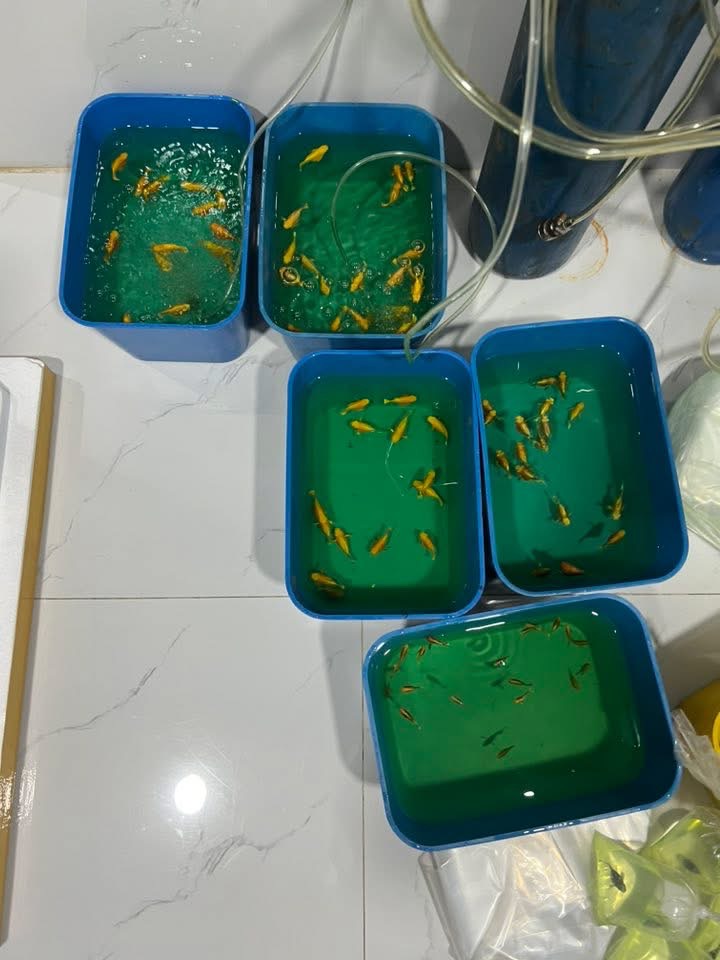
Fish showing abnormal behavior or poor visible condition may need to be held and observed rather than dispatched. Professional ornamental-fish shipping guidance from University of Florida IFAS Extension (FA-120, revised September 2024) also emphasizes careful handling, fish condition and suitable transport water. The precise holding or feeding schedule is a professional packing decision, not a fixed fasting instruction for a buyer to improvise.
What is inside a live guppy shipping bag?
Commercial ornamental fish are commonly shipped in bags with suitable water and a gas space that supports respiration during the planned transit window. Experienced shippers may use oxygen-filled headspace rather than relying only on room air. Water conditions, fish size, bag dimensions, stocking density and expected journey all affect the right arrangement. There is no reliable universal fish-per-bag number or one water-to-gas ratio for all guppy shipments.
| Bag element | Why it matters | What buyers should not assume |
|---|---|---|
| Water of suitable quality | Provides the temporary environment for fish and must match the transport plan | The bag is not a fully filtered aquarium; water quality can change during transit |
| Gas space above the water | Supports oxygen availability for a planned transport period | A visible bubble size does not prove a particular safe travel duration |
| Secure closure and bag integrity | Helps prevent leaks and keeps fish contained | Double-bagging, bag type or knot style may vary by lot and route |
| Fish grouping and bag identification | Allows individual lots or strains to remain traceable | One fish per bag is not a universal requirement, nor is one entire order per bag |
| Appropriate headroom and shape | Reduces avoidable crowding and trapping risks | A photo of one packing example does not define every future box |
During transport, fish consume oxygen and release carbon dioxide and waste. University of Florida IFAS FA-120 explains why transport duration, bag design, water quality and oxygen availability must be planned together. This is the reason how long a guppy can remain in a shipping bag cannot be answered by one fixed number of hours.
A buyer should not open a bag “to top up oxygen” during a shipment, add chemicals to an international shipment without instruction, or treat a temporary sealed transport bag as a long-term holding system.
How transport bags are sealed, labeled and organized
Bags need a reliable closure and enough protection to remain upright or supported as appropriate for their design. HiGuppy’s stated workflow includes identifying groups before the bags are arranged for the insulated box. For orders with multiple strains or formats, identifying lots also helps a receiving transshipper compare the shipment against the order record.
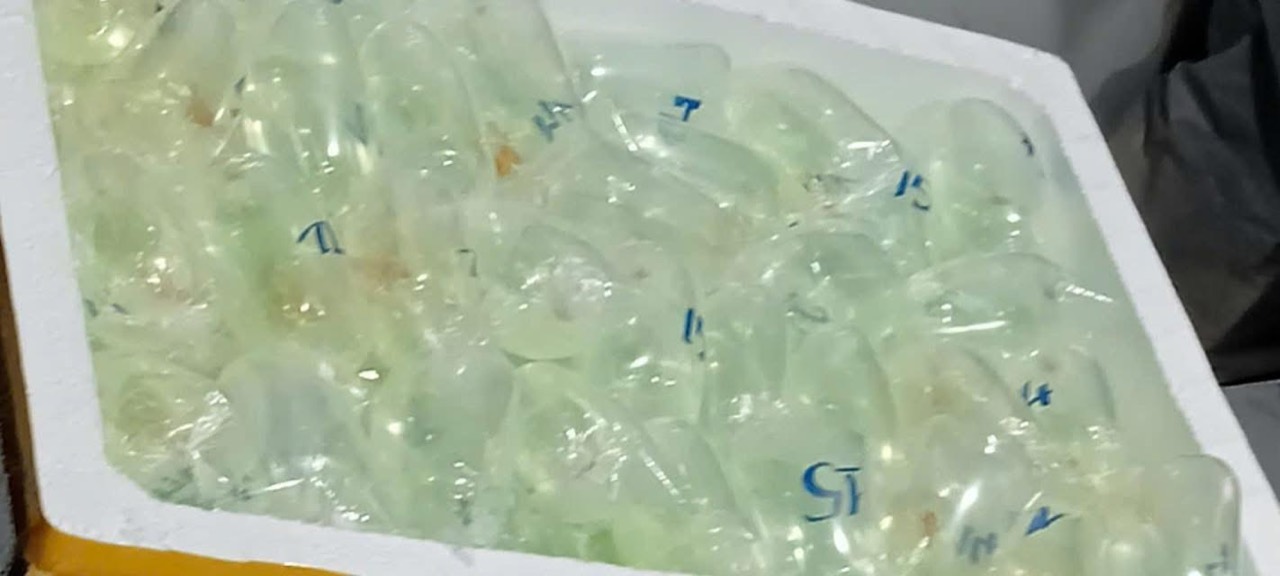
Packaging mistakes can include poorly secured bags, unstable layouts, mixing unidentified groups or leaving enough open space for bags to strike one another. A well-organized box aims to reduce avoidable handling stress, but a label and seal alone cannot guarantee safe arrival.
If you are ordering multiple fish formats, clarify whether the order is by pairs, trios, fry packs or another unit. A consistent receiving label is especially useful if fish are being transferred to separate observation or quarantine aquariums.
Why live-fish shipping boxes use insulation
Insulation helps buffer changes in ambient temperature and protects fish bags against some handling conditions. Polystyrene or other suitable insulated liners are commonly used inside an outer shipping carton. The materials and layout must fit the journey, and insulation does not create a temperature-controlled vehicle by itself.
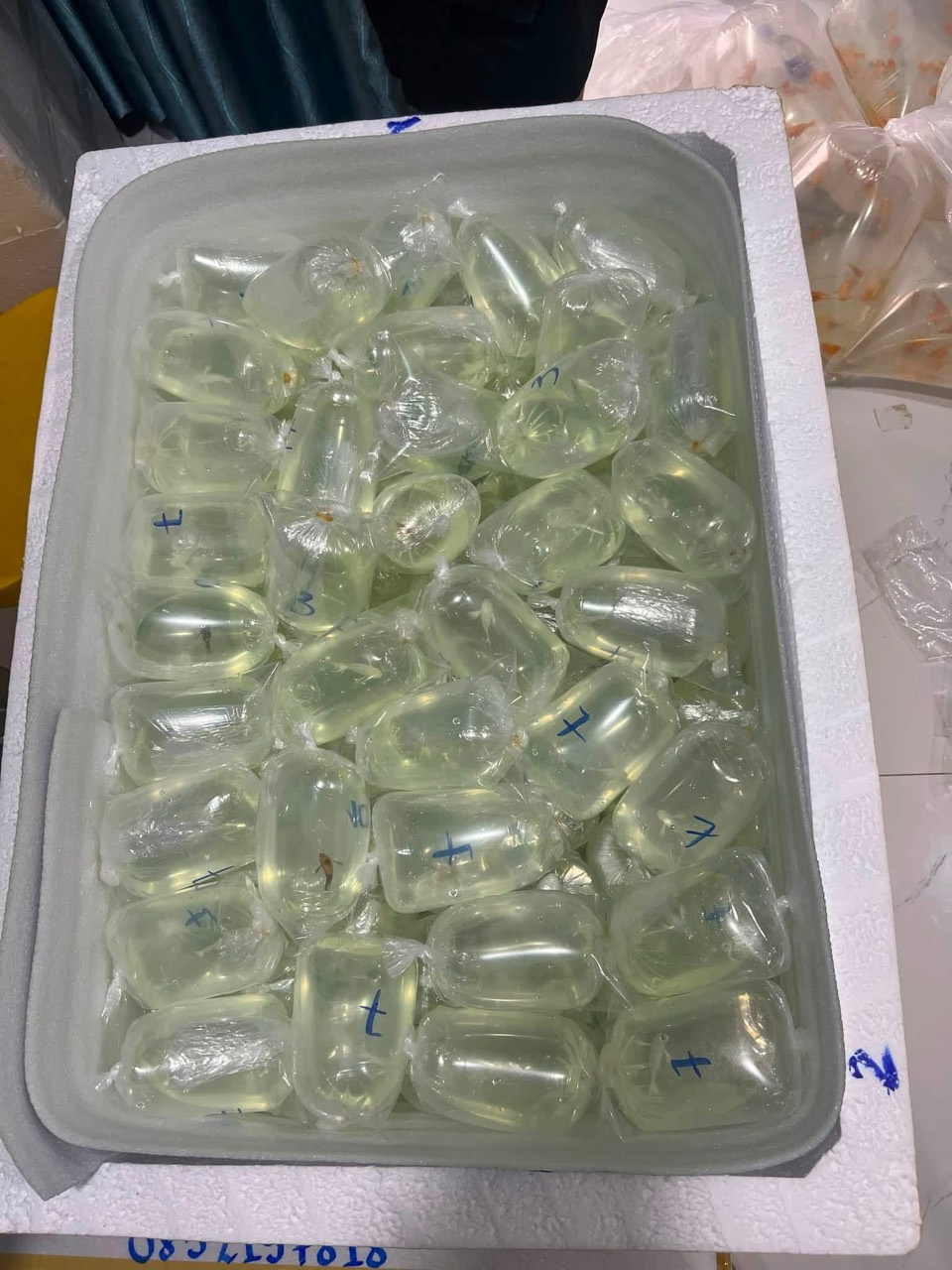
A secure outer box also helps keep bags organized during stacking and loading. The shipper must account for the fish, the expected travel environment and any carrier restrictions. Even a carefully insulated box can encounter delays or extreme conditions, which is why weather checks remain important.
When are heat packs or cold packs appropriate?
HiGuppy’s packing policy says heat or cold packs may be used when appropriate; it does not promise one in every shipment. The correct choice depends on the origin, route, seasonal exposure, air or ground handoffs, box insulation and anticipated handling time. A temperature pack installed incorrectly can also create harmful localized extremes.
| Condition | Packing-plan consideration | What the buyer can verify |
|---|---|---|
| Unusually hot route | Whether dispatch should be held; whether cooling support is appropriate | Whether the scheduled route and arrival window are actually confirmed |
| Cold-weather handoff | Whether safe insulation or heat support fits the route | What happens if a carrier or customs handoff is delayed |
| Mild, stable weather | Basic insulation and steady handling may be sufficient | Whether any added temperature material is needed at all |
| Disruption, holiday or delay | A postponement can be preferable to forcing shipment | Updated schedule and who will notify the transshipper |
No heat pack or cold pack eliminates all temperature risk. For additional context, see summer guppy shipping and heat packs in cold weather. Do not purchase live guppies on the assumption that “insulated box” means they can be left outside after delivery.
How packing decisions change by order size
Different fish formats change the practical bag grouping and box requirements. The chart below is about planning questions rather than a prescribed number of guppies per transport bag.
| Order type | Packing consideration | Buyer information to confirm |
|---|---|---|
| Pair or breeder trio | Track which fish belong to the order and how they are grouped | Sex count, approximate size, line name and actual fish confirmation |
| Young fry pack | Small fish may need carefully planned water, gentle handling and group identification | Age/size range, number of fish and safe receiving system |
| Mixed-strain purchase | Prevent confusing different line labels during receipt | Which fish or bags correspond to each strain |
| Larger wholesale lot | More bags, weight and receiving capacity may be needed | Current quote, packing quantity, freight and transshipper capacity |
There is no blanket “500 fish per bag” rule. Actual grouping depends on fish size, species, water quality, anticipated transit and the exporter’s proven methods. Ask for a shipping plan suited to the order rather than copying a bag count from an unrelated photograph or another buyer’s invoice.
The HiGuppy route: Vietnam to transshipper, then buyer
HiGuppy’s published shipping policy describes two distinct transport legs after the order is prepared. HiGuppy prepares the international shipment in Vietnam and sends it to a professional transshipper. The transshipper receives and inspects it, then arranges a separate domestic shipment or pickup to the final buyer under its own terms. That distinction affects tracking, receiving duties, fees and DOA claims.
| Stage | Who is responsible for that stage | What the buyer should know |
|---|---|---|
| Packing and international dispatch | HiGuppy prepares the international shipment and reviews route readiness | Confirm order format, transshipper and any written schedule changes |
| International receiving and inspection | Professional transshipper receives and verifies the international bags | This is where HiGuppy’s international-leg DOA inspection window applies |
| Separate domestic reshipment | Professional transshipper arranges onward delivery or pickup | Check separate tracking, shipping cost and that transshipper’s arrival policy |
| Final buyer receiving | Buyer or designated receiver follows the applicable domestic handoff | Have a prepared cycled aquarium and confirm who can receive the shipment promptly |
A single “shipping” charge, order date or tracking label may not describe every stage. Check the current written route and fees and the transshipper’s separate agreement for your destination. Packing is not a guarantee of customs clearance, a fixed arrival date or eligibility for every import destination.
What to check before your guppies ship
- Confirm the exact fish order. Verify strain, quantity, size and whether the offer is for males, females, pairs, trios or fry.
- Confirm the transshipper. Identify who is receiving the international shipment and managing the later domestic leg.
- Confirm weather and travel windows. Ask whether conditions are suitable and what happens if a shipment is held.
- Confirm what the quote covers. Separate fish price from export freight, transshipper, customs and domestic charges where applicable.
- Prepare receiving water. Have an established aquarium or suitable quarantine setup, testing supplies and a calm receiving area ready.
- Read both arrival policies. Know the HiGuppy international policy and the transshipper’s later domestic policy before the shipment leaves.
For general receiving preparation, see Guppy Arrival Day Checklist. An organized handoff reduces avoidable confusion; it does not remove the need for professional transport planning.
On arrival: inspect the right bag at the right handoff
At the international transshipper receiving stage, promptly compare the shipment identifiers and condition of the closed bags with the order record. HiGuppy’s international Live Arrival / DOA Policy requires eligible evidence within two hours of the professional transshipper’s physical inspection and verification. The affected fish must be documented in the original unopened shipping bag, along with the applicable shipment identifiers and time information. Read the full DOA Claim Process before assuming a claim is eligible.
The later transshipper-to-buyer domestic delivery has its own rules and does not restart HiGuppy’s international two-hour clock. For the final domestic leg, use that transshipper’s receiving guidance and live-arrival terms. Do not leave healthy live fish sitting in unopened transport bags simply while waiting for a support reply; separate prompt care of living fish from preserving the required evidence for an affected DOA bag.
After the required documentation, follow the appropriate acclimation and quarantine guidance for the live animals. An email with evidence is a request for review, not automatic approval of a refund or replacement.
Common packing assumptions that can mislead buyers
- “Every shipment has exactly the same bag count.” HiGuppy says bag grouping varies with fish format, quantity and route.
- “Pure oxygen guarantees a fixed number of hours.” Survival also depends on stocking, water, temperature, handling and delays.
- “A heat pack is included in every order.” Temperature support is selected by actual route conditions and may not be needed.
- “Insulation means weather does not matter.” Extreme temperatures or disruptions may still trigger a hold.
- “The international box goes straight to my house.” HiGuppy’s published process uses a professional transshipper and a separate domestic leg.
- “I should open an affected bag before filming a DOA claim.” Read the policy for the relevant handoff; HiGuppy requires original unopened-bag evidence at the international transshipper inspection.
Good packing is an important part of responsible fish transport, but fish condition, route selection, receiving readiness and clear communications are just as important.
Frequently asked questions
Are guppies shipped in bags with oxygen?
Commercial ornamental fish are commonly shipped in sealed bags with suitable water and gas space; professional packing may use added oxygen. The actual method depends on the fish and route, so ask for the current order-specific plan.
Does HiGuppy use the same bag and box layout for every order?
No. HiGuppy’s published packing process says the fish format, quantity, route and weather can change bag counts, grouping, insulation and box layout.
Are insulated boxes enough to protect fish from heat and cold?
No. Insulation buffers change but cannot prevent every extreme temperature or carrier delay. Heat or cold packs may be suitable for some routes, and a shipment may need postponement.
How many guppies can safely travel in one bag?
There is no universal number. Fish size, bag dimensions, available water and oxygen, density, temperature and transit duration must be evaluated by the professional packer.
Do I receive the same international bag directly at my home?
Not necessarily. HiGuppy’s current international process ships from Vietnam to a professional transshipper, which then manages a separate domestic delivery or pickup for the buyer.
When should a HiGuppy international DOA concern be reported?
Under the current international policy, within two hours after the professional transshipper physically inspects and verifies the international shipment, with required original unopened-bag evidence. The domestic leg uses the transshipper’s own terms.
What should I prepare before a shipment arrives?
Confirm the receiving person, tracking and applicable policy, and have a cycled aquarium or quarantine system ready. Inspect promptly and follow the instructions for the actual shipping leg.
Sources and related HiGuppy resources
HiGuppy operating steps, photos and policy boundaries: How We Pack Live Guppies, Shipping Policy, and Live Arrival / DOA Policy. Scientific background: University of Florida IFAS Extension, Preparation of Ornamental Fish for Shipping (FA-120, revised September 2024), and OATA guppy/molly care guidance. UF/IFAS provides industry-level examples; its practices are not a statement that every HiGuppy shipment uses identical materials or amounts. For arrival planning, see the arrival-day checklist.
Behind the care guides
Care begins with steady systems
Our guppy guides focus on practical routines: keep water stable, observe fish closely and allow for natural variation.

Care systems
Steady water, thoughtful care
Gentle filtration and regular observation support healthy aquarium routines.

Natural variation
Every guppy is different
Color, size and fin shape vary with strain, age and each individual fish.
Editorial illustrations for context; they do not depict HiGuppy's exact facility or current fish stock.