The HiGuppy Journal
Guppy Disease Prevention Guide: Keep Your Guppies Healthy From Day One
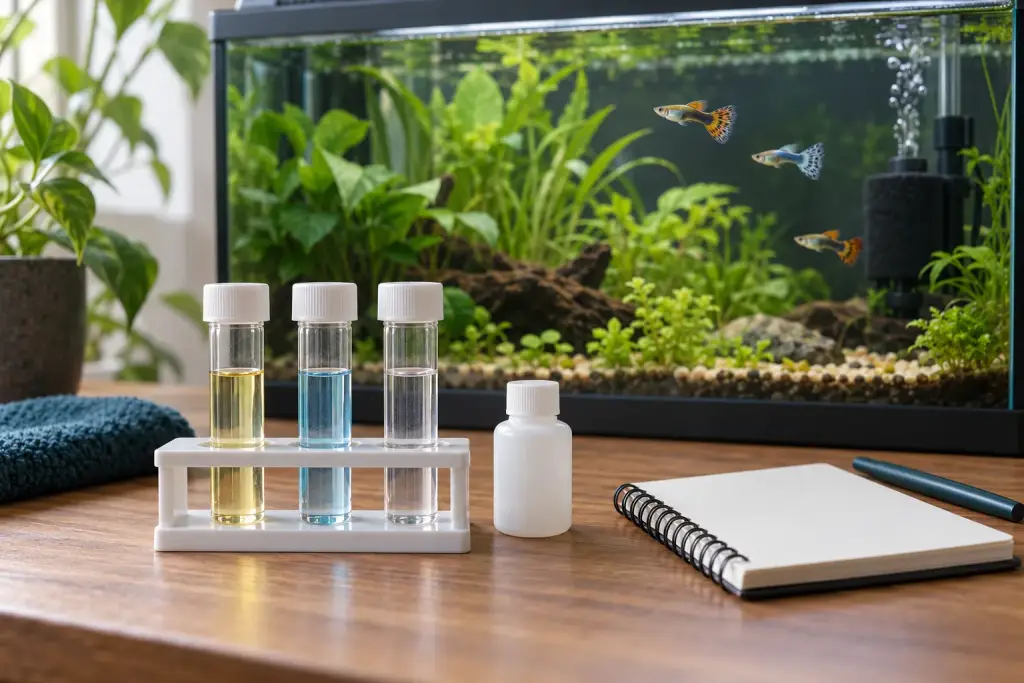
Guppy disease prevention starts with a cycled aquarium, stable water, appropriate feeding, and careful observation of new arrivals. Prepare quarantine before adding fish, keep equipment clean and separate where practical, and monitor the group daily. These habits reduce avoidable stress and exposure; they do not guarantee disease-free fish or replace help when symptoms develop.
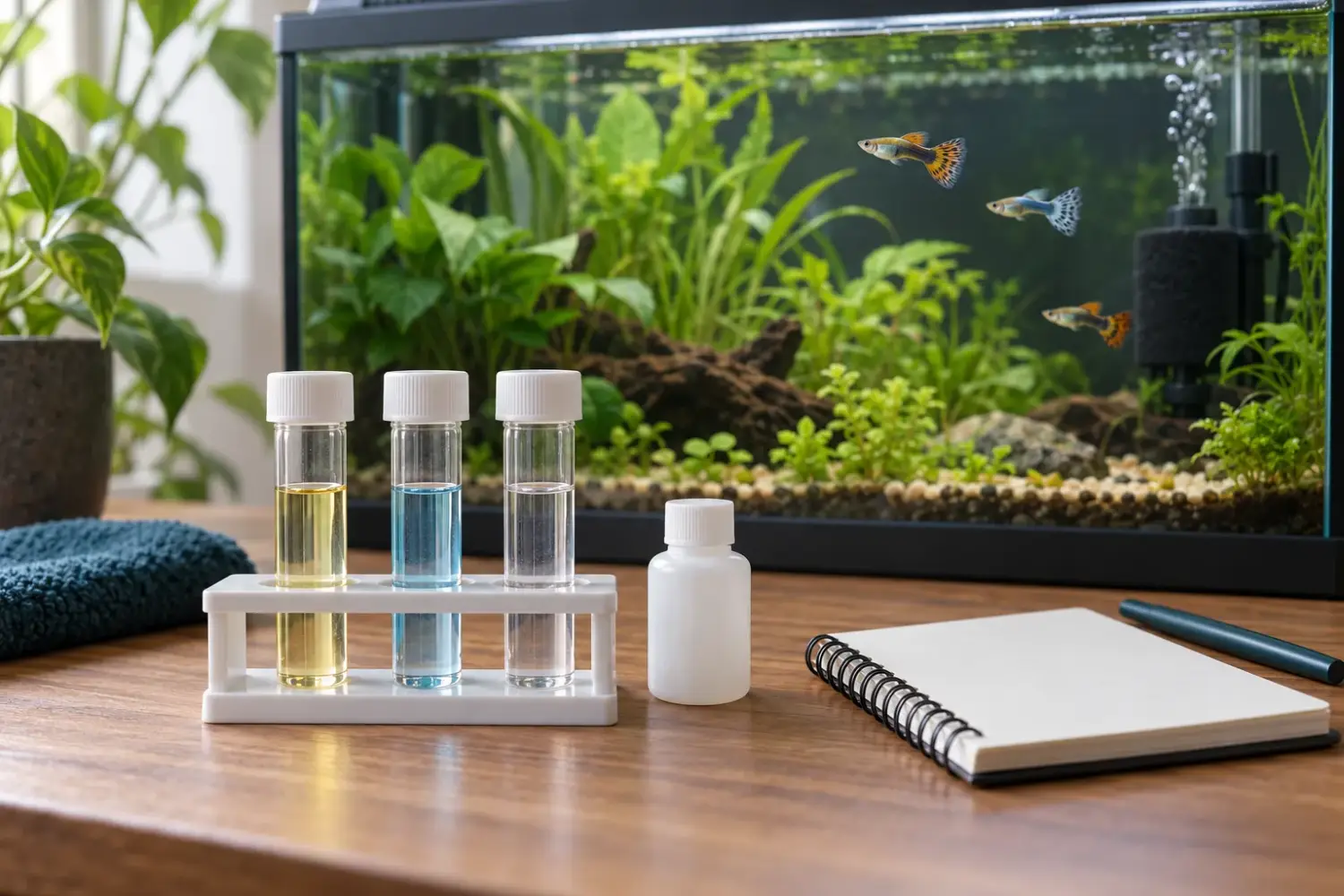
Guppies are hardy fish, but they are not immune to stress, poor water quality, parasites, bacterial issues, or sudden changes. Many health problems begin quietly, then become obvious only after the fish is already weak.
This guide is focused on prevention. It is not a substitute for veterinary care, but it gives beginners a practical system for keeping guppies healthy and catching warning signs early.
Disease Prevention Checklist
- Keep ammonia and nitrite at 0 ppm.
- Quarantine new fish when possible.
- Avoid sudden temperature changes.
- Do not overstock the aquarium.
- Feed small, clean portions.
- Observe fish behavior daily.
Start With Clean, Stable Water
Water quality is the first line of defense. Guppies living in unstable water become stressed, and stressed fish are more likely to develop health problems. Even if the water looks clear, ammonia or nitrite may still be present in a new or overloaded aquarium.
Test the water regularly, especially after adding new fish, changing filters, increasing feeding, or noticing unusual behavior. A stable aquarium makes every other part of guppy care easier.
HiGuppy Tip
When guppies look sick, test the water before buying medications. Many “disease” problems start with water stress.
Quarantine New Guppies
Quarantine is one of the smartest habits in the hobby. A simple quarantine tank lets you observe new arrivals before mixing them with your main aquarium. This helps protect both the new fish and your existing guppies.
A quarantine tank does not need to be fancy. A suitably sized bare-bottom tank, appropriate temperature control, mature filtration, and a simple hiding spot can support observation. The goal is easy observation and easy cleaning.
| Warning Sign | What It May Suggest | First Step |
|---|---|---|
| Clamped fins | Stress or poor condition | Test water and observe closely. |
| Heavy breathing | Low oxygen, toxins, or stress | Check water and increase aeration. |
| White spots | Possible parasite issue | Isolate and identify carefully. |
| Stringy waste | Diet or internal issue | Review food and monitor behavior. |
Reduce Stress in the Aquarium
Stress weakens fish. Common stressors include aggressive tank mates, strong filter current, poor male-to-female balance, sudden water changes, bright lights after shipping, and overcrowding.
Guppies are active, but they still need rest areas. Plants, floating cover, and gentle flow help them feel secure. A calm tank is not just prettier; it is healthier.
Feed for Health, Not Just Appetite
Guppies often act hungry even when they have eaten enough. Overfeeding can create dirty water and digestive stress. Use small portions, rotate quality foods, and avoid letting old food sit open for too long.
Healthy guppies should be active, alert, and interested in food. If a fish suddenly stops eating, hides, or swims differently, pay attention early.
Prevention Mistakes to Avoid
- Adding new fish directly into a crowded display tank.
- Using medication without checking water first.
- Ignoring small behavior changes.
- Using untreated or poorly matched replacement water.
- Letting filter media dry out or replacing all media at once.
Final Thoughts
Healthy guppies come from consistent care. Keep the water clean, quarantine when possible, feed lightly, avoid stress, and observe your fish every day. Prevention is easier, cheaper, and kinder than trying to fix problems after they become serious.
Choose Strong Guppies From the Start
Start with healthy live guppies and give them a clean, stable aquarium to thrive.
Build a prevention routine you can repeat
Before feeding, look at breathing, swimming, fins, and appetite across the whole group. Record a change from the fish’s usual behavior rather than assigning a disease name from one sign. A short daily check helps you notice problems while you can still collect a useful history.
Keep a simple record of livestock additions, maintenance, water results, and equipment changes. If fish later become unwell, the timing can help distinguish a shared tank problem from an issue affecting one fish. The maintenance schedule can anchor this routine without turning every day into a deep clean.
Keep quarantine equipment separate
Prepare an observation aquarium before buying fish. Confirm that filtration is functioning and that water conditions suit the arrivals. A bare container without reliable filtration and water monitoring can create its own health problem. Follow the new-guppy quarantine guide for the arrival workflow.
Use separate nets, siphons, and buckets for observation or hospital tanks where practical. Avoid moving wet tools or aquarium water between systems. Clean equipment using an appropriate aquarium protocol, keep household soap and cleaning chemicals away from fish water, and wash your hands after aquarium work.
If an established tank develops unexplained symptoms, pause new additions while you investigate. Check water and equipment promptly and record the affected fish. Prevention reduces avoidable exposure and stress, but it cannot guarantee that fish will never become sick. Rapid breathing, ongoing losses, wounds, or worsening symptoms justify qualified fish-health advice.
FAQ: Guppy Disease Prevention
How do I keep guppies from getting sick?
Keep water stable, avoid overstocking, quarantine new fish, feed small portions, and watch behavior daily.
Should I medicate new guppies automatically?
Do not choose routine medication from appearance alone. Use observation and water checks, and ask a qualified fish-health professional when a specific risk or symptom needs assessment.
What is the first thing to check when guppies look sick?
Test ammonia, nitrite, nitrate, and temperature. Water problems are very common causes of stress symptoms.
Behind the care guides
Care begins with steady systems
Our guppy guides focus on practical routines: keep water stable, observe fish closely and allow for natural variation.

Care systems
Steady water, thoughtful care
Gentle filtration and regular observation support healthy aquarium routines.

Natural variation
Every guppy is different
Color, size and fin shape vary with strain, age and each individual fish.
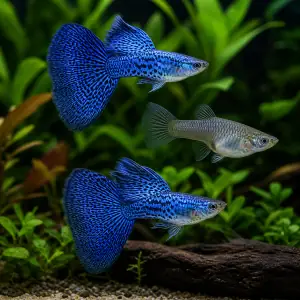
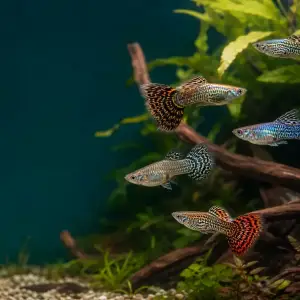
Editorial illustrations for context; they do not depict HiGuppy's exact facility or current fish stock.