Biosecurity, observation and responsible readiness
Our Guppy Quarantine & Observation Process
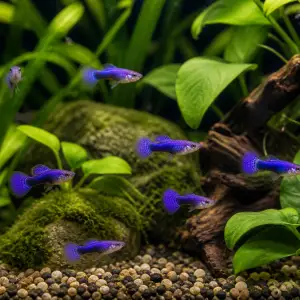
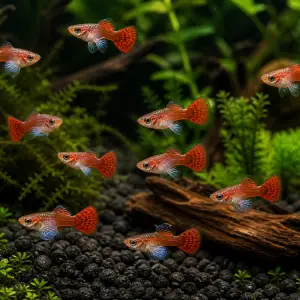
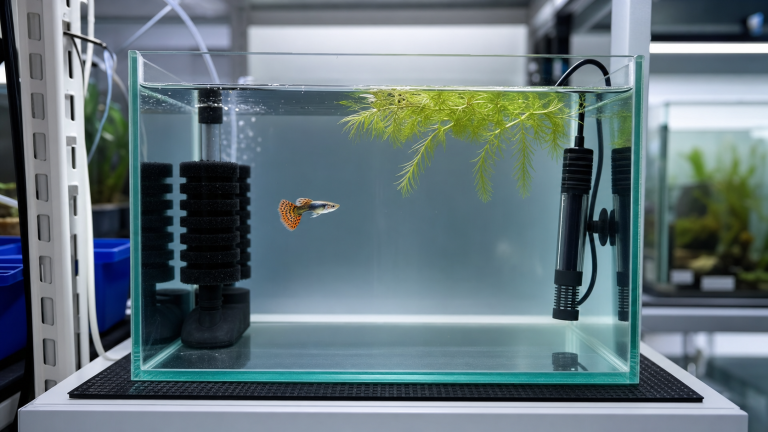
Quarantine separates new or concerning fish from established systems, reduces avoidable cross-contamination and creates time to evaluate behavior, feeding, visible condition and water quality.
Quick answer: HiGuppy uses separation, dedicated equipment where practical, routine water checks and repeated observation before fish move toward sale or shipment. Quarantine reduces risk and improves decision-making, but it is not a veterinary diagnosis or a guarantee that every hidden pathogen or future health problem has been excluded.
Three core purposes
What quarantine is designed to accomplish
01
Separate unfamiliar risk
New arrivals and fish needing closer review are kept apart from established sale systems whenever practical.
02
Observe patterns over time
Repeated observations reveal more than one photograph or one feeding response can show.
03
Make a responsible next decision
Fish can move forward, remain isolated, receive further evaluation or be removed from shipment consideration.
Six-stage workflow
How fish move through observation
No fixed number of days can replace the full pattern of source history, water quality, behavior, feeding and visible condition.
1
Record intake context
Source, arrival date, shipment condition, group history and visible concerns are documented.
2
Place in a stable system
Temperature, filtration, oxygenation and water quality are checked before signs are interpreted.
3
Observe without unnecessary disturbance
Breathing, swimming, posture, social behavior and body condition are reviewed repeatedly.
4
Review feeding response
Appetite, swallowing, competition and body condition are considered in context, not as a diagnosis.
5
Control equipment transfer
Nets, siphons, containers and shared water are managed to reduce avoidable cross-contamination.
6
Decide: move, hold or escalate
The fish moves forward only when there is no unresolved reason for continued isolation.
Observation checklist
What we watch and why it matters
| Area | Examples of observations |
|---|---|
| Breathing and position | Gill movement, surface gasping, bottom sitting and position relative to flow or aeration. |
| Swimming and balance | Posture, buoyancy, coordinated movement, isolation, flashing, rubbing and ability to hold position. |
| Body, fins and eyes | Wounds, swelling, mucus, discoloration, weight, fin condition and visible external changes. |
| Feeding and waste | Interest in food, swallowing, competition, waste appearance and changes over multiple observations. |
| Group behavior | Aggression, social pressure, unusual clustering and whether several fish show a similar pattern. |
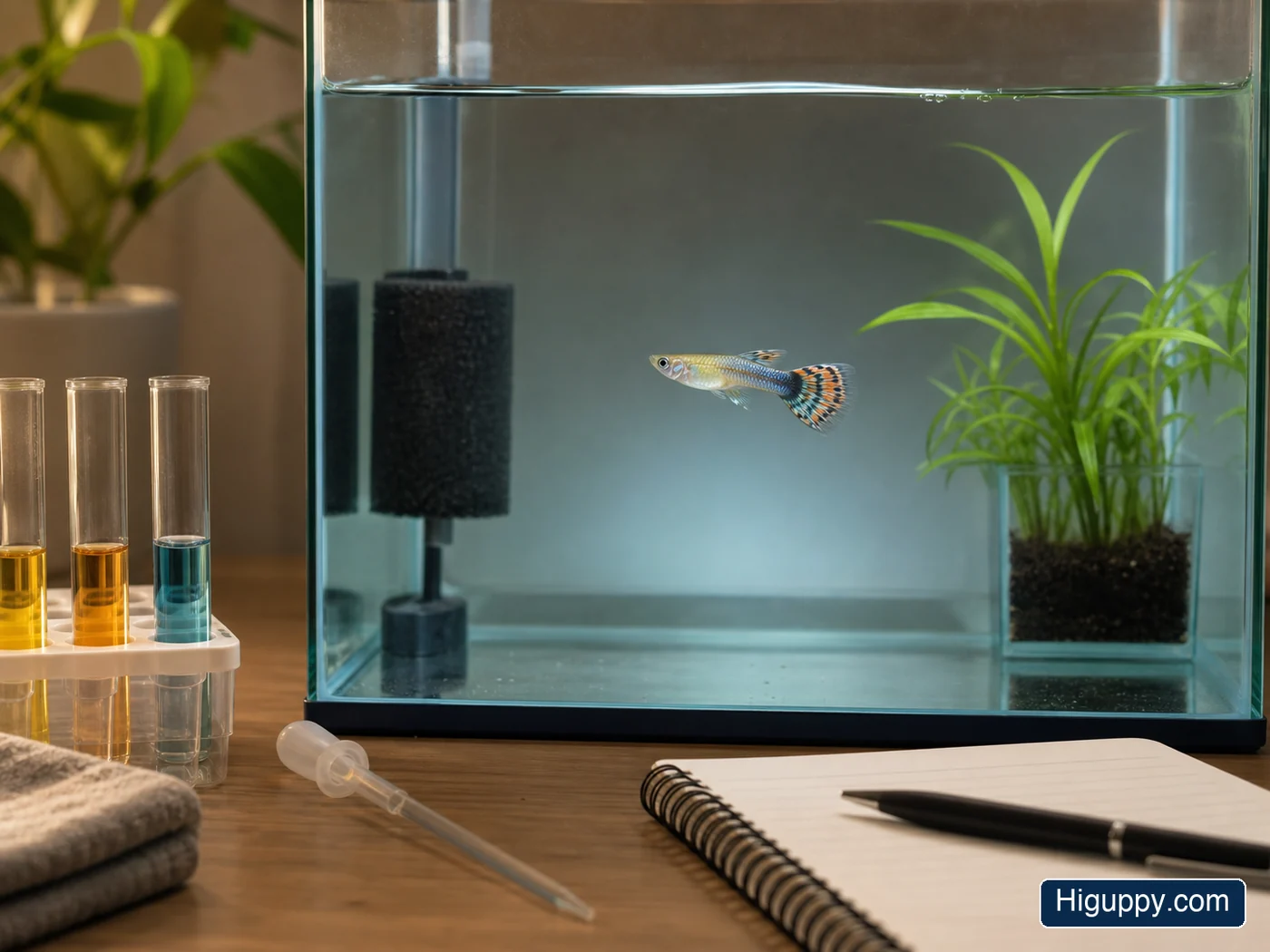
| Water and equipment | Temperature, ammonia, nitrite, nitrate, pH, oxygenation, filtration and heater function. |
Biosecurity controls
Reduce transfer between systems
- Use separate nets, siphons and containers where practical.
- Avoid moving observation-system water into established aquariums.
- Clean, dry or otherwise manage equipment appropriately before reuse.
- Work from established systems toward observation systems rather than the reverse.
- Keep hands and tools free from soaps, sprays, medication residue and other contaminants.
- Review water quality and filtration before moving fish.
Risk reduction is not zero-risk certification
Even careful separation and observation cannot exclude every microscopic pathogen, internal condition or future illness.
Readiness decisions
When a fish may move forward—or remain on hold
The decision is based on the whole pattern, not one universal quarantine duration.
May move forward
- Stable behavior and posture
- Acceptable water quality
- Appropriate feeding response
- Suitable visible body and fin condition
- No unresolved reason for isolation
May remain on hold
- New or worsening visible concern
- Abnormal breathing, balance or appetite
- Unstable water or equipment issue
- Multiple fish showing a similar problem
- Need for further evaluation or professional testing
At the destination
Customers should still quarantine every new fish
Your aquarium has its own livestock, water, equipment and biological history. Seller-side observation cannot replace a separate receiving system.
1
Prepare before delivery
Use a cycled quarantine aquarium with stable temperature, filtration, oxygenation and cover.
2
Use separate equipment
Avoid sharing water, nets and siphons with the established aquarium whenever practical.
3
Record observations
Monitor breathing, swimming, appetite, waste, fins, body condition and exact water readings.
4
Do not rush introduction
A fish looking normal on the first day does not eliminate the value of continued observation.
Frequently asked questions
Guppy quarantine FAQ
How long does HiGuppy quarantine fish?
The observation period depends on source, condition, feeding response, group history, water quality and any signs requiring continued isolation. One universal number does not fit every fish.
Are all fish medicated automatically?
No. Medication is not a substitute for stable water, observation and a reasoned response to specific signs. Unnecessary treatment can add stress and affect filtration.
Does quarantine guarantee disease-free fish?
No. It reduces avoidable risk and improves observation, but no routine visual process can exclude every hidden pathogen or future condition.
Why should I quarantine fish from a trusted seller?
Your existing livestock still benefits from separation, dedicated equipment and observation before a new biological source enters the system.
Can a fish look normal and develop a problem later?
Yes. Some conditions are not immediately visible, and transport or environmental change can reveal signs later.
When should aquatic veterinary help be considered?
Professional evaluation may be appropriate for severe breathing distress, rapid deterioration, significant injury, multiple unexplained losses or a suspected contagious problem.
Related guidance
Continue through the fish-care and shipping process
Our Fish Quality
Visible condition, behavior and shipment-readiness standards.
Packing Process
How fish, bags, insulation and route decisions come together.
Health Support
What to send when a living fish shows a post-arrival concern.
Disease Signs Guide
Common visible signs and sensible first checks.
Protect the aquarium you already have
Prepare a cycled quarantine tank, use dedicated equipment, follow the acclimation guide and observe new guppies before introducing them to established livestock.
Last reviewed: July 17, 2026. Observation and quarantine reduce risk but do not replace professional aquatic veterinary diagnosis or testing.